
Bulk buying isn't the villain. The myth is that it's always cheaper. People are getting wiser this year and doing the math most stores hope you won't. The lesson is simple: buy large when the unit price and your real life agree. Skip it when one of those starts lying.
Unit price beats sticker price every time
The warehouse tag isn't your friend unless you read the small line underneath. Ounces, sheets, loads-calculate it and compare to the regular store's sale price. Plenty of "value packs" creep up in cost per unit because the store knows the word "bulk" makes us feel thrifty.
Shoppers are keeping a tiny "always buy at X" note in their phone for ten items they burn through (paper towels, coffee, detergent, rice, broth, toilet paper, trash bags, canned tomatoes, pasta). When a price hits that number, they stock reasonably. When it doesn't, they walk.
Shelf life is part of the math
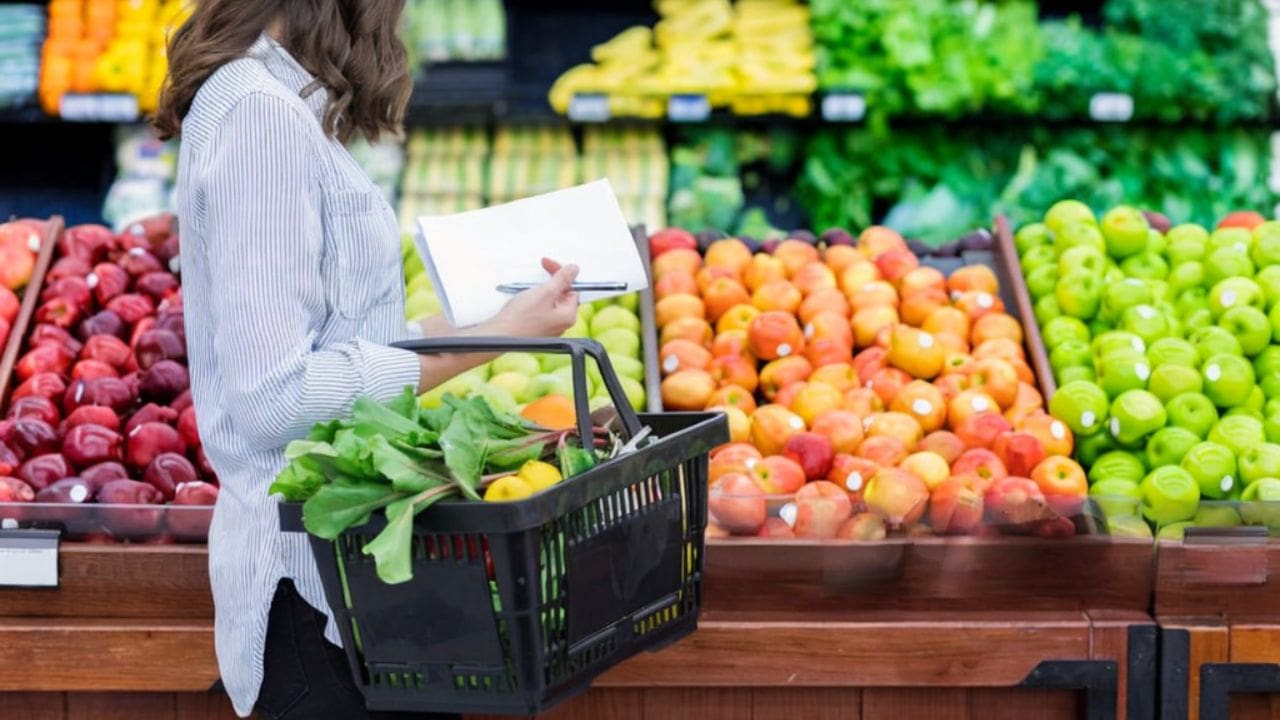
Savings don't count if spinach liquefies and the bread mold wins. Families are splitting club-size meats with neighbors, freezing in meal portions, and skipping mega produce unless they prep it the same day. Bulk flour matters if you bake weekly. It's a pantry clog if you don't.
If waste is chronic, people buy two regular-size items at a strong sale instead of one giant they can't finish. Less impressive in the cart, way better in the bin.
Convenience sizes trick smart people
The value pack with twelve tiny sauces feels useful-and costs more per ounce than a boring bottle. The single-serve snacks in a giant box often lose to a full-size bag plus your own zip-tops. Households are buying the bigger base and portioning at home once a week. Ten minutes on Sunday saves ten dollars by Friday.
Store brands aren't always the win

House brands usually help, but shoppers are watching for "shrinkflation twins." If the store brand quietly dropped ounces and raised price, the national brand on sale can beat it. Taste matters too. If kids refuse the cheaper cereal, the savings is imaginary. People are testing with one box before committing shelf space to a year's worth.
Bulk where it counts, small where it doesn't
The new strategy is targeted bulk: staples that never surprise you (rice, beans, salt, sugar), proteins that freeze well (chicken thighs, ground beef), and paper goods you always use. Everything else earns its space.
And the smartest change? A small "eat first" bin in the fridge. This week's produce goes there. When the drawer is clear, you can buy again. That little boundary is what makes bulk savings stick.
*This article was developed with AI-powered tools and has been carefully reviewed by our editors.






Leave a Reply