
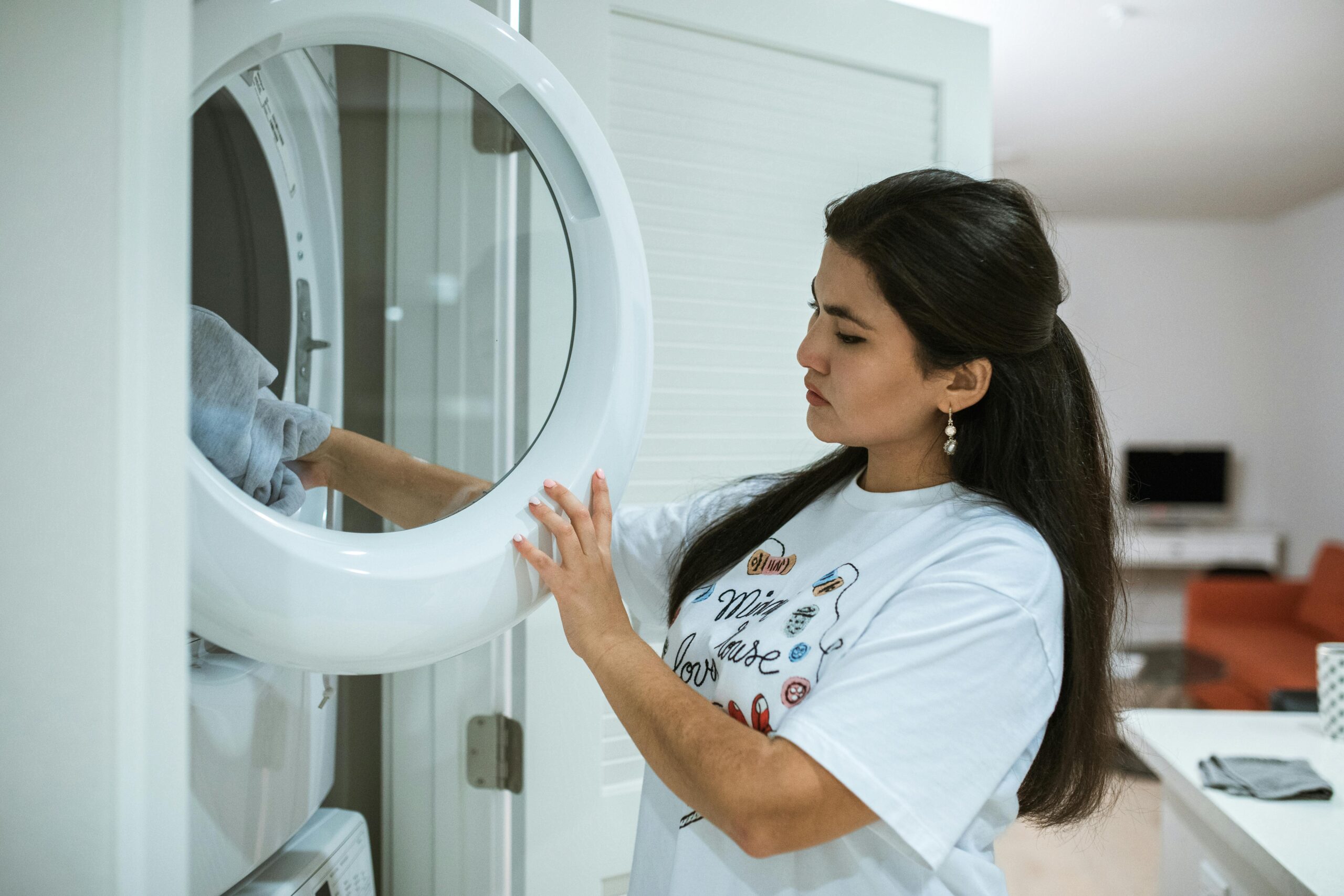
Doing laundry is one of those things you can't avoid, but the way you handle it can make a real difference on your electric bill. Between the washer, dryer, and hot water, laundry eats up more energy than most people realize.
The good news is, small changes in your routine can add up to noticeable savings over time. Here are habits that can cut your costs while still keeping your clothes clean and fresh.
Washing With Cold Water
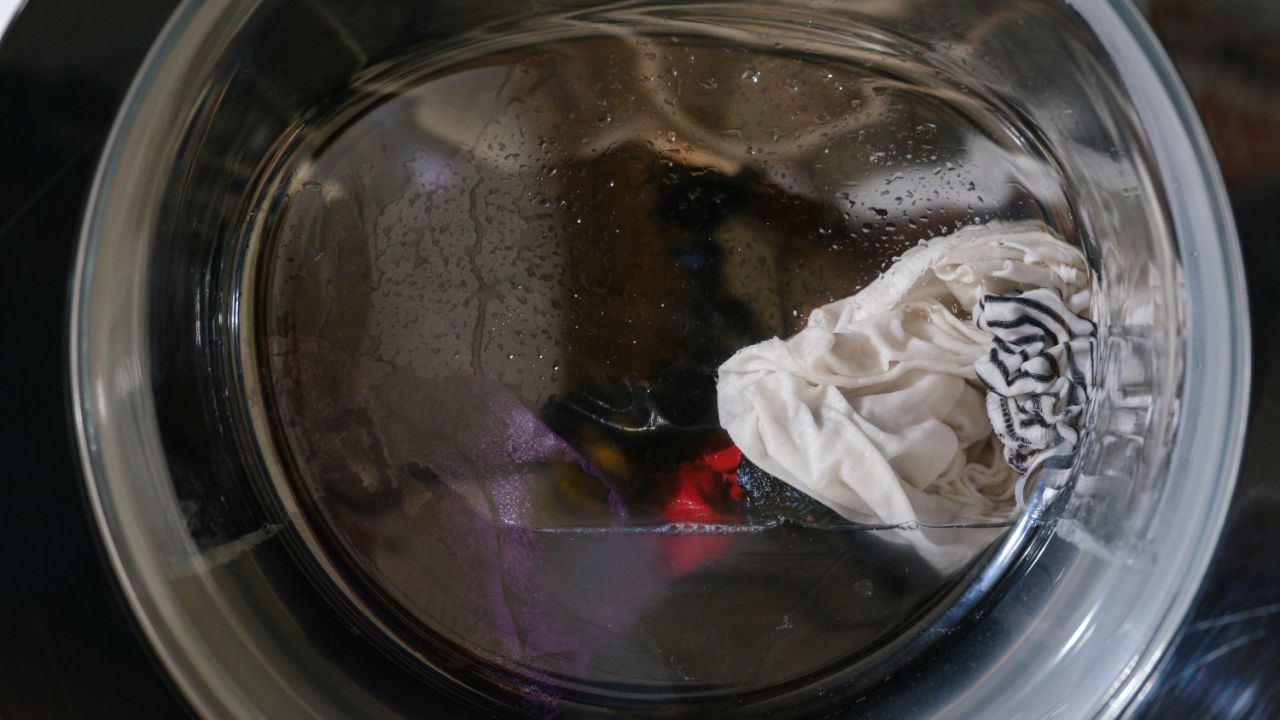
Heating water is one of the biggest energy draws in laundry. Switching most loads to cold saves money without sacrificing cleanliness. Modern detergents are designed to work well in cold water, so your clothes still come out fresh.
Reserve hot water for heavily soiled loads or bedding when you really need the extra sanitizing. For everything else, cold is usually enough and makes a quick dent in your utility bill.
Running Full Loads
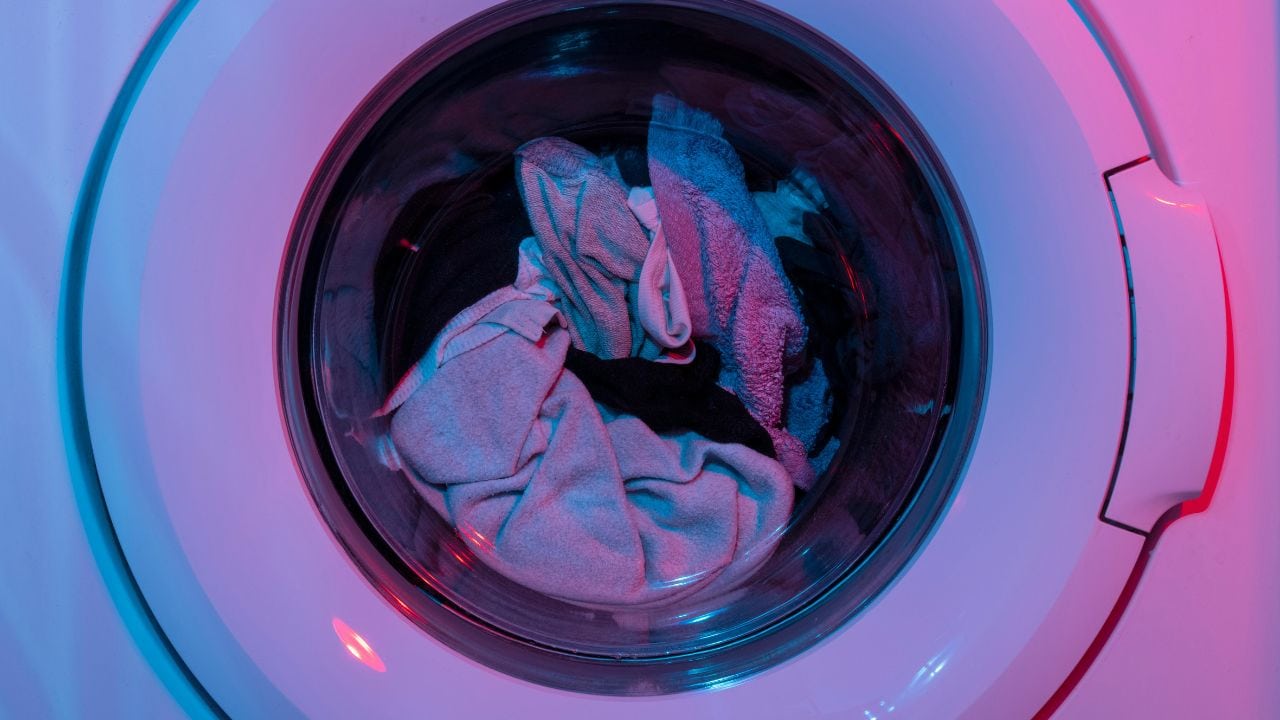
Running a half-full washer wastes water and energy, since the machine still uses nearly the same amount of power. Waiting until you have a full load helps maximize every wash cycle.
If you can't wait, many machines have load size settings-using the right one helps cut down unnecessary water and electricity use. Over time, this small shift adds up to serious savings.
Cleaning the Dryer Lint Trap
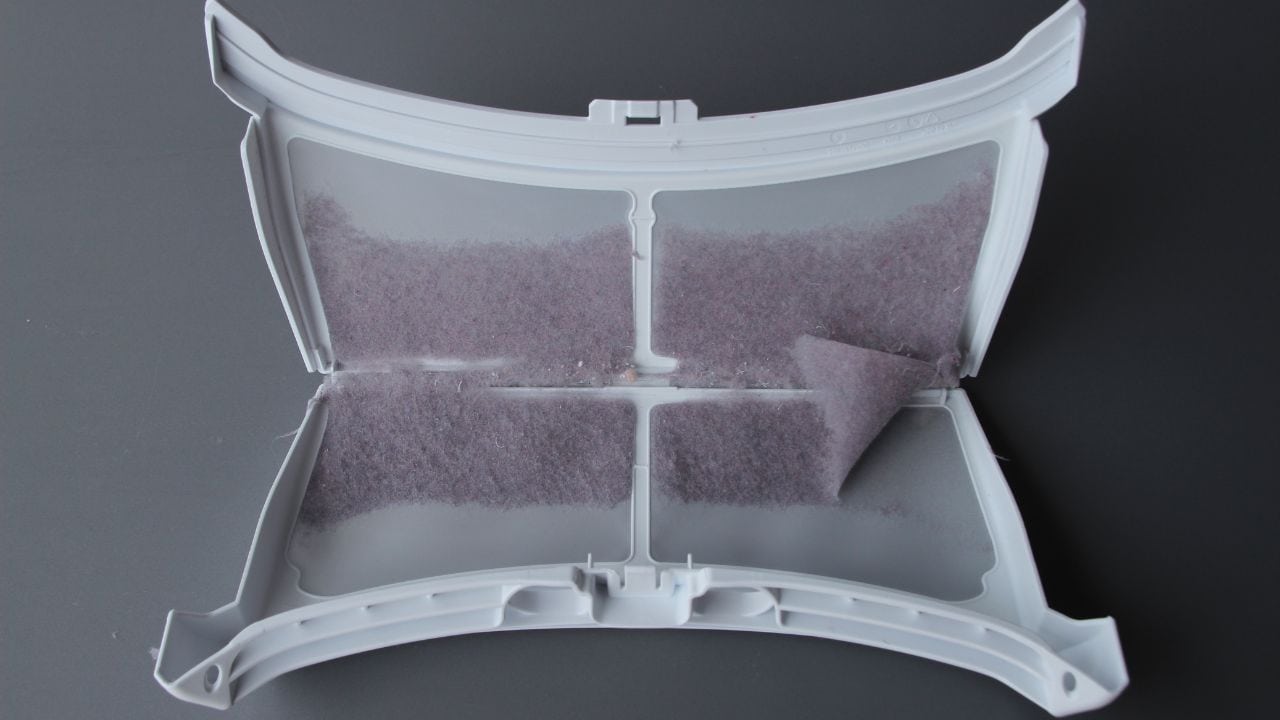
A clogged lint filter makes your dryer work harder and longer to dry clothes. This means more electricity burned for every load. Cleaning it after each cycle keeps airflow strong and drying times shorter.
It's also safer. Lint build-up can become a fire hazard if ignored. A 5-second habit keeps your home safer and your bills lower at the same time.
Using Dryer Balls

Dryer balls help separate clothes so air flows better, which cuts drying time. That means the machine runs less, and you spend less on electricity. Wool dryer balls also reduce static without the cost of disposable dryer sheets.
They're inexpensive, last a long time, and can shave several minutes off every load-minutes that really add up over a month.
Hanging Clothes to Dry
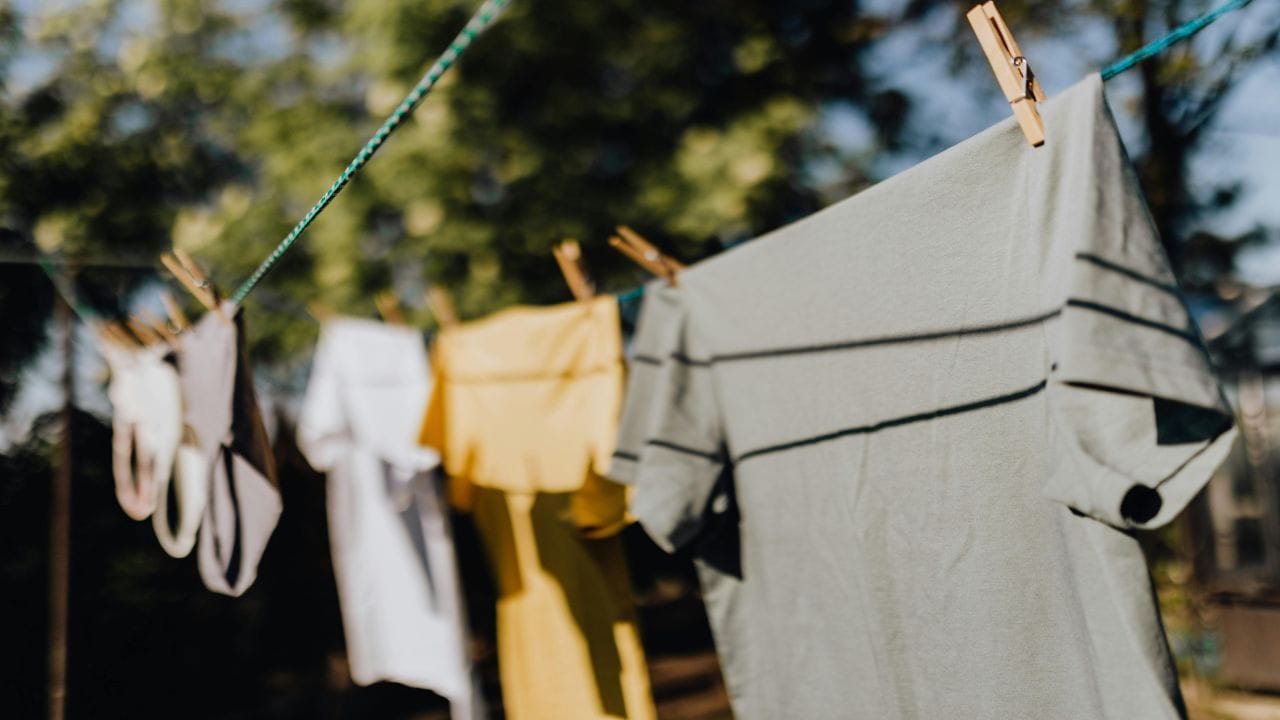
Air-drying is one of the easiest ways to cut costs. Even hanging part of your load-like towels or jeans-can save your dryer from running as long.
Indoor drying racks or outdoor clotheslines give you options year-round. Once you get used to it, you'll notice your dryer isn't running nearly as often, which shows up quickly on the bill.
Washing Less Often
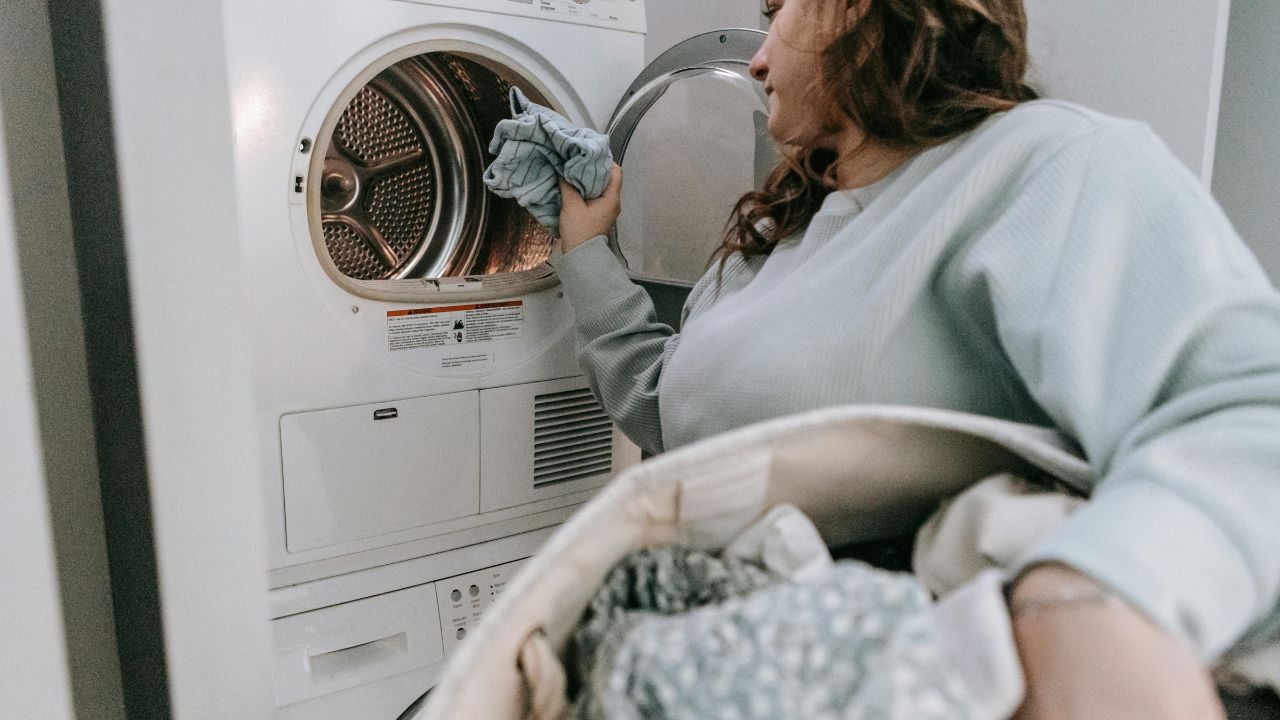
Not everything needs to be washed after one wear. Jeans, sweaters, and jackets can usually go a few wears before needing a wash. Over-washing not only raises your bill but also wears out your clothes faster.
Being selective about what actually needs washing helps you save both money and time. It's one of the simplest habits that makes a big impact.
Using Shorter Cycles
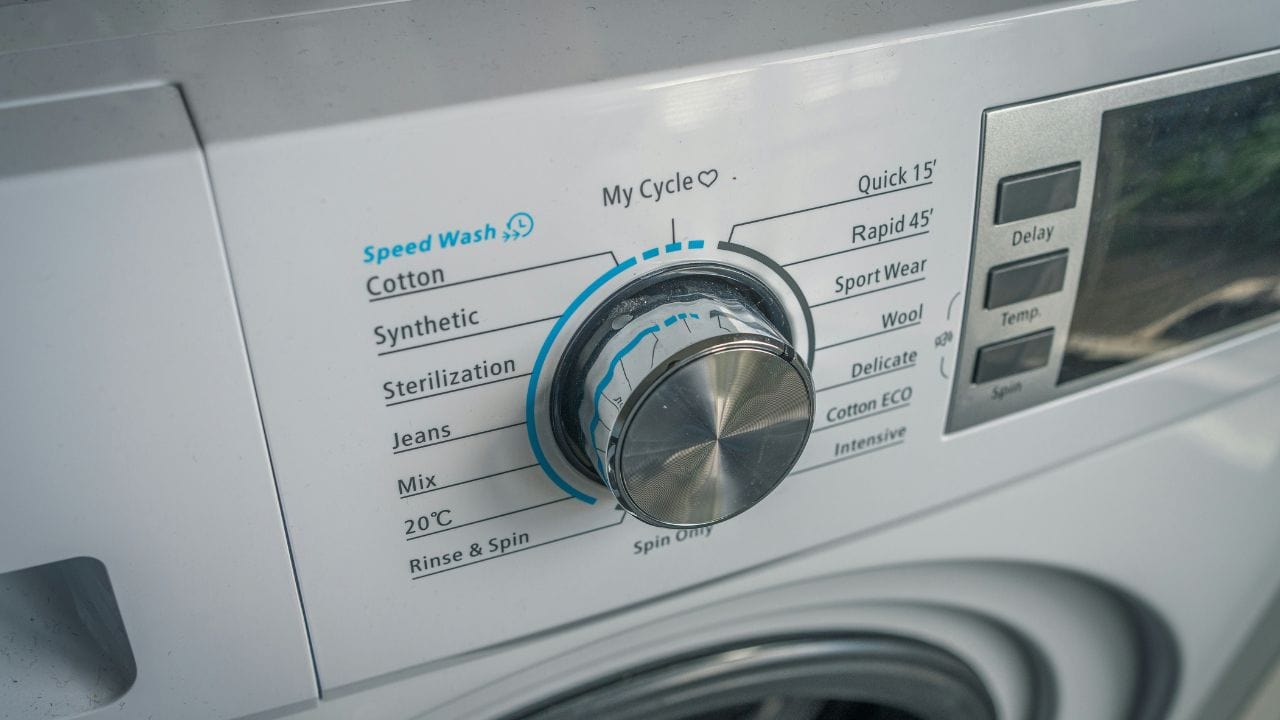
Most washers have different cycle options, and not every load needs a full-length wash. Choosing a shorter cycle for lightly soiled clothes gets the job done while using less electricity and water.
This doesn't compromise cleanliness-it just means you're matching the cycle to the laundry's actual needs. Over the course of a year, this habit can add up to noticeable savings.
Upgrading to Efficient Settings
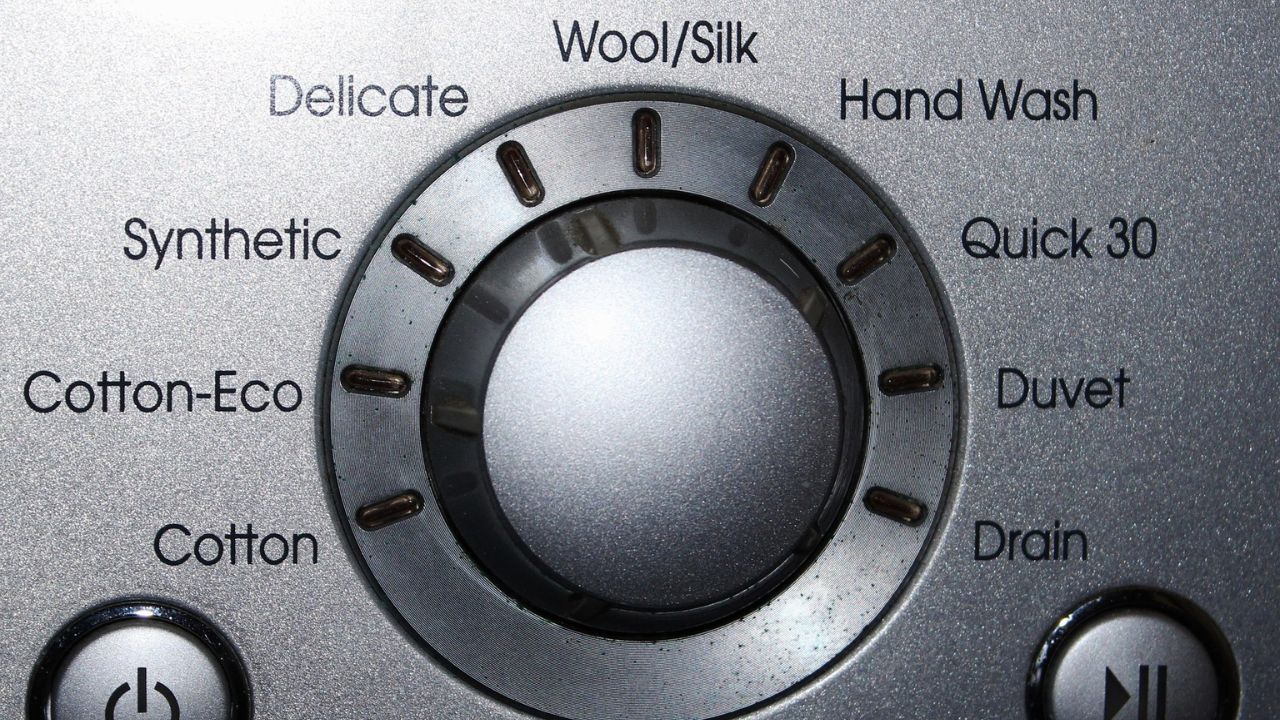
If your washer and dryer have eco or energy-saving modes, use them. They're designed to reduce electricity use without lowering performance.
Even small adjustments, like lower spin speeds or reduced drying heat, make your machines work smarter. You'll barely notice a difference in the results, but your bill will reflect it.
Washing in Off-Peak Hours
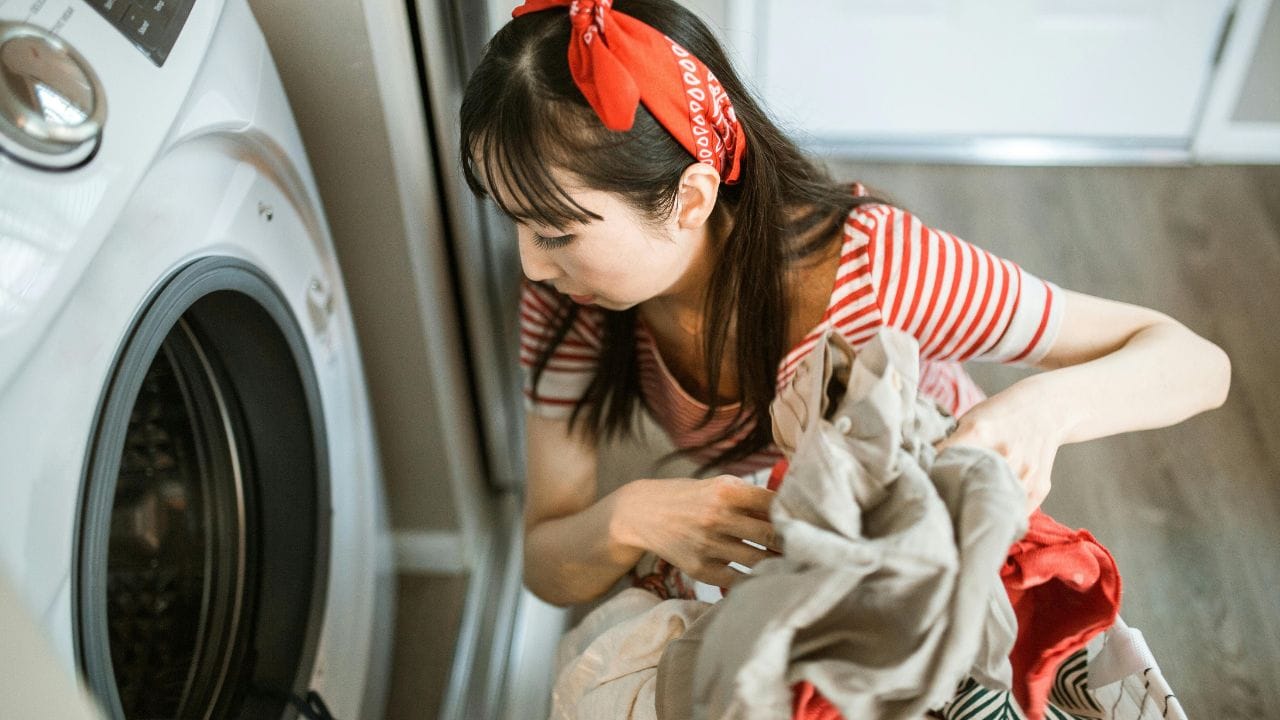
Some electric companies charge more during peak hours. Running your washer and dryer at night or early in the morning can lower your costs if you're on a time-of-use plan.
It's worth checking your utility's guidelines. Shifting your laundry schedule doesn't change the chore itself, but it can save you a chunk of money every month.
Maintaining Your Machines
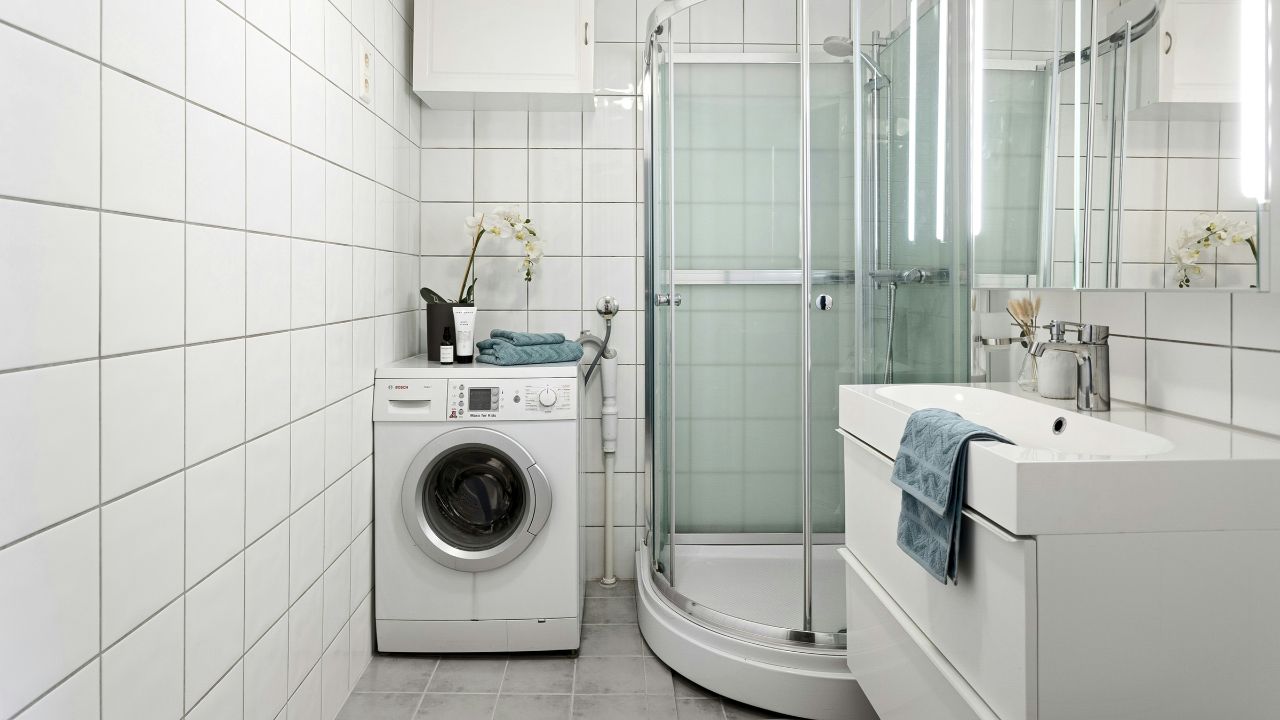
A washer or dryer that's not maintained properly works harder and uses more power. Cleaning the washer's filter, checking dryer vents, and making sure connections are secure all help with efficiency.
When machines run smoothly, they finish cycles faster and use less electricity. Maintenance takes a little time, but it pays off by extending the life of your appliances and cutting your bills.
*This article was developed with AI-powered tools and has been carefully reviewed by our editors.






Leave a Reply