
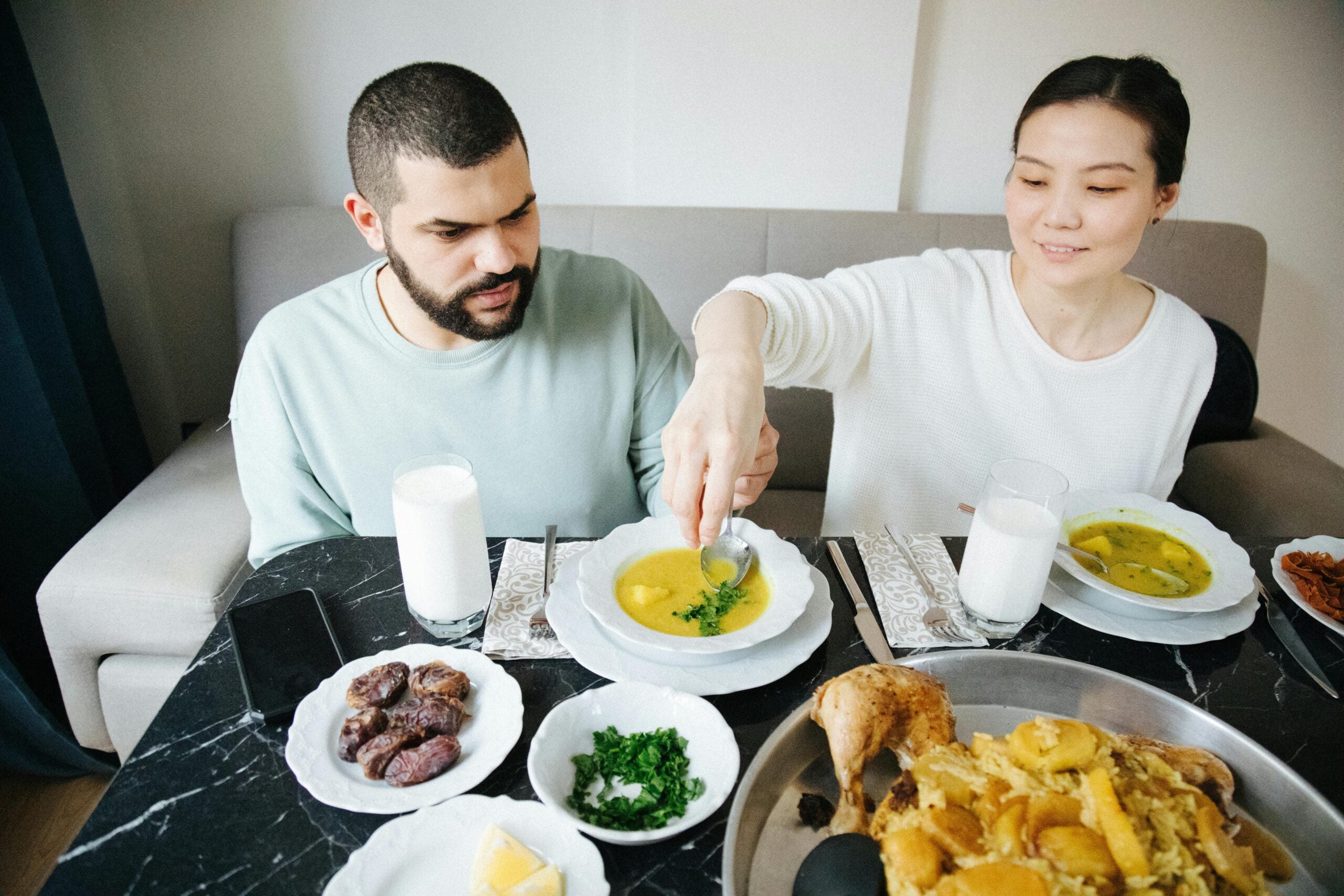
Saving money on groceries isn't just about finding coupons or shopping sales-it's often the small everyday habits that make the biggest difference. Once we started paying closer attention to how we planned meals, used leftovers, and stored food, we realized how much money was slipping through the cracks. None of the changes felt extreme, but together they noticeably lowered our grocery bill. Over time, those simple habits saved us at least $80 a month without making meals feel boring or restrictive. These are the meal routines that helped us spend less while still eating well.
Pancake mix
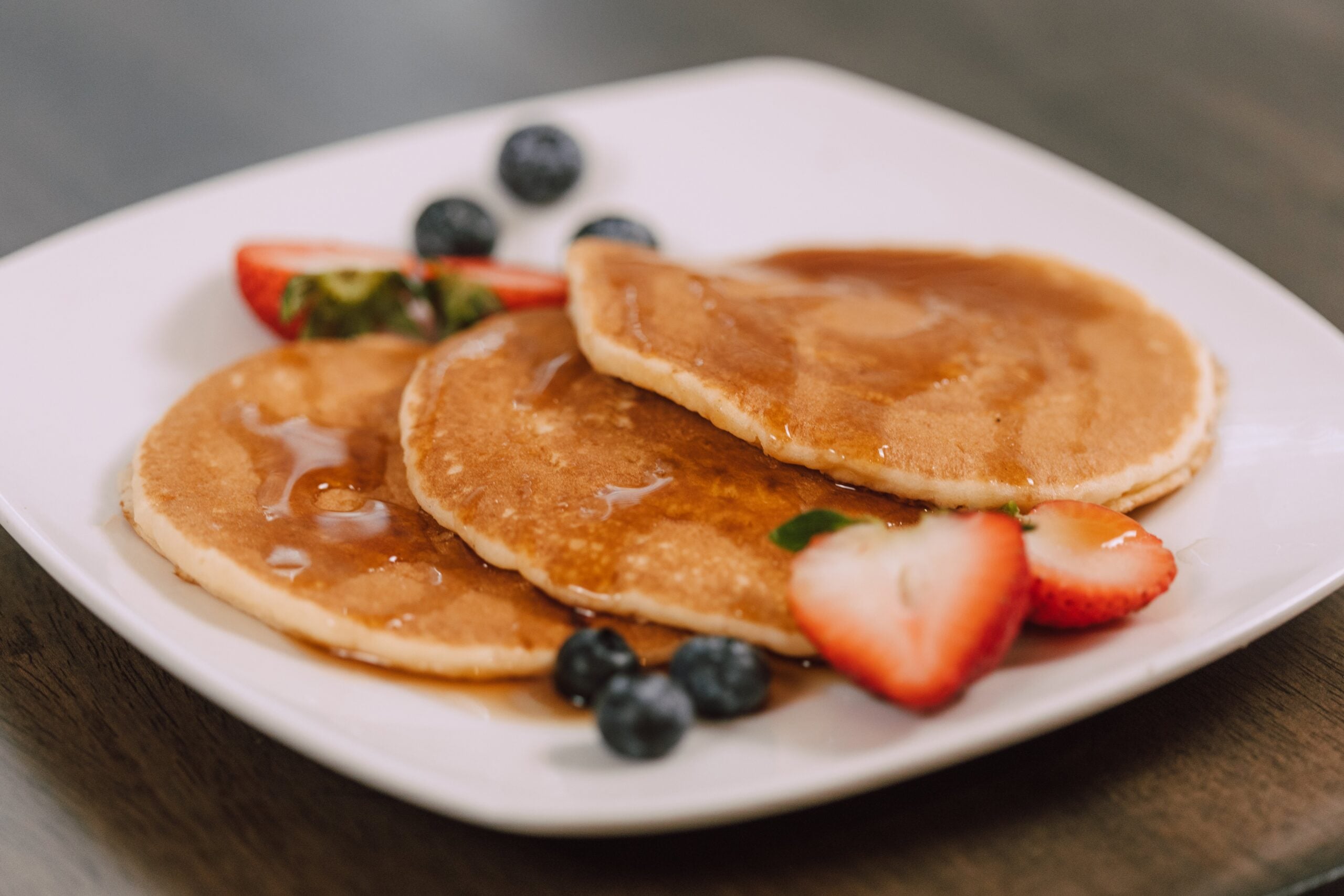
Store-bought pancake mix is convenient, but it's basically flour, sugar, baking powder, and salt-all things you already have. Making a big batch yourself takes five minutes and costs way less long-term.
You can even mix the dry ingredients ahead of time in a big jar and scoop it like the boxed stuff. Plus, homemade pancakes taste better and don't have that weird aftertaste some pre-made mixes leave behind.
Seasoning blends
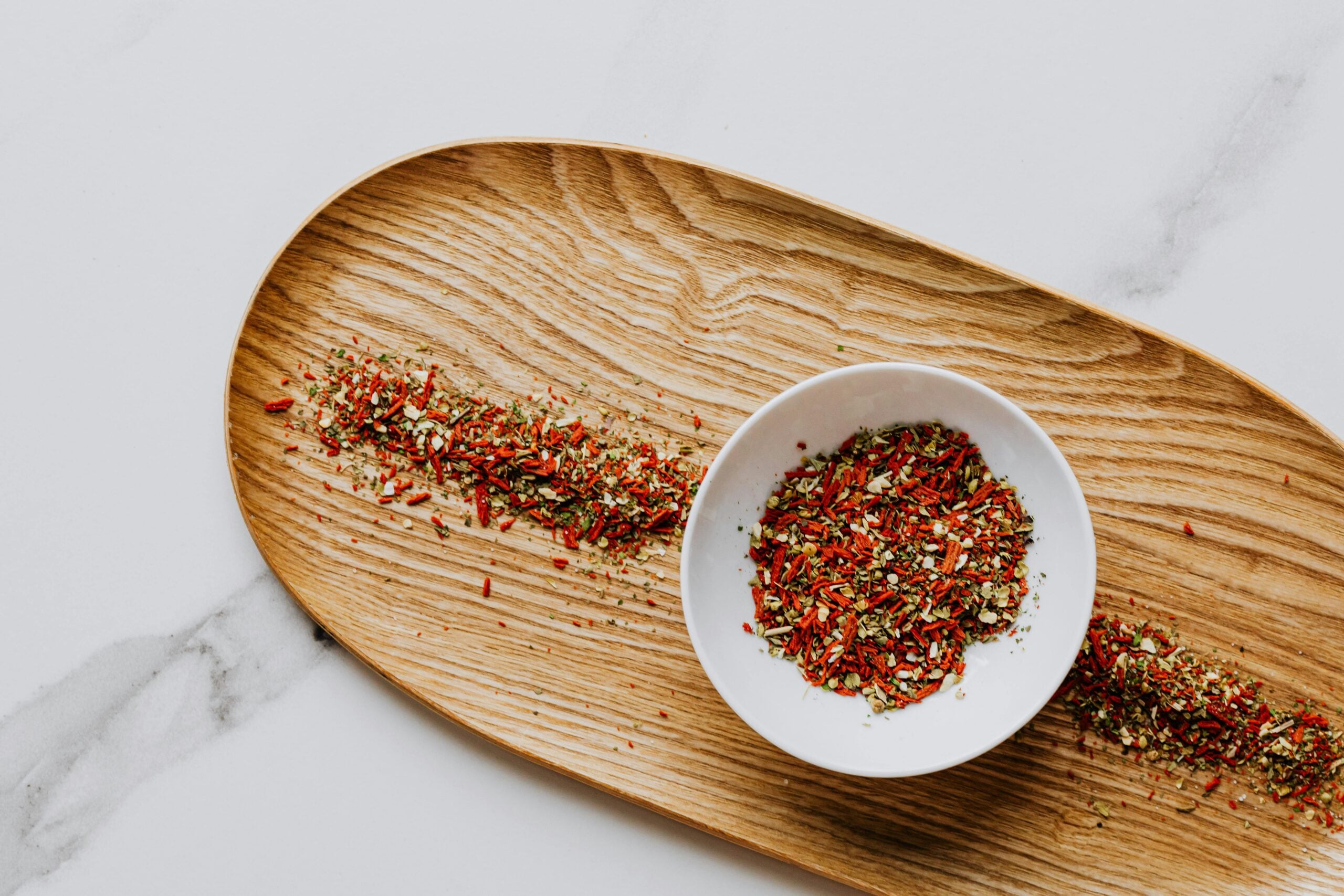
Taco seasoning, ranch packets, Italian blends-they seem cheap individually, but they add up fast when you use them regularly. Making them at home costs pennies per batch.
You control the salt, skip the fillers, and tailor it to how you actually like things. I keep a few basic blends in labeled jars and refill them when they run low. It's easy, and way more budget-friendly than buying a new packet every time.
Salad dressing
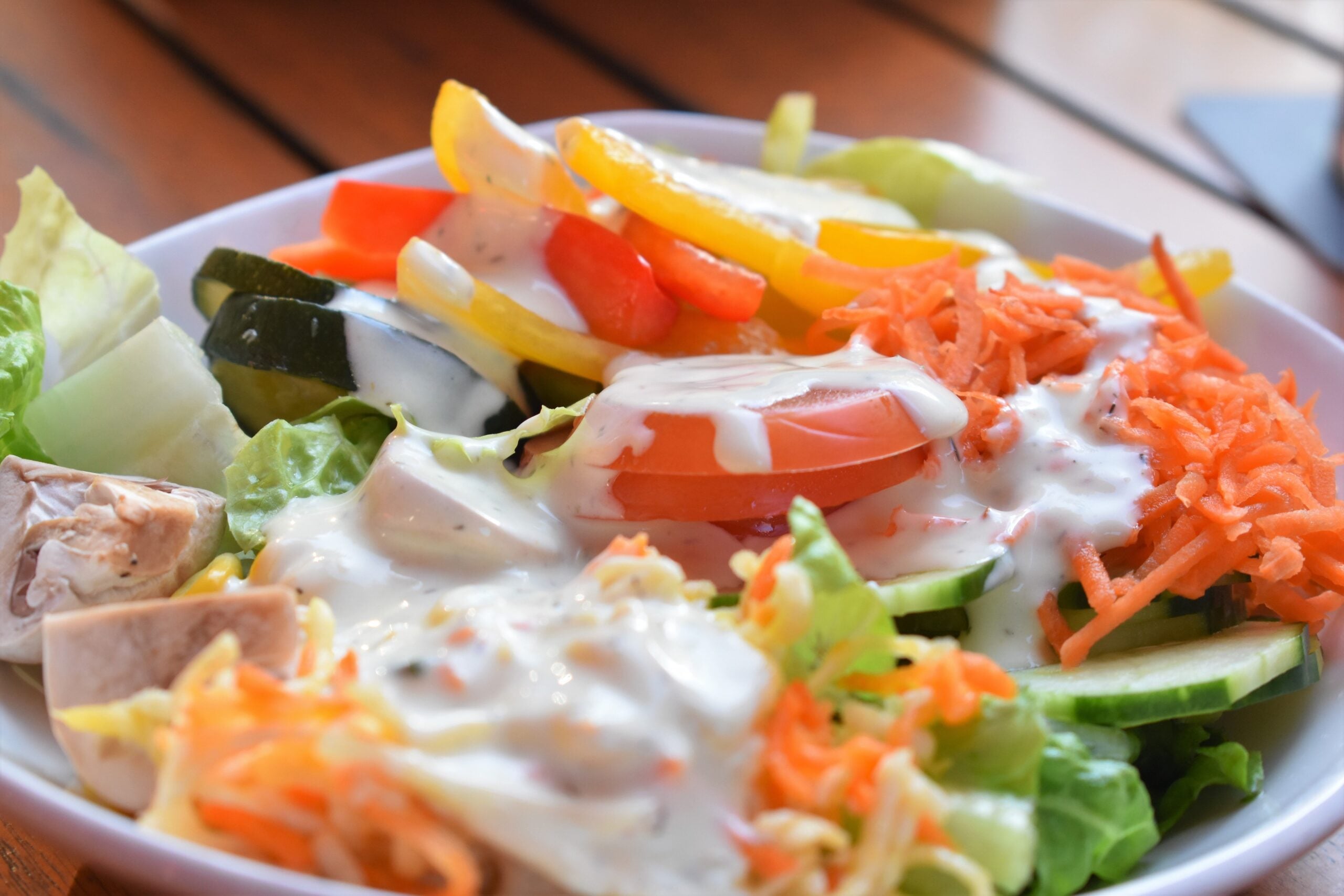
A bottle of ranch or vinaigrette can cost $3 to $5, and it usually sits half-used in the fridge. Once I started mixing my own, I stopped wasting money and food.
Most dressings are oil, vinegar, mustard, honey, or mayo-stuff you already have. A quick shake in a mason jar and it's done. I only make what we'll use that week, so nothing gets funky in the fridge.
Coffee drinks
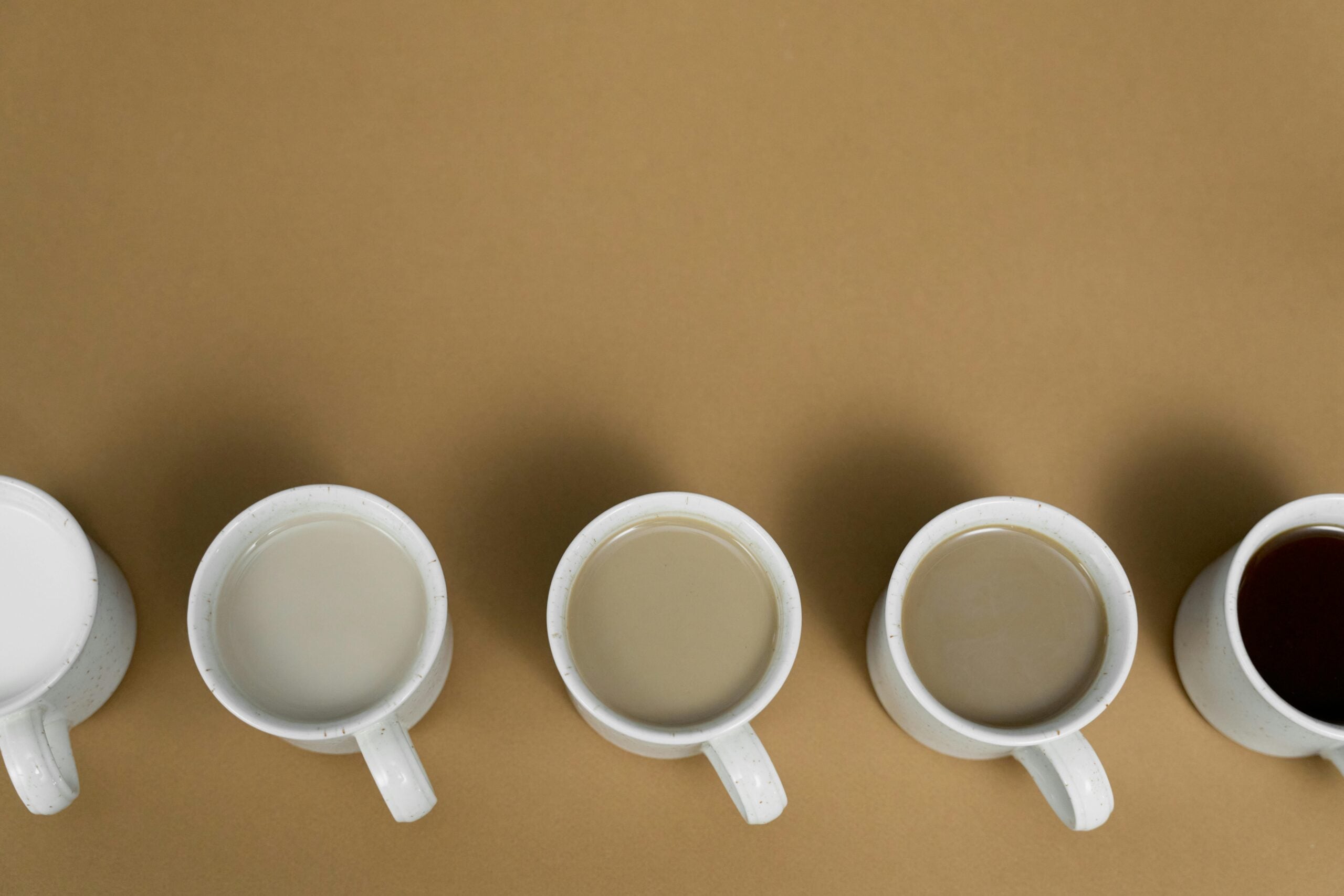
If you're still grabbing lattes or bottled cold brews, hear me out-those are a budget leak. Even grabbing a $3 drink twice a week adds up to over $20 a month.
At home, you can make strong coffee, throw in ice and creamer, and have something way better for a fraction of the price. I'll batch brew iced coffee ahead of time so it's grab-and-go all week.
Frozen waffles
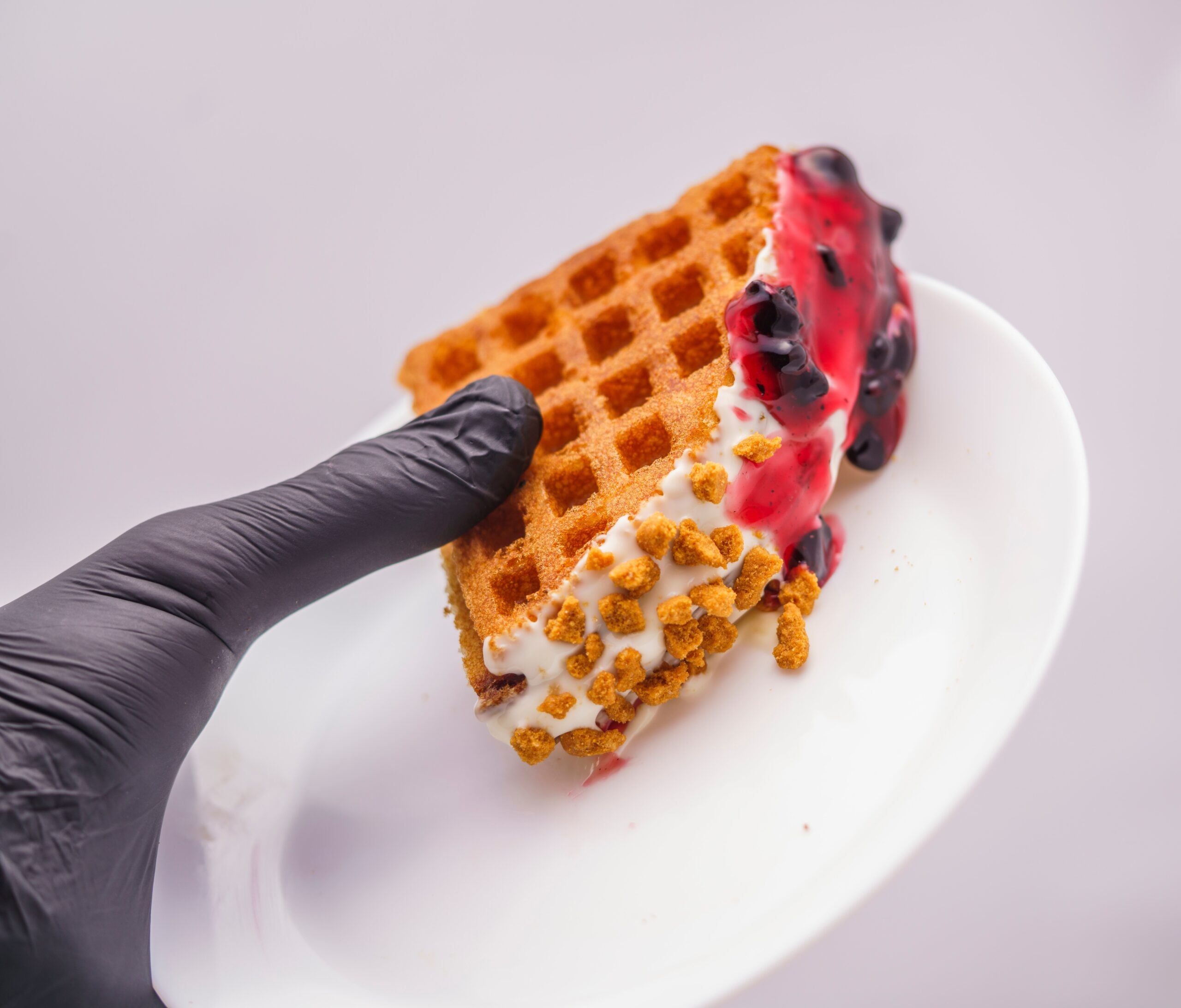
They're easy, sure-but homemade waffles freeze and reheat just as well, and the cost difference is wild. One batch of homemade waffles makes 6-8 servings for the price of one store box.
I'll make a double batch on the weekend and freeze what we don't eat. They pop right in the toaster on busy mornings. No preservatives, no artificial flavors, and way less per serving.
Protein bites

Those little snack balls they sell at health stores or trendy groceries are ridiculously overpriced. You're paying for convenience, not ingredients. I make mine with oats, peanut butter, honey, and chocolate chips or chia seeds.
They store well in the fridge and make an easy snack for me or the kids. You can batch them in five minutes and skip the $5-per-container price tag at the store.
Garlic bread
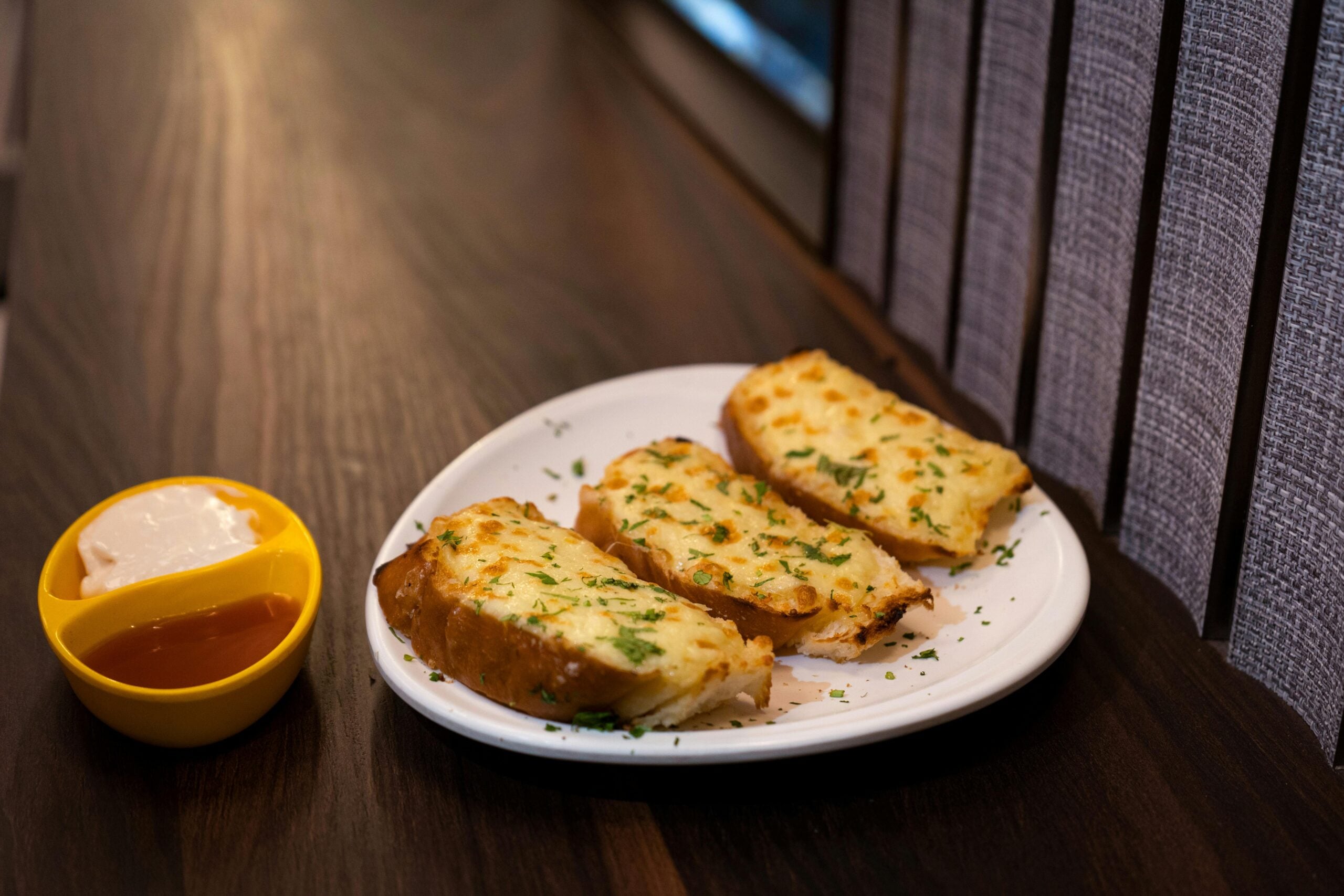
Buying the pre-made garlic bread in foil at the store seems like a no-brainer, but it's overpriced for what it is. A loaf of French bread, some butter, garlic powder, and parsley go a long way.
You can make a whole tray for under $2 and freeze extra portions for another night. It tastes fresher and you're not paying triple for someone to spread butter on it for you.
Granola
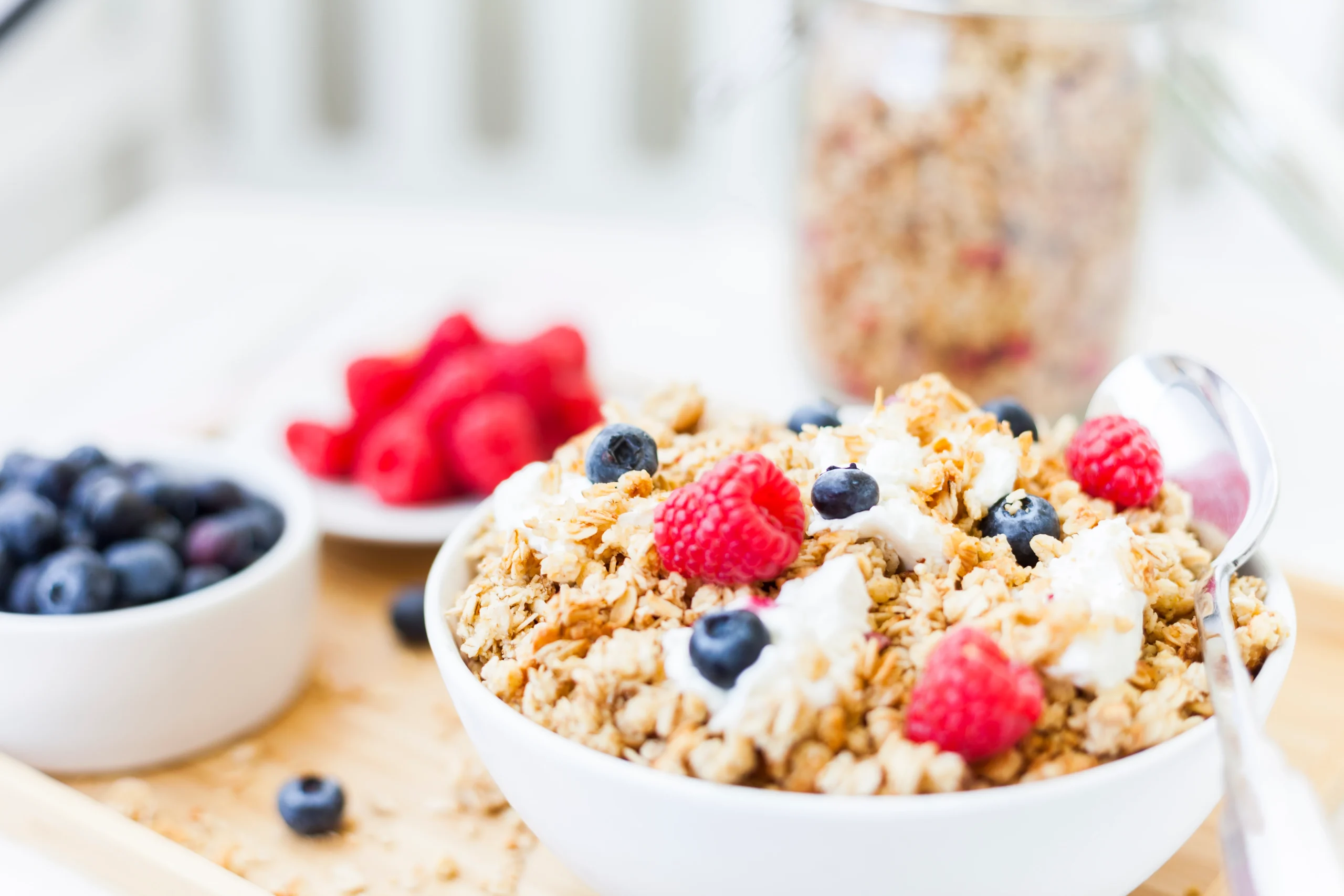
Those little bags of granola cost a fortune, especially if you're using it daily with yogurt or as cereal. I started making my own with oats, honey, cinnamon, and coconut oil-and it lasts way longer.
You can add in whatever you like-nuts, raisins, chocolate chips-and it's still cheaper than most store brands. Plus, you're not dealing with the sugar bomb some packaged granolas turn into.
Soup
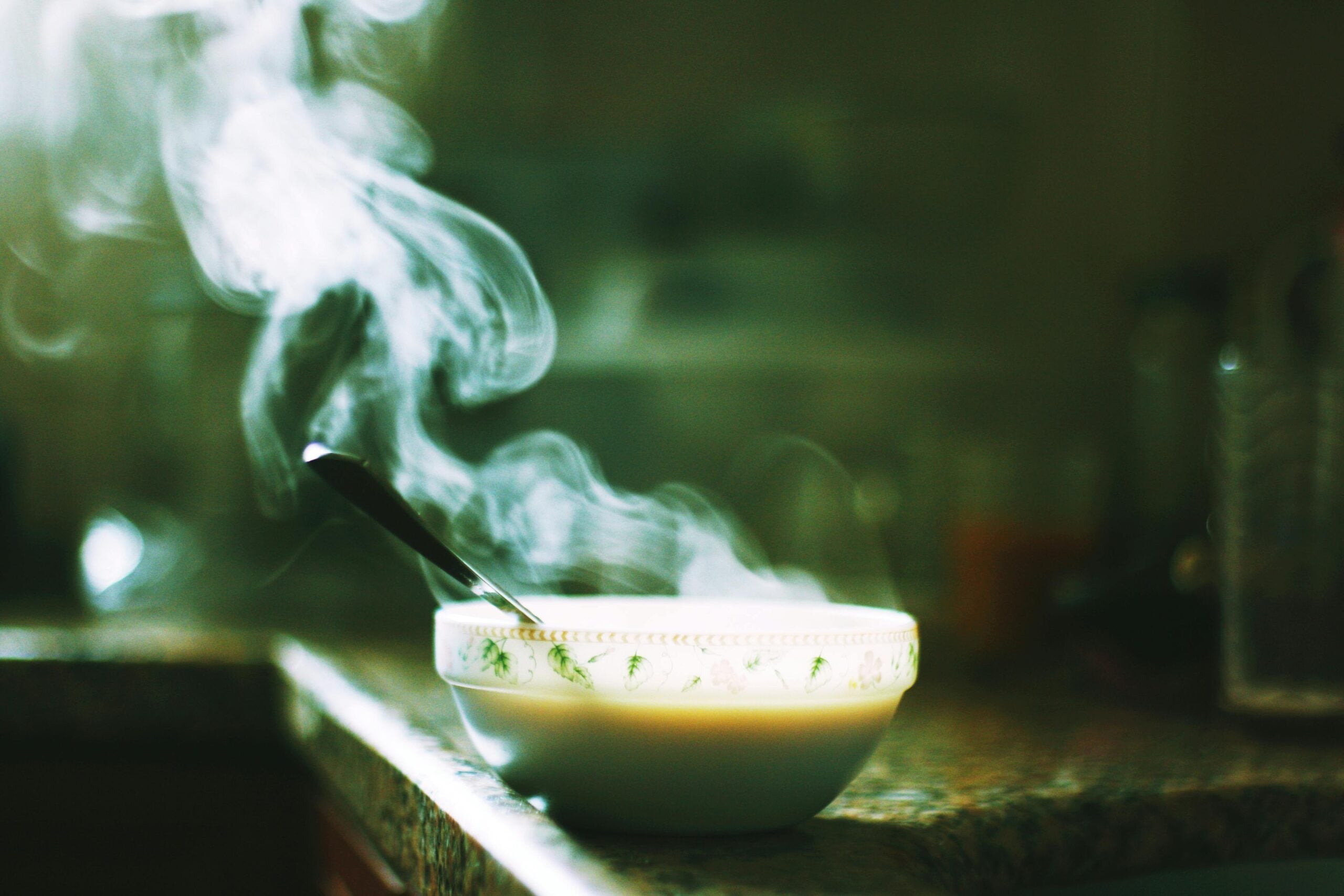
Canned soup is fine in a pinch, but it's usually full of sodium and doesn't go far. A homemade pot of soup stretches way further and costs about the same as two cans.
I make a big batch of something like chicken and rice or vegetable and freeze half. It feeds us for multiple meals and costs about $6 total. That habit alone cut down on emergency lunches and extra grocery runs.
Pizza
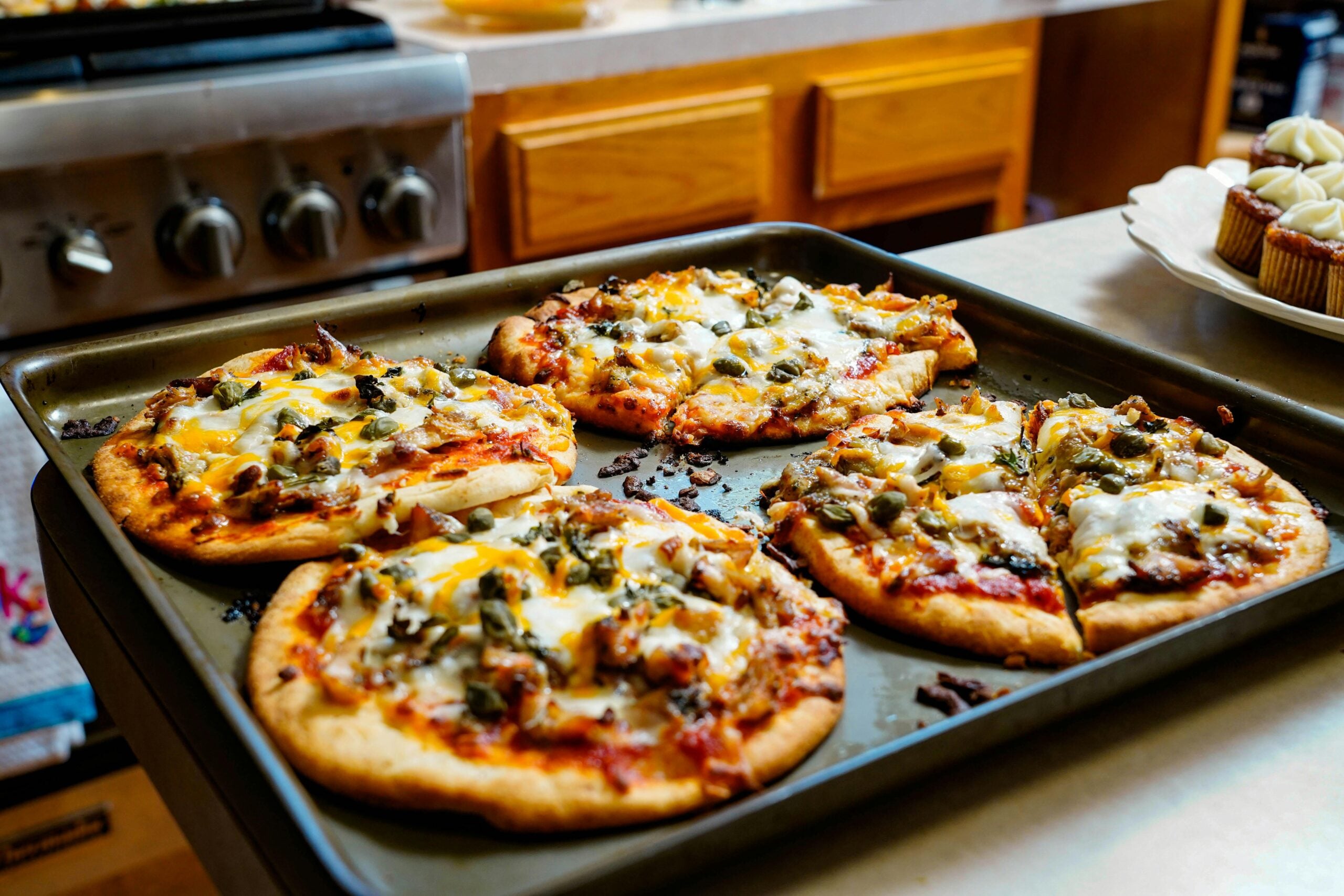
A frozen pizza costs $5-7 and rarely feeds the whole family. Making pizza at home takes maybe 20 minutes and tastes way better. I use store-bought dough or make my own if I'm feeling it.
Toppings are flexible-use what you have-and even with cheese and sauce, it still costs less. Homemade pizza nights are cheaper, more filling, and way easier to scale up when you've got a crowd.
*This article was developed with AI-powered tools and has been carefully reviewed by our editors.






Leave a Reply