
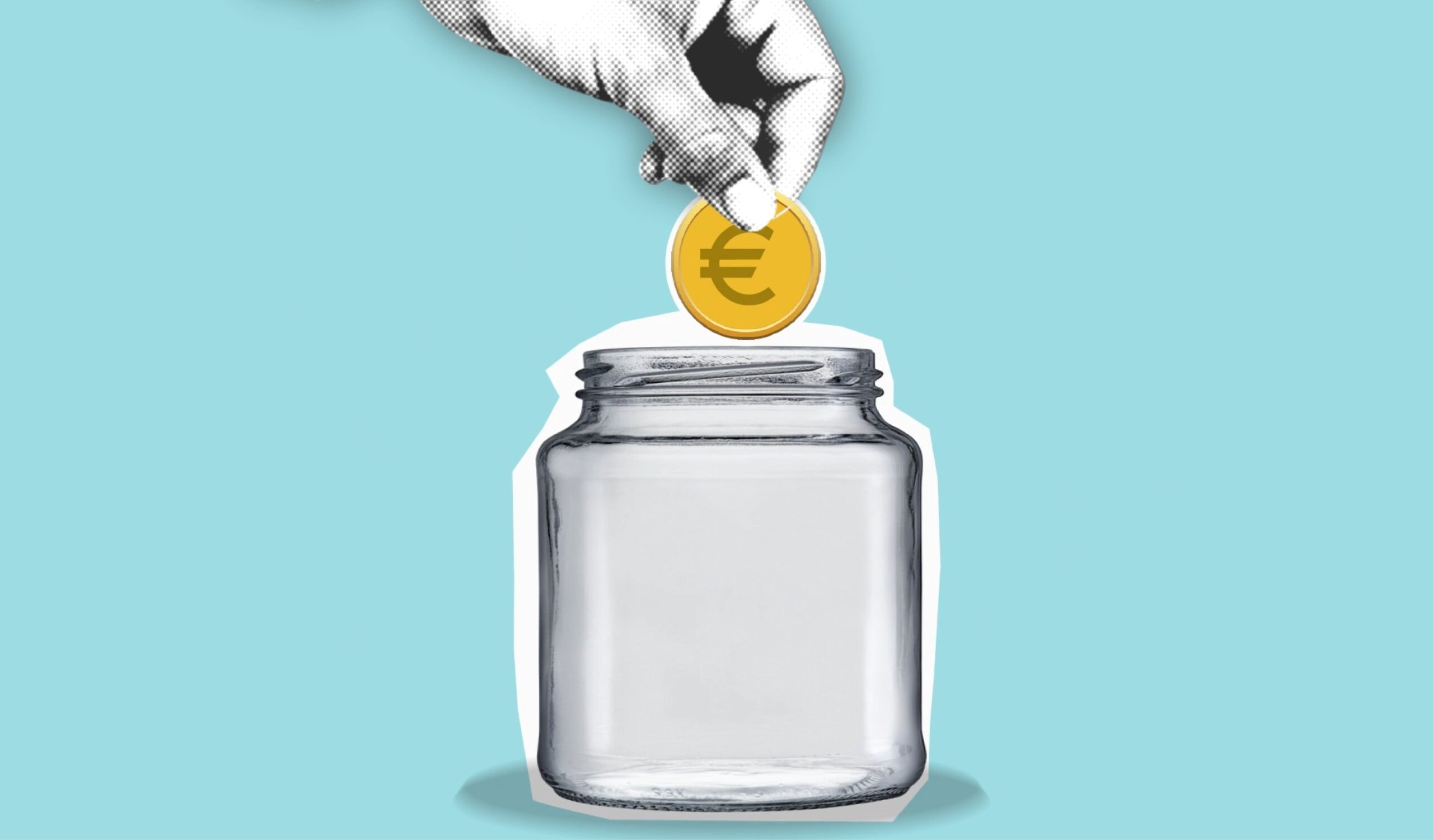
There was a time when I thought the only way to save more money was to earn more. While increasing your income can certainly help, I eventually realized that my spending habits played an even bigger role in my finances. Small purchases added up quickly, and I often spent money without giving much thought to where it was going.
Instead of trying an extreme budget or giving up everything I enjoyed, I focused on making small, sustainable changes. None of these habits felt difficult on their own, but together they helped me save more than $500 a month. Even better, they’ve become second nature, so I no longer feel like I’m constantly restricting myself. If you’re looking for realistic ways to stretch your paycheck, here are the habits that made the biggest impact for me.
Automated Savings First
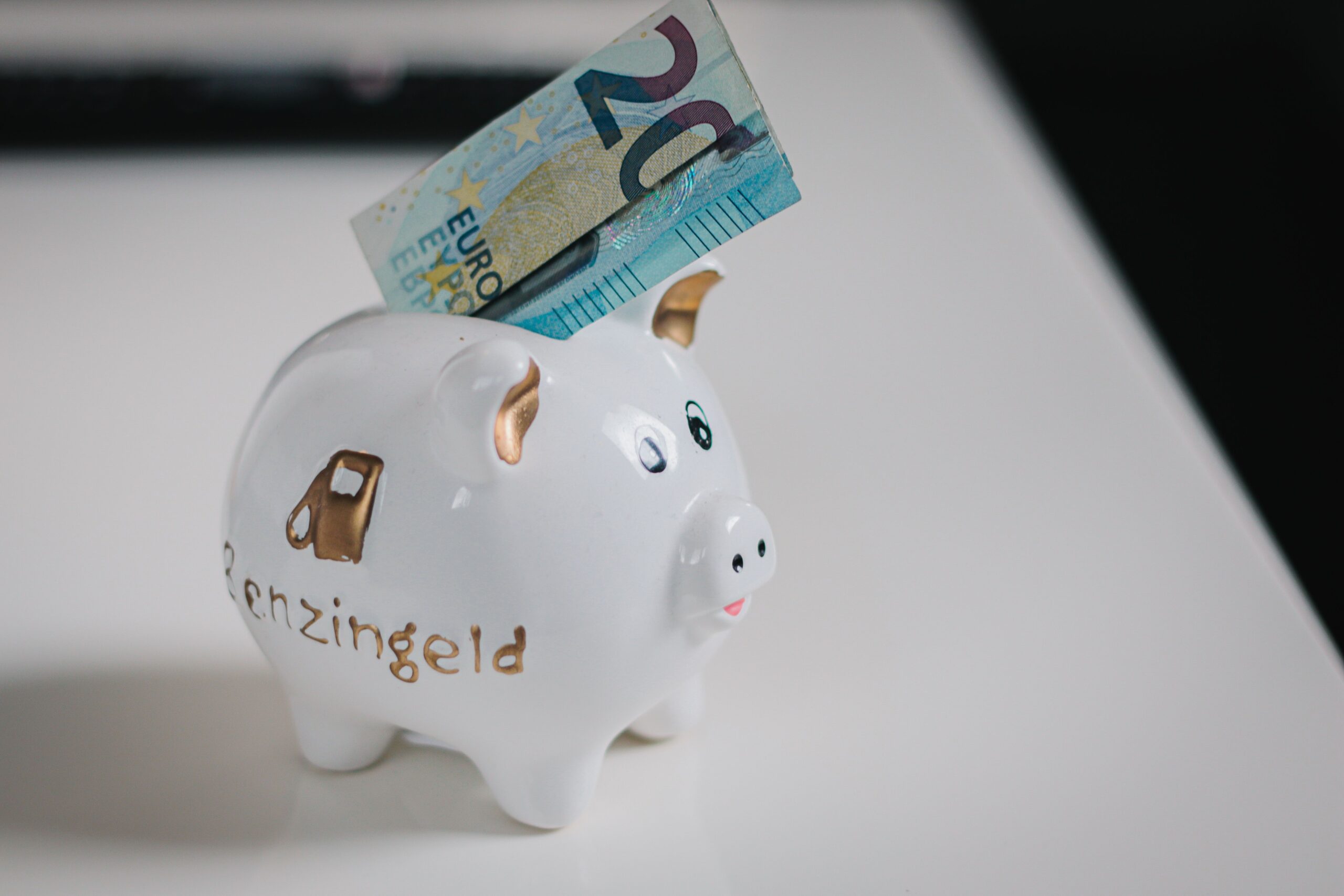
For years, I waited until the end of the month to see if there was anything left to save. Most months, there wasn’t. Everything changed when I started treating savings like any other monthly bill. As soon as I got paid, I automatically transferred a set amount into a separate savings account before paying for anything else.
Because the money was moved immediately, I adjusted my spending around what remained. It wasn’t about saving huge amounts at first-even setting aside a small percentage consistently helped my savings grow much faster than saving whatever was left over.
Wait 24 Hours Before Buying Non-Essentials

I used to check my shopping cart online every now and then. It’s so easy to do so, considering it’s a finger swipe away! But I learned that the urge to keep buying non-essentials would only leave me with unnecessary balloon of expenses.
This simple habit helped me spot recurring unnecessary fees, and spending patterns I hadn’t noticed before. Sometimes I’d realize I had ordered things I only use once or twice and left on the shelf after!
Cancel Forgotten Subscriptions
Most people do not realize how much money they lose into app subscriptions they barely even get most out of.
Now I create a list of the apps we use and what we don’t and weigh in every month if we should continue our subscription. That way, we don’t have to pay “ghost subscriptions” that can drain our savings.
Start Tracking Every Dollar
I used to check my bank account only to make sure I had enough money. Now I spend about ten minutes each week looking over every transaction.
This simple habit helped me spot recurring subscriptions I forgot about, duplicate charges, unnecessary fees, and spending patterns I hadn’t noticed before. Sometimes I’d realize I had grabbed coffee three or four times that week or ordered takeout more often than I intended. Seeing those purchases in one place made it easier to adjust my habits without feeling guilty.
Eat More Meals at Home
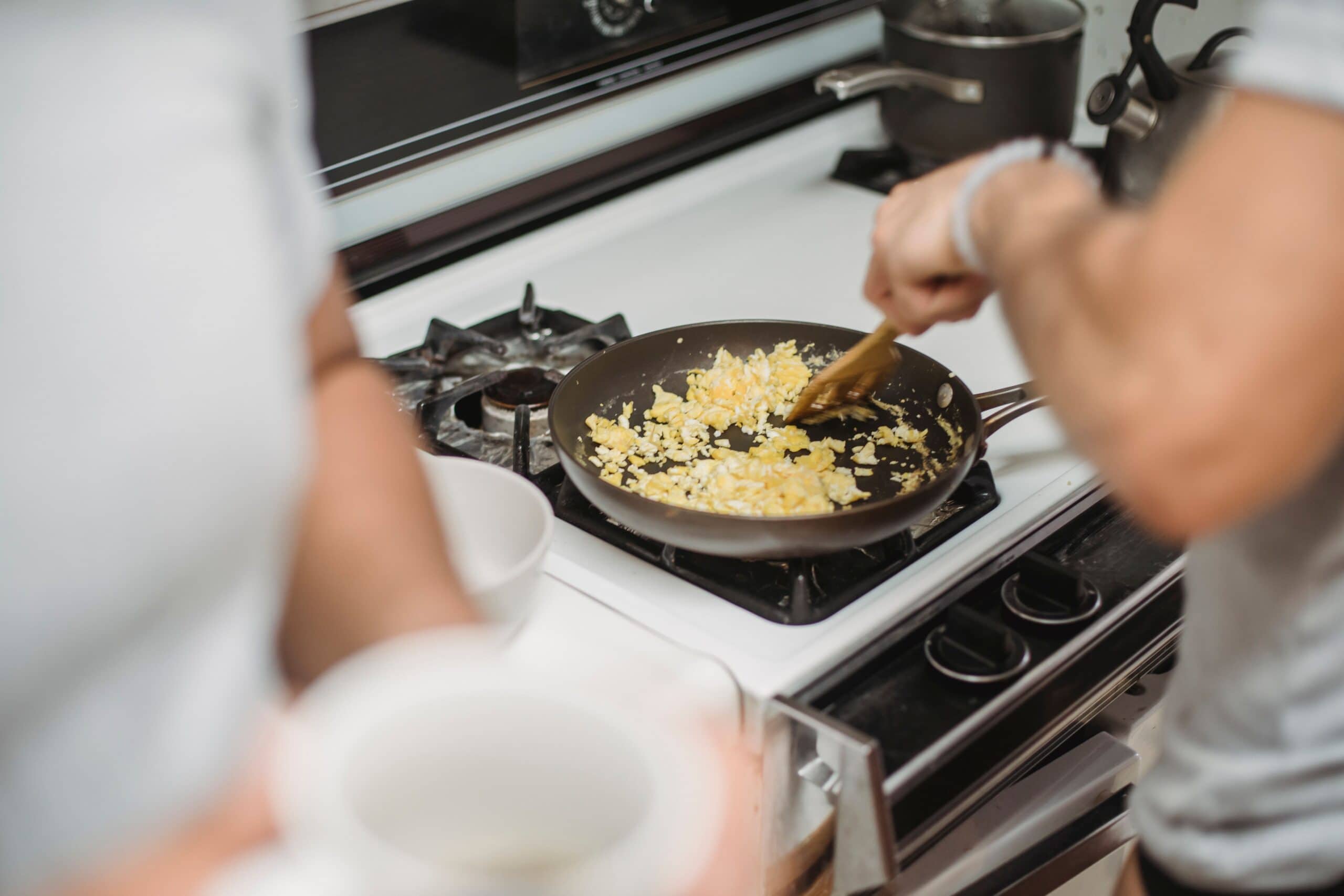
Fast foods definitely have their place, especially during busy weeks. But I realized I was paying quite a bit more for items that only saved me a few minutes and are not even healthy!
Now I still buy them occasionally, but most weeks I prepare our own food myself. The savings are noticeable, especially over time. Having a healthier way of living is always a plus!
Not Everything Needs A New Model

It’s easy to replace electronics, furniture, or kitchen gadgets simply because something newer comes along. I started asking myself one simple question: “Is there anything actually wrong with what I already have?”
Most of the time, the answer was no. Waiting another year before replacing phones, laptops, small appliances, or household items saved hundreds of dollars without affecting my daily life.
Pay Bills on Time

Unexpected expenses aren’t actually unexpected-they’re inevitable. Car maintenance, birthday gifts, school fees, home repairs, and medical copays always seem to appear eventually.
Instead of letting these expenses derail my budget, I set aside a money each month to ensure I pay them on time. I save more by not paying late fees!
*This article was developed with AI-powered tools and has been carefully reviewed by our editors.






Leave a Reply