
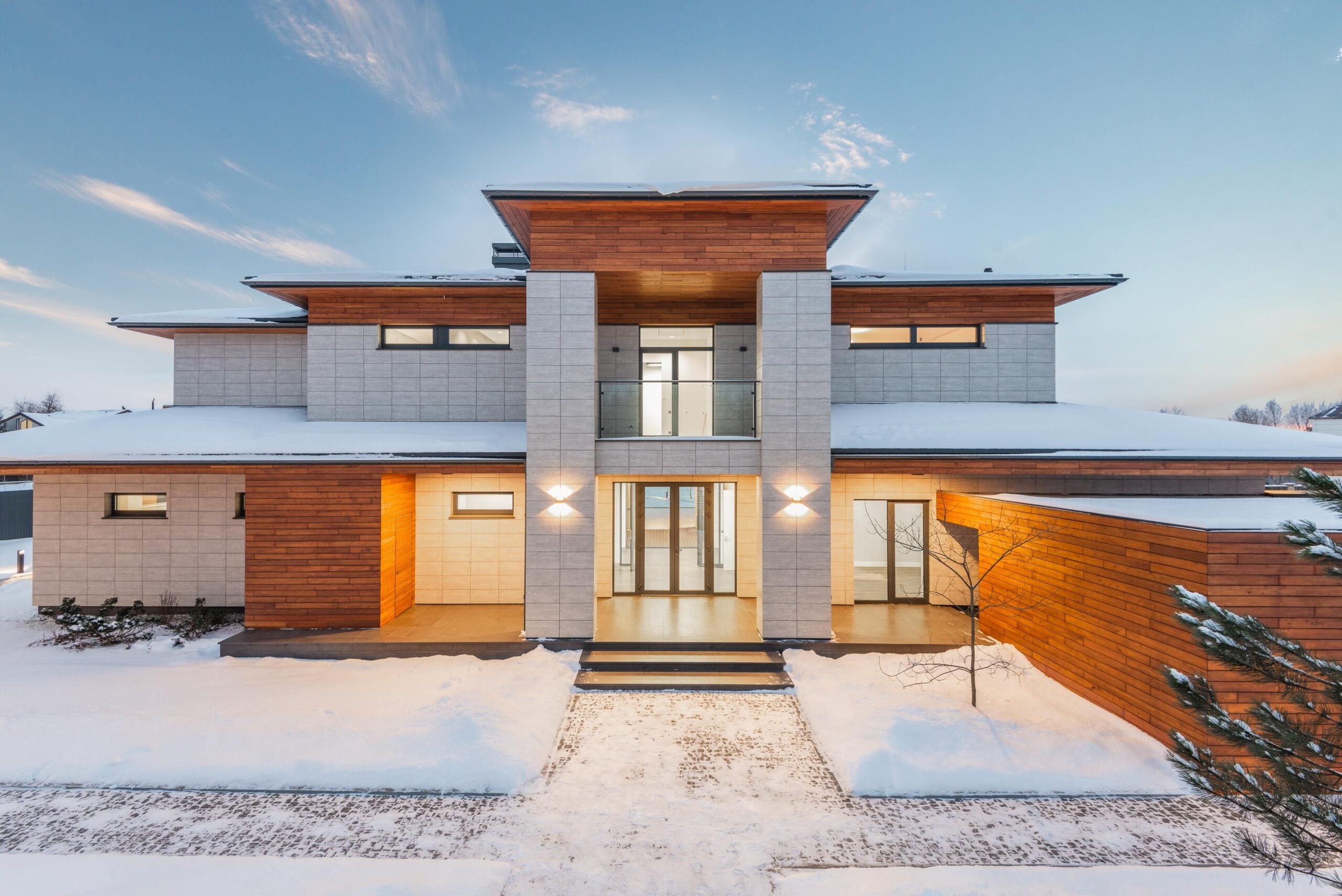
When winter arrives, heating your home can become one of the biggest household expenses. Even if you try to be careful with your spending, colder temperatures and longer nights can lead to higher heating and electricity bills. The good news is that you don’t necessarily need expensive upgrades to reduce your energy use. A few practical changes around the house can help you stay comfortable while making better use of the energy you’re paying for! You really can lower your winter energy bills without making your home uncomfortably cold!
Adjust Your Thermostat Strategically
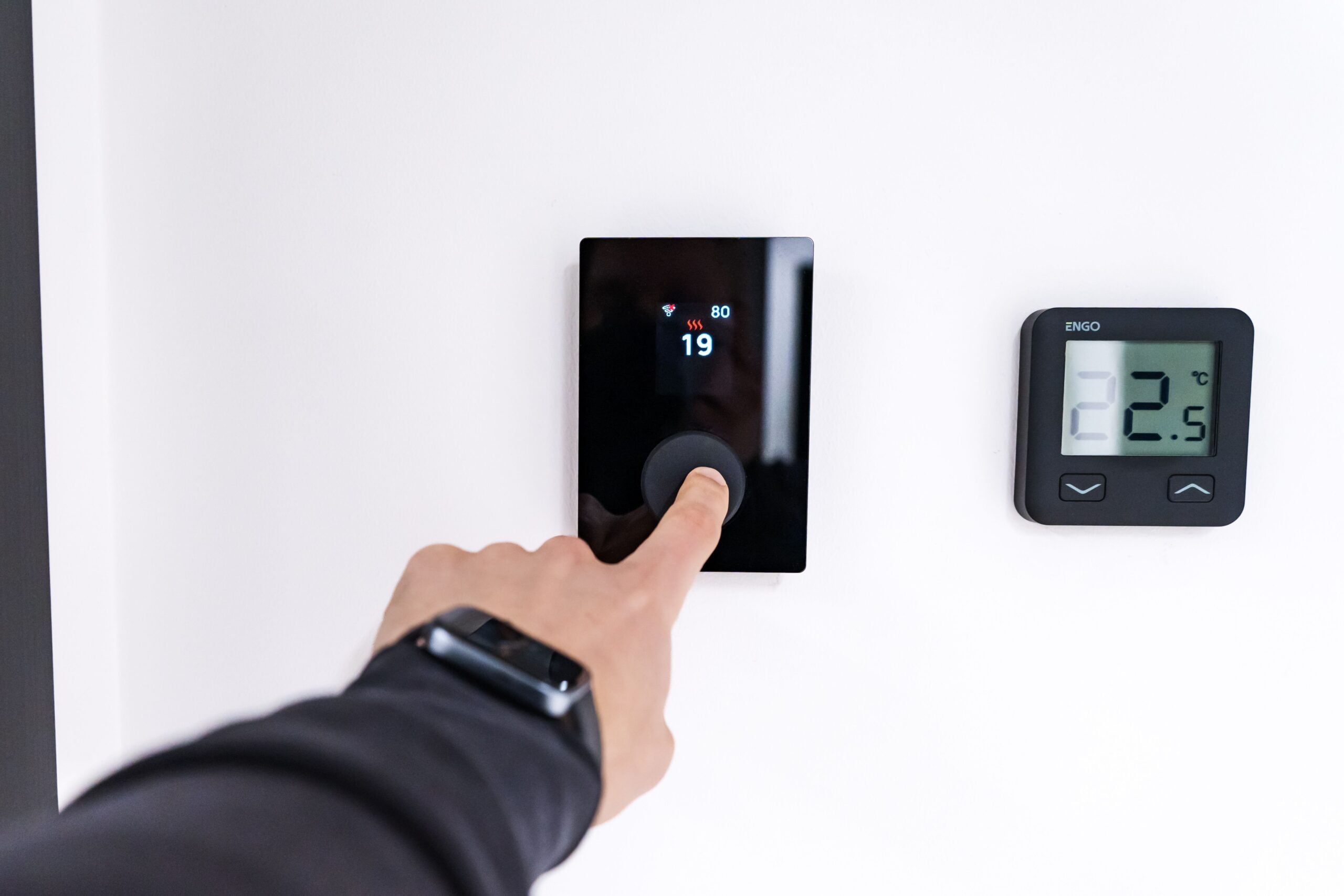
Heating an empty home or keeping every room warmer than necessary can increase your energy costs. Adjusting your thermostat to match your daily routine may help reduce unnecessary heating. If you have a programmable or smart thermostat, consider setting it to lower the temperature while you’re asleep or away from home. When you’re home and awake, choose a comfortable setting that works for your household, rather than automatically turning up the heat whenever you feel chilly.
Avoid making drastic temperature changes just to save money, especially if anyone in your household is vulnerable to cold. The goal is to reduce wasted energy while keeping everyone safe and comfortable.
Seal Drafts Around Doors and Windows
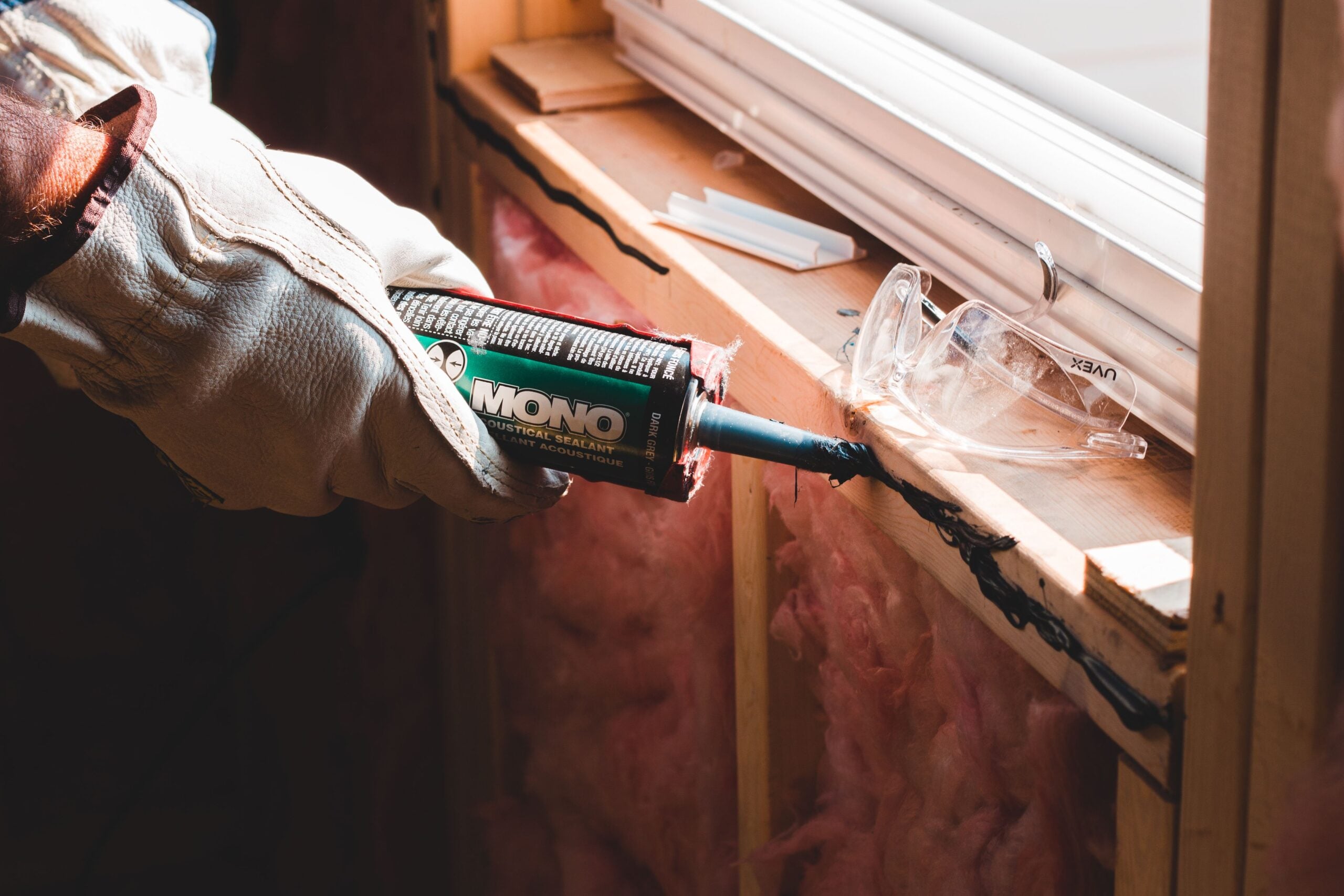
Small gaps around doors and windows can allow warm air to escape and cold air to enter. Your heating system may then need to work harder to maintain a comfortable indoor temperature. Check for noticeable drafts around window frames, exterior doors, and other openings. Replacing worn weatherstripping, adding a door sweep, or sealing suitable gaps with caulk can help reduce unwanted air movement. You can also use curtains to help limit heat loss through windows, especially at night. Open them during sunny periods when it makes sense, then close them after sunset to help retain warmth!
Maintain Your Heating System
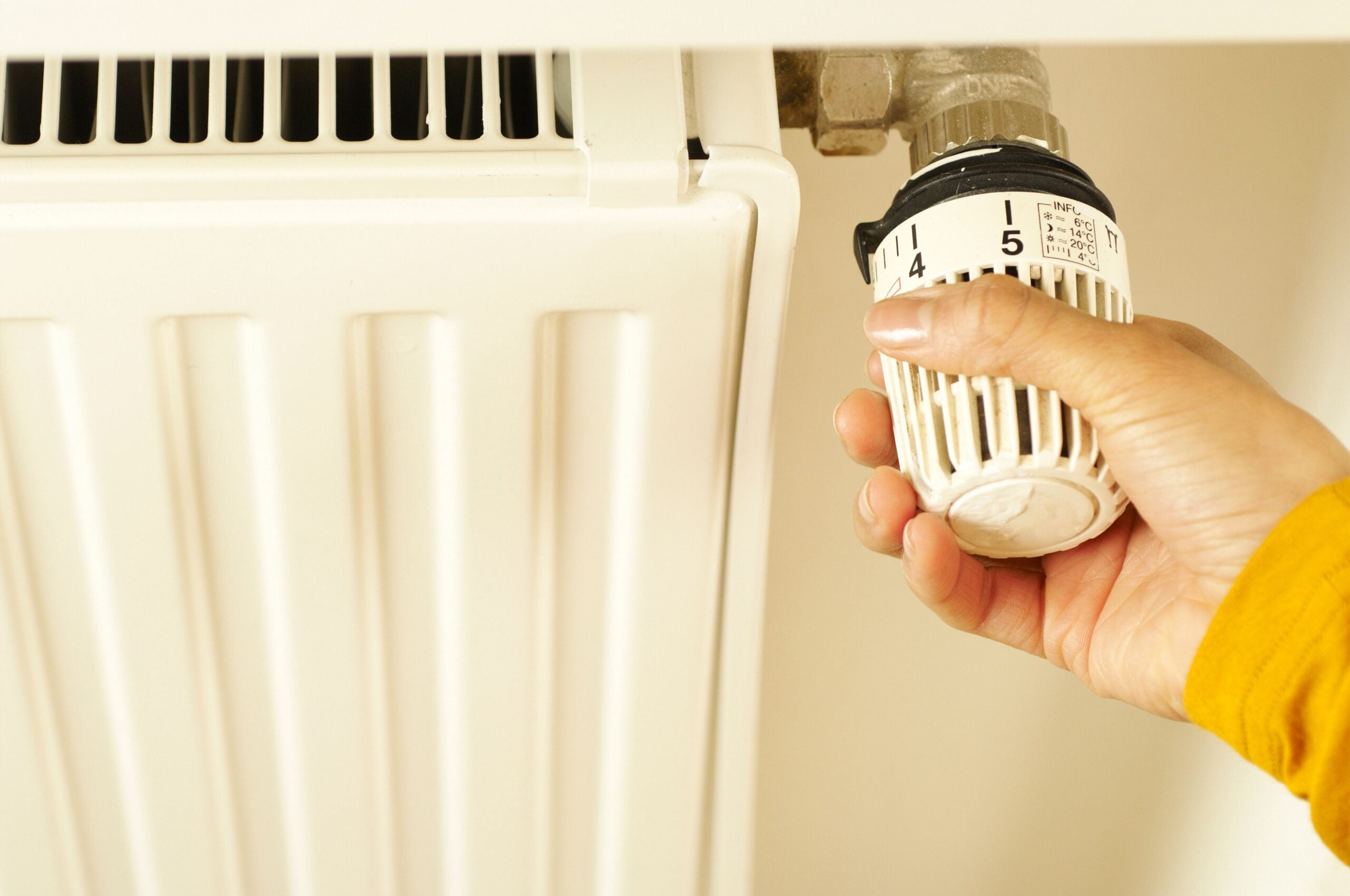
A heating system that isn’t properly maintained may use energy less efficiently or struggle to keep your home comfortable. Check your system’s maintenance recommendations and replace or clean filters as directed. Keep vents and registers clear of furniture, rugs, and other obstructions so heated air can circulate properly. If your furnace, boiler, or heat pump hasn’t been inspected in a while, consider scheduling professional maintenance. Regular servicing can help identify potential problems before they turn into costly breakdowns during the coldest part of the season.
Use Less Energy to Heat Water
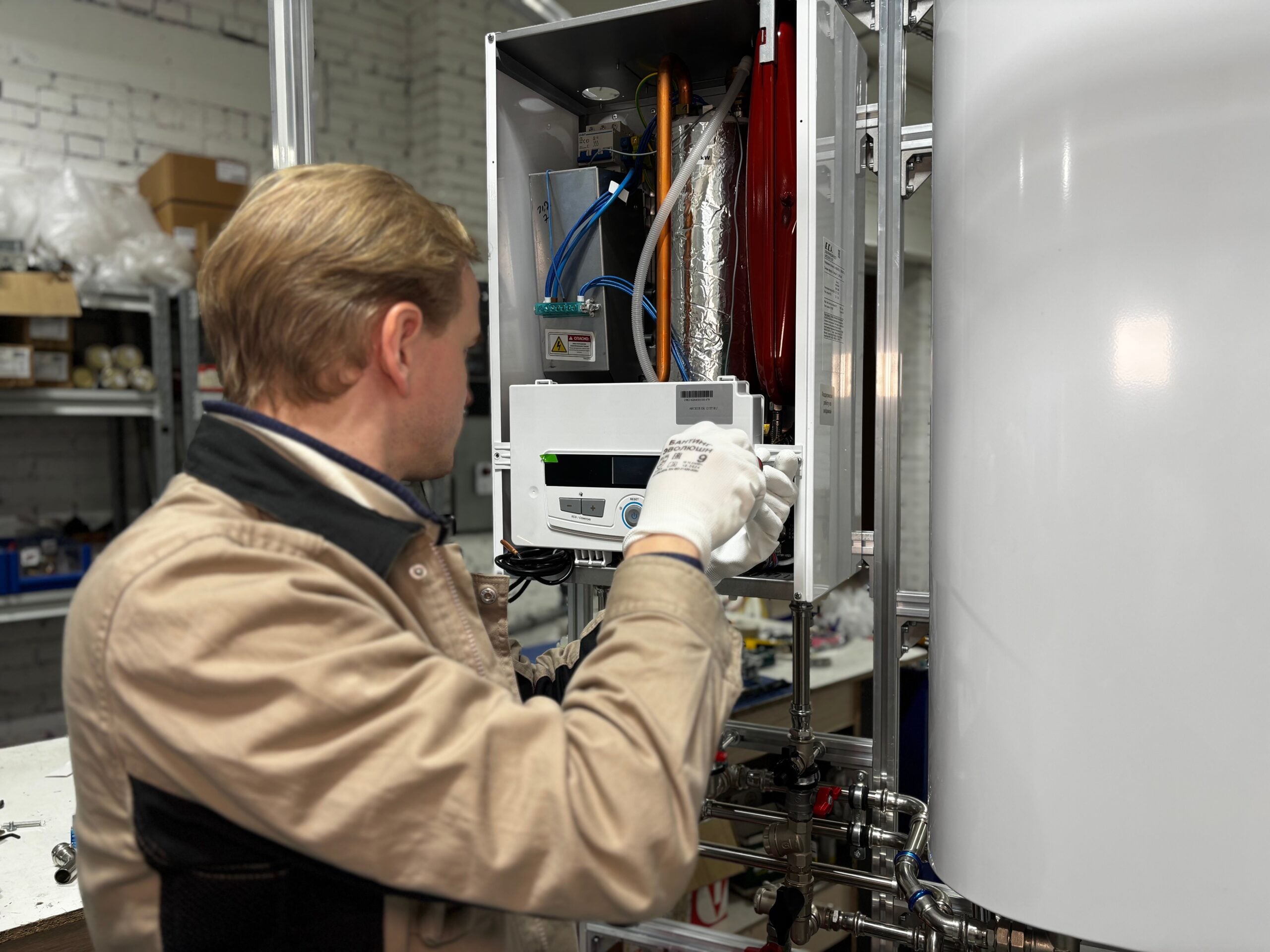
Heating water can contribute to your utility bills year-round, including in winter. Long hot showers, frequent laundry loads, and unnecessarily high water-heater settings can increase energy use. Consider taking slightly shorter showers, washing suitable loads of laundry in cold water, and running your dishwasher only when it’s reasonably full. These small habits can reduce energy and water use without requiring a major change to your routine.
If you have a storage water heater, check the manufacturer’s guidance before adjusting its temperature. Keep the setting high enough to meet household hygiene and safety requirements, and avoid changes that could create a risk of scalding or bacterial growth.
Take Advantage of Free Heat and Reduce Unnecessary Use

During sunny winter days, sunlight can provide some natural warmth. Opening curtains on sun-facing windows may help warm certain rooms, while closing them after dark can help reduce heat loss. You can also focus heating where it’s needed rather than trying to keep unused spaces as warm as occupied rooms, provided doing so won’t create a risk of frozen pipes or other damage. Turn off unnecessary lights and electronics, and use energy-efficient lighting where practical. Small changes may not produce dramatic savings on their own, but combining several habits can make your home’s energy use more manageable over the season.
*This article was developed with AI-powered tools and has been carefully reviewed by our editors.






Leave a Reply