

When I first heard the word frugal, I pictured clipping coupons, never eating out, and saying no to everything fun. It sounded more like deprivation than smart money management. But over the years, I learned that being frugal isn’t about spending as little as possible-it’s about spending intentionally.
Some of the habits I’ve adopted are incredibly simple, yet they’ve saved me hundreds, if not thousands, of dollars over time. If you’re looking for realistic ways to make your money go further, here are eight frugal habits that have made the biggest difference for me.
Started Waiting Before Making Non-Essential Purchases
Impulse buying used to be one of my biggest financial weaknesses. If I found something I liked online or in a store, I’d convince myself I needed it immediately. Now I follow a simple waiting rule. For smaller purchases, I wait at least 24 hours. For more expensive items, I wait a week or longer.
Learned to Be Happy With “Good Enough”

I used to believe I needed the newest phone, the highest-rated kitchen gadget, or the premium version of everything. Eventually, I realized that “good enough” often meets my needs just as well. Choosing a mid-range appliance instead of the most expensive model or buying a reliable used item instead of something brand new has helped me save hundreds of dollars without sacrificing quality or convenience.
Using What I Already Had

It’s surprisingly easy to forget what’s already sitting in your home. Before buying office supplies, cleaning products, toiletries, or pantry staples, I now take a few minutes to check my cabinets and closets. I’ve found unopened notebooks, extra shampoo, batteries, candles, and even gift bags I forgot I owned. Shopping in my own home first has helped me avoid countless unnecessary purchases.
Stopped Trying to Keep Up With Everyone Else

Social media makes it easy to feel like everyone is constantly traveling, remodeling their homes, or buying something new. Once I stopped comparing my lifestyle to what I saw online, I found it much easier to stick to my own financial goals. I’d rather have peace of mind and a growing savings account than feel pressured to spend money just to keep up appearances.
Taking Better Care of the Things I Own
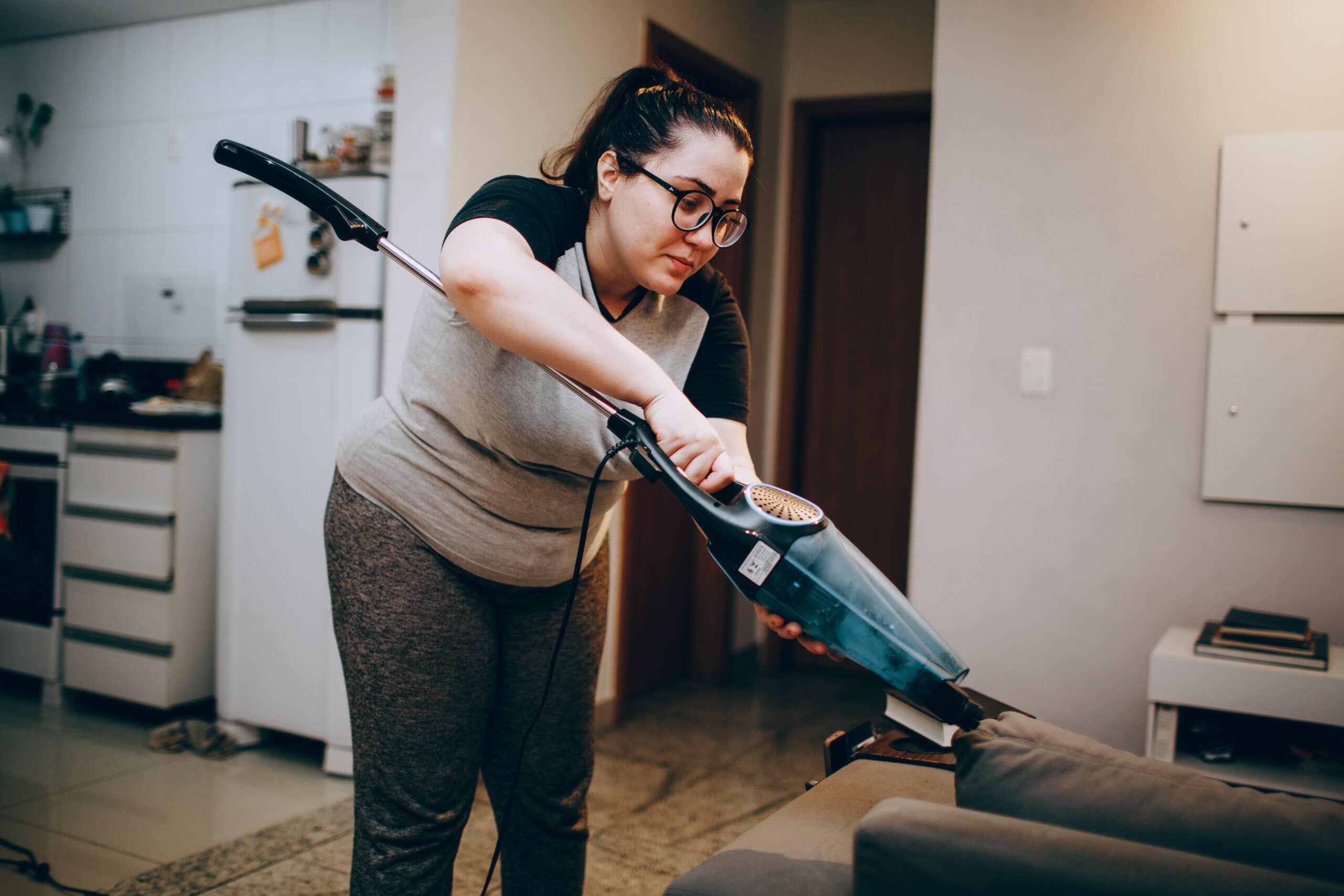
Replacing things is expensive. Simple habits like cleaning my appliances, storing seasonal items properly, mending small tears in clothing, and following care instructions have helped many of my belongings last much longer. Taking care of what I already own means I don’t have to replace it nearly as often.
Borrowing Instead of Buying
Not everything needs to be purchased. Books, tools, party decorations, camping gear, and specialty kitchen equipment are all things I’ve borrowed from friends, family, or my local library instead of buying outright. Many of these items are used only once or twice, so borrowing makes much more financial sense.
Saving Consistently Instead of Saving Perfectly

There were times when I thought saving money wasn’t worth it unless I could set aside a large amount. Now I know that consistency matters far more than the size of each deposit. Even small weekly or monthly contributions have added up over time, helping me build financial security without feeling overwhelmed.
Celebrated Financial Progress

Saving money can sometimes feel like a never-ending journey. I’ve found that celebrating milestones-whether it’s paying off a credit card, reaching a savings goal, or completing a no-spend month-helps me stay motivated. Recognizing progress reminds me that every smart financial decision is moving me closer to my long-term goals.
*This article was developed with AI-powered tools and has been carefully reviewed by our editors.






Leave a Reply