

When you're stressed or overwhelmed, it's easy to think buying something will make you feel better. For a minute, it does-the package arrives, you unbox it, and there's a small burst of excitement. But that feeling fades fast, especially when the thing you bought doesn't fix the real issue.
Some purchases are more emotional than practical, and they tend to leave you with less money and more clutter. If you've ever felt buyer's remorse hit right after checkout, you'll probably recognize a few of these.
Fast fashion hauls
That $150 clothing order feels great when it's on the way-but most of it ends up being low quality or uncomfortable. The thrill of a "new wardrobe" disappears once pieces shrink, fade, or don't fit quite right.
Fast fashion is designed for quick turnover, not long wear. You're better off buying fewer high-quality basics that actually make you feel confident instead of disappointed two washes later.
Trendy home décor
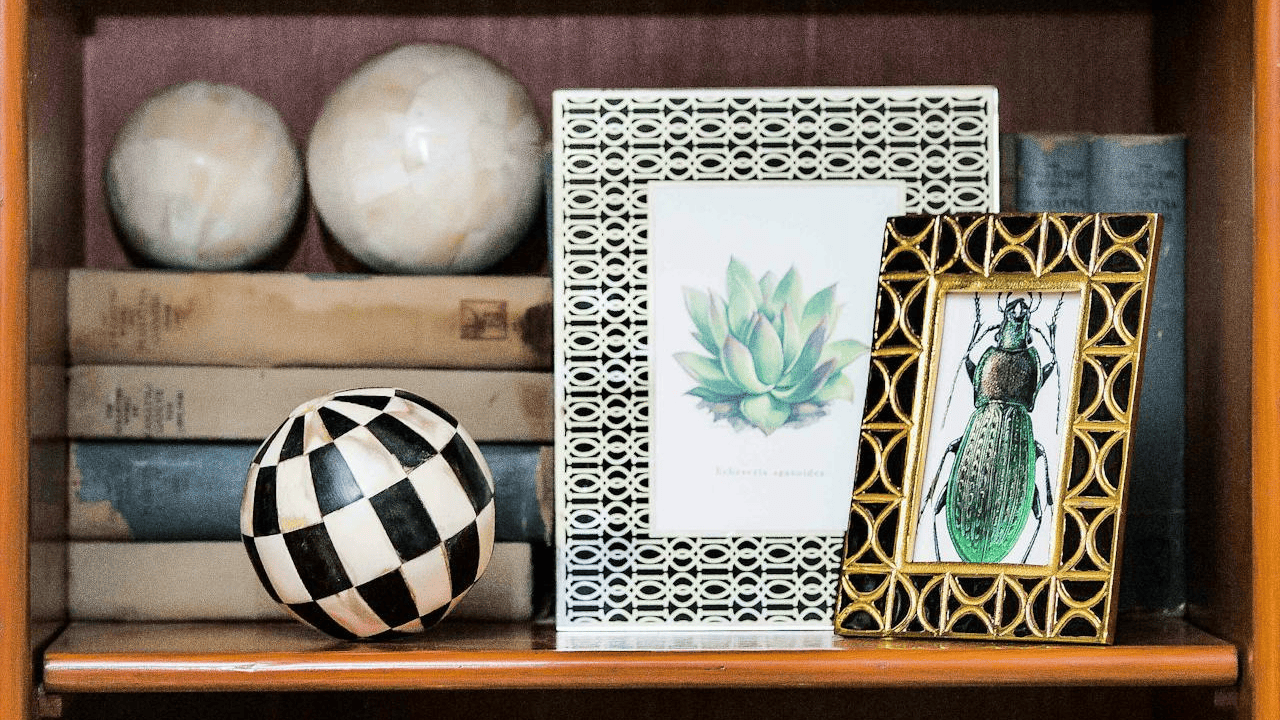
It's tempting to grab the same viral décor everyone's showing off online. But once it's in your house, it often looks out of place or dated within months.
Buying pieces that fit your style long-term saves both money and frustration. Chasing trends can make your home feel cluttered and mismatched, especially when those quick buys don't blend with what you already own.
Subscription boxes

Subscription boxes seem fun until you realize how fast they pile up. The first one feels like a treat, but after a few months, you're drowning in samples and products you don't use.
They're designed to make you keep spending without thinking. Canceling feels like losing something, but keeping them costs way more than they're worth over time.
Expensive skincare sets
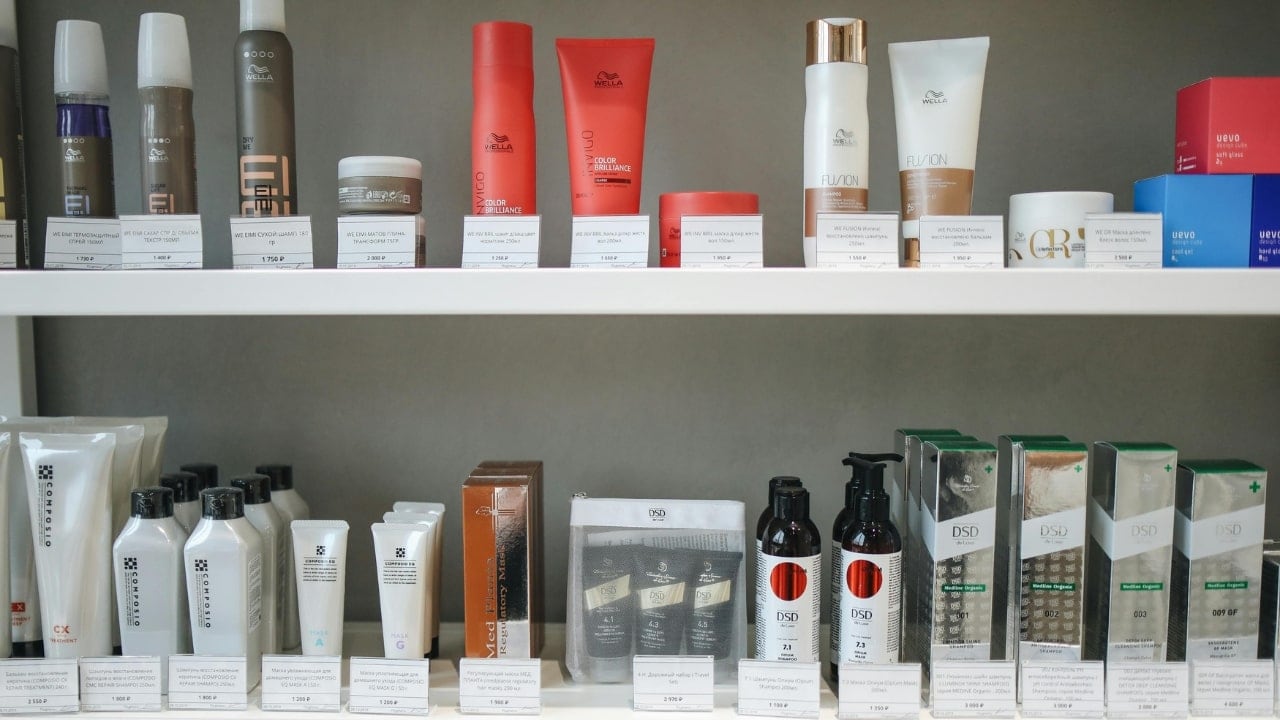
When your skin's acting up, it's easy to believe a high-end skincare kit will fix everything. But most of the time, they're packed with products your skin doesn't need-or that make things worse.
A simple routine with a gentle cleanser, moisturizer, and sunscreen usually works better. You'll save hundreds and avoid the regret of spending big on a routine you drop after a week.
Impulse kitchen gadgets
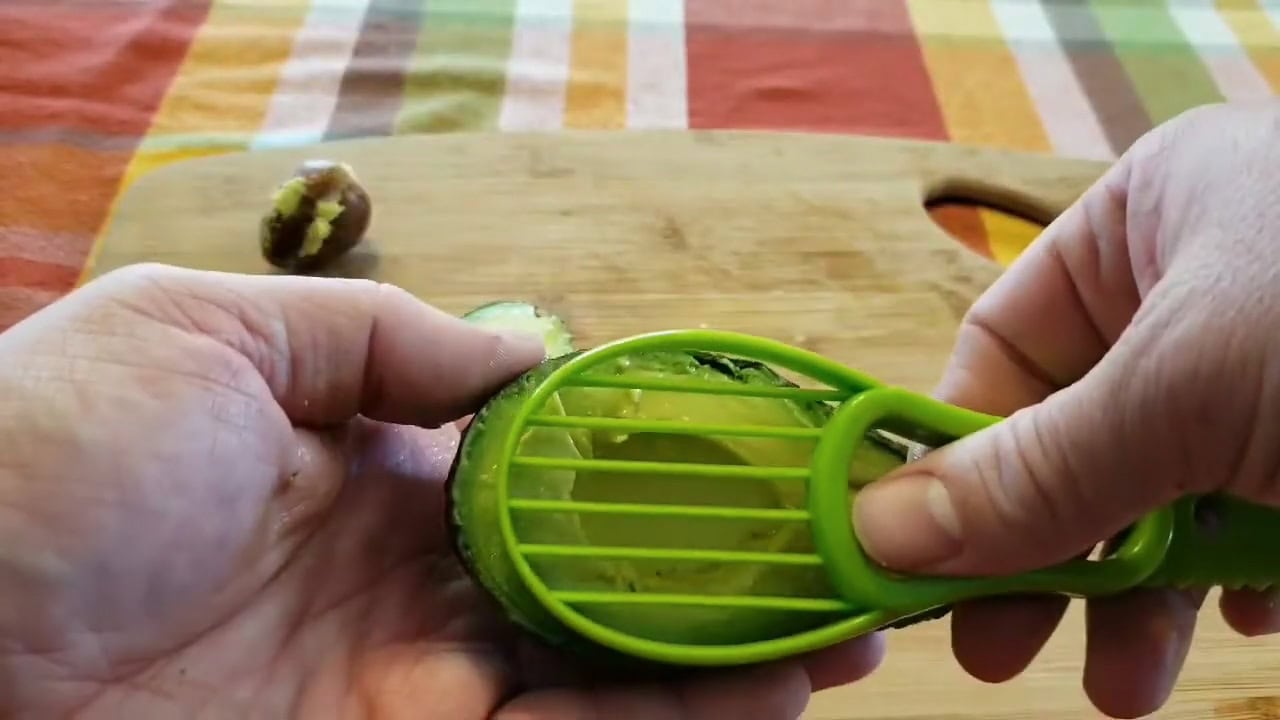
Those "life-changing" gadgets you see on TikTok rarely live up to the promise. They take up space, break easily, or make something you could already do with a regular pan or knife.
If it's not something you'll use weekly, it's probably not worth the money. The excitement fades fast when you realize you've spent $40 on something you'll use once.
Fancy coffee equipment

Buying an espresso machine or milk frother feels like an upgrade, but unless you use it daily, it quickly becomes another expensive countertop decoration.
Most people realize they prefer the convenience of a regular coffee maker or a local café. You end up cleaning it more than you actually enjoy it-and regretting the hit to your budget.
Exercise equipment
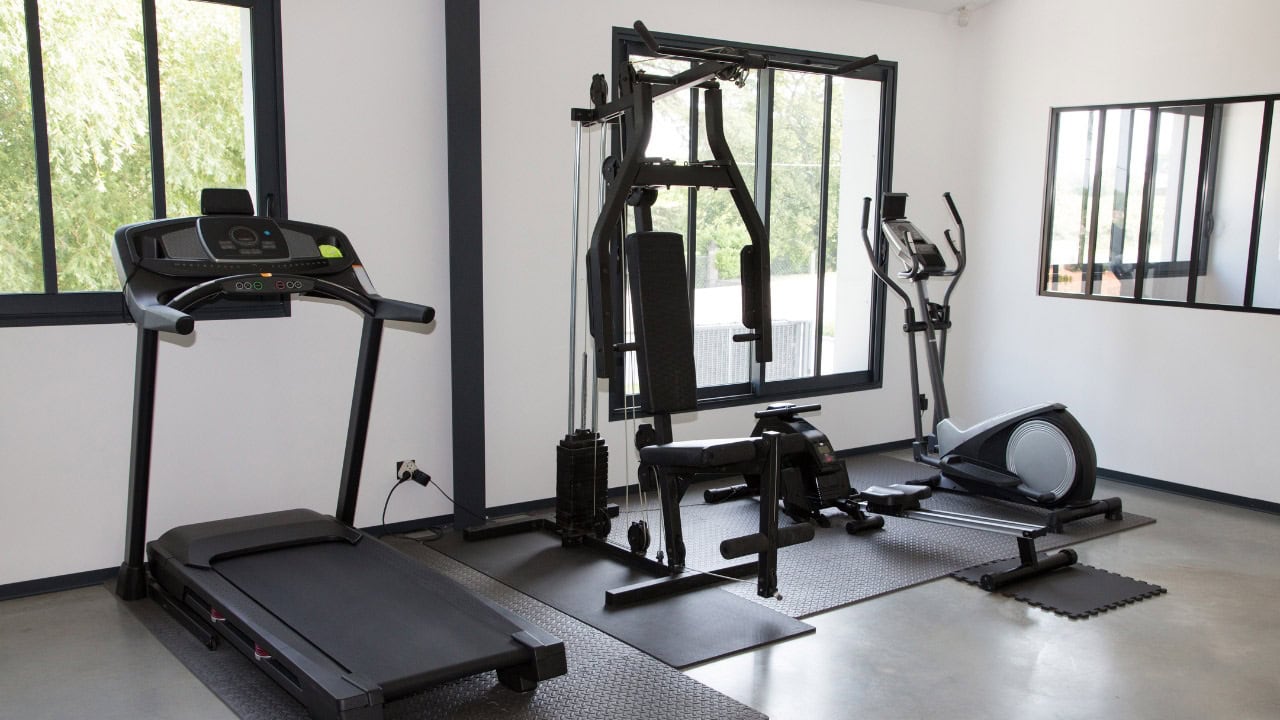
Motivation peaks when you buy it-but fades once the box is open. Big exercise machines or weight sets sound like a good idea until they start collecting dust in the garage.
If you're serious about getting active, start small with things you'll actually use, like resistance bands or a good pair of shoes. It's better to build a habit before making a big purchase.
Self-help books and courses
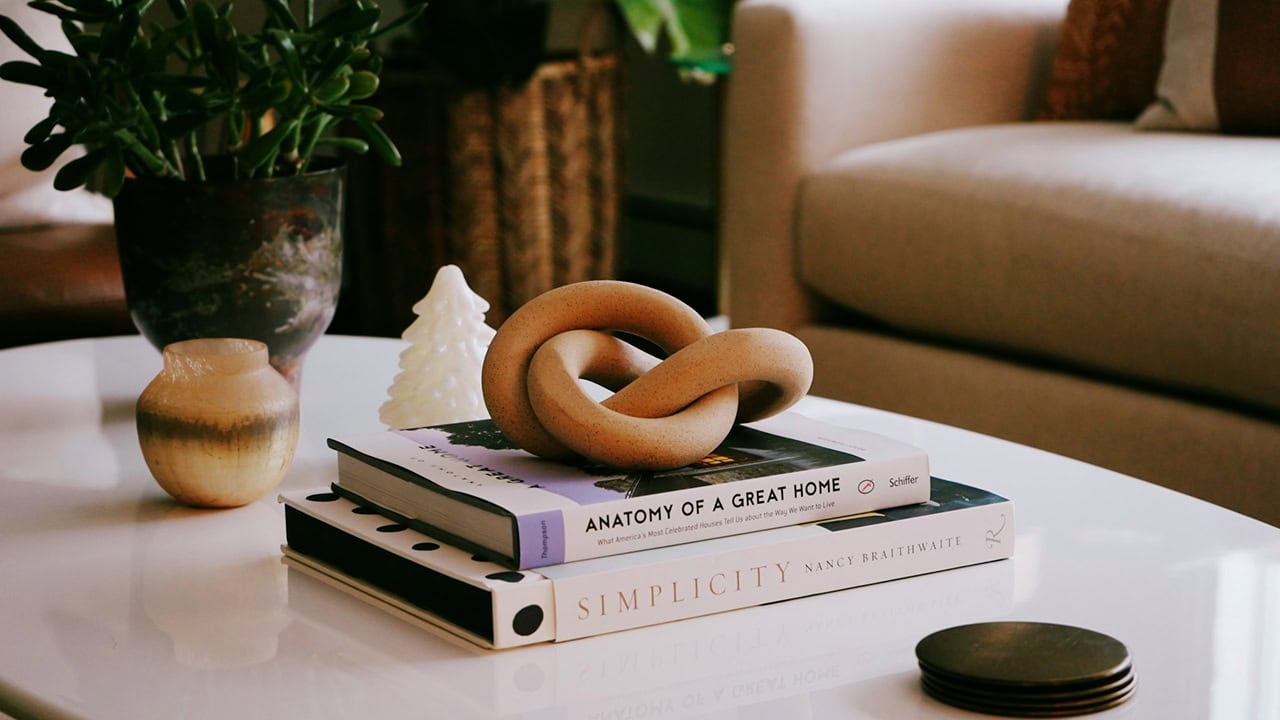
Buying self-improvement materials feels productive, but they don't help unless you follow through. It's easy to collect books or sign up for courses that make you feel accomplished before you've even started.
They often sit untouched, serving as reminders of what you "should" be doing instead of motivating real change. Start with one resource and actually apply it before spending more.
Impulse furniture buys
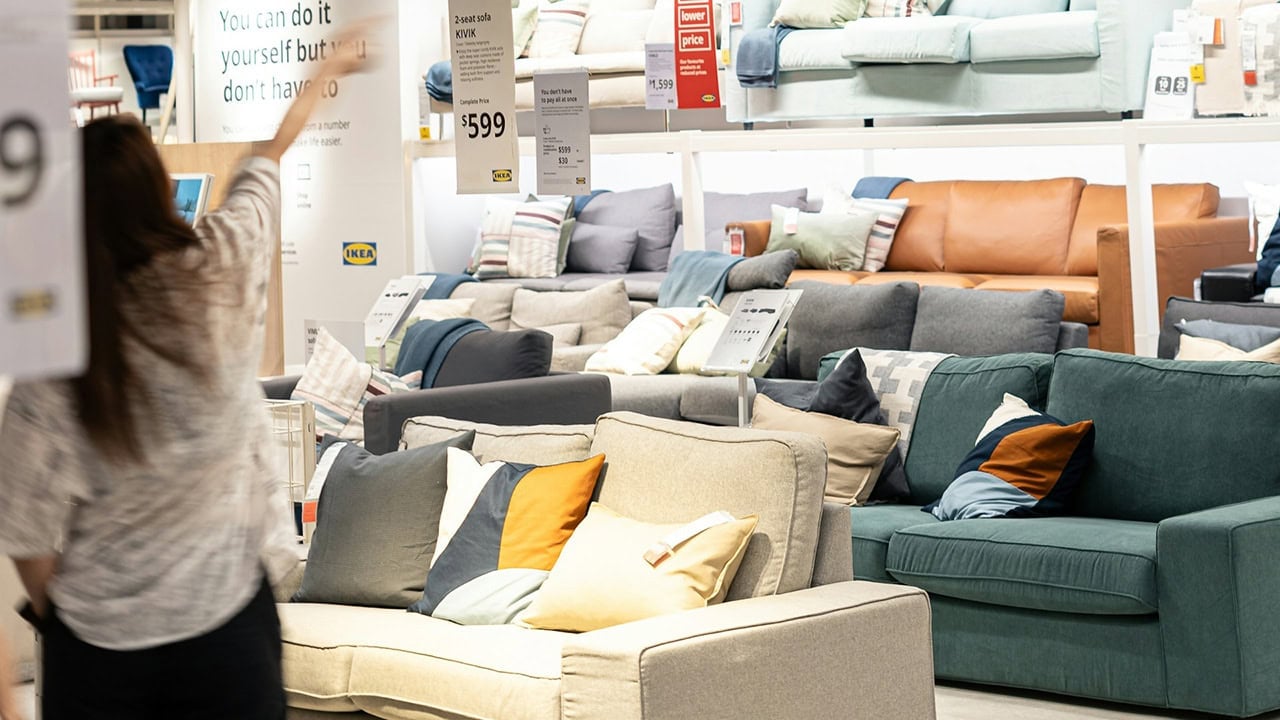
Buying furniture without a plan usually backfires. The color looks off, it's uncomfortable, or it doesn't fit your space the way you pictured.
It's better to wait and buy something that truly works with your room. Quick furniture purchases tend to cause regret fast-especially when returns are expensive or impossible.
Cheap tech accessories
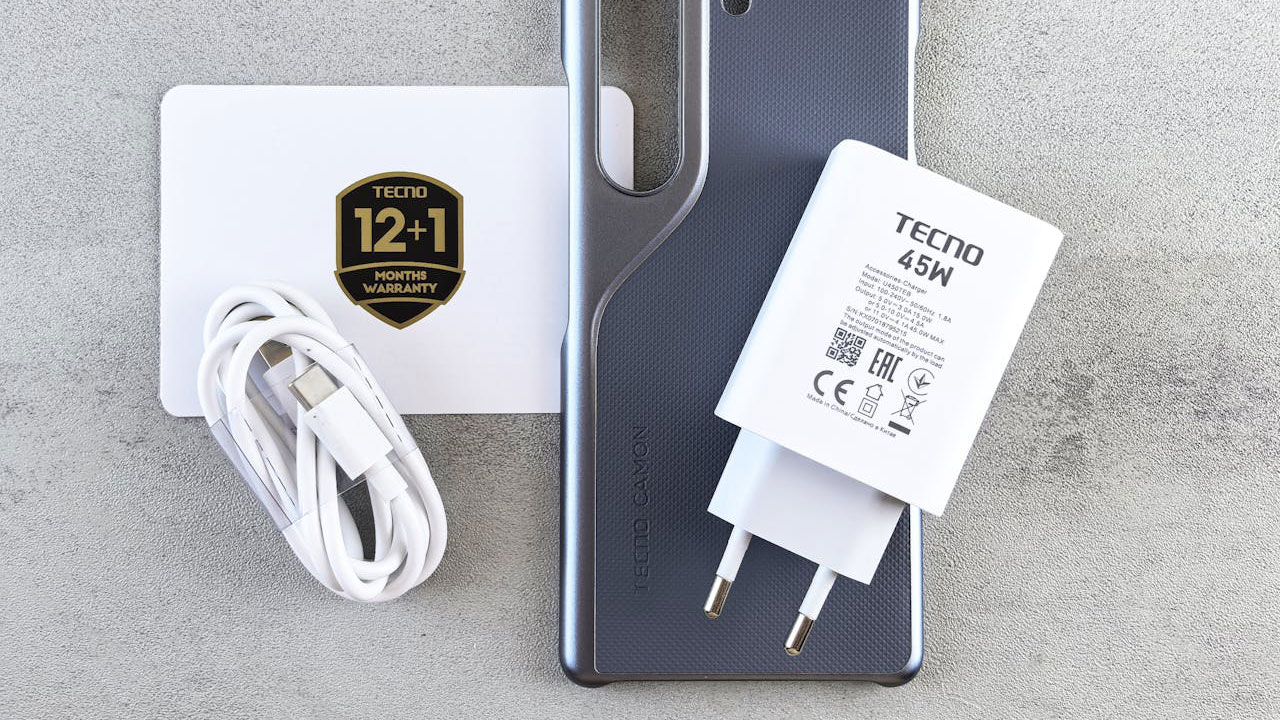
Phone chargers, headphones, and "smart" gadgets are easy to grab when they're cheap, but they rarely last. They break within weeks, leaving you right back where you started.
Spending a little more upfront on quality saves money long-term. It's frustrating to keep rebuying things that looked like a deal but end up being a waste.
*This article was developed with AI-powered tools and has been carefully reviewed by our editors.





Leave a Reply