

Cleaning is supposed to make your home feel better, not quietly drain your wallet. But some cleaning habits end up costing more money than you realize. Between wasted supplies, unnecessary products, and wear on your home, those "small" habits can add up to a surprising amount over the year.
Once you spot them, it's easier to swap in smarter ways that keep your house clean without adding to your expenses. Here are the habits that pushed my cleaning budget higher than it needed to be.
Using Too Much Laundry Detergent
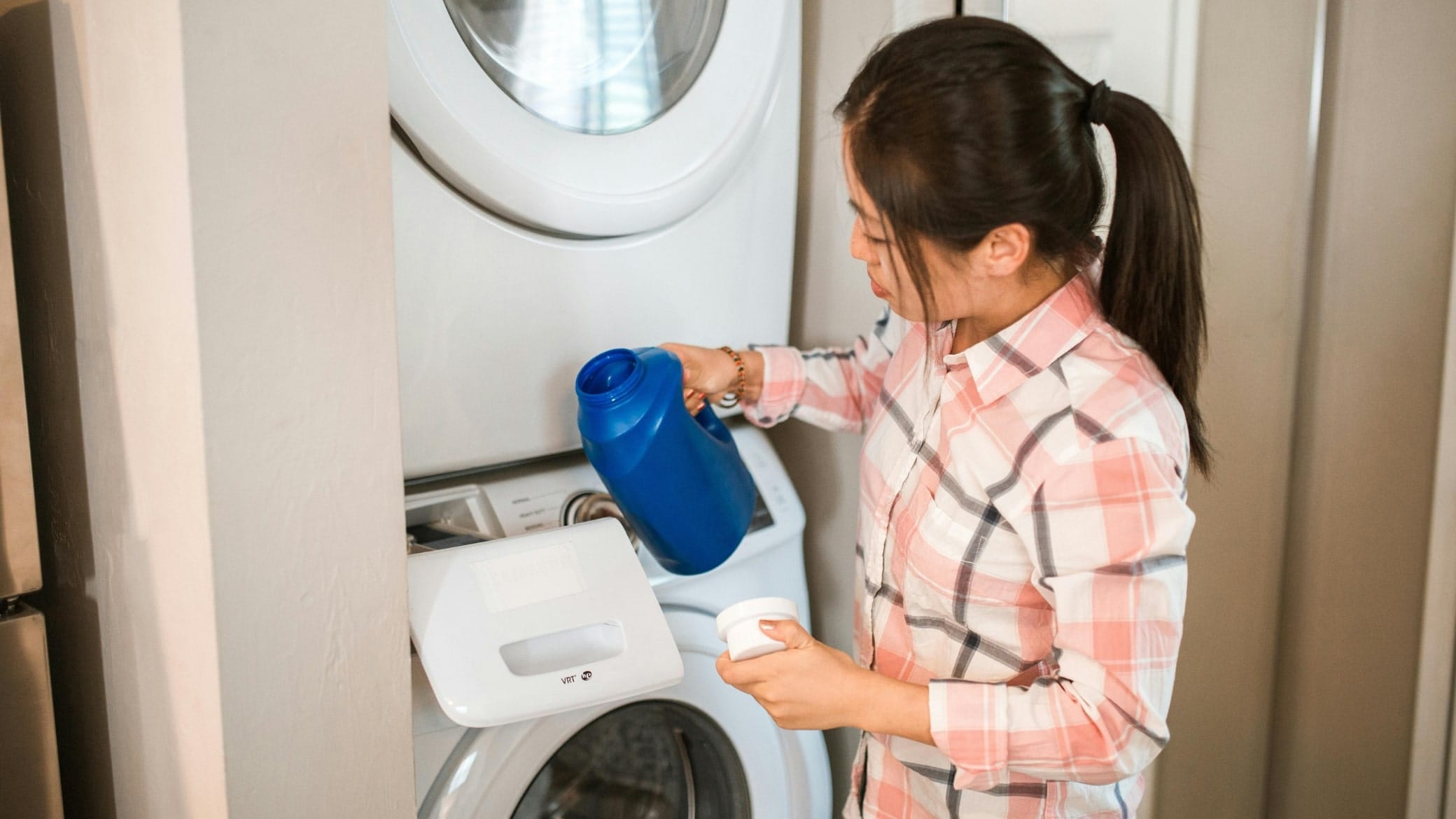
More detergent doesn't make clothes cleaner-it actually leaves residue that can dull fabrics and even damage your washer. When you use more than needed, you're literally pouring money down the drain.
Measuring properly not only saves you detergent but also helps your machine last longer. A smaller amount does the same job and keeps your clothes looking fresher over time.
Buying Disposable Cleaning Wipes
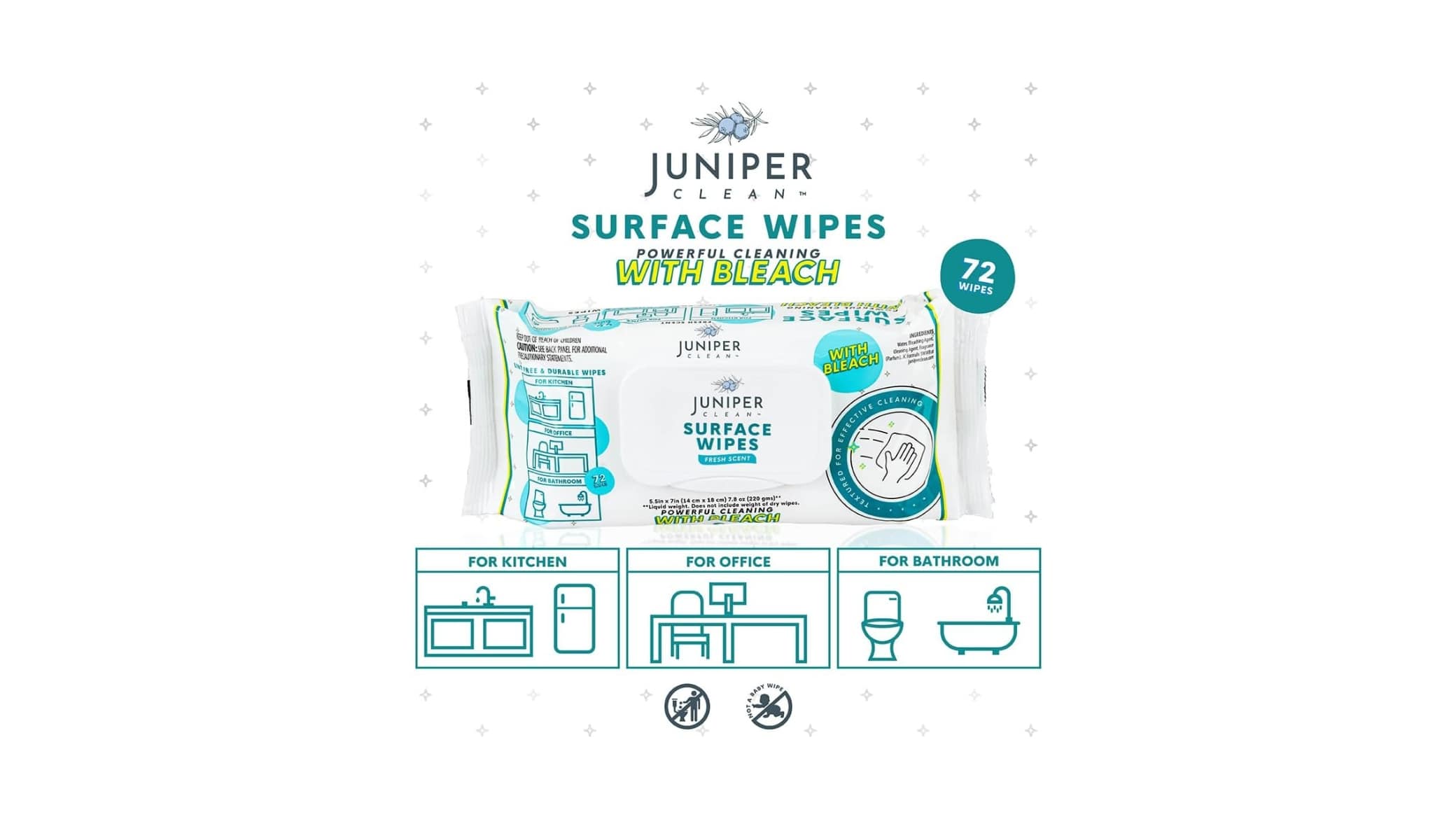
Those convenient wipes are tempting, but they run out fast. A few containers a month quickly snowball into an unnecessary expense.
Switching to reusable cloths and a spray cleaner costs less in the long run. You'll still have the convenience of quick cleanups without the ongoing hit to your budget.
Overusing Paper Towels
Paper towels get expensive when you reach for them for every little mess. It's easy to go through a roll in a couple of days without realizing it.
Keeping washable rags or microfiber cloths on hand cuts that cost significantly. You'll save money and still have a reliable way to handle spills.
Buying Too Many Specialty Cleaners

It's easy to get pulled into buying a separate cleaner for every surface in the house. Most of the time, an all-purpose cleaner or a homemade mix does the same job.
Cutting back on specialty products saves space under your sink and keeps you from spending on things you don't really need.
Washing Clothes Too Often

Washing items that aren't actually dirty wears them out and wastes water, detergent, and electricity. Tossing lightly worn clothes into the hamper adds extra loads each week.
Wearing items like jeans or jackets more than once before washing helps cut costs. You'll save money and your clothes will last longer.
Letting Cleaning Products Go to Waste
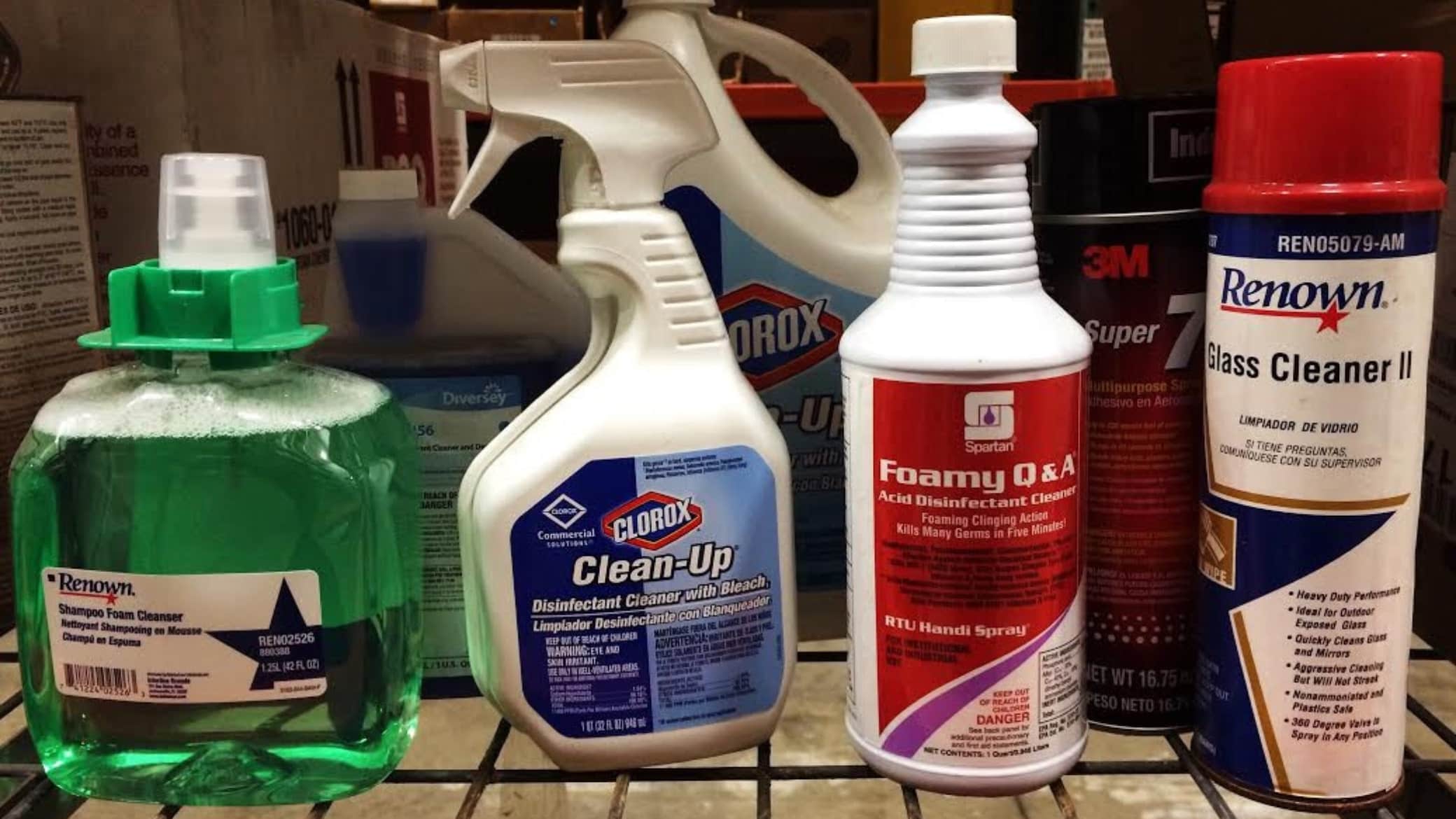
Sprays, soaps, and powders tucked in the back of the cabinet often expire or dry out before you get to them. That's wasted money you never got use from.
Keeping fewer products and rotating what you already have makes sure you actually use them up. It's a simple shift that saves cash.
Overusing Dryer Sheets
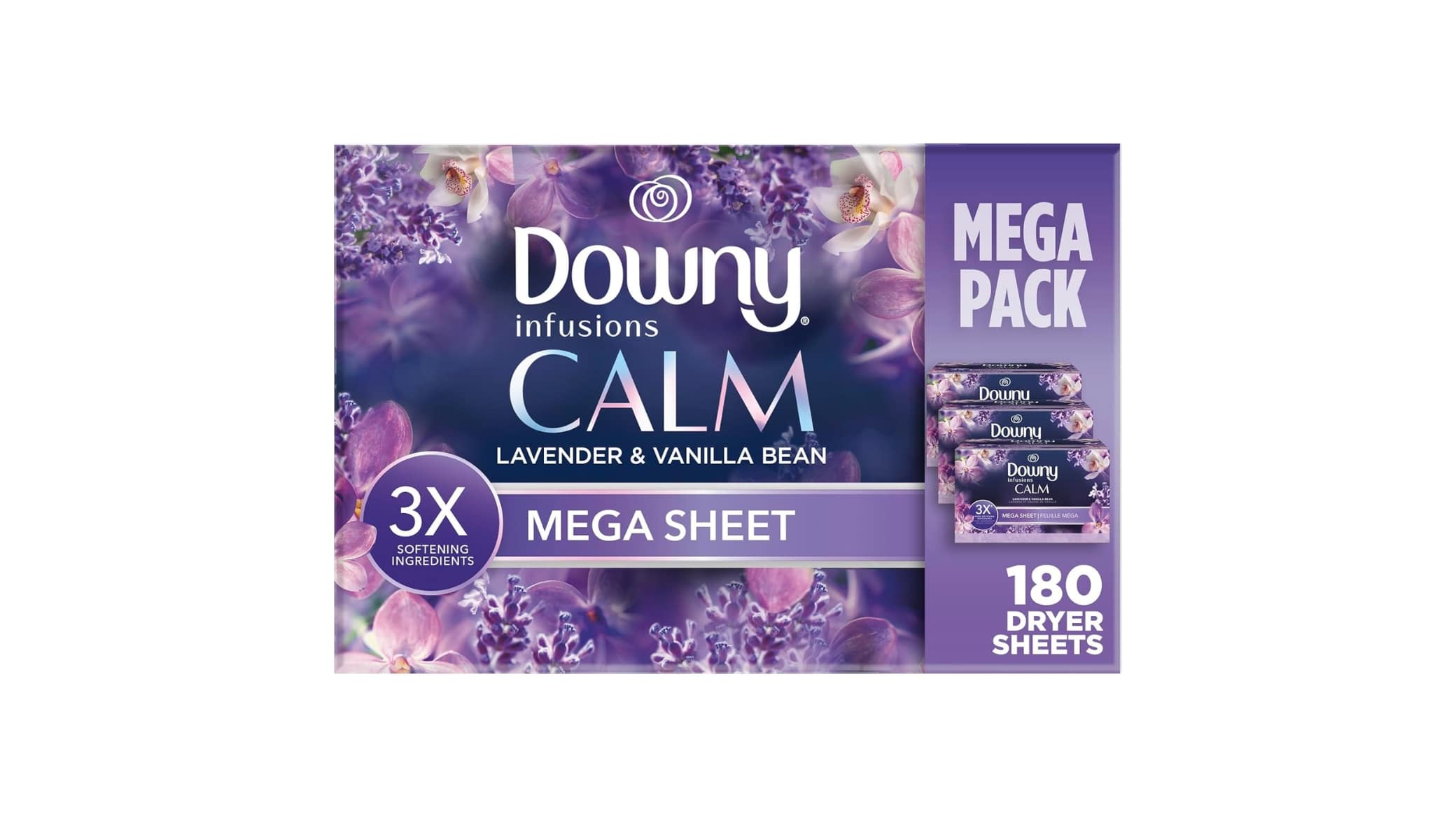
Tossing in multiple dryer sheets or using them every single load adds up over time. Most loads don't need them, and alternatives work just as well.
Cutting them in half or switching to wool dryer balls saves money while still softening clothes and reducing static.
Ignoring Maintenance Cleaning

Skipping small, regular cleanings often leads to bigger, more expensive problems later. Dust buildup in appliances or grout that never gets wiped down turns into a costly fix.
Doing short maintenance cleans saves you from spending extra on repairs or heavy-duty products later. It's one of the easiest ways to keep expenses down.
Using Hot Water for Every Wash
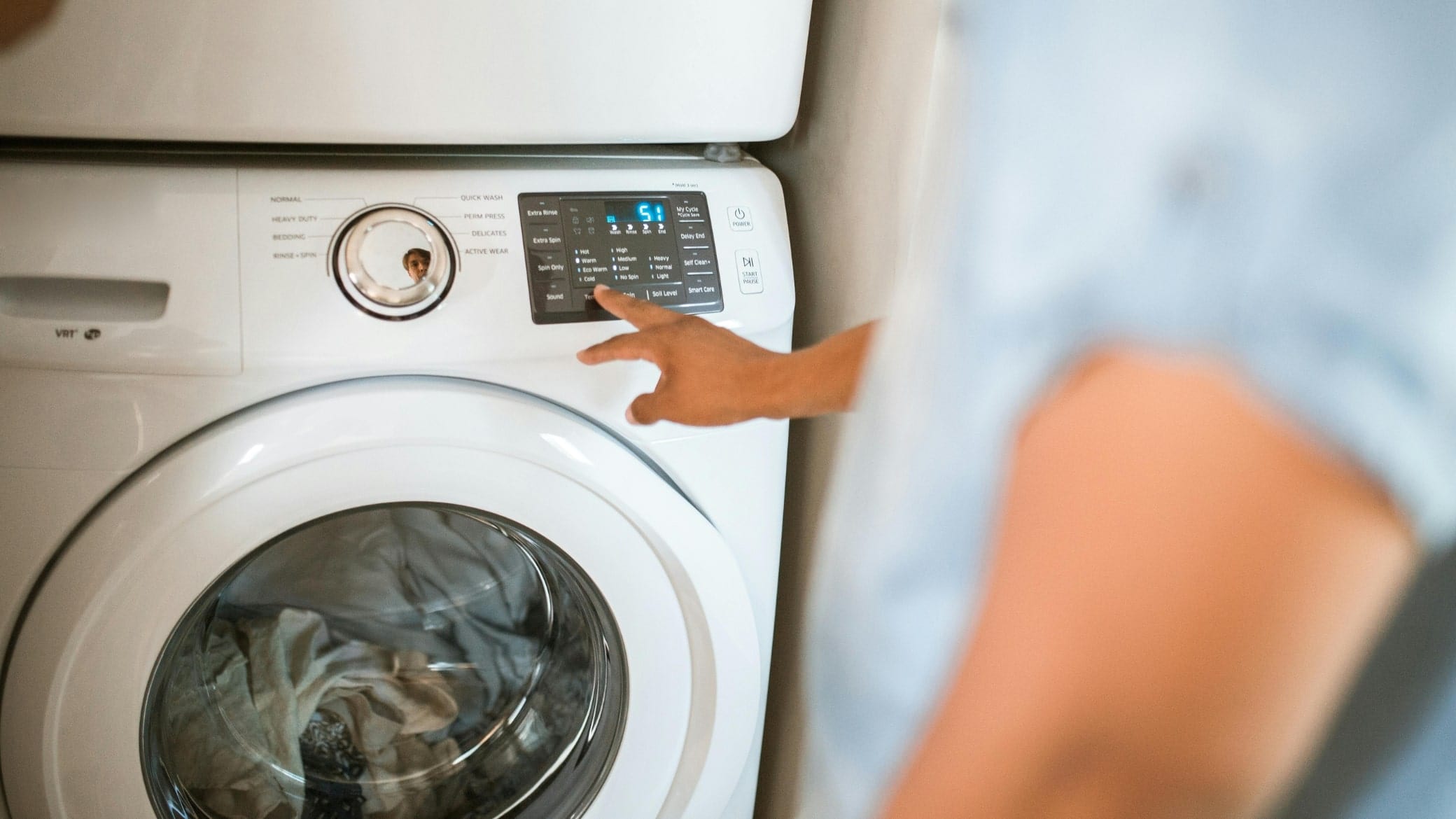
Running your washing machine or dishwasher on hot every time drives up your energy bill. Many loads don't need that level of heat to get clean.
Switching to cold or warm cycles when possible cuts utility costs without sacrificing cleanliness. Detergents today are designed to work well in lower temperatures.
Cleaning Too Often With Harsh Products
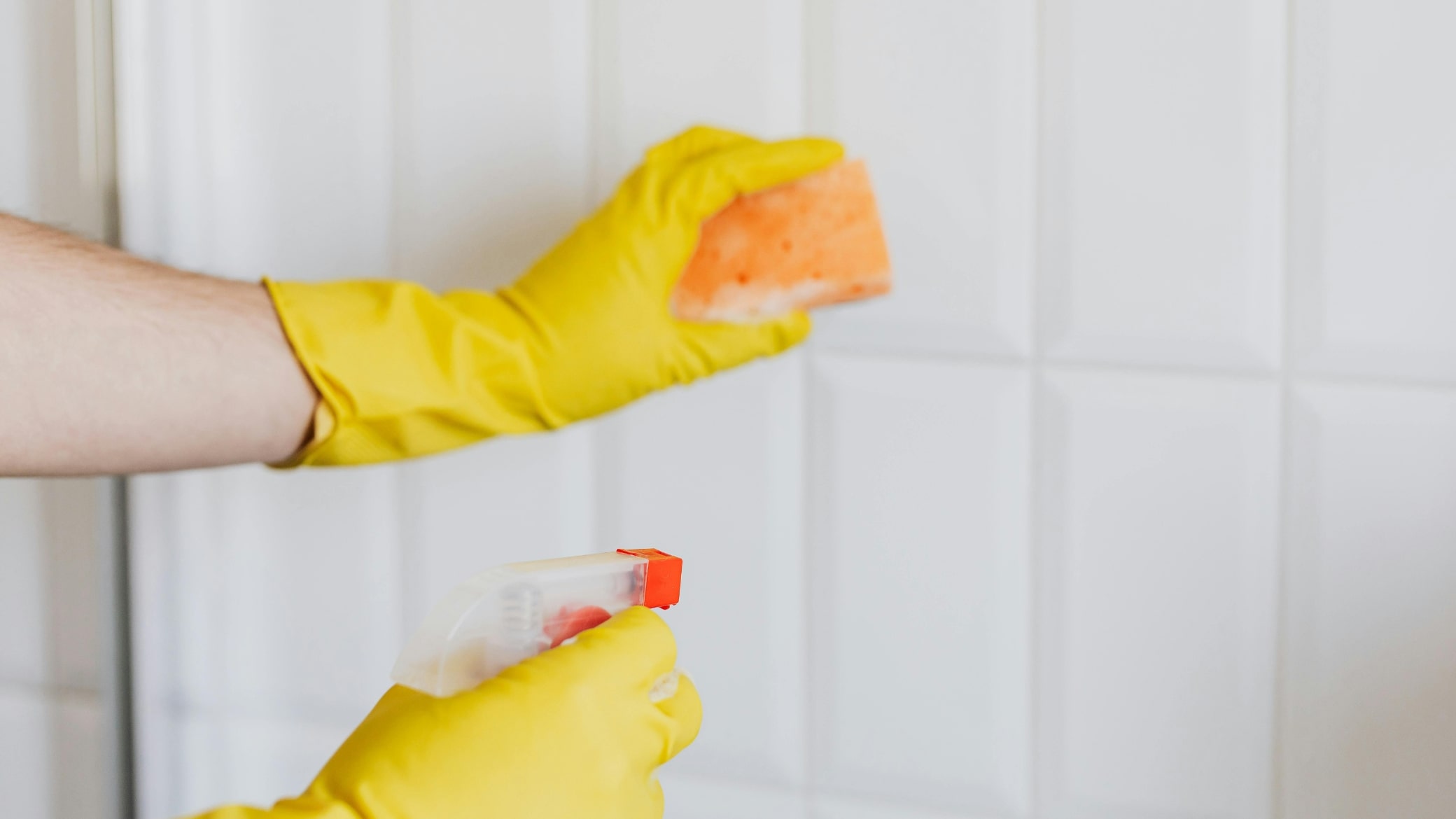
Scrubbing surfaces with strong cleaners daily wears them down faster than necessary. Countertops, flooring, and fixtures can lose their finish, leading to costly repairs or replacements.
Using milder cleaners or wiping with water for quick touch-ups keeps surfaces in good shape longer. It saves you money and still keeps your home looking clean.
*This article was developed with AI-powered tools and has been carefully reviewed by our editors.






Leave a Reply