
Most budgets fail in the margins, not on the big stuff. One tiny routine-how you start and end your day-can undo a week of good decisions. The culprits are predictable: morning scrambling that pushes you to buy convenience, and evening doom-scrolling that convinces you to add "just one thing" to the cart. Fix those two windows and your budget calms down without a total lifestyle overhaul.
Here's a simple morning-and-night system that saves money by default.
Set up three things before bed
Put the coffee maker on a timer, lay out tomorrow's outfit, and stage breakfast-oats in a jar, eggs ready to scramble, or a yogurt cup with a baggie of granola. Those three steps kill the $8 coffee, the $12 drive-thru, and the "I'm late so I'll grab lunch out." It sounds basic because it is. Frugal lives are built on easy defaults.
If you pack lunches, stack containers and write a quick note with what goes in them. You'll do it faster when future-you is half awake.
Make a two-minute morning money check
Open your bank app, glance at your checking balance, and confirm today's autopays. That tiny awareness prevents accidental overdrafts and keeps you from "surprise-spending" because you thought the balance was higher. If a bill hits, move on. No spreadsheet, no shame-just awareness.
If your bank supports low-balance alerts, set one slightly higher than the danger zone so you have time to react.
Block one temptation hour on your phone
Look at your screen time. If 9-10 p.m. is your scroll window, set a downtime on shopping and social apps for that hour. You can still override it, but the tap adds enough friction to catch yourself. Move the apps to a secondary screen so the muscle memory breaks. The best budget fix is to not see the ad.
Fill the hour with something physical-fold laundry, prep tomorrow's veggies, stretch. Doing anything off your phone stops the "one-click" purchases that ruin months.
Batch errands so small fees don't stack

Delivery fees, shipping, tolls, and rideshares add up when you run errands one at a time. Pick one errand day a week and route everything through it-returns, grocery, pharmacy, post office. Combine with curbside pickup to avoid impulse buys inside stores. You'll save gas, fees, and time.
Put your returns in a bin by the door and keep the receipts in an envelope so you're ready on errand day.
Move your "fun money" to a weekly allowance
Monthly fun budgets get blown in week one. Switch to a weekly allowance you load every Sunday. When it's gone, you're done. You'll still say yes to treats, but you'll pace them. Tie small rewards to no-spend wins-finish a pantry week, get a coffee; sell two items, order takeout once.
Use a separate debit card so the line is clear. Mental accounting is powerful when you make it visible.
Automate one bill drop
Choose a bill to lower this week: mobile plan tier, streaming bundle, insurance rate, or internet speed you don't use. Make the change, then write the new amount on your calendar and transfer the monthly difference to savings the day after it drafts. One permanent drop pays you every month for one phone call.
Stack two or three of these in a quarter and you'll feel the margin return.
Install a five-minute night reset
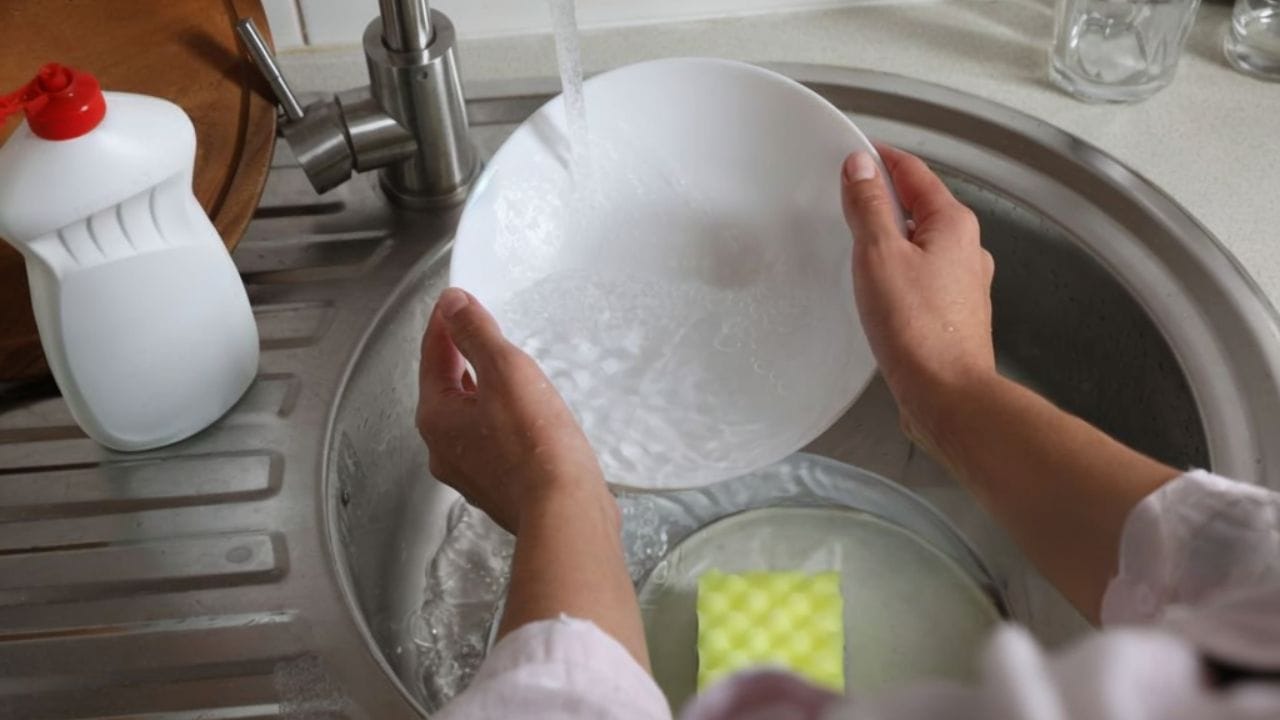
Do a quick sweep-clear the sink, set out tomorrow's mugs, toss junk mail, lay car keys by the door. A tidy start prevents convenience spending in the morning. You're less likely to buy coffee or forget your lunch when the kitchen looks ready and your keys aren't hiding.
If you live with others, assign one tiny job per person. Shared habits beat solo effort.
Most people don't need a stricter budget. They need routines that stop spending before it starts. Stage three things at night, check your money briefly in the morning, block the scroll hour, batch errands, move fun money to weekly, cut one bill, and do a two-minute reset. Small patterns run your life; change them and the savings show up without a fight.
*This article was developed with AI-powered tools and has been carefully reviewed by our editors.






Leave a Reply