

Some things you swap out to save a little money… and then they end up saving way more than you expected. That's what happened with these. I wasn't trying to overhaul my life-I was just looking for small ways to spend less without sacrificing quality or convenience.
But these swaps surprised me. They became new habits, and the savings added up fast. If you're trying to cut costs without it feeling like a chore, these are great places to start.
Swapped paper towels for microfiber cloths

I used to go through multiple rolls of paper towels a week without thinking about it. Now I use microfiber cloths for almost everything-counters, windows, dishes, and even spills on the floor. A $6 pack has lasted me months, and I still haven't gone back. I thought I'd save maybe a few dollars, but it's turned into one of the biggest long-term cuts in my household spending.
Traded my drive-thru breakfast habit for freezer meal prep

Breakfast runs were a weekly routine that didn't feel expensive-until I added it up. I started making breakfast sandwiches at home with frozen sausage, eggs, and English muffins. I batch them, freeze them, and heat one up when I need it. I thought it would be a small savings, but skipping those quick stops added up to $30-$40 a week.
Bought a cheap water filter instead of bottled water

I used to buy bottled water on autopilot. Once I switched to a $20 countertop filter and started using refillable bottles, I stopped buying cases completely. The savings were immediate, and I don't miss hauling water from the store or tossing all that plastic. What I thought would be a $5-$10 fix has saved us hundreds over time.
Replaced streaming bundles with one low-cost service

At one point, I was paying for three streaming services I barely used. I canceled all of them and kept one budget-friendly option. I rotate based on what we're actually watching. I thought I might save $15-$20, but dropping the extras trimmed almost $40 a month. That's nearly $500 a year for content I wasn't even using regularly.
Switched to store-brand groceries
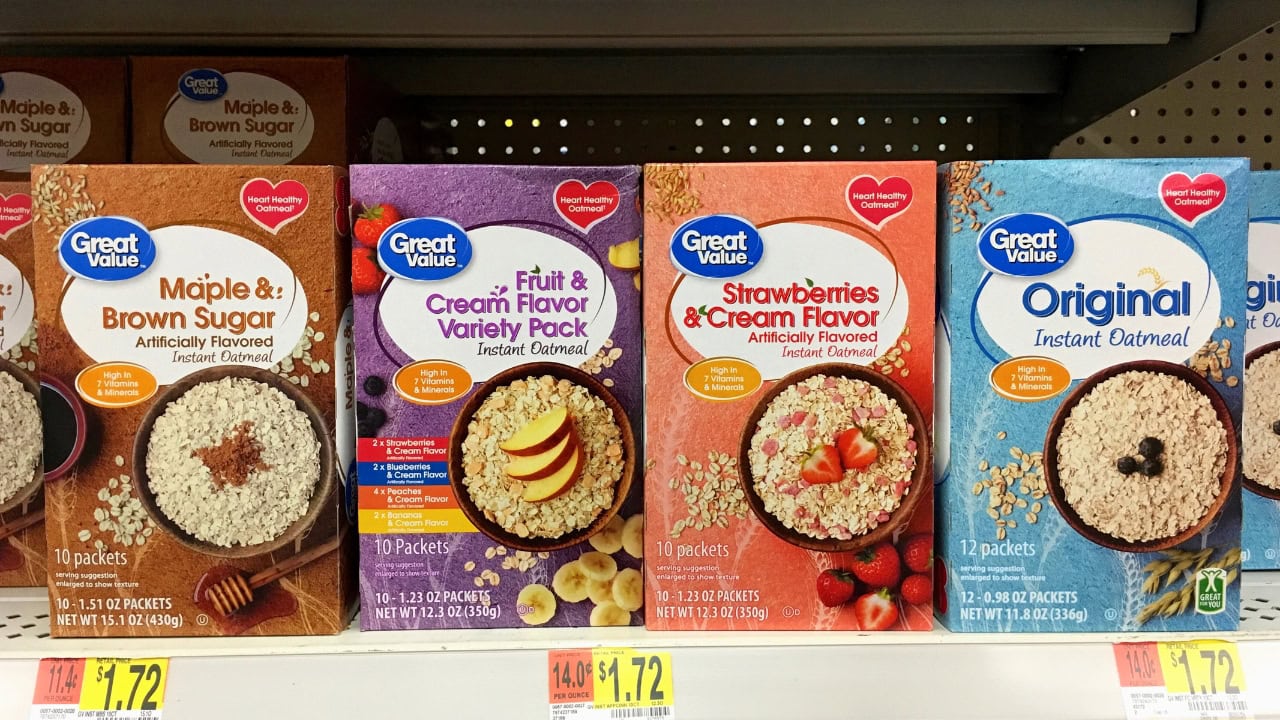
I didn't expect much when I started swapping name-brand groceries for store brands, but most of them taste exactly the same. I thought I'd save a couple dollars here and there, but across a whole cart, it's closer to $30-$50 every trip. Multiply that by four or five trips a month, and the savings are a lot bigger than I expected.
Bought a refurbished phone instead of a new one

When my phone needed replacing, I bought a certified refurbished model instead of the latest version. I got the same performance for several hundred dollars less. I was expecting to save a little upfront, but the total difference was nearly $400. Plus, I avoided getting locked into a monthly payment plan all over again.
Started packing snacks instead of buying them out

Snacks on the go used to be a constant drain-$3 here, $5 there. I started packing crackers, trail mix, or fruit before leaving the house, and it became an easy habit. What seemed like small purchases ended up costing me $40-$60 a month. This swap felt too basic to matter at first, but it really did.
Cut back meat in recipes without giving it up

We didn't stop eating meat, but I started using smaller portions and bulking recipes with beans, rice, or veggies. Meals still feel hearty, but I'm not using two pounds of ground beef when one will do. That change alone knocked $10-$15 off our weekly grocery total, which was a bigger dent than I thought it would be.
Downgraded cleaning products to basic supplies

I replaced most of my name-brand cleaning sprays with vinegar, baking soda, and store-brand disinfectant. It works just as well, and I'm not spending $4-$5 per bottle anymore. At first, I thought I'd save a few bucks. But when you add in laundry detergent, dish soap, and glass cleaner, the savings really stack up.
Started using curbside pickup instead of going in-store
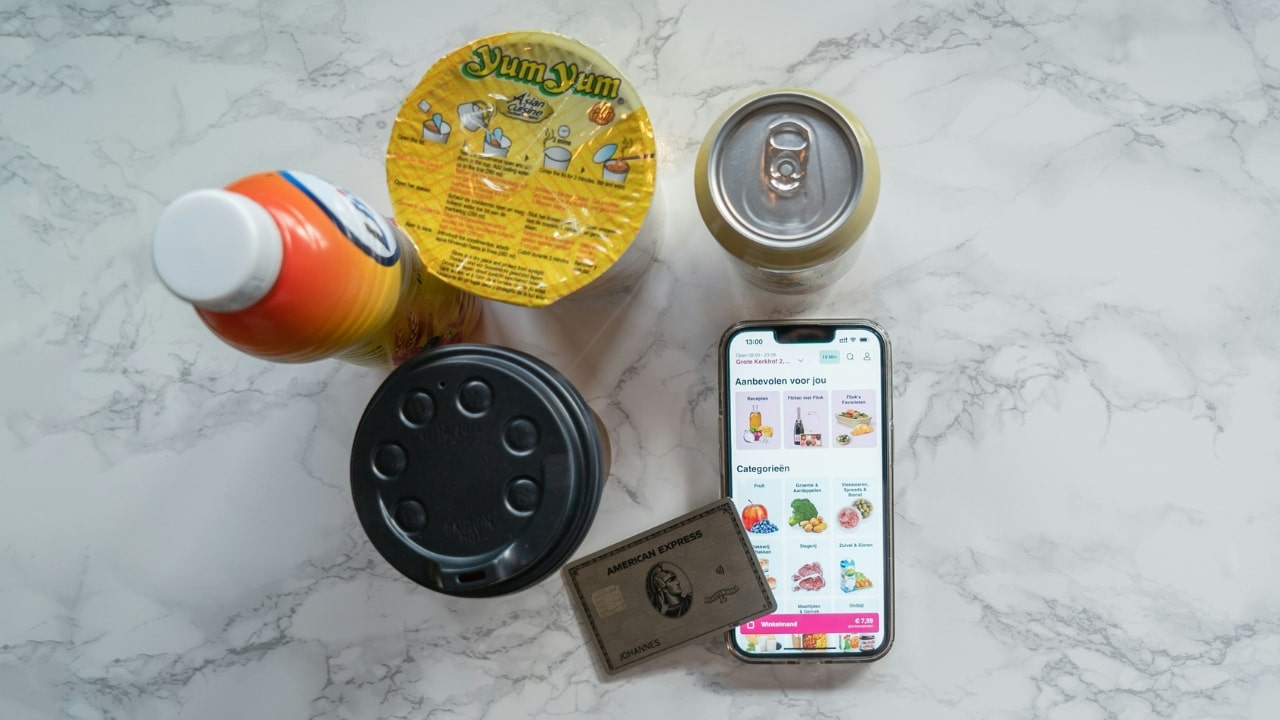
I thought curbside pickup wouldn't change much, but it completely cut out impulse buys. I stick to the list, avoid browsing, and spend less every trip. It also helps me track spending before I check out. The difference in my weekly grocery total surprised me-easily $20-$40 less than when I used to shop in person and grab "a few extras."
*This article was developed with AI-powered tools and has been carefully reviewed by our editors.






Leave a Reply