
Money habits change with time-and so does the wisdom that comes with it. Older folks don't see money the same way younger people do because they've lived through more ups and downs.
They've seen inflation, layoffs, surprise medical bills, and how quickly "extra cash" disappears when life turns. Their approach might seem cautious to younger generations, but most of what they do with money isn't about fear-it's about experience.
If you pay attention, there's a lot to learn from the way they handle their finances.
They value saving more than earning
Younger people tend to focus on earning potential-chasing higher salaries, side hustles, and bigger paychecks. Older folks care more about what they keep than what they make. They know a high income means little if it all goes right back out the door.
Saving consistently-even in small amounts-has protected them through job losses, medical emergencies, and economic downturns. It's not glamorous, but it's the kind of steady habit that builds real security over time.
They still believe in paying things off
Debt feels normal to most younger adults, but older generations were raised to avoid it whenever possible. They don't see carrying balances as "strategic"-they see it as risky. Paying off a car, home, or credit card isn't about bragging rights; it's about peace of mind.
When you owe nothing, you sleep better. And when you're not locked into endless monthly payments, you have freedom. That mindset is something a lot of younger people could benefit from relearning.
They prioritize needs before wants
Older folks have lived through times when you couldn't always have what you wanted right away. That built patience and perspective. They'll fix something before replacing it, skip a luxury vacation if the roof needs repair, and shop for what lasts instead of what's trendy.
Younger people often treat money as a way to enhance comfort or appearance. Older folks treat it as a tool for stability. That small difference in mindset can completely change how far your paycheck goes.
They use cash to stay grounded
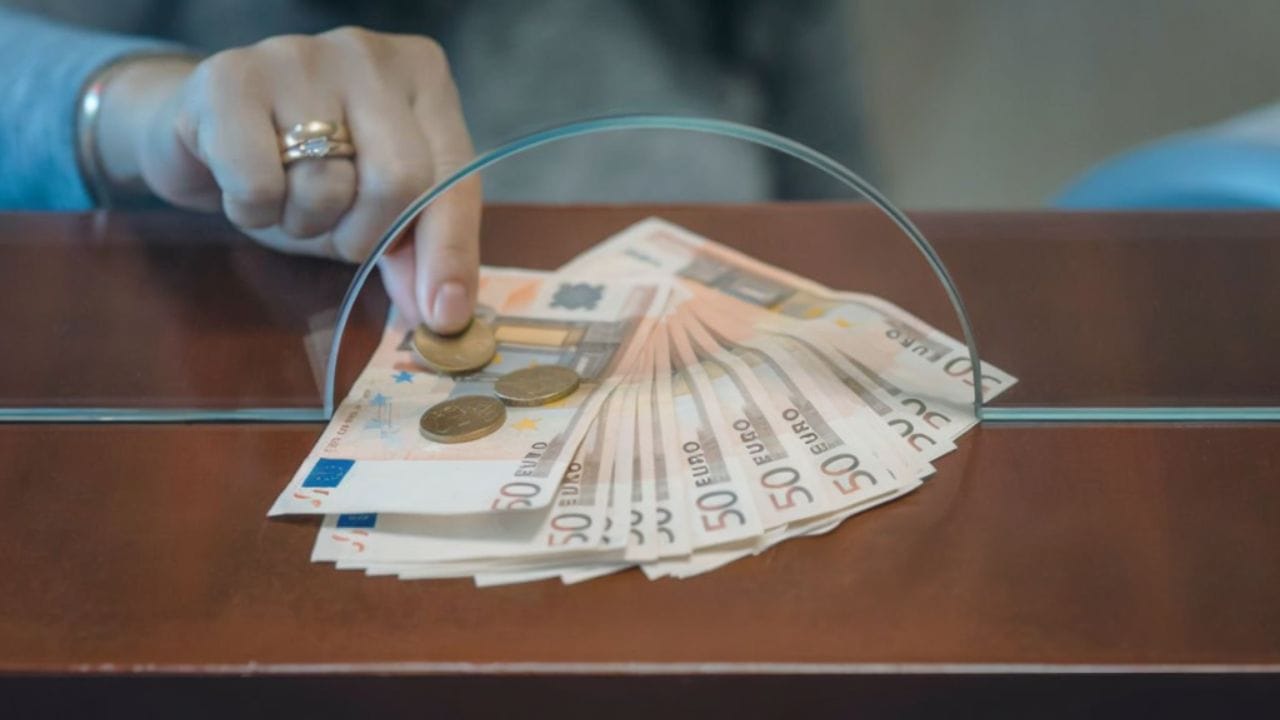
Digital payments make spending easy-and that's the problem. When you tap a phone or card, it doesn't feel like real money leaving your account. Older folks often stick to cash for certain things because it keeps spending tangible. Handing over actual bills makes you think twice.
They're not avoiding technology-they're managing temptation. It's an intentional habit that keeps them aware of where their money is going, and it's something younger generations could use more of.
They keep an emergency fund that actually matters
Many younger people know they should have an emergency fund, but they don't treat it as essential. Older folks do. They've lived long enough to know emergencies aren't hypothetical-they're guaranteed.
They keep real cash reserves, not because they're expecting disaster, but because they've learned how quickly things can change. That cushion isn't about fear; it's about confidence. It lets them handle surprises without scrambling or swiping a credit card.
They buy for longevity, not for show
Older people tend to buy once and buy well. They'd rather spend more upfront on something that lasts twenty years than replace a cheaper version every two. They care about durability, not design trends.
Younger consumers are surrounded by marketing that pushes constant upgrades-phones, clothes, decor. But older folks see through that cycle. Their money goes further because they invest in quality and take care of what they already have.
They give without expecting anything back
Generosity looks different as you age. Older folks don't see giving as an expense; they see it as part of living well. They give to family, church, neighbors, and causes they care about-often quietly and consistently.
That habit comes from knowing what really matters. They've learned that money can do more good when it moves, not when it sits. It's a kind of wealth that has nothing to do with net worth.
They think long-term instead of reacting short-term
Younger generations live in a fast-paced world-everything's immediate. But older folks have learned to look ahead. They plan for future expenses, think through big purchases, and don't panic when markets dip or prices rise.
That patience comes from experience. They've seen things recover, and they know that reacting too quickly can do more harm than waiting things out. That steady mindset is one of the biggest financial strengths age brings.
They know peace is the best return on investment

At some point, money stops being about more and starts being about enough. Older folks understand that wealth doesn't mean anything if it costs you peace. They don't chase the next big investment or live beyond their means to keep up appearances.
They want stability, comfort, and the ability to enjoy what they have without stress. That's something most people don't realize until later in life-but it's worth learning sooner.






Leave a Reply