

When grocery prices go up, the first suggestion is often to buy less. But cutting your grocery bill doesn’t necessarily mean putting less food on the table. Sometimes, the bigger opportunity is to change what you buy, where you buy it, and how you use it. Small adjustments can help you get more meals from the same grocery budget without leaving you hungry. If you’re trying to make your food budget stretch further, these six strategies can help you spend less without simply eating less.
Build Meals Around Affordable Staples
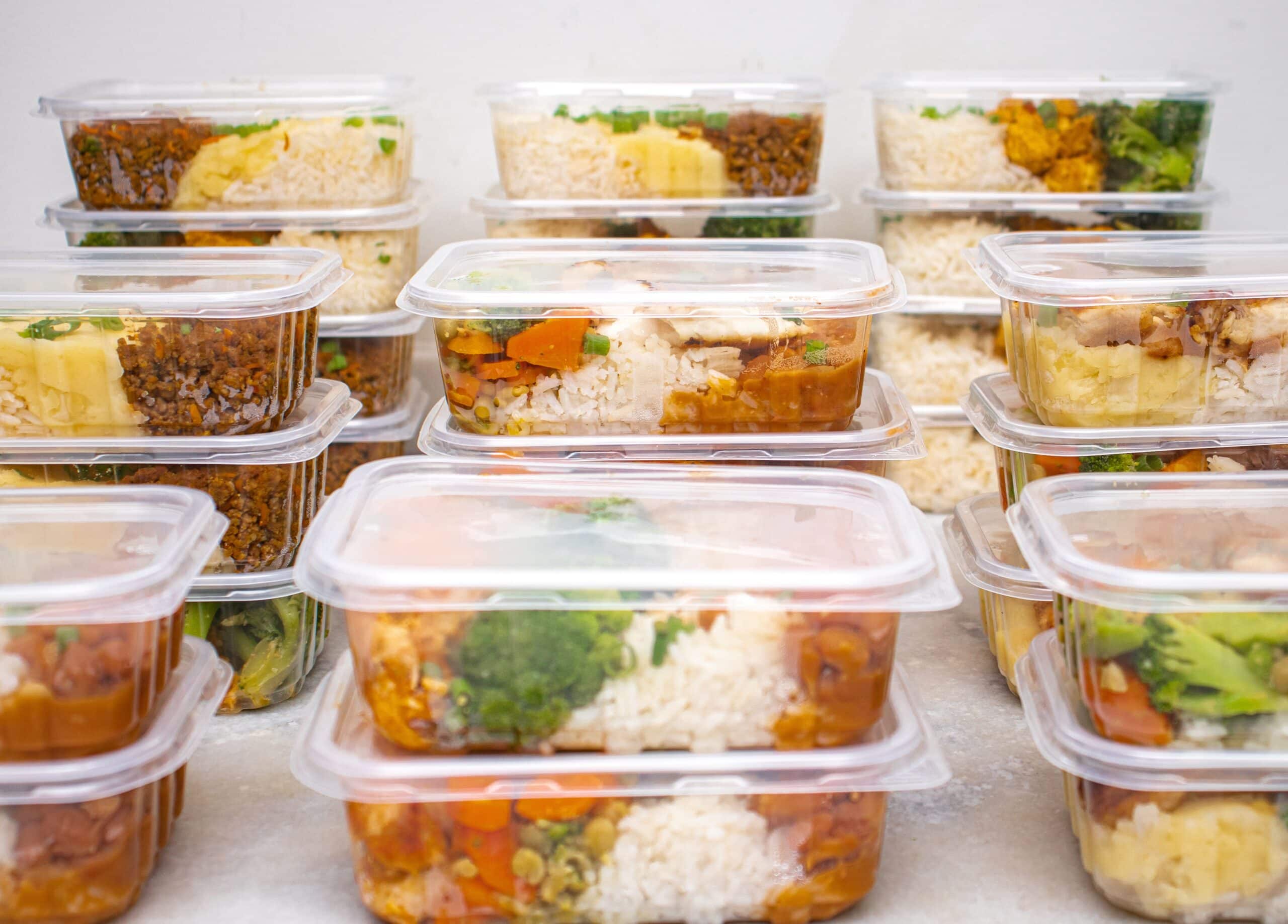
Some foods can serve as inexpensive foundations for dozens of meals. Rice, potatoes, pasta, oats, beans, lentils, eggs, and seasonal vegetables can often be combined with smaller amounts of meat, poultry, or other more expensive ingredients.
Instead of planning a meal around an expensive ingredient and then buying everything else to go with it, try starting with an affordable staple. For example, a simple rice bowl with vegetables and a small amount of chicken can be just as satisfying as a meal centered around a much larger portion of meat. The same idea can work with pasta, potatoes, soups, and casseroles.
Compare Unit Prices

The price printed on the package doesn’t always tell you which option is the best value. A larger container may cost more overall but offer a lower price per ounce or kilogram. On the other hand, sometimes a smaller package is actually cheaper per unit, particularly when it’s on sale. Get into the habit of checking the unit price when comparing different sizes or brands. This makes it easier to identify genuine bargains. Also consider how quickly you’ll use the product. Buying a large package isn’t a money-saving strategy if part of it eventually goes to waste.
Buy More Frozen and Seasonal Produce
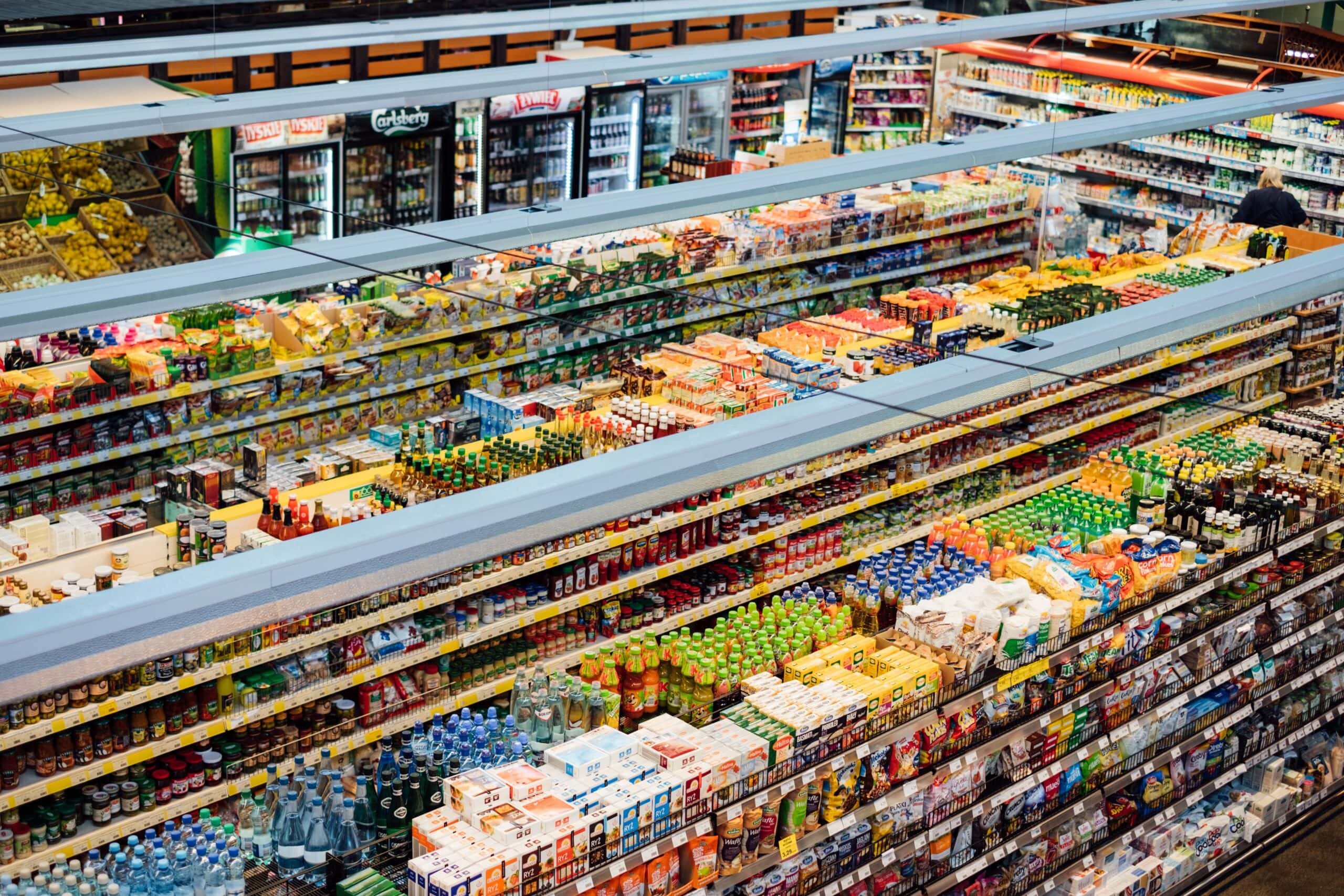
Fresh produce can be wonderful, but it isn’t always the most economical choice. Frozen fruits and vegetables can be useful alternatives when fresh versions are expensive or when you know you won’t use them quickly. They can also make it easier to keep nutritious ingredients on hand without worrying as much about spoilage.
When buying fresh produce, look for what’s currently in season and compare prices between different varieties. You don’t have to give up fresh fruits and vegetables. Simply being flexible about which ones you buy can help you spend less while keeping plenty of produce in your meals.
Use Meat as an Ingredient Instead of the Main Event

Meat can be one of the more expensive parts of a grocery budget. You don’t necessarily have to eliminate it to save money. Instead, stretch a smaller amount of meat across a larger meal. Add chicken to a vegetable stir-fry, use ground meat in beans or chili, or combine a small amount of meat with pasta, rice, or potatoes. For example, instead of serving large portions of chicken alongside several sides, you could use the same amount of chicken in a stir-fry that includes plenty of vegetables and rice. You’re still eating meat, but you’re getting more servings per purchase.
Plan Meals Around What You Already Have
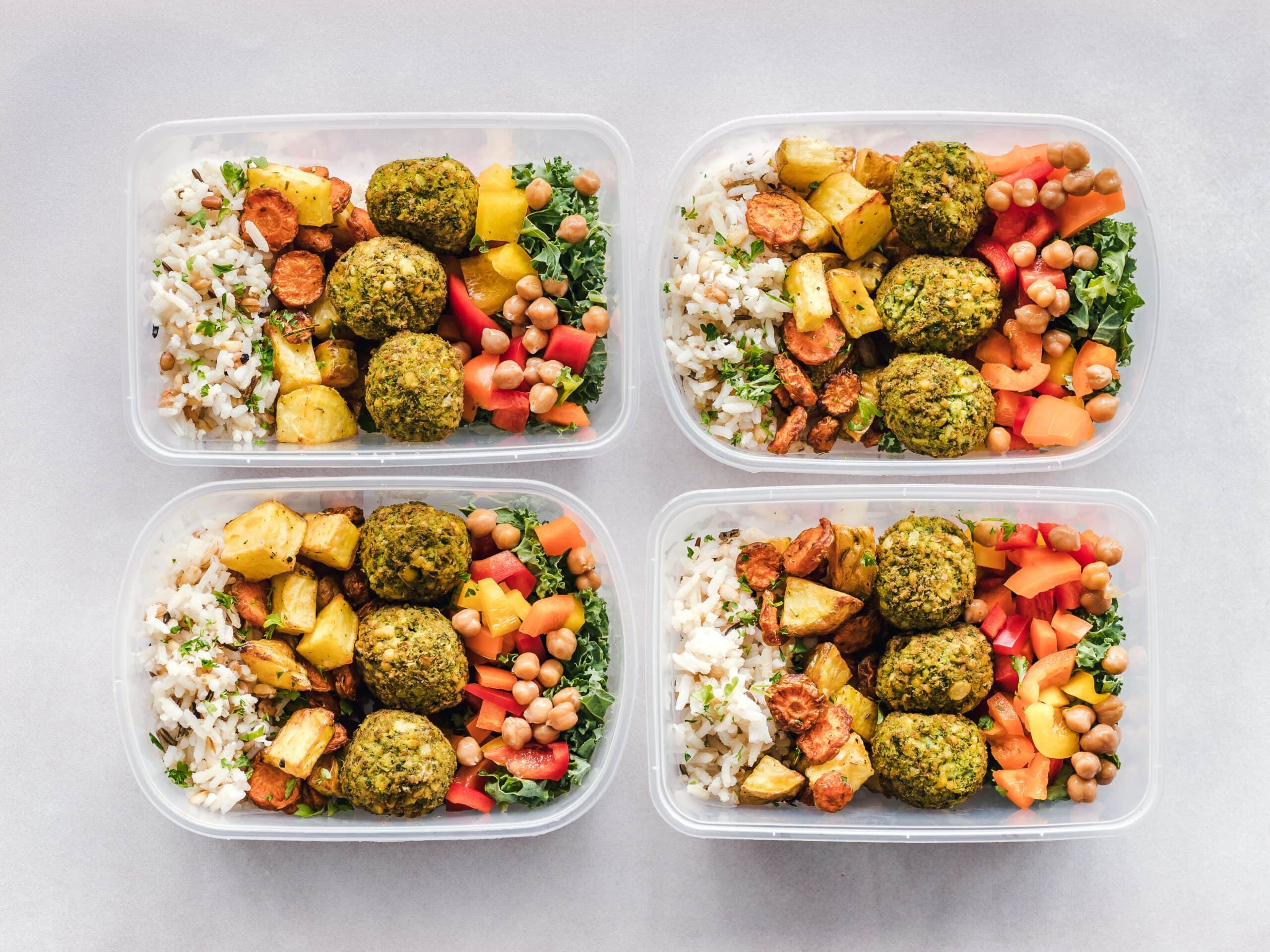
Before heading to the grocery store, take a quick inventory of your kitchen. That half-used bag of rice, cans of beans, frozen vegetables, pasta, sauces, or leftover ingredients may already be enough to form the foundation of several meals.
Try creating a few meals around those ingredients before buying more food. This reduces duplicate purchases and helps prevent older food from getting forgotten in the back of the pantry or freezer. You can even designate one night each week as a “use what we have” dinner. It can be a simple way to reduce waste while lowering your grocery spending.
Make Your Leftovers Part of the Meal Plan

Leftovers are most useful when you actually plan to eat them. Rather than thinking of leftovers as something you’ll eventually get around to eating, decide in advance how they’ll fit into your next few meals. Roasted chicken can become sandwiches, soup, salad, or a rice dish. Extra vegetables can go into omelets, pasta, soups, or stir-fries. Cooked grains can become the base for another meal. This approach can help you get more value from the food you already paid for. Even saving one uneaten meal per week could mean buying fewer groceries over the course of a month.
*This article was developed with AI-powered tools and has been carefully reviewed by our editors.






Leave a Reply