
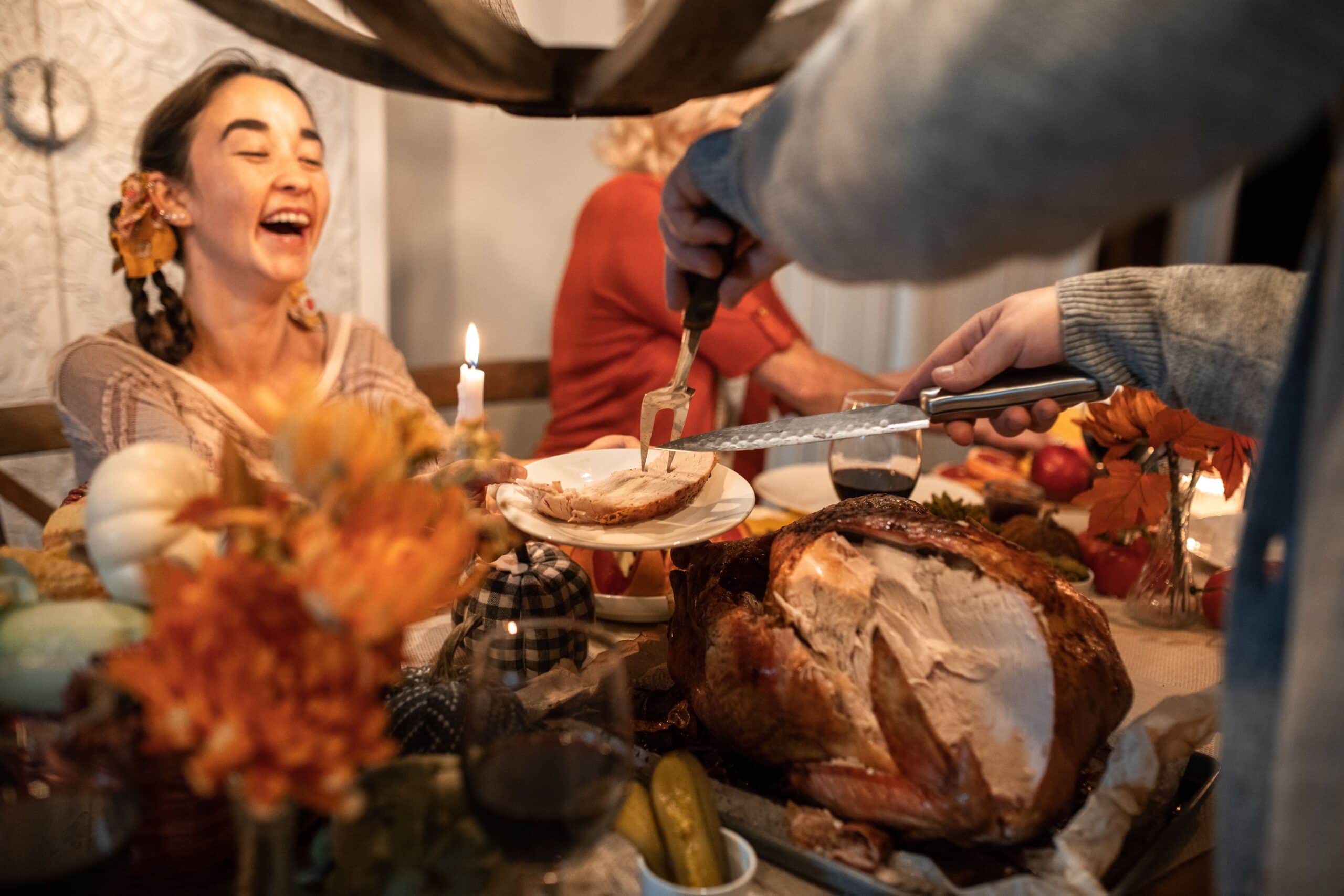
Thanksgiving dinner is about bringing people together, but hosting a big meal can put a surprisingly large dent in your grocery budget. A turkey or main dish is only part of the expense. Side dishes, desserts, drinks, appetizers, decorations, and all the little extras can quickly turn a simple dinner into a costly event.
Fortunately, you don’t need to sacrifice the traditions your family enjoys to save money. A little planning can help you put together a generous Thanksgiving meal while keeping your spending under control.
Build Your Menu Before You Go Shopping

One of the easiest ways to overspend is to start grocery shopping without a clear plan. Decide what you’re serving first. Then check your pantry, refrigerator, and freezer to see which ingredients you already have. Once you know what you need, make a shopping list and stick to it as closely as possible. Planning also makes it easier to identify ingredients that can be used in multiple dishes.
For example, one package of butter, a bag of onions, or a bunch of fresh herbs may be useful in several recipes. Planning your menu around ingredients you already have can reduce the number of items you need to purchase.
Shop Around for the Main Ingredients
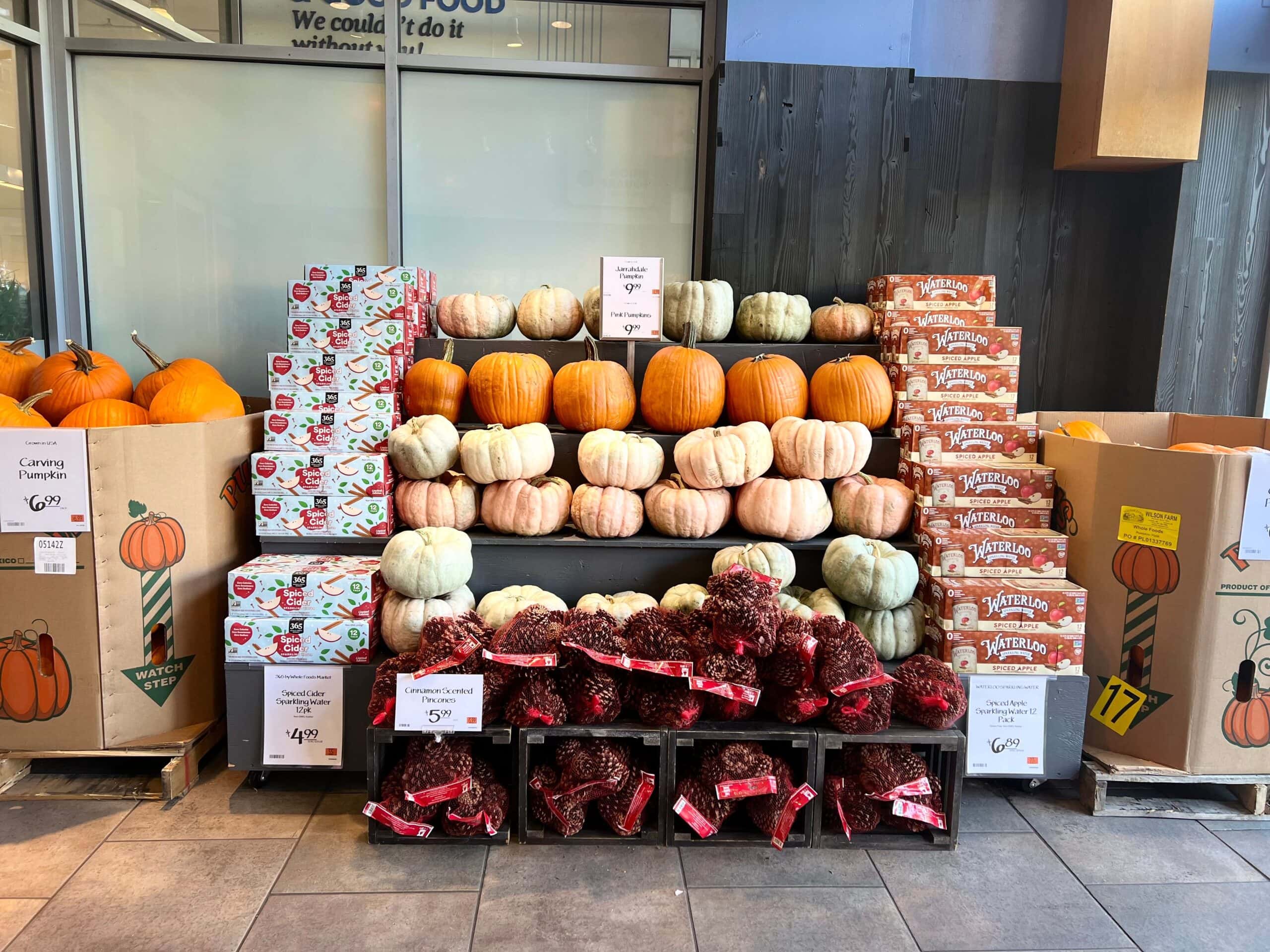
Don’t assume you have to buy everything at the same store. Compare prices on the major components of your meal, particularly the turkey or other main dish, potatoes, vegetables, canned ingredients, and baking supplies. Supermarkets often compete heavily for holiday shoppers and may offer promotions on popular Thanksgiving staples. Pay attention to the final price rather than simply the advertised discount. A sale is only helpful if the item is something you were already planning to buy. If you have access to a loyalty program or grocery-store coupons, check those before shopping as well.
Let Guests Bring a Dish

If you’re hosting Thanksgiving, you don’t necessarily have to provide every single dish yourself. A potluck-style meal can take some of the financial pressure off the host while giving guests a chance to contribute something meaningful. You could provide the turkey and a few traditional sides while asking guests to bring desserts, salads, appetizers, or beverages.
If you’re worried about ending up with five versions of the same dish, assign categories in advance. This approach can also make the gathering feel more collaborative. Instead of one person carrying the entire cost and workload, everyone contributes to the meal.
Choose a Few Affordable Sides
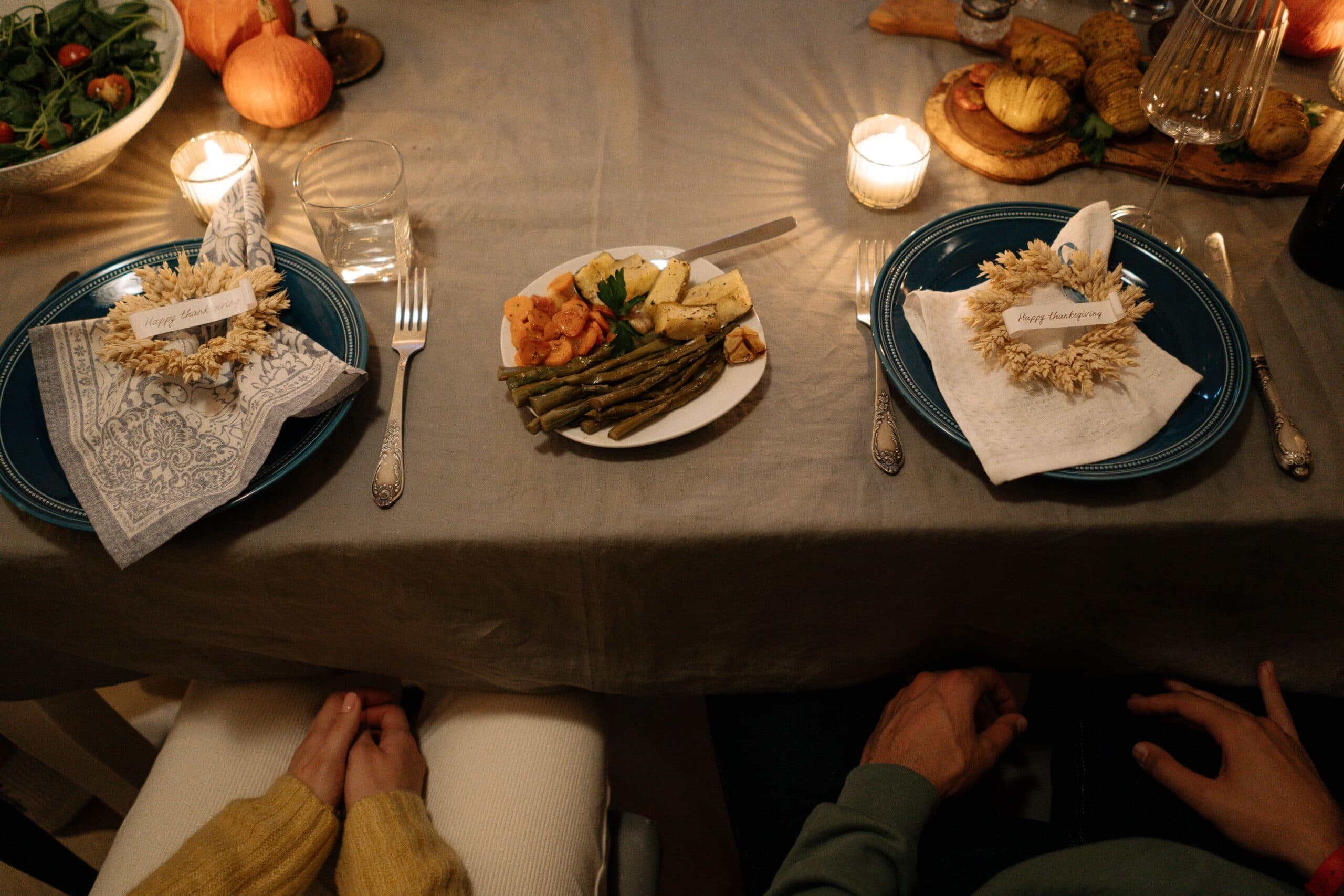
A Thanksgiving table doesn’t need to contain a dozen elaborate dishes to feel abundant. Potatoes, stuffing, carrots, green beans, corn, rolls, cranberry sauce, and other simple sides can feed a crowd without requiring expensive ingredients. Choose a few family favorites rather than making every possible side dish. If there’s one recipe everyone looks forward to each year, keep it. Then fill out the rest of the menu with affordable options. You can also prepare certain dishes from scratch when the ingredients are cheaper than their prepared versions. Just consider the value of your time and choose the approach that makes sense for you.
Use What You Have and Plan for Leftovers
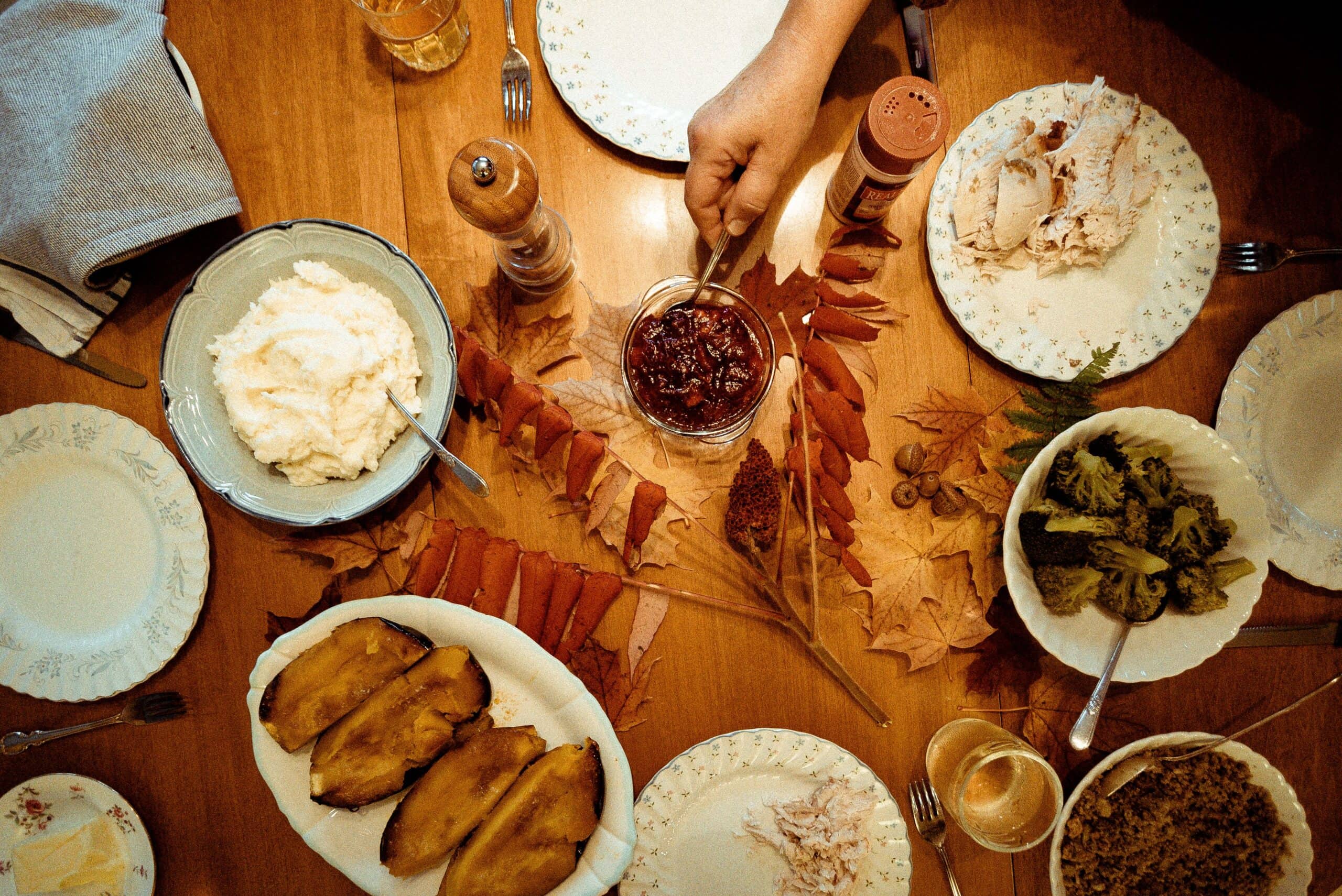
Thanksgiving leftovers can help stretch your grocery spending beyond one meal. Before buying additional ingredients, look for items already sitting in your pantry or freezer that could be incorporated into the menu. After dinner, store leftovers properly and plan how you’ll use them. Turkey can be used in sandwiches, soups, salads, casseroles, and other meals.
Mashed potatoes and vegetables can also be incorporated into new dishes. Just be realistic about how much food your household will actually eat. Cooking twice as much as necessary isn’t a savings if a large portion eventually gets thrown away.
*This article was developed with AI-powered tools and has been carefully reviewed by our editors.






Leave a Reply