
Questions to ask yourself before buying anything $20+ if you want to stop being broke

If you're tired of wondering where your money keeps disappearing, start paying attention before you spend it-not after. Most people don't go broke from one big purchase. It's the steady stream of $20, $30, and $40 decisions that drain you without you even noticing.
Asking a few smart questions before you buy can completely change how your money moves. These are the questions that stop impulse spending, keep your budget on track, and make every dollar count.
Do I already own something that works?

Before buying, check what you already have. A lot of "needs" are actually duplicates-another pair of jeans, a new charger, or a different version of something that's already doing the job.
When you start reusing and repurposing, you realize how much you already have. Half the time, what you're trying to buy is sitting in a drawer somewhere.
Can I wait 24 hours?
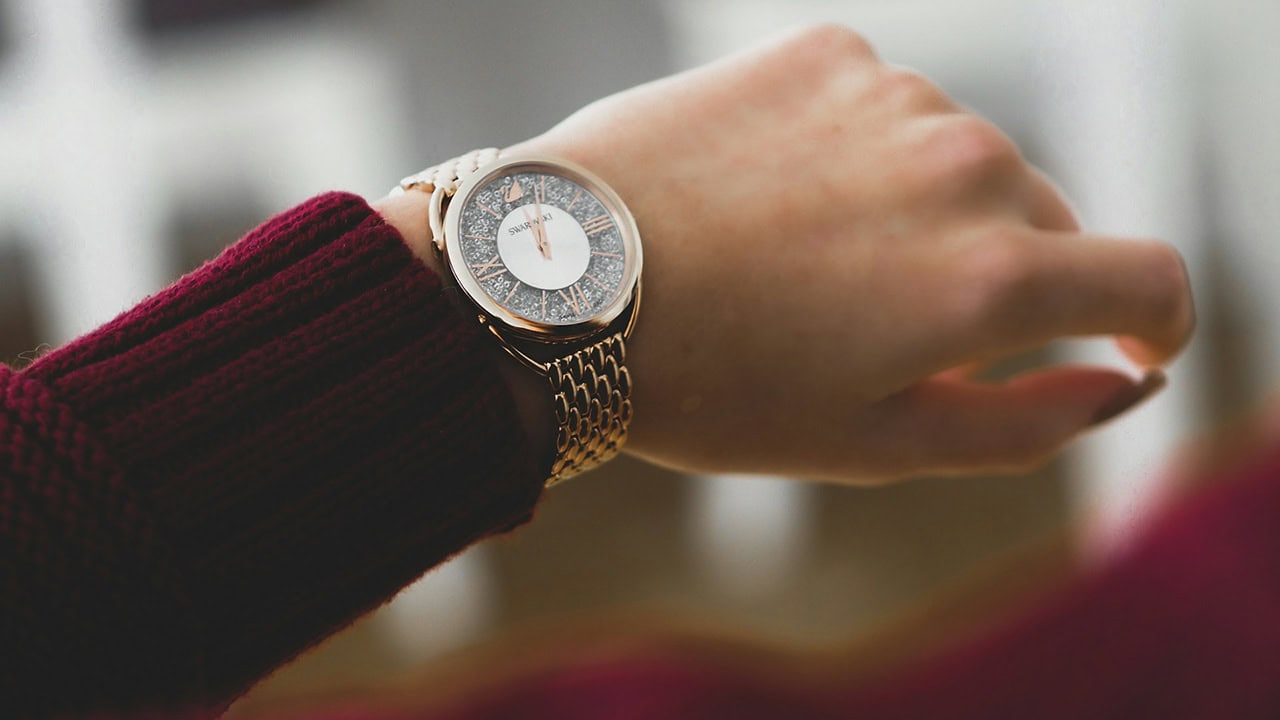
If it's not a true necessity, give yourself a day before spending. That pause kills most impulse buys because the excitement fades once emotion wears off.
If you're still thinking about it after 24 hours, you'll make a clearer decision. Waiting saves you from buying things that feel urgent in the moment but useless later.
How many hours of work does this cost me?

Translate the price into time. If you make $20 an hour and something costs $80, that's four hours of your life. Thinking in hours instead of dollars makes it easier to decide if it's actually worth it.
This perspective builds gratitude for your time and helps you spend intentionally. You'll start valuing what truly adds to your life instead of what fills the cart.
Will this make my life easier long-term-or just today?

Some purchases genuinely simplify things or save time. Others only feel convenient for a moment and turn into clutter later.
Before buying, ask whether the benefit will still matter in a month. If it won't, it's probably temporary satisfaction dressed up as a smart buy.
Is this a want or a problem I'm trying to fix?

Sometimes we shop to solve boredom, stress, or insecurity. The problem is, spending can't actually fix any of that-it only distracts you from it for a bit.
If the purchase doesn't solve a real, lasting problem, it's not helping. Recognizing that difference saves both your money and your peace of mind.
Have I researched the best price?

Before you hit "buy," check for a sale, coupon, or used version. It's not about being cheap-it's about being smart with what you earn.
Prices can vary wildly between stores, and a quick search often saves more than you'd expect. A few minutes of checking around can easily keep $20 in your pocket.
Will this create more expenses later?
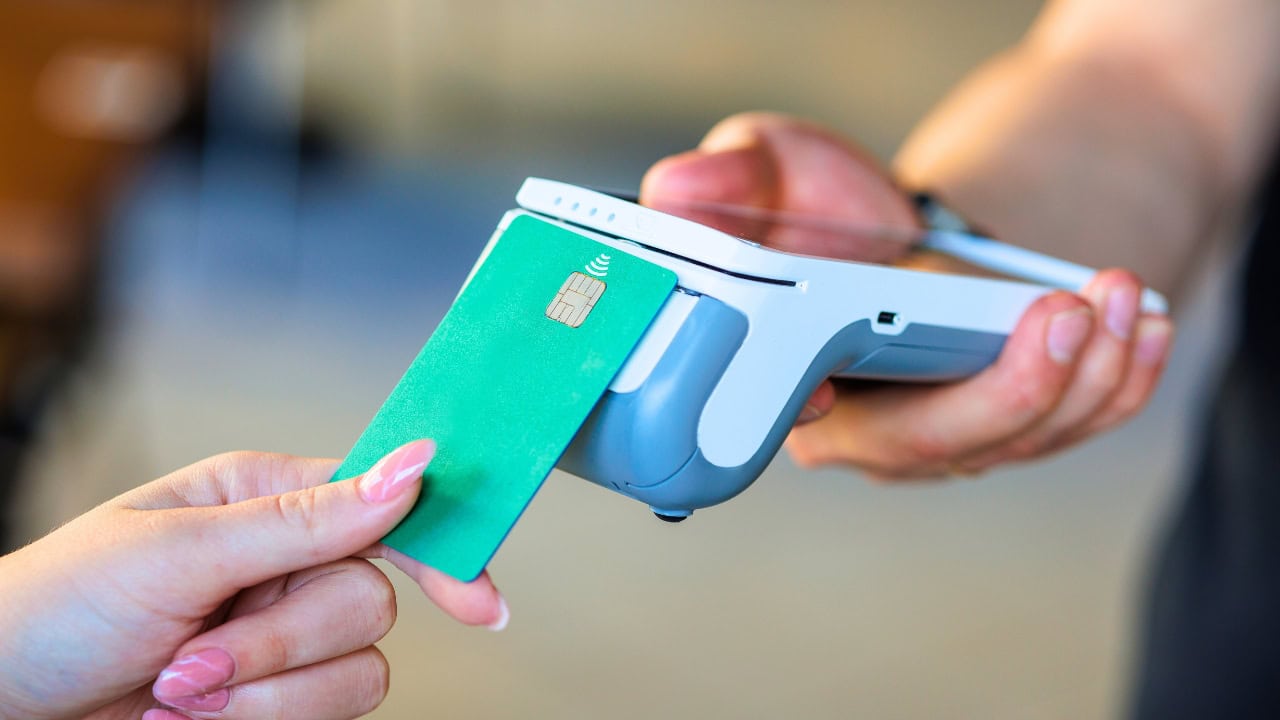
Some purchases come with hidden costs-like refills, maintenance, or upgrades. Before buying, think through what it'll take to keep it running or useful.
Sometimes what looks like a small expense ends up being a long-term drain. Being aware of those future costs helps you avoid money pits before they start.
Would I still want this if no one saw it?

This one stings a little, but it's honest. A lot of what people buy is for show-to look more "put together" or keep up with someone else.
When you strip away that pressure, most of those purchases lose their appeal. Spending for yourself-not for validation-keeps your money aligned with what actually matters to you.
Is this replacing something that's still working?

Upgrading too early is a sneaky budget killer. If what you have is still working fine, you're spending money for novelty, not need.
That doesn't mean you can't ever upgrade-but waiting until something truly needs replacing keeps your spending intentional and your wallet healthier.
Does this help my future self?

Before you buy, ask if the purchase moves you closer to your financial goals or further away. If it won't make life better next month or next year, it's probably not worth it.
You'll start seeing your money differently when every dollar feels like a choice between comfort now and security later. The more often you choose your future self, the faster things change.
*This article was developed with AI-powered tools and has been carefully reviewed by our editors.






Leave a Reply