
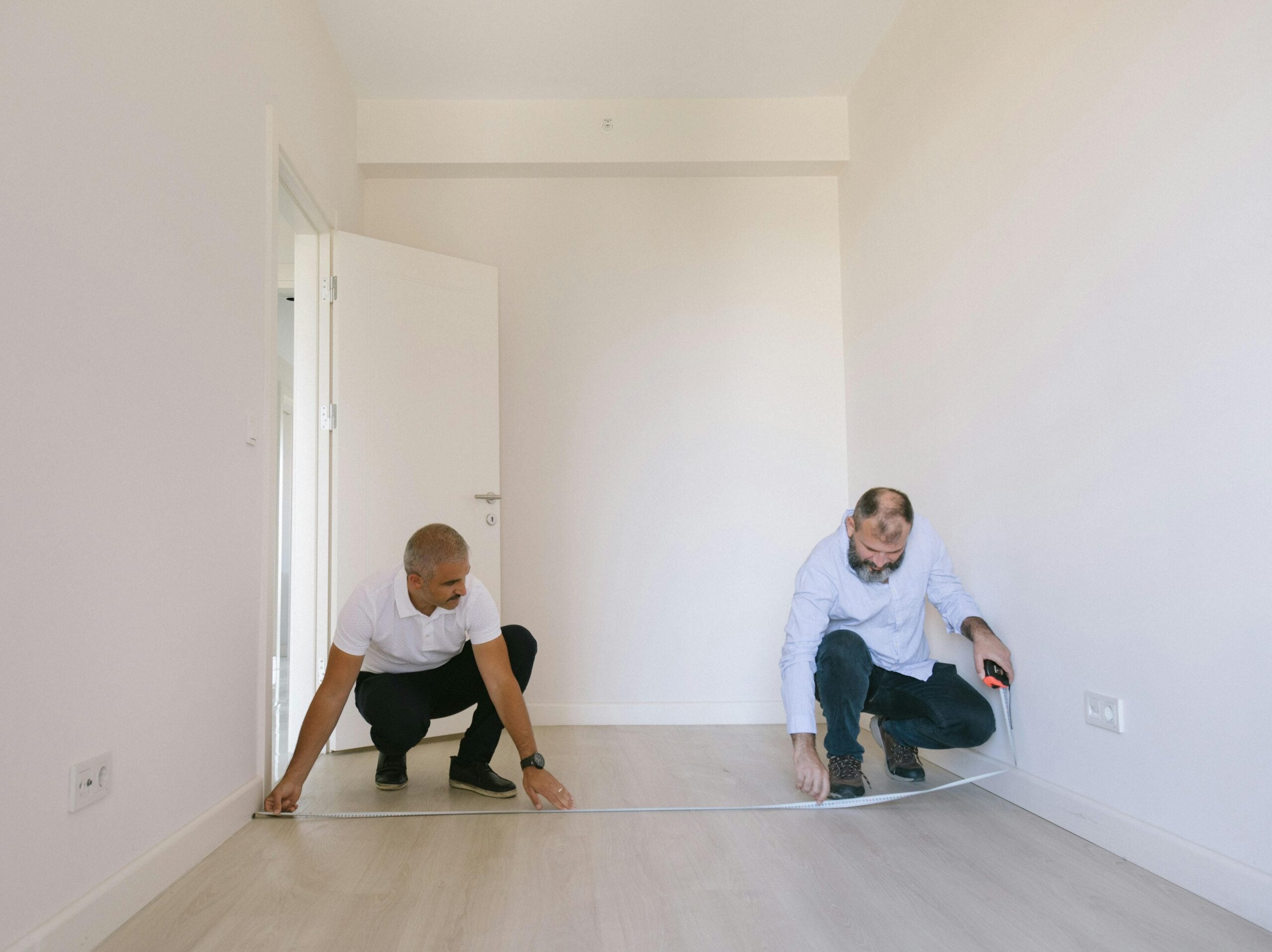
Renters get stuck in a weird spot: you want your place to feel nice, but you don't own it. It's easy to sink money into projects and "upgrades" that mostly benefit the landlord or even cost you part of your deposit later. A lot of the big glossy ideas online weren't written with your lease or your bank account in mind.
Here are the upgrades that usually don't add up once you look at the money and the move-out.
1. Paying out of pocket for major cosmetic changes
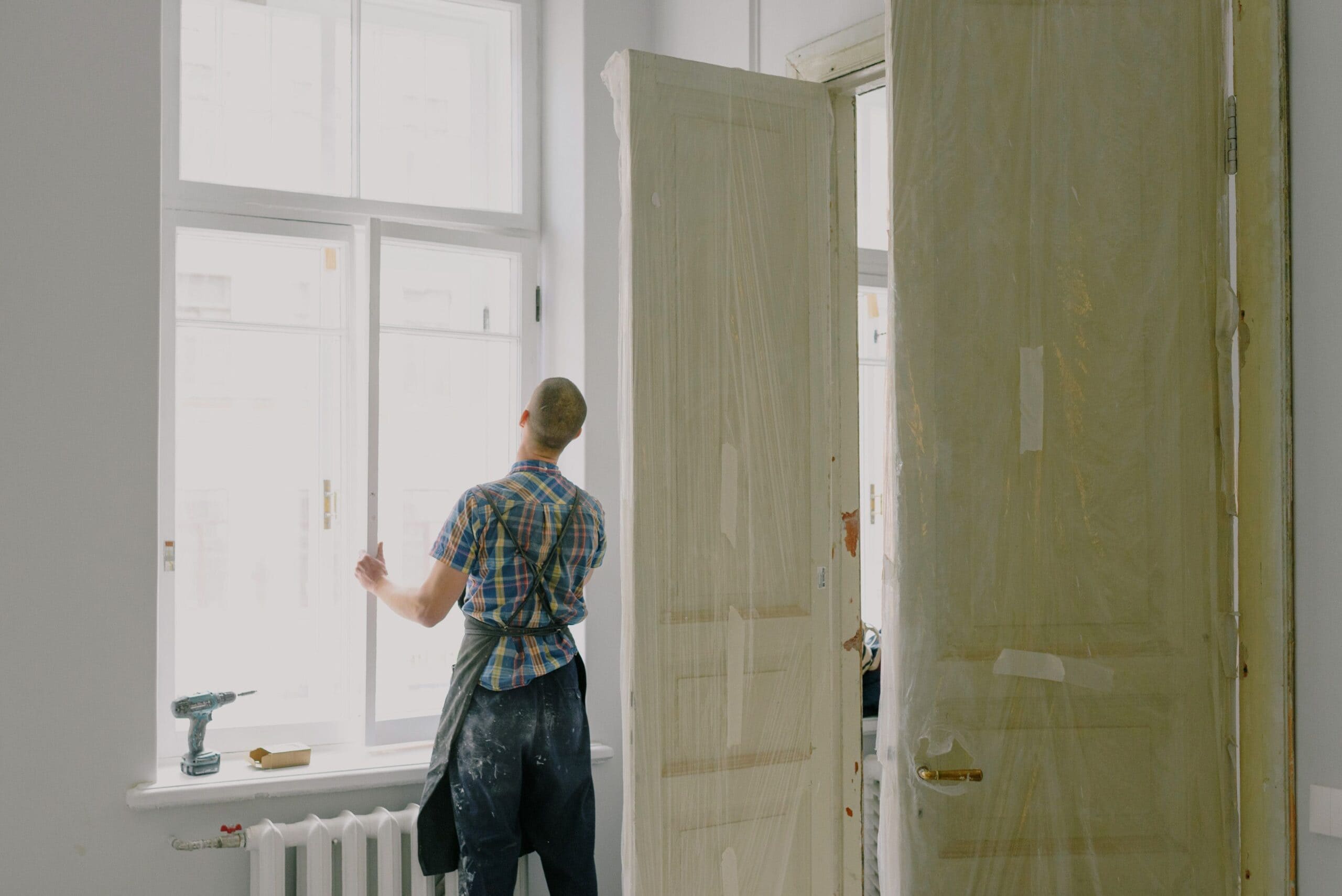
Big changes-new flooring, full accent walls, custom trim, retiling-sound fun until you remember you're investing in a property you don't own. Many leases flat-out say tenants can't make major alterations or require everything to be restored at move-out.
If the landlord doesn't love it, they can keep your deposit, ask you to undo the work, or both. You've paid for materials, labor, and then basically paid again in deposit money. That's a lot of cash to spend on something you can't take with you.
2. Trendy paint jobs that cost you your deposit
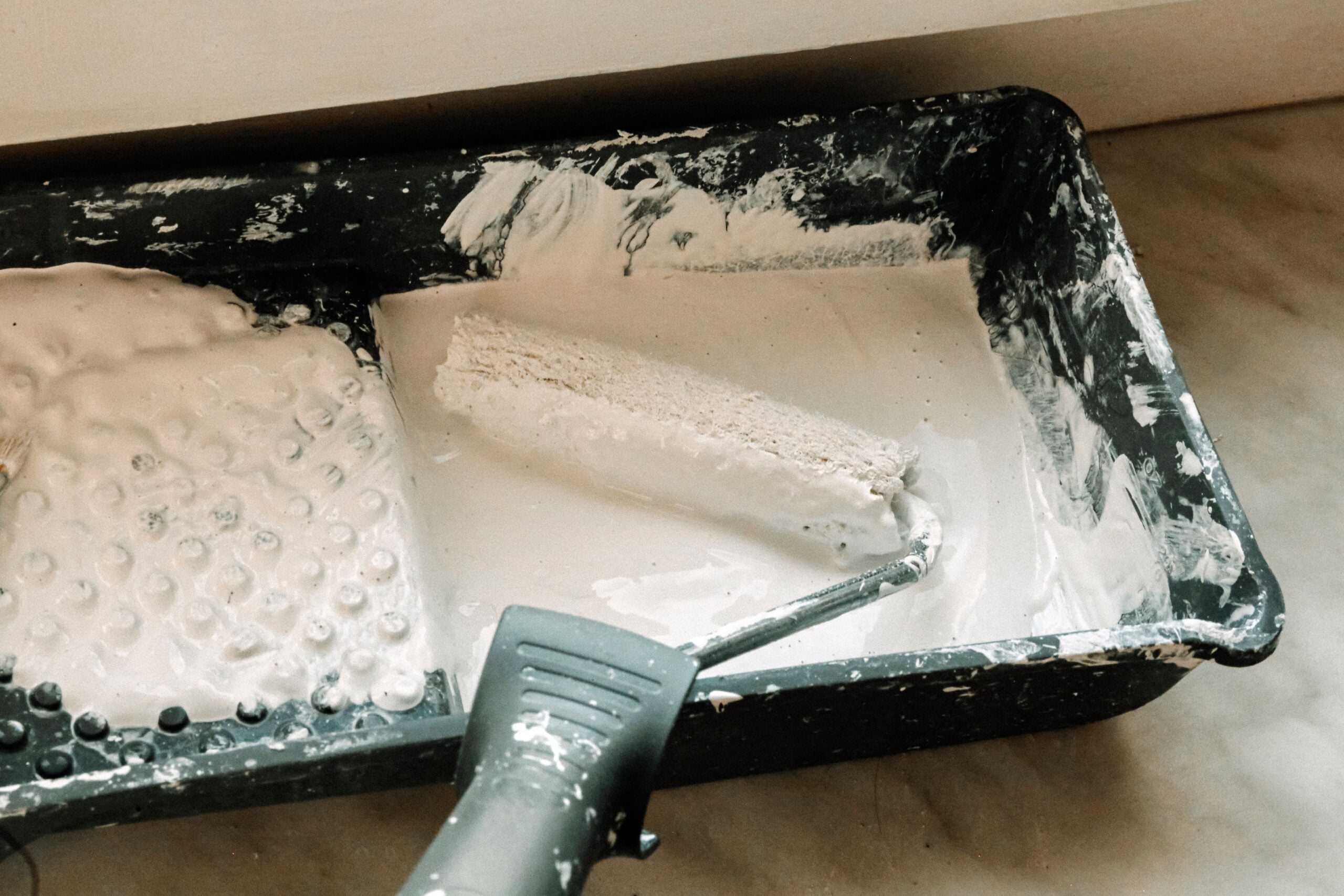
Deep moody walls, multiple colors, murals-social media loves them. Landlords usually don't. Many will use your security deposit to cover repainting if you leave behind bold or unusual colors.
If your lease doesn't clearly allow painting, or you don't have written approval for specific colors, assume you'll pay for the paint twice: once at the store, and once when they repaint after you're gone. Neutral touch-ups that match existing walls are one thing; full redesigns are another.
3. High-end light fixtures you won't reinstall
Swapping light fixtures can make a place feel nicer, but if you don't store the originals carefully and put them back before you move, your landlord may charge to replace them. Property management advice for landlords straight up tells them to require units to be restored to original condition if tenants make changes.
If you forget a bracket, crack a shade, or lose screws, you're now funding new fixtures for the next tenant. That "upgrade" mostly pays off for your landlord, not you.
4. Built-in storage and shelving you can't take with you
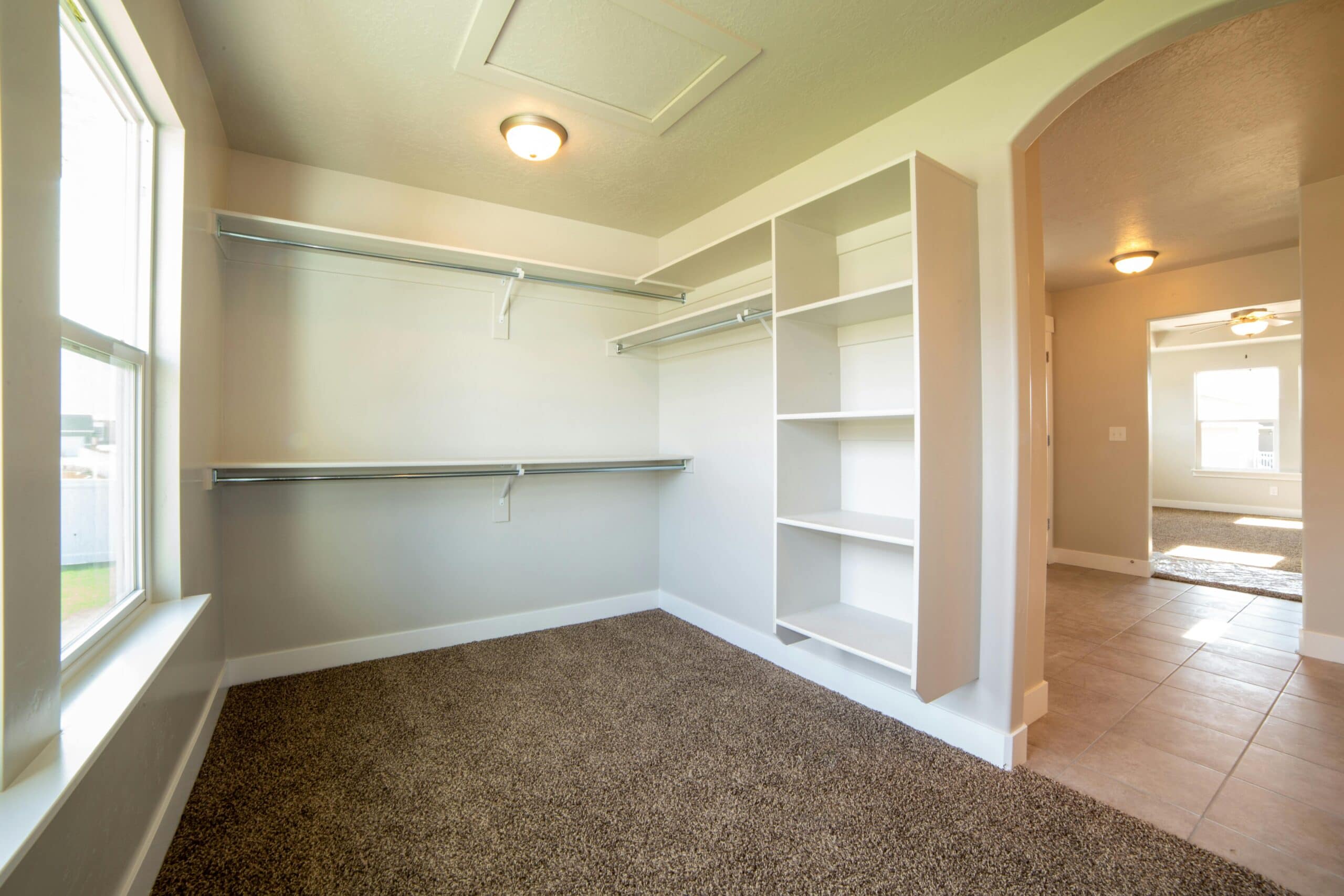
Custom closet systems, built-in shelving, floating cabinets-these feel smart in the moment, but unless your landlord agrees in writing and loves the look, they can decide it has to be removed or altered at move-out.
You're then paying twice: once for the materials and installation, and again to patch walls, repaint, or hire help to remove everything. Portable shelving and freestanding wardrobes give you more flexibility and move with you to the next place.
5. Spending a lot on smart devices in someone else's unit
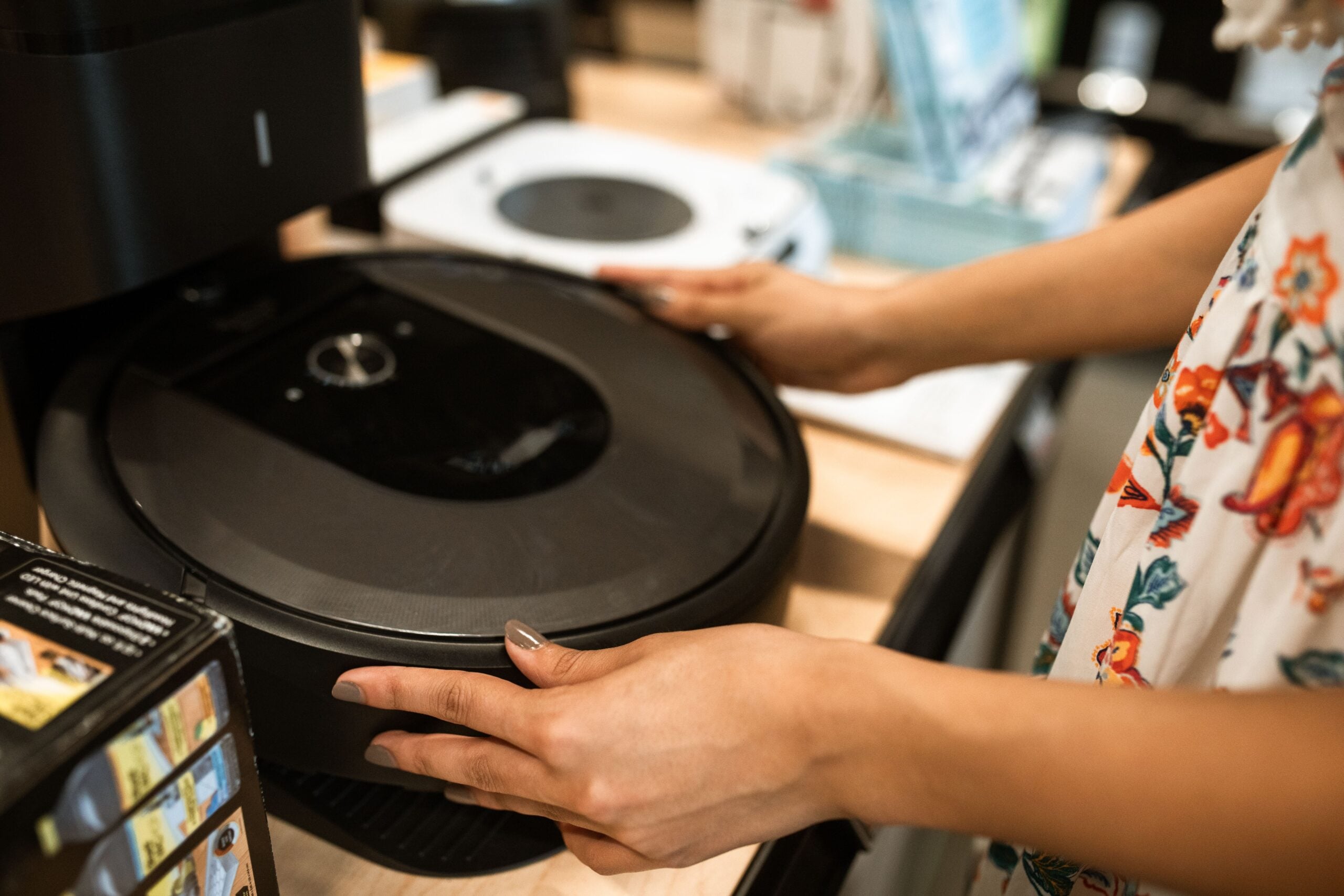
Smart thermostats, locks, and other gadgets can be convenient, but in many buildings, tech amenities already come bundled with a monthly fee-and that fee can be steep. Surveys show renters are paying an average of around $75 a month in tech/amenity charges for things like bulk internet, smart devices, and security.
If you add your own devices on top of that, you're stacking costs. And unless you know you can uninstall and keep the hardware, there's a good chance you're upgrading the unit for the next tenant more than you're improving your own long-term setup.
6. Paying extra for "luxury" amenities you rarely use
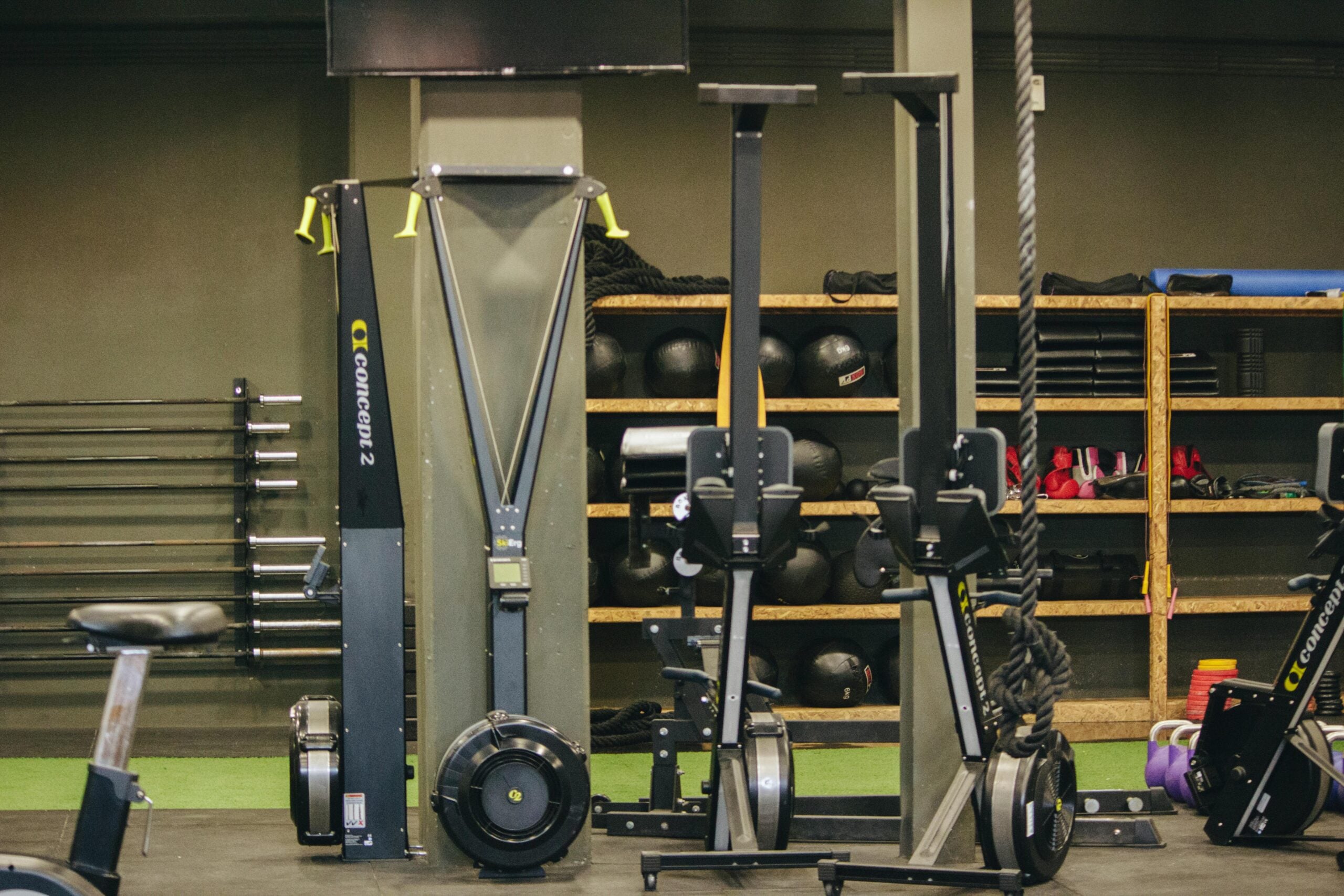
Rooftop lounges, clubhouses, tiny "gyms," valet trash, package lockers-all of that sounds nice on a tour. In practice, amenity and valet trash fees regularly tack $30-$100+ onto monthly costs, even if you almost never use them.
If you're already paying for a real gym or don't mind taking your own trash out, those "upgrades" aren't doing much for your day-to-day life. You're funding the building's marketing photos more than your own comfort.
7. Upgrading appliances that run on the building's bad bones
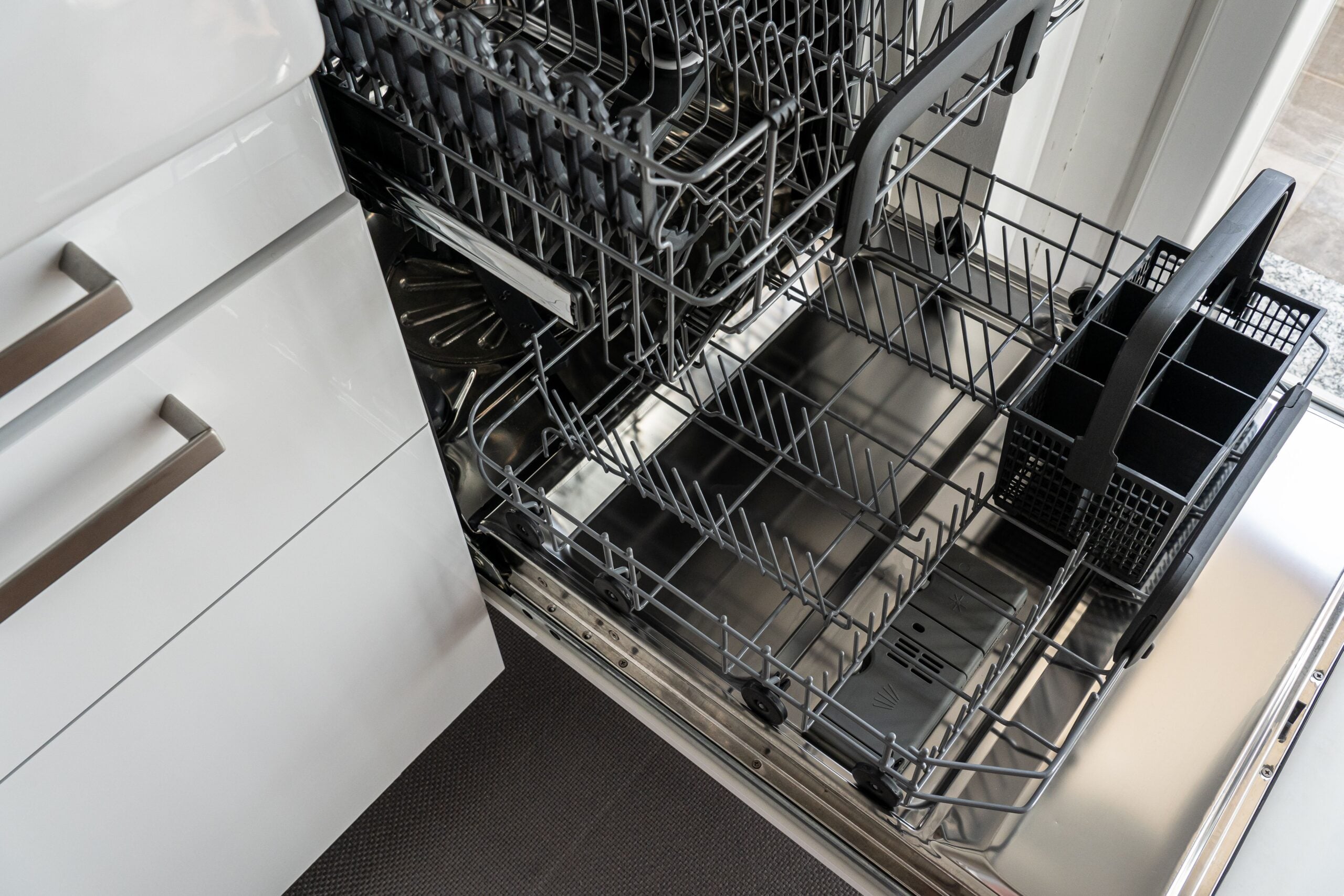
Swapping in a nicer faucet or even a better dishwasher feels like an upgrade, but if the building has old plumbing, sketchy wiring, or tiny hot water tanks, your fancy new thing is limited by the weakest link. Landlord guides warn owners to be careful about tenant-installed fixtures for exactly this reason.
If something goes wrong, you might even get blamed for damage to their systems. Unless your landlord is involved, approves the model, and shares the cost, you're taking on a lot of risk for an upgrade you'll leave behind.
8. Permanent "renter-friendly" projects that aren't actually friendly
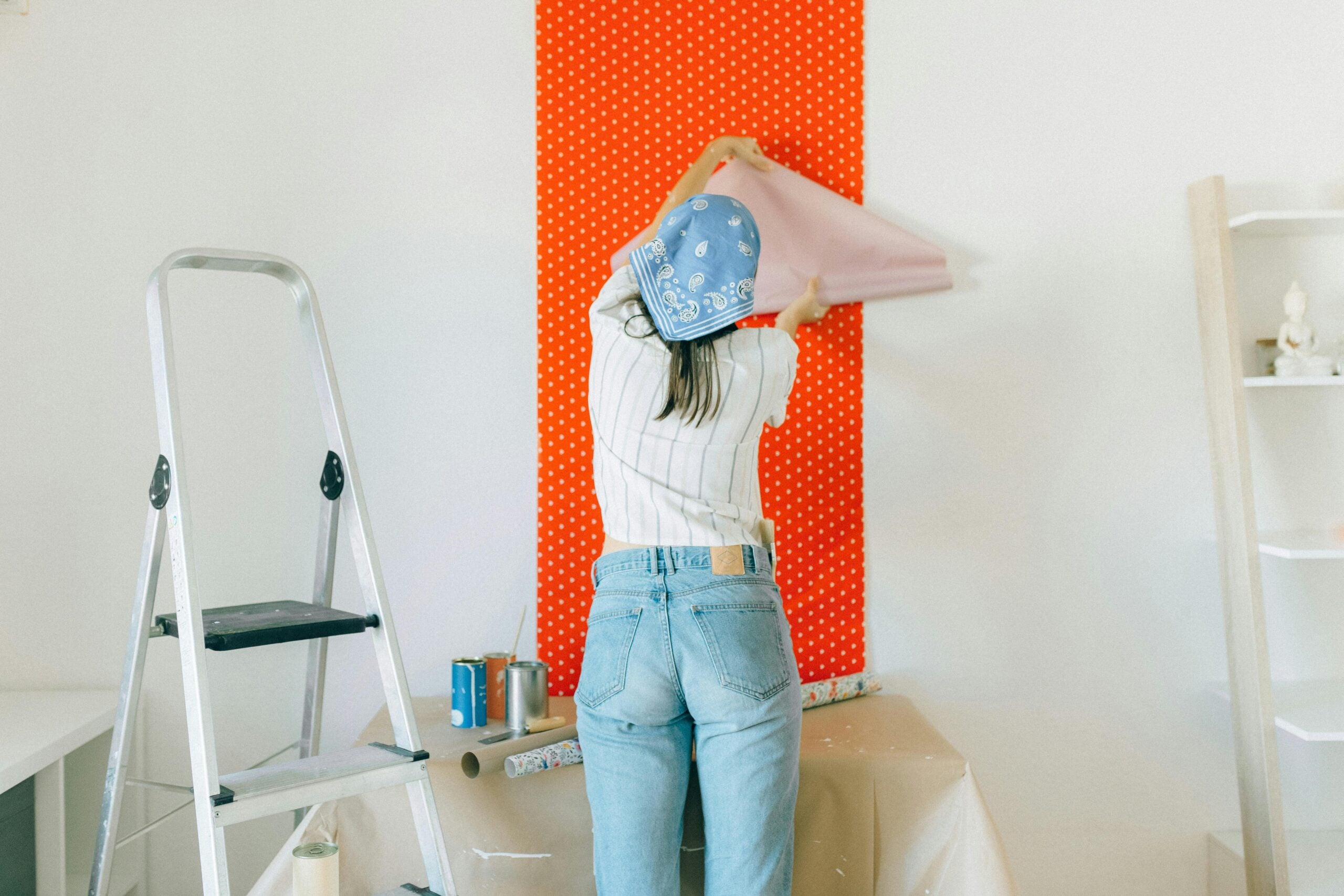
Some peel-and-stick wallpapers, tiles, and flooring really do come off clean. Others tear up paint, leave adhesive, or damage cheap surfaces-and articles on security deposits warn that landlords are within their rights to charge for that damage.
If you haven't tested a hidden patch and checked your lease for alteration rules, you're gambling your deposit on a product label. Removable decor that truly peels off, small nails you can patch, and tension rods are usually safer than full-surface makeovers.
9. Pouring renovation-level money into a short lease

At the end of the day, the big thing that never pays off is treating a rental like a long-term renovation project when you know you're moving again. Even articles aimed at renters say to start by thinking in terms of your deposit amount or one month's rent-if your upgrades blow past that, you're unlikely to "get it back," even emotionally.
You're usually better off spending on things that move with you: rugs, lamps, art, storage pieces, curtains, and organizers. Those still make the place feel better now, but you're not leaving all that money in the walls when the lease is over.
*This article was developed with AI-powered tools and has been carefully reviewed by our editors.






Leave a Reply