

Apartment life is sold as "efficient," but sharing walls can quietly make your bills higher even when you're being careful. You can turn lights off, unplug chargers, and still feel like the costs don't match how you live. A lot of it comes down to how buildings are set up and how your neighbors' habits spill over into your own expenses.
Here's where the money leak usually shows up.
Shared utility billing that ignores how careful you are

In a lot of buildings, your unit isn't separately metered for water or sometimes even gas. Instead, they use RUBS (Ratio Utility Billing System), where the total bill is split based on unit size or headcount-no one cares who actually takes the long showers.
That means your neighbor's 40-minute showers, laundry every day, and full-blast AC show up in your share, even if you're careful. With many setups, about 80% of shared utility costs get pushed to tenants, not the owner. You end up paying more simply because of who lives around you, not how you live.
Poor insulation makes you fight their thermostat choices
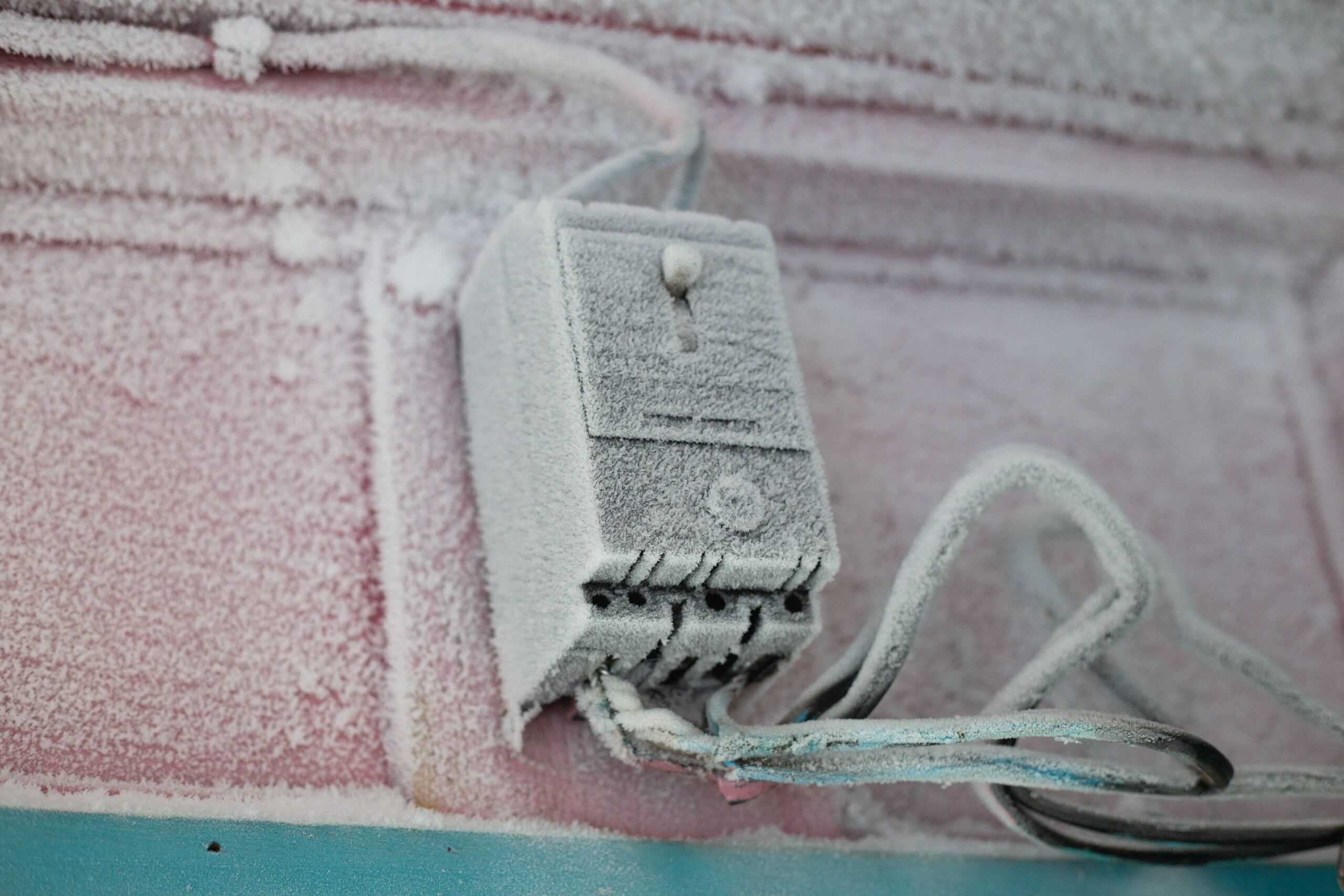
Thin walls don't just mean noise-they also mean heat and cold drifting between units. If your upstairs neighbor runs the heat high or blasts AC all day, your apartment can get drafty in weird spots and harder to keep steady. Better insulation in multi-family homes is known to cut heating and cooling needs dramatically, but many older buildings never got those upgrades.
So you're constantly tweaking your thermostat, running your system longer, and watching your electric or gas bill creep up. You're basically paying to correct for someone else's comfort level plus the building's lack of proper insulation.
Noise and odors push you into buying "fixes"

Shared walls make you more likely to spend money trying to drown things out or filter them. If you've got loud neighbors, you might end up running white noise machines, fans, or air purifiers all night-and those all pull power. Noise complaints are one of the biggest issues in multi-family buildings, especially through walls, ceilings, and windows.
Same with smoke or cooking smells drifting through vents. You can easily talk yourself into a higher-end air purifier, plug-in filters, or constant fan use just to make the place livable. That's all extra cost you wouldn't have in a stand-alone space with more separation.
Building "amenities" you share but don't control
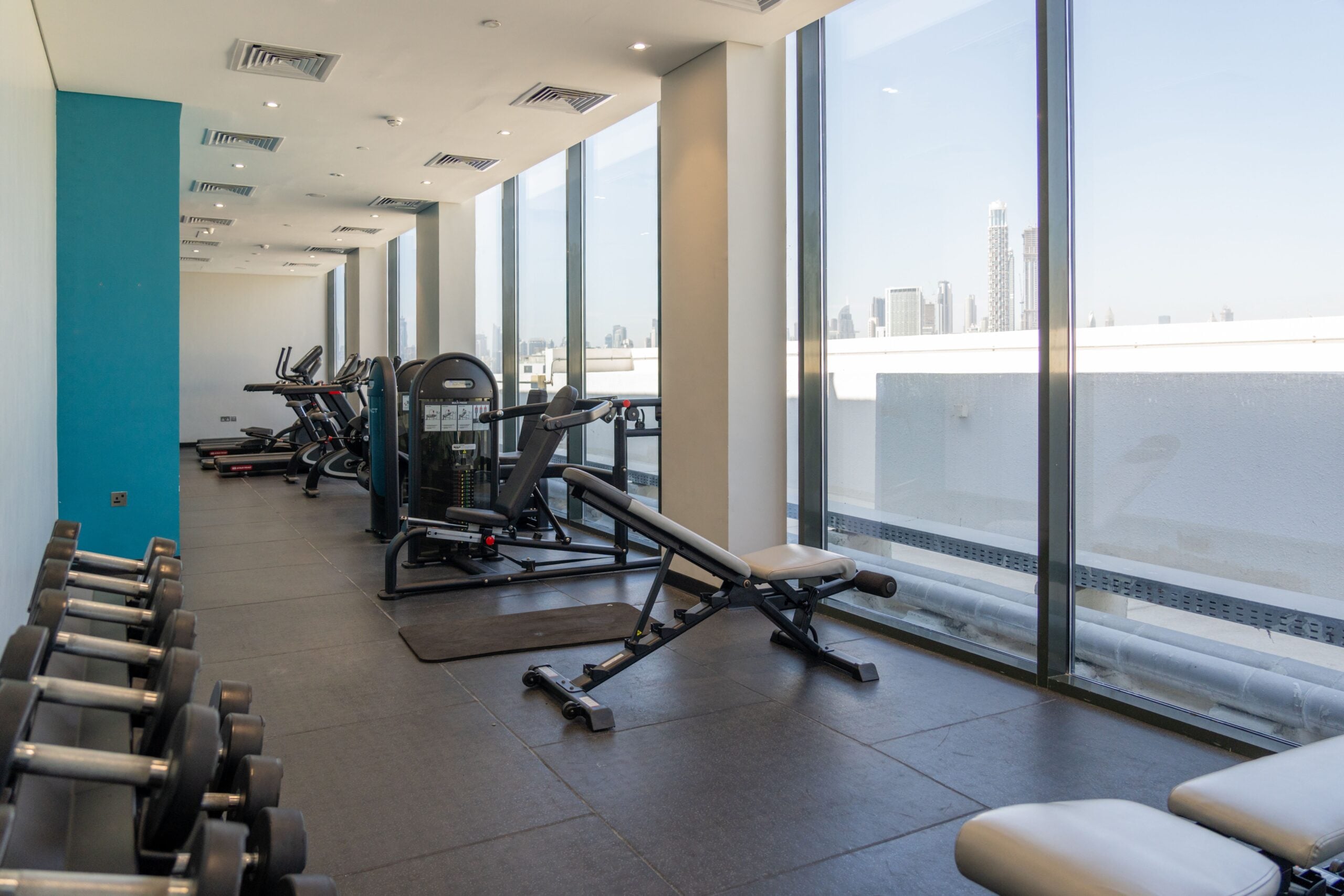
You and your neighbors share gyms, lounges, green spaces, laundry rooms, package lockers, and more-and a lot of the utility cost and upkeep for those gets spread across tenants as amenity or tech fees.
If everyone's running dryers nonstop or leaving lights and TVs on in shared spaces, that waste is baked into the fee you pay every month. You may barely use the gym or rooftop, but you're helping fund the lighting, HVAC, and equipment because it's bundled into your rent.
"Convenience" services that are mandatory either way

Things like valet trash, package handling, bulk Wi-Fi, or tech packages might sound optional, but in a lot of leases, they're required. Valet trash alone can run $10-$40+ per unit monthly, and many complexes roll it into rent or amenity charges.
You don't get a price break for taking your own trash out or using your own internet plan if the lease says everyone pays into the building's system. So your neighbor's love of convenience becomes your higher monthly cost, even if you'd rather skip it.
Building issues that spread from unit to unit
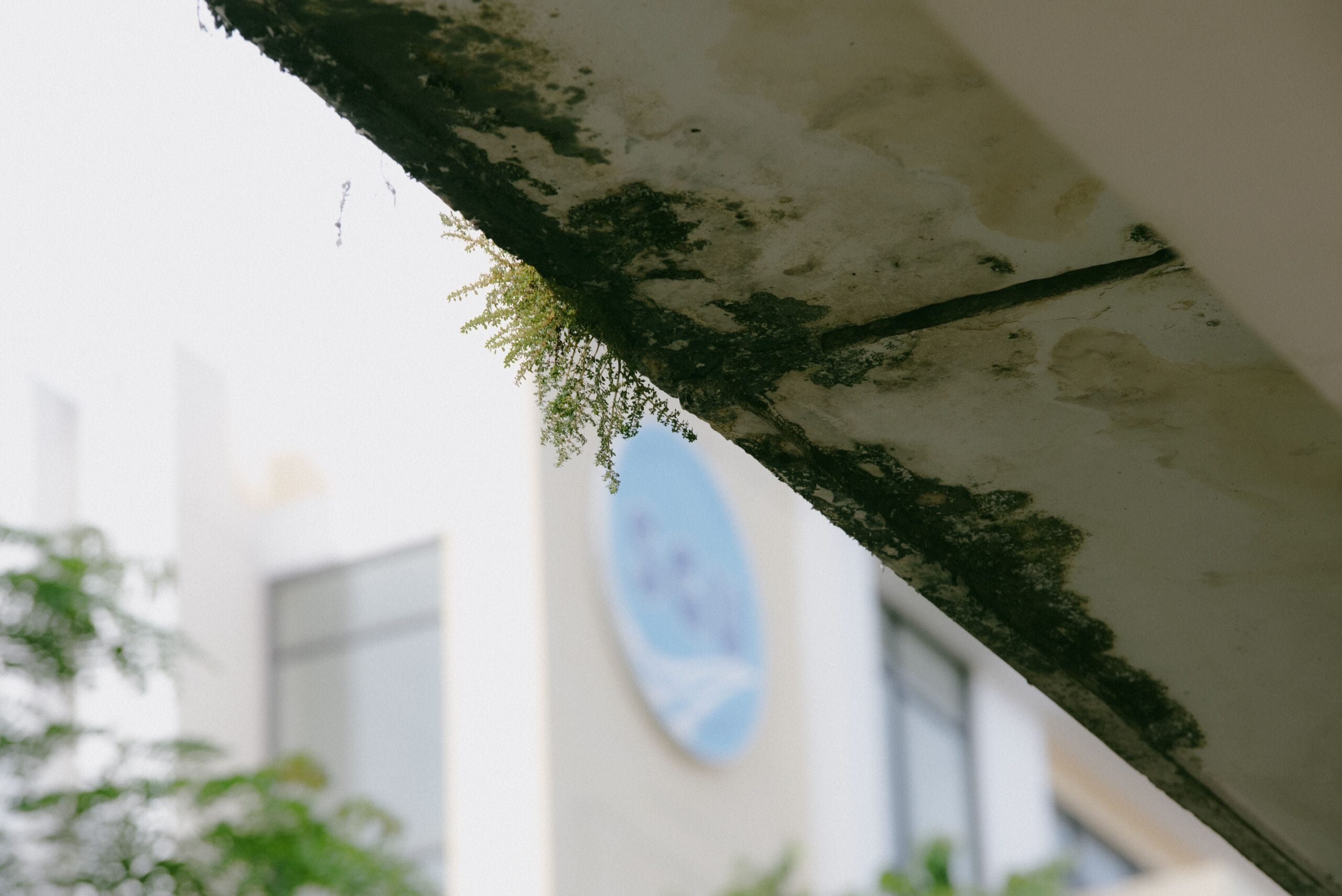
Leaks, pests, and maintenance problems often move through walls, ceilings, and shared plumbing lines. One neighbor's ignored drip or messy kitchen can mean pest control visits or water damage that eventually gets recouped in higher building-wide bills, fees, or rent. Studies on multi-family efficiency and cost allocation show that neglected maintenance and inefficient systems drive overall utility use up for everyone.
You may not see a line item that says "your neighbor's leak," but the building's higher expenses flow back to residents over time. Careful renters end up paying for problems they didn't cause, simply because everything is connected behind those shared walls.
*This article was developed with AI-powered tools and has been carefully reviewed by our editors.






Leave a Reply