

When you’re trying to improve your finances, it’s easy to focus on big milestones. Paying off a mortgage, building a six-figure retirement account, or saving for a home can feel like the ultimate goals.
But financial progress doesn’t always happen through dramatic changes. Sometimes, it’s the small decisions you make repeatedly that eventually make the biggest difference. You don’t need to completely overhaul your lifestyle to start making progress. Here are five small financial wins that can add up over time.
Saving an Extra $20 Each Week
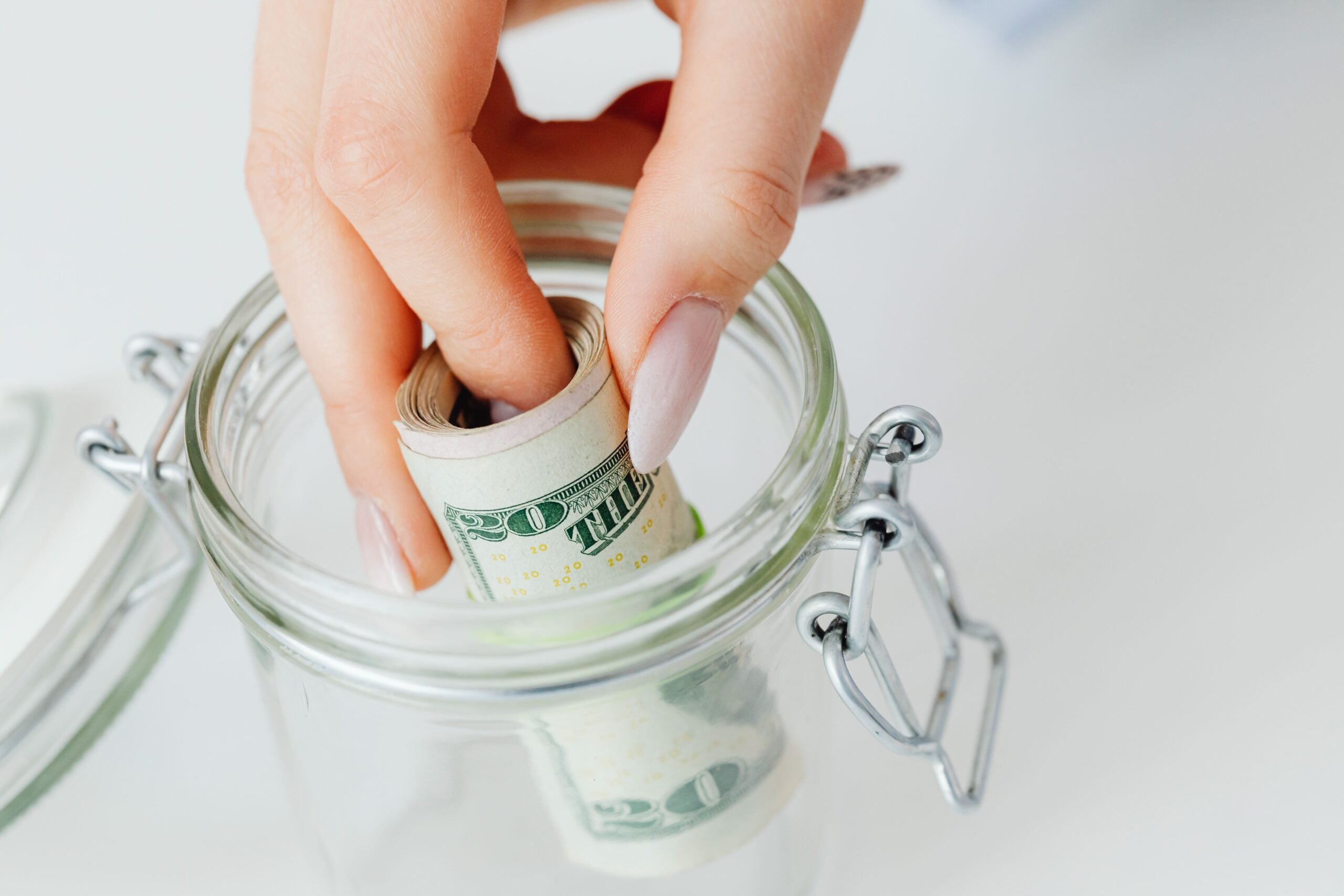
Twenty dollars may not seem like enough to make a difference, but consistency is what matters. Setting aside an extra $20 each week would give you more than $1,000 over the course of a year. You could put it toward an emergency fund, a vacation, a debt balance, or another financial goal. The amount may be small, but developing the habit of saving regularly is the bigger win.
Cutting One Unused Subscription

It’s easy to accumulate subscriptions and memberships that we rarely use. Take a few minutes to review your recurring charges and identify one service you could live without. Canceling a $10 monthly subscription, for example, would free up $120 over a year. You don’t have to cancel everything. Removing even one unnecessary expense can create a little more breathing room in your budget.
Bringing Lunch From Home

Buying lunch during the workweek can quietly become a significant expense. If you normally spend $10 on lunch and bring food from home just three days a week instead, you could potentially save around $30 each week. Over a year, that could add up to roughly $1,500. You don’t have to stop eating out completely. Simply replacing a few purchased meals with meals you already have at home can make a noticeable difference.
Increasing Your Savings by 1%

If you’re already saving regularly, consider increasing your savings rate slightly. An additional 1% of your income may not feel like a major sacrifice, especially if the increase happens automatically with each paycheck. Over time, however, those additional contributions can help your savings grow faster. Whenever you receive a raise, you could also consider directing a portion of the increase toward savings instead of immediately increasing your spending.
Waiting Before Making Impulse Purchases

One of the easiest ways to save money is to avoid buying things you don’t really want. Before making a nonessential purchase, try giving yourself 24 hours to think about it. For more expensive purchases, consider waiting even longer. You may discover that the excitement disappears once you’ve had time to think about whether you actually need the item. Every purchase you don’t make is money that can stay in your savings account instead.
*This article was developed with AI-powered tools and has been carefully reviewed by our editors.






Leave a Reply