

No one gets everything right when it comes to managing money. Looking back, I’ve made my fair share of financial mistakes-from impulse purchases to forgetting about subscriptions I no longer use. At the time, none of these decisions seemed like a big deal, but over the course of a year, they added up to a surprising amount.
The good news is that improving my budget didn’t require a higher income or a complicated financial plan. If you’re trying to get more out of your paycheck, here are eight money mistakes worth avoiding.
Shopping Without a Plan

Walking into a store-or browsing online-without a shopping list almost always led to unnecessary purchases. I’d spot items that looked useful or were marked down and convince myself they were good deals. More often than not, they ended up sitting unused. Now I make a list before I shop and stick to it as closely as possible. Having a plan helps me avoid distractions and keeps my spending focused on what I actually need.
Treating Every Sale Like an Opportunity
I used to believe I was saving money every time I bought something on sale. In reality, I was often spending money simply because the price had been reduced. Now I only consider sales on items I already planned to purchase. If I wasn’t going to buy it at full price, a discount usually isn’t enough to change my mind.
Waiting Too Long to Pay Bills
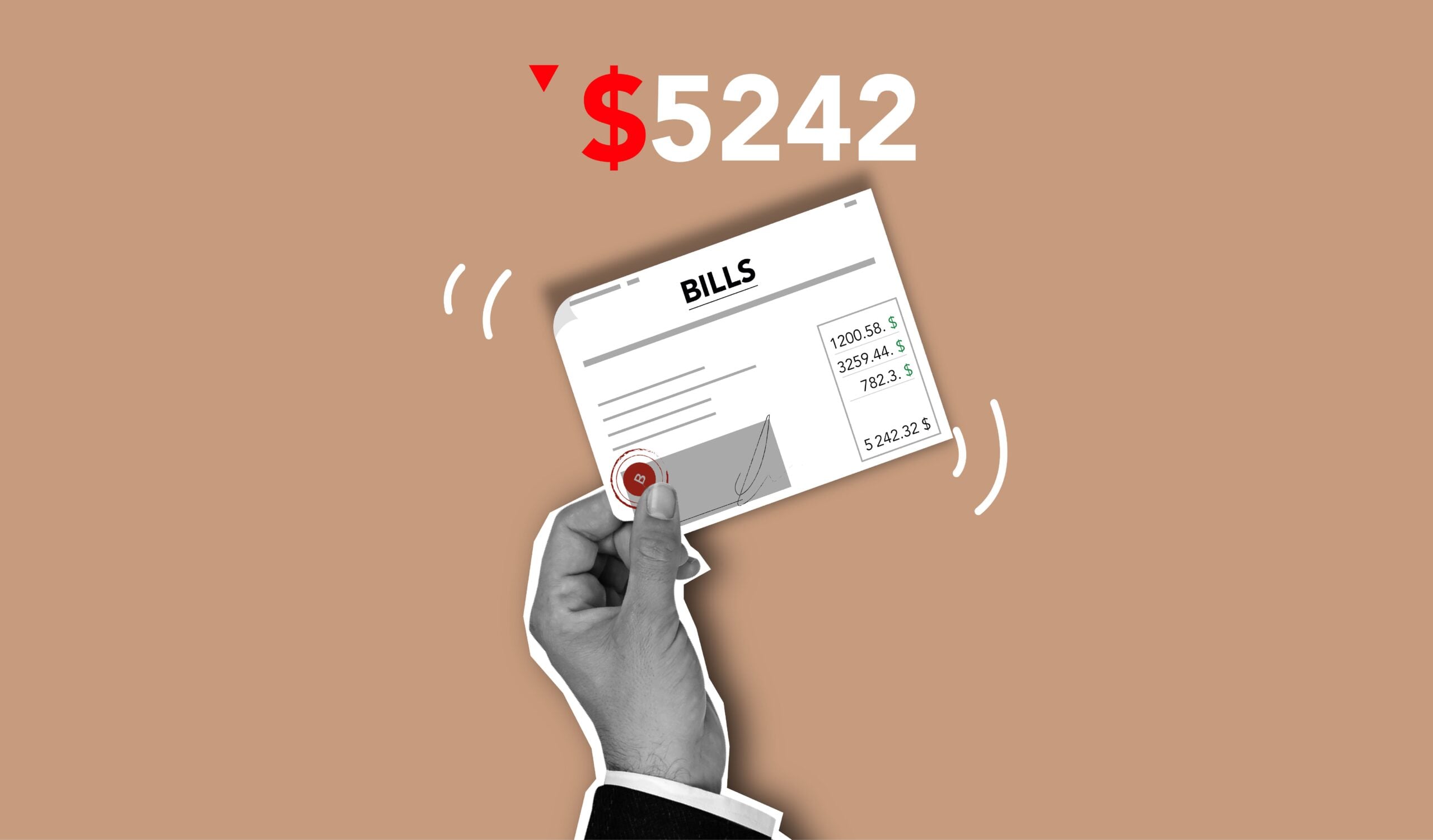
There were times when I’d put off paying bills until the due date-or worse, after it. Besides the stress of worrying about deadlines, late payments sometimes resulted in unnecessary fees. Setting up reminders and paying bills as soon as possible has helped me avoid penalties while keeping my finances much more organized.
Ignoring Small Recurring Expenses

Monthly charges can quietly grow over time. Whether it’s a streaming service, cloud storage, premium app, or subscription box, it’s easy to forget about recurring payments once they’re automated. I now review my subscriptions every few months to make sure they’re still worth paying for. Canceling even a few unused services freed up money that I could put toward savings instead.
Buying the Cheapest Option Every Time

This might sound surprising, but buying the least expensive item isn’t always the smartest financial decision. I’ve learned that certain purchases-like shoes, cookware, or small appliances-often last much longer when I choose quality over the absolute lowest price. Spending a little more up front has helped me avoid replacing the same items over and over again.
*This article was developed with AI-powered tools and has been carefully reviewed by our editors.






Leave a Reply