
12 items I stopped rebuying thanks to smart storage
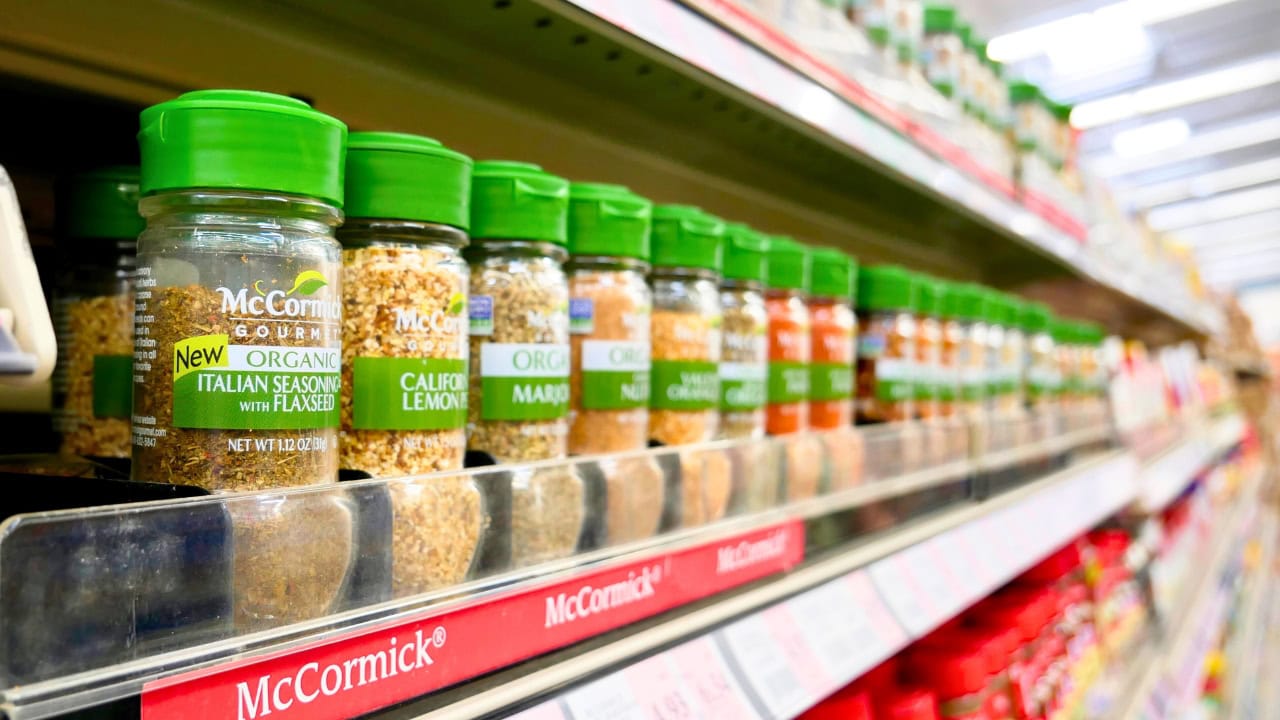
Buying duplicates happens more often than you realize. You think you're out of something, grab another at the store, and later find three more buried in the back of a cabinet. That kind of waste adds up-not just in money but also in clutter.
Once you set up smarter storage, you'll see how much easier it is to know what you already own and stop rebuying the same items.
Spices
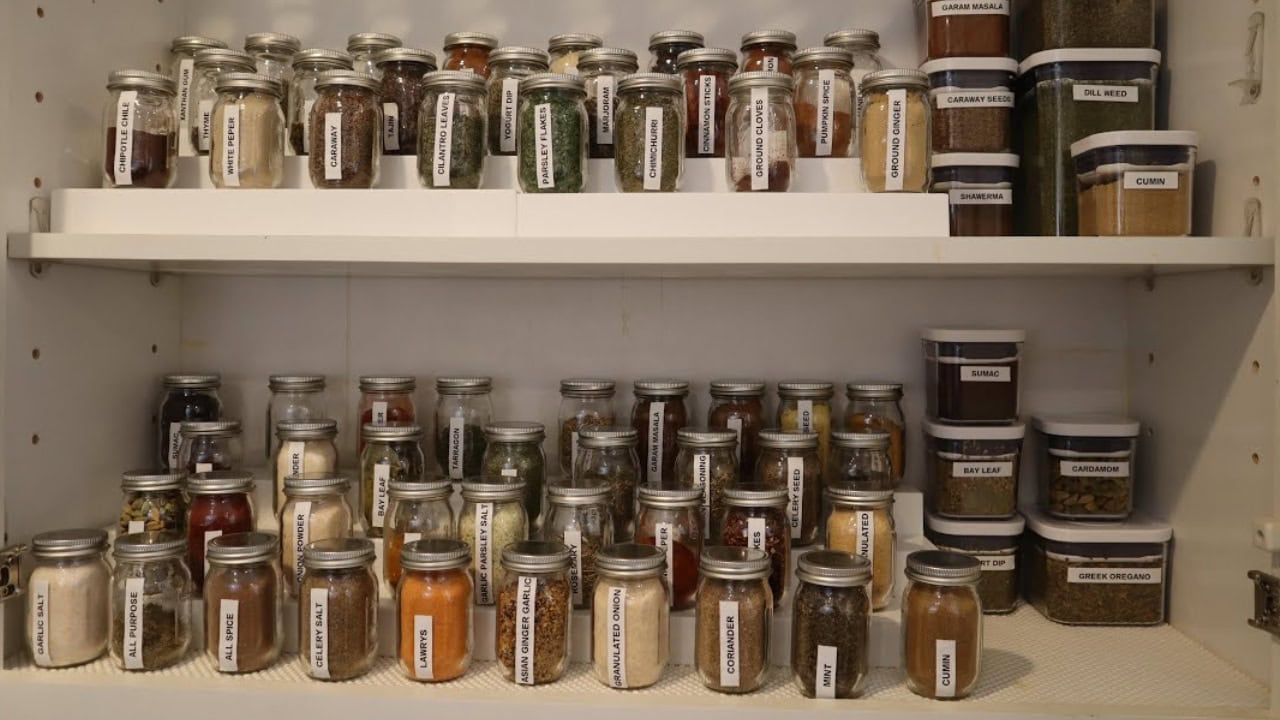
Spices are one of the most common things people rebuy because they get lost in deep cabinets. Using a tiered rack or clear containers helps you see every jar at a glance.
Once you store them in a way that's visible, you realize you don't need three chili powders or multiple bottles of cinnamon. That alone saves you $20 or more over time.
Cleaning Sprays
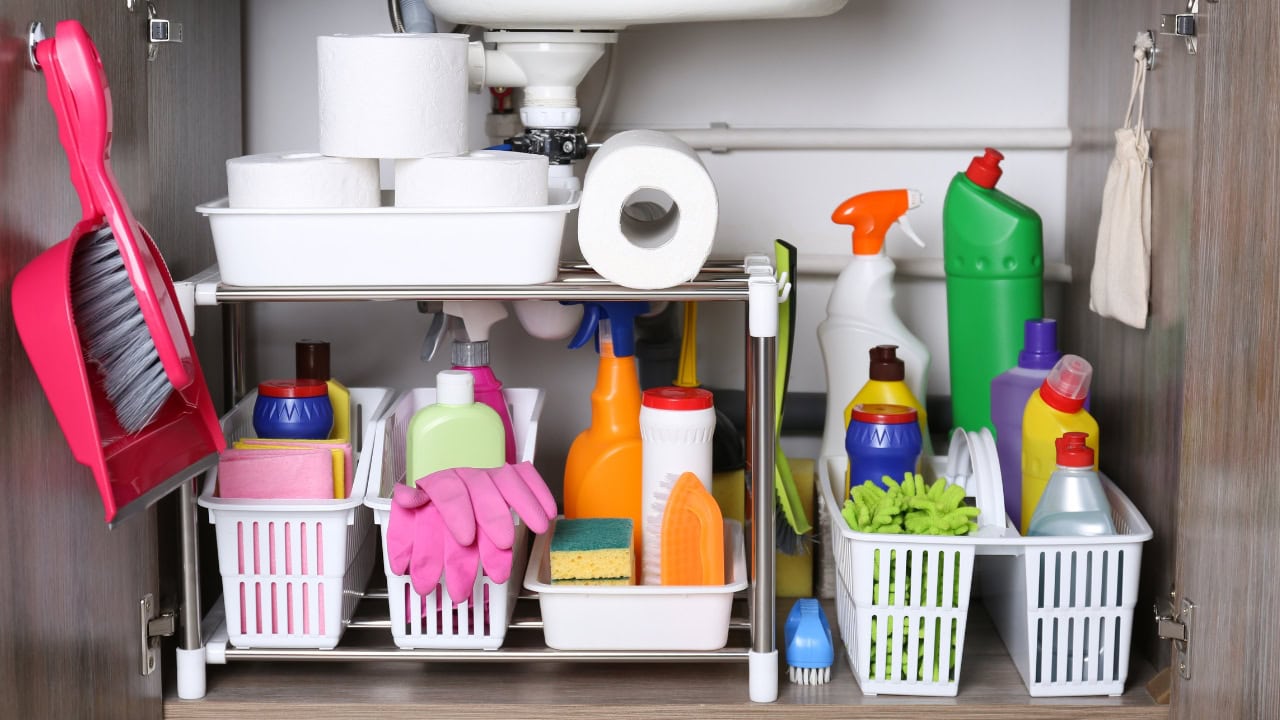
It's easy to buy more cleaner when you can't find the one you already have. Storing sprays together in a caddy or under-sink organizer keeps them visible and ready to grab.
This habit not only saves you money but also keeps you from stockpiling half-used bottles that just take up space.
Paper Towels
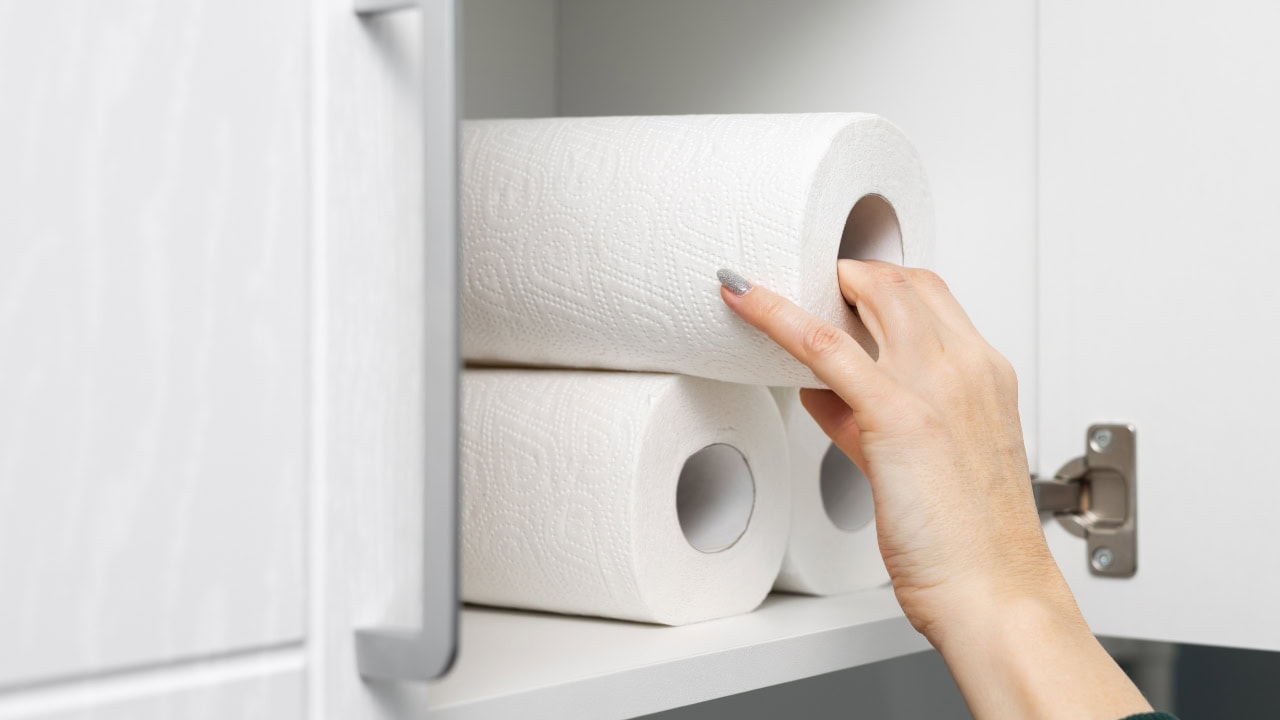
Paper towels often get tucked into random closets or the garage, making you think you're low when you're not. Keeping them in one designated spot helps you see your true supply.
With better storage, you'll use what you have before buying more, which means fewer wasted trips and less overspending.
Toiletries
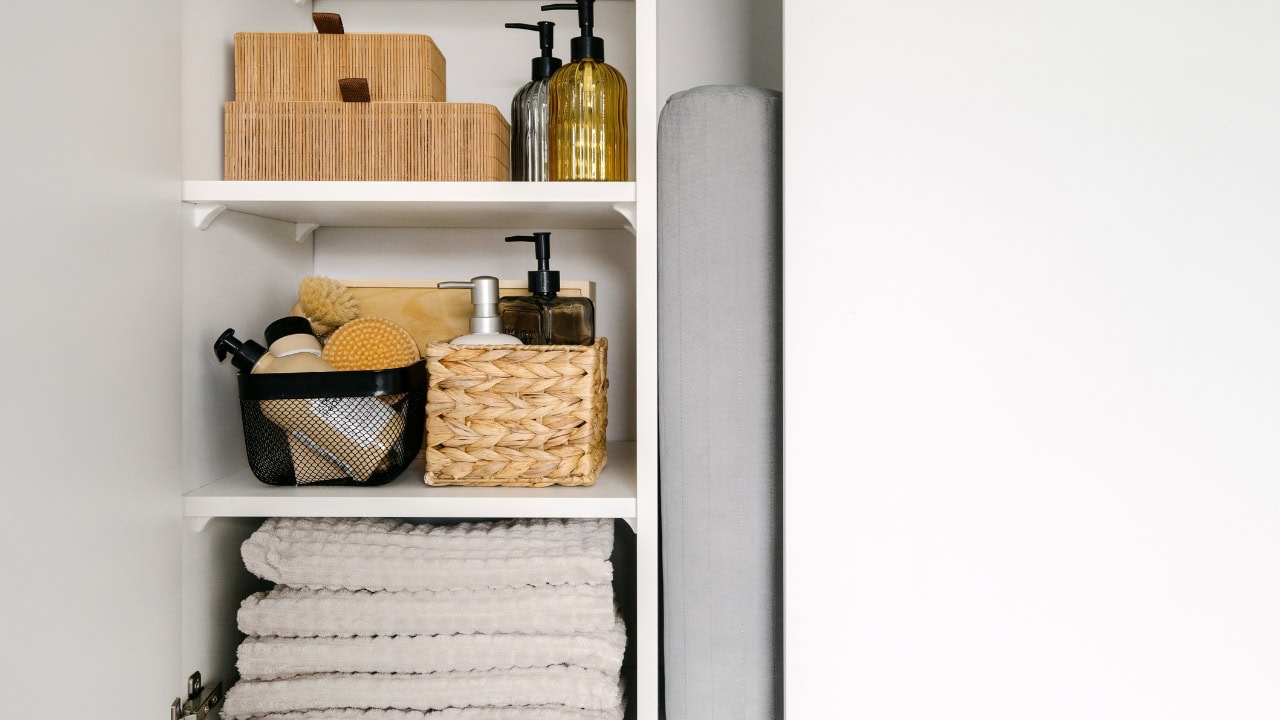
Extra shampoo, conditioner, and body wash add up quickly when you can't see what's already at home. Bathroom storage bins or a dedicated shelf help you keep track.
This prevents clutter in your bathroom and keeps you from buying yet another bottle of something you didn't actually need.
Batteries
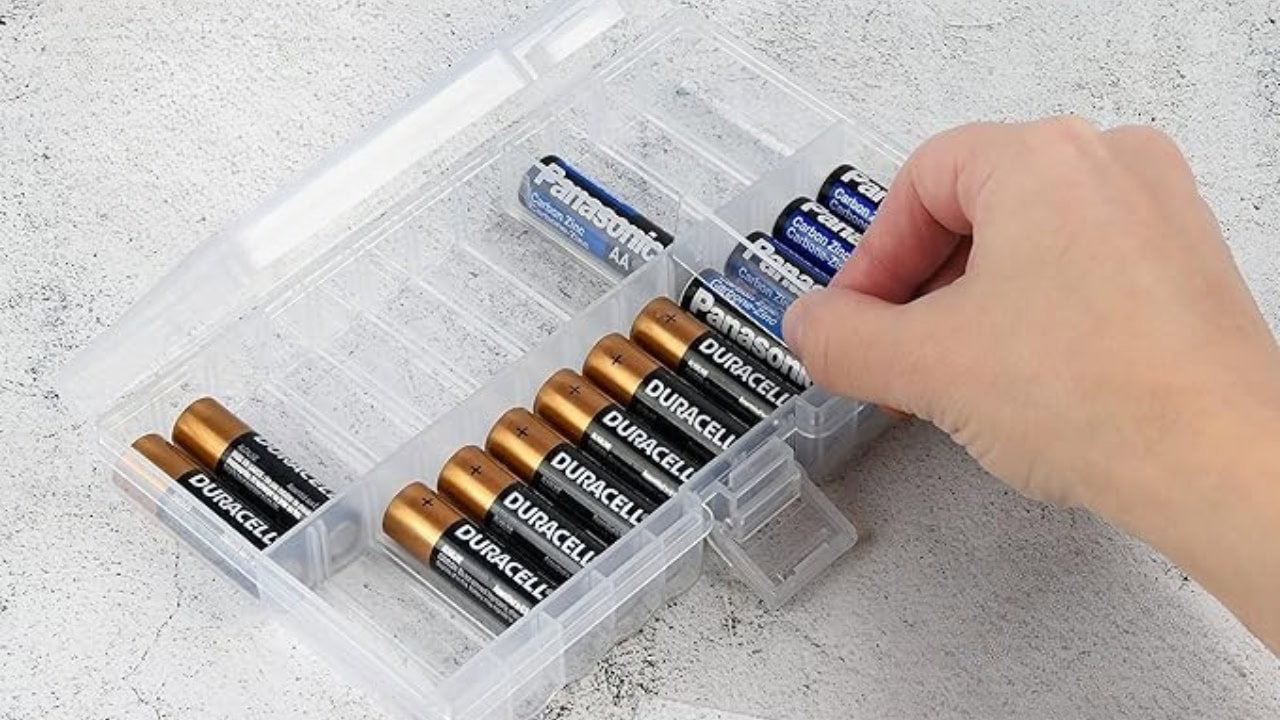
Small items like batteries are notorious for going missing. A storage box with compartments makes it easy to know exactly how many you have.
Instead of grabbing another pack "just in case," you'll know whether you really need them. That's $5-$10 saved every time.
Pantry Staples

Flour, sugar, rice, and pasta often get bought in duplicates because they're hidden in messy pantries. Using clear containers lets you see what's running low.
It also helps you rotate what you have so nothing expires before you use it. That means fewer wasted bags of food and more money in your pocket.
Light Bulbs
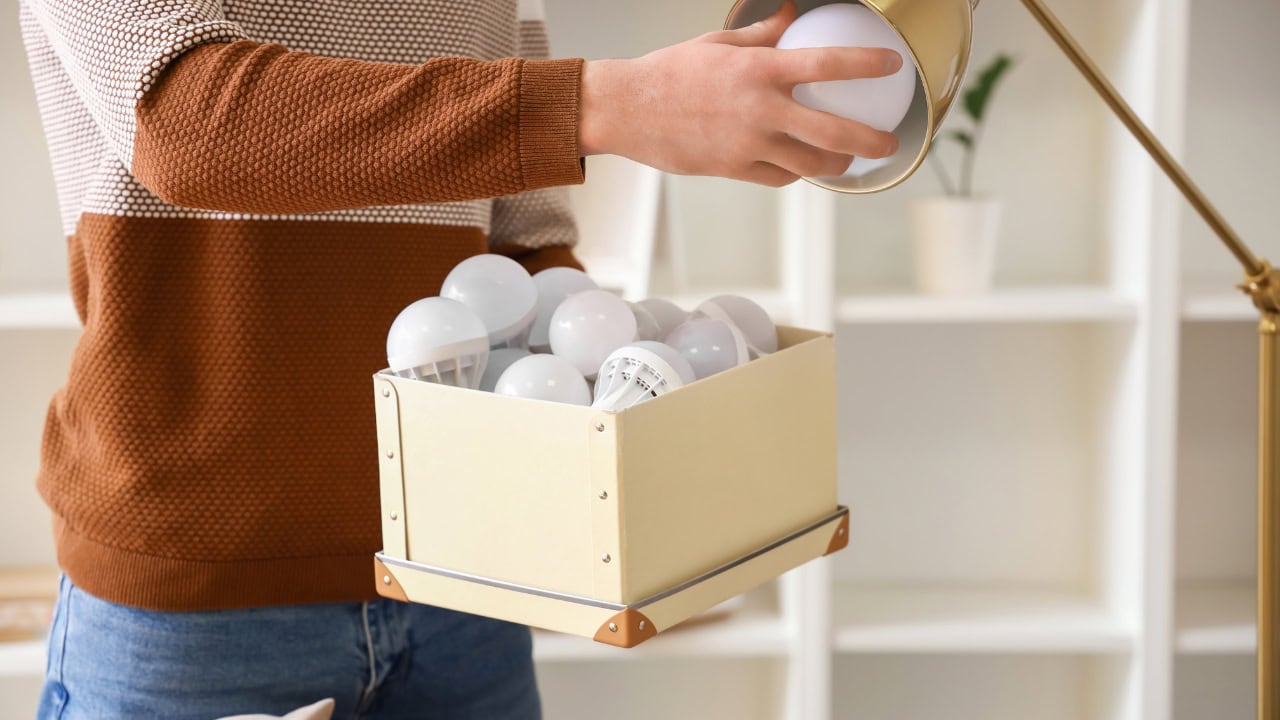
Light bulbs get stashed in different places around the house, making it easy to think you're out when you're not. Keeping them in a labeled container solves that problem.
When you always know where the extras are, you stop running to the store for an unnecessary pack.
First Aid Supplies
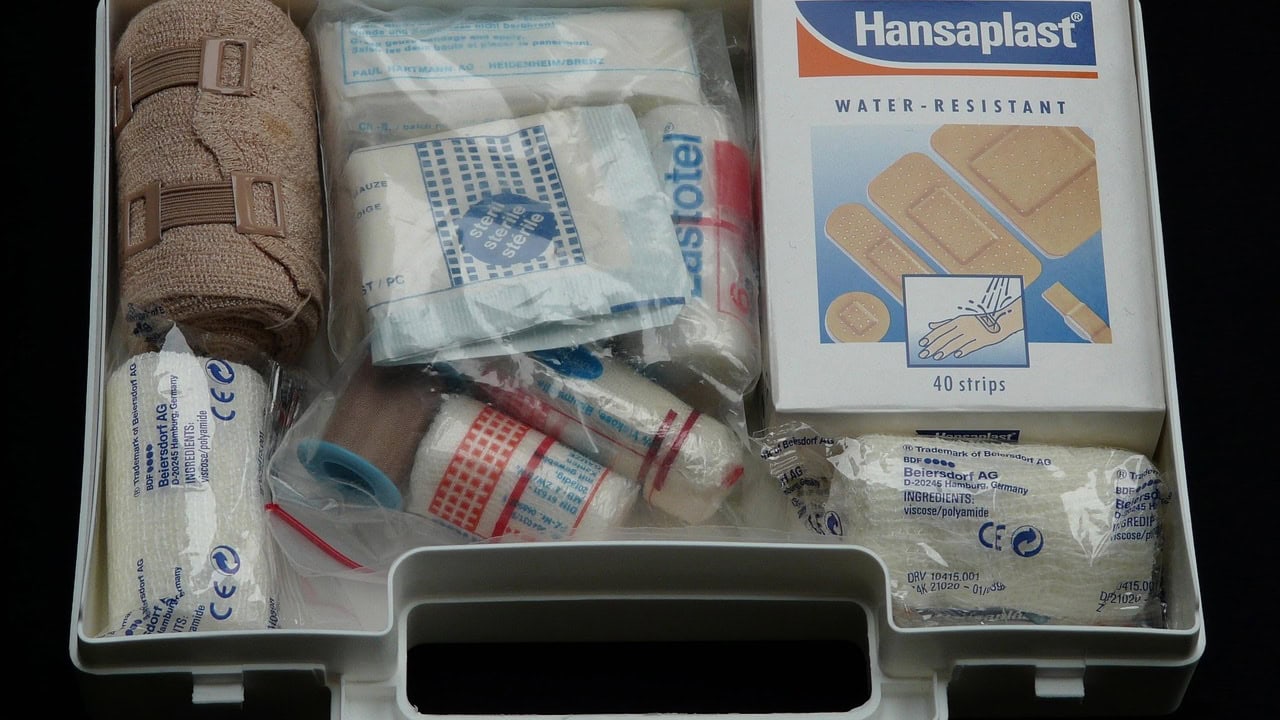
Bandages, ointments, and pain relievers are easy to misplace, especially if you have them spread across different bathrooms. A small bin or drawer for all first aid keeps them together.
This avoids the habit of rebuying supplies you already own, which saves both money and storage space.
Canned Goods
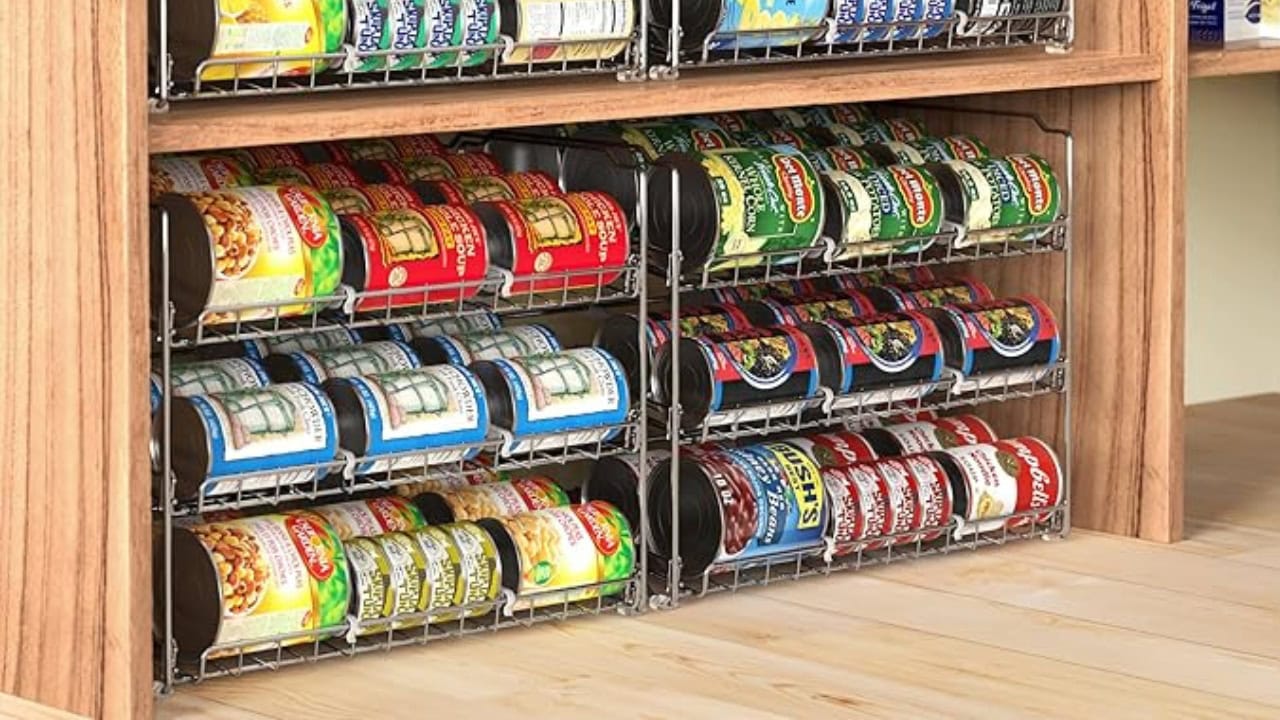
Cans tend to pile up in the back of the pantry where they're hard to see. Using a can rack or turning labels outward makes it easier to keep track.
This habit stops you from buying extras you didn't need and ensures you're actually rotating through your stock.
School and Office Supplies
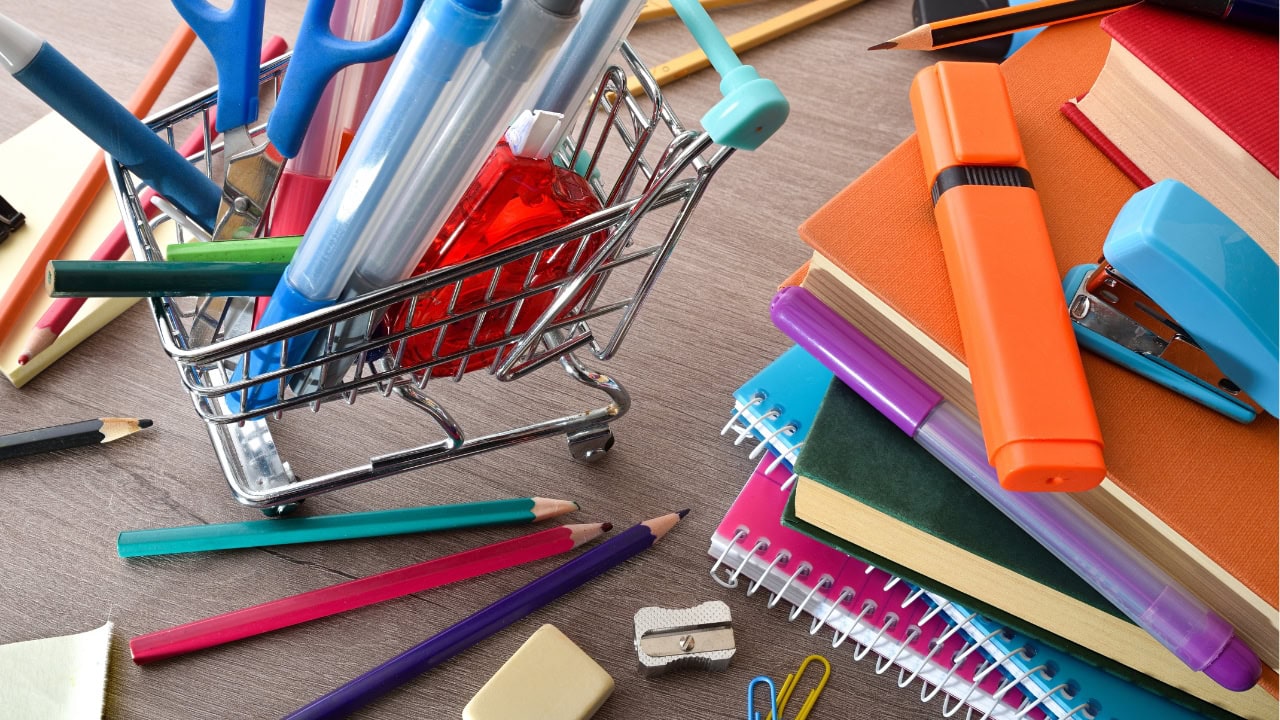
Pens, pencils, glue sticks, and notebooks are often scattered around the house. A small storage tote helps keep everything in one spot.
Once you know what you already have, you'll stop buying duplicates every time there's a back-to-school sale.
Plastic Containers
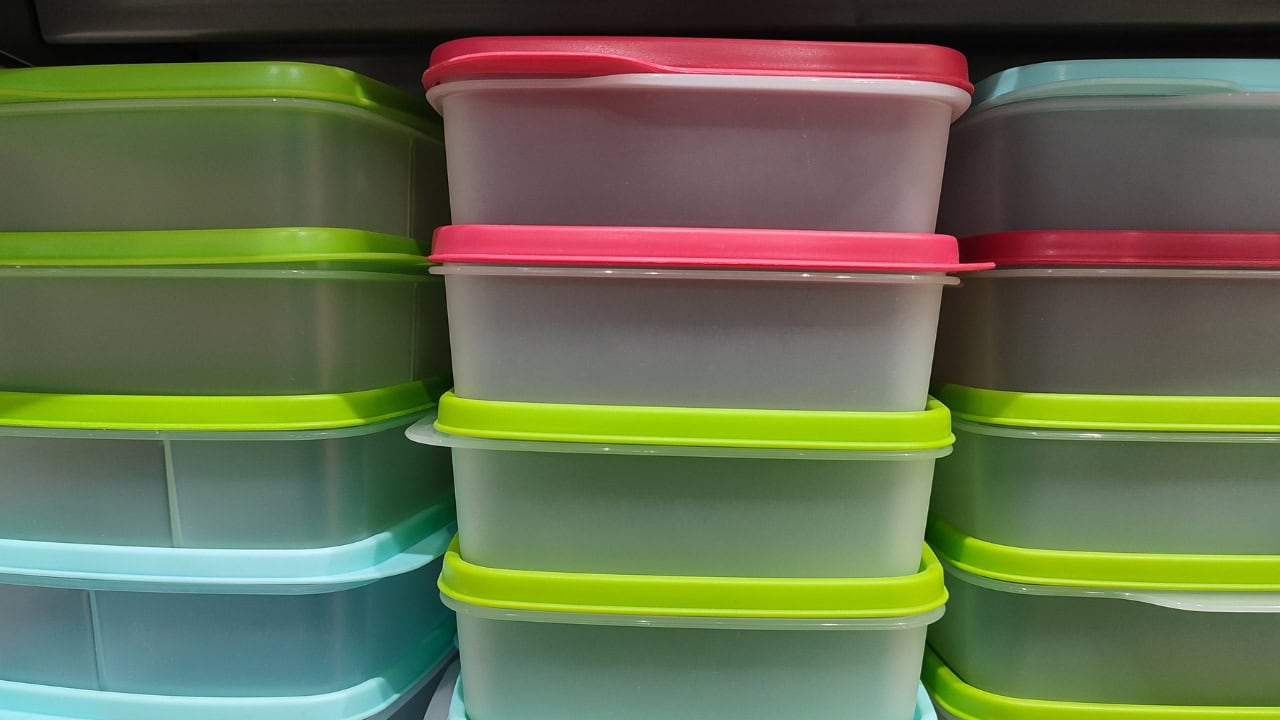
Food storage containers are one of the biggest clutter culprits. Organizing them by size and keeping lids matched prevents you from thinking you need new sets.
By storing them properly, you avoid rebuying what you already own and cut down on unnecessary plastic waste.
Seasonal Items
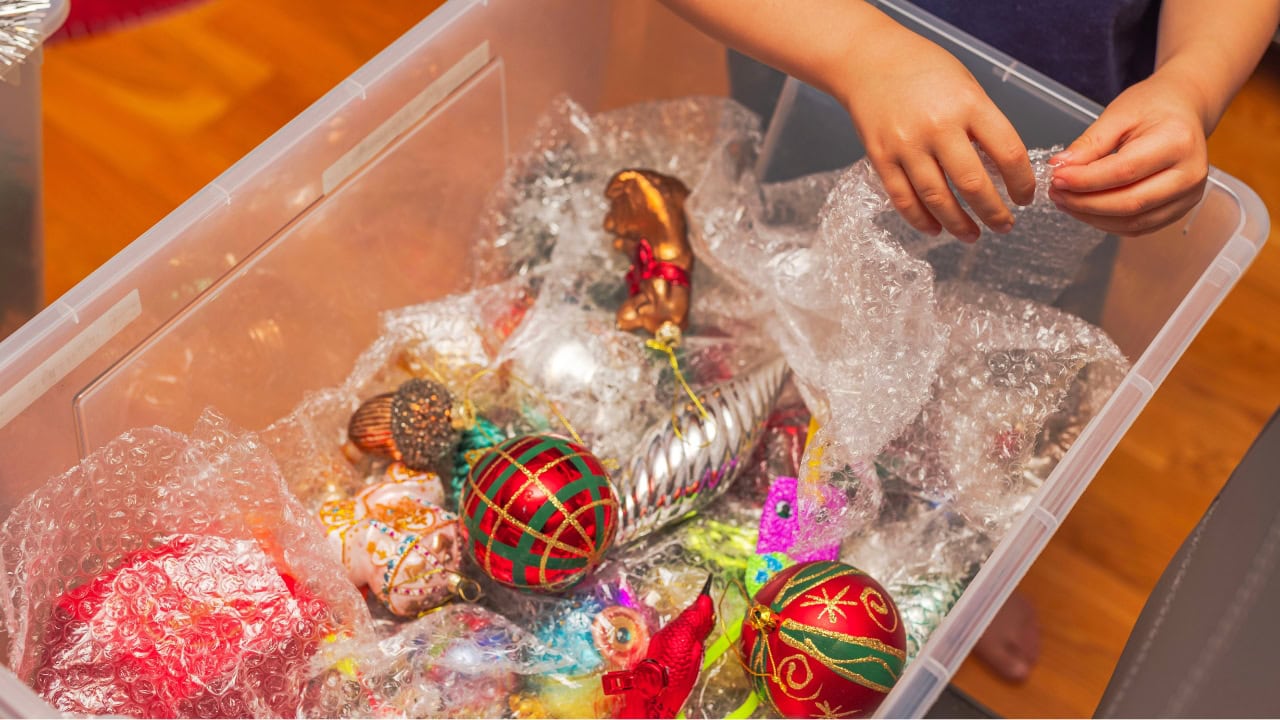
Holiday decorations, wrapping paper, and seasonal kitchenware often get rebought because they're shoved in random spots. Storing them in labeled bins makes them easy to find year after year.
This keeps you from spending money on duplicates and saves time when the season comes back around.
*This article was developed with AI-powered tools and has been carefully reviewed by our editors.






Leave a Reply