
12 cleaning habits that have a bigger impact on your wallet than you think
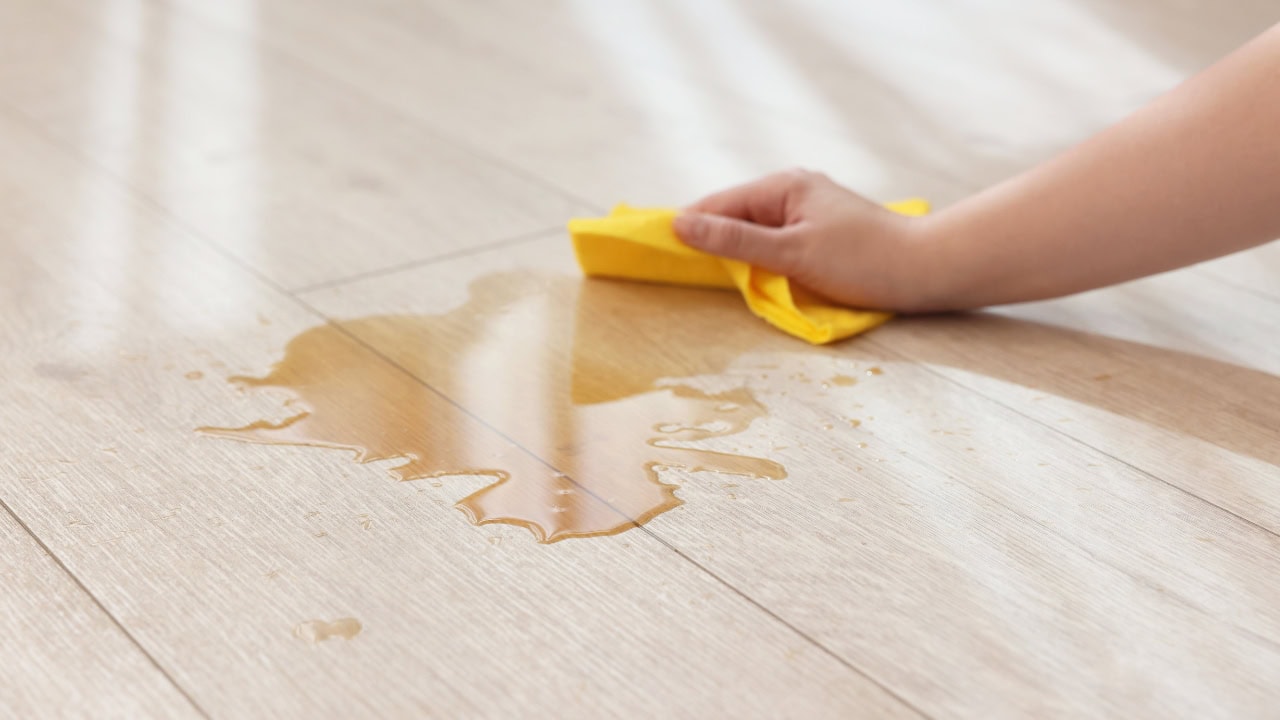
Cleaning feels like one of those things you do "just to keep up," but some habits around it actually affect how long your stuff lasts, how often you replace things, and even your utility bills. A few small shifts can protect your house and your budget at the same time.
Here are 12 cleaning habits that quietly save money long term.
Wiping spills right away instead of letting them sit
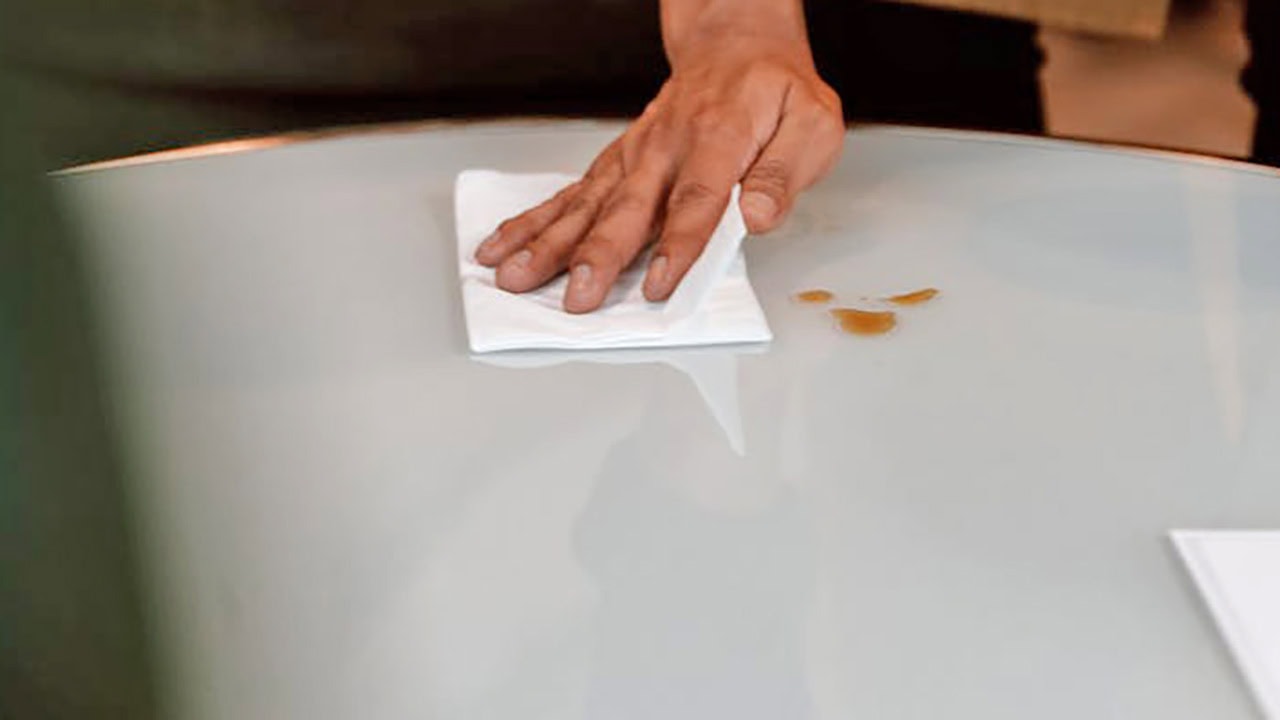
Sticky spills on counters, floors, and inside appliances can stain, warp, or attract pests if they sit. A quick wipe now is cheaper than replacing flooring, repainting cabinets, or calling pest control later.
Using the right cleaners on the right surfaces
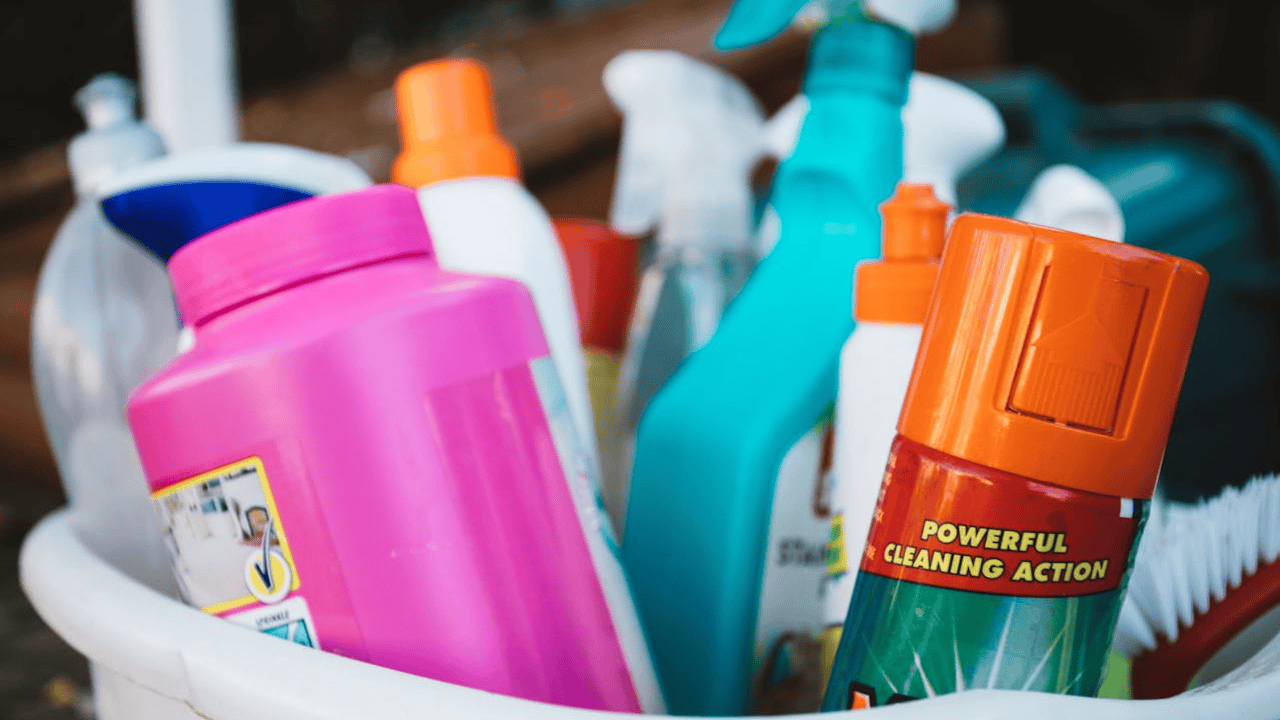
Harsh products on stone, wood, or certain finishes can strip sealant and cause damage that costs real money to fix. It doesn't have to be fancy-just make sure what you're using is safe for that surface so you're not slowly ruining it.
Regularly cleaning appliance filters and seals
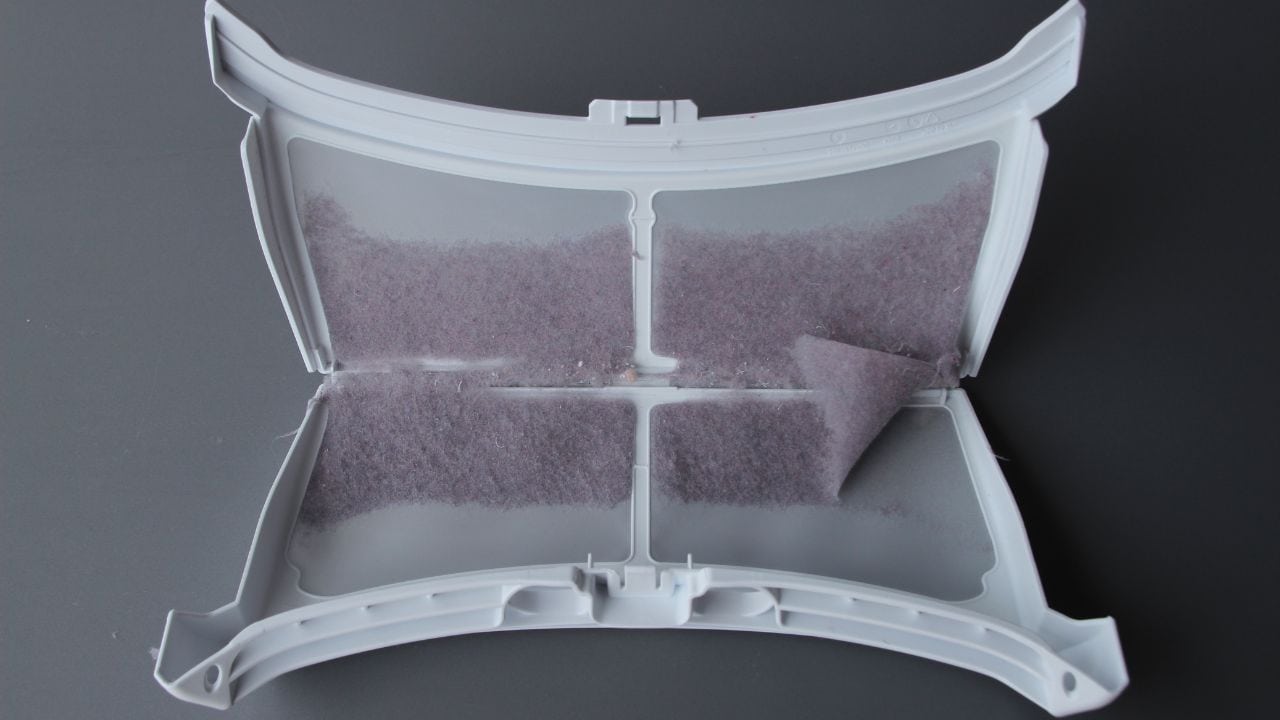
Dishwasher filters, washing machine gaskets, dryer lint traps, and fridge coils all need simple upkeep. Keeping them clean helps appliances run better and last longer, instead of wearing out early and needing repair or replacement.
Not overloading the washer and dishwasher
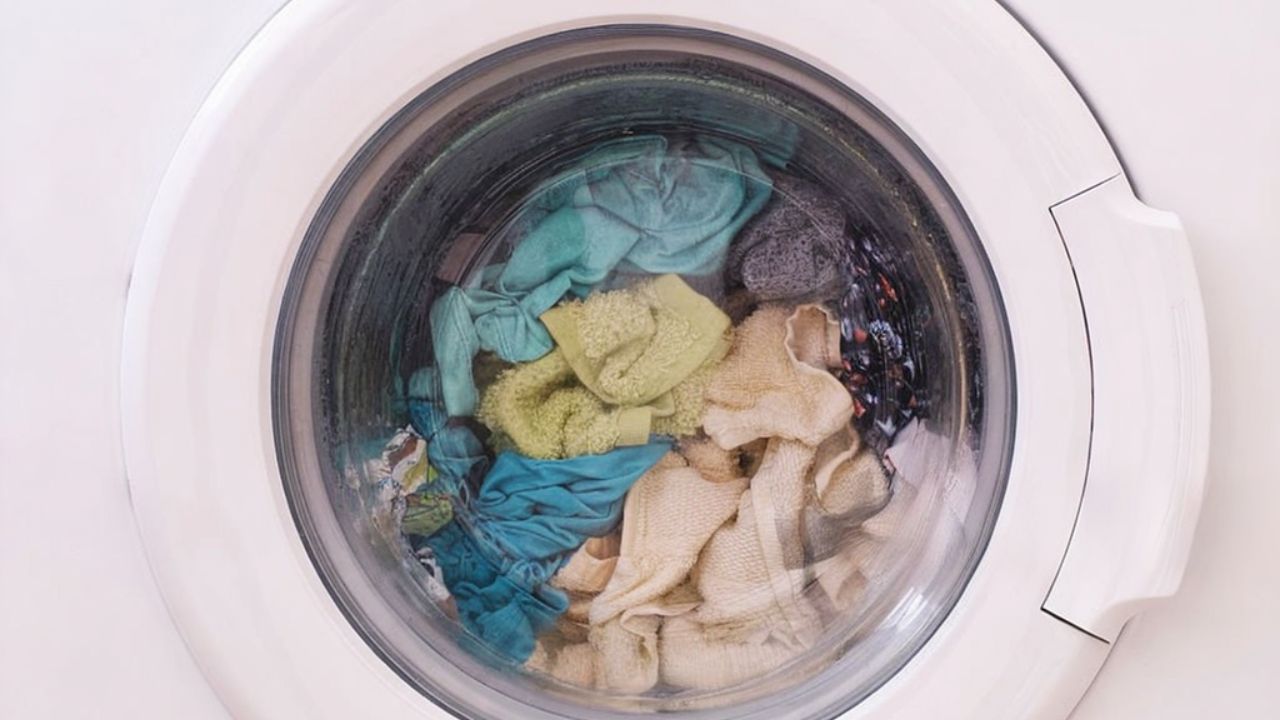
Stuffing them full feels efficient, but overloading means things don't actually get clean, and the machines strain more. You end up rewashing items and pushing expensive appliances harder than necessary.
Vacuuming and mopping high-traffic floors often
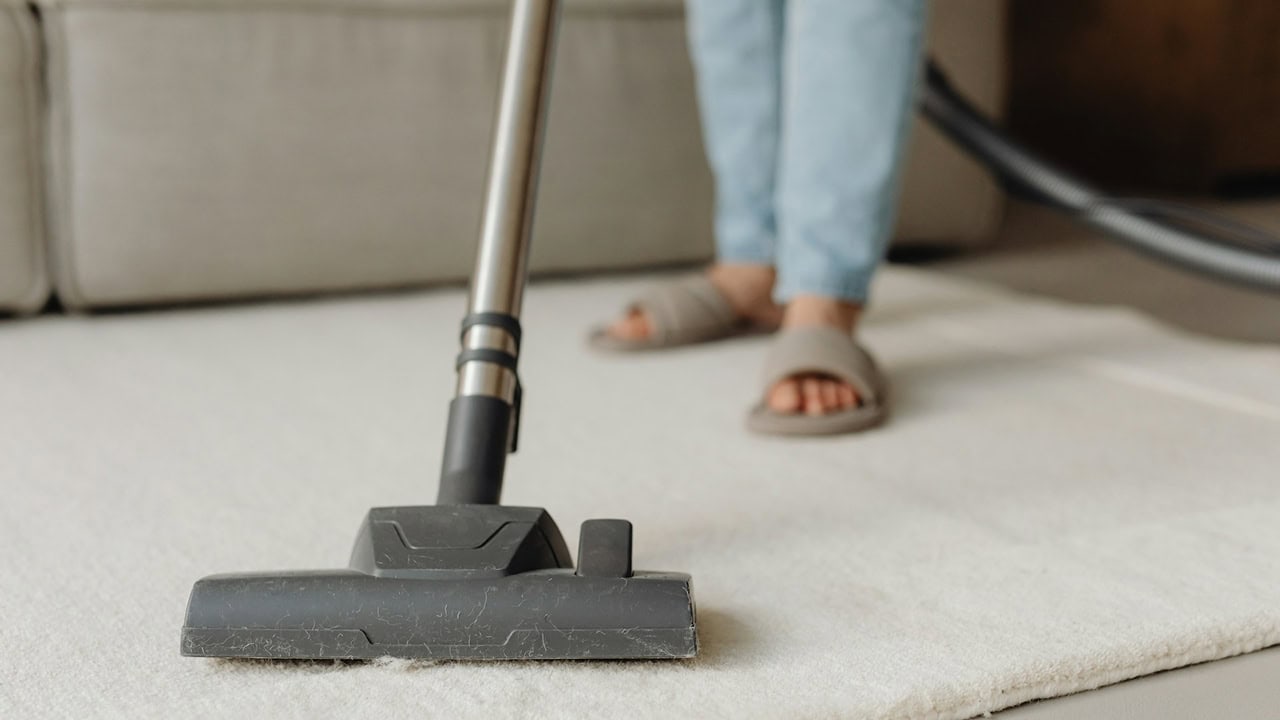
Dirt and grit act like sandpaper on flooring. Regular vacuuming or sweeping and occasional mopping protect your floors from premature wear, scratches, and staining, which saves you from early replacement.
Treating stains quickly instead of hoping they fade
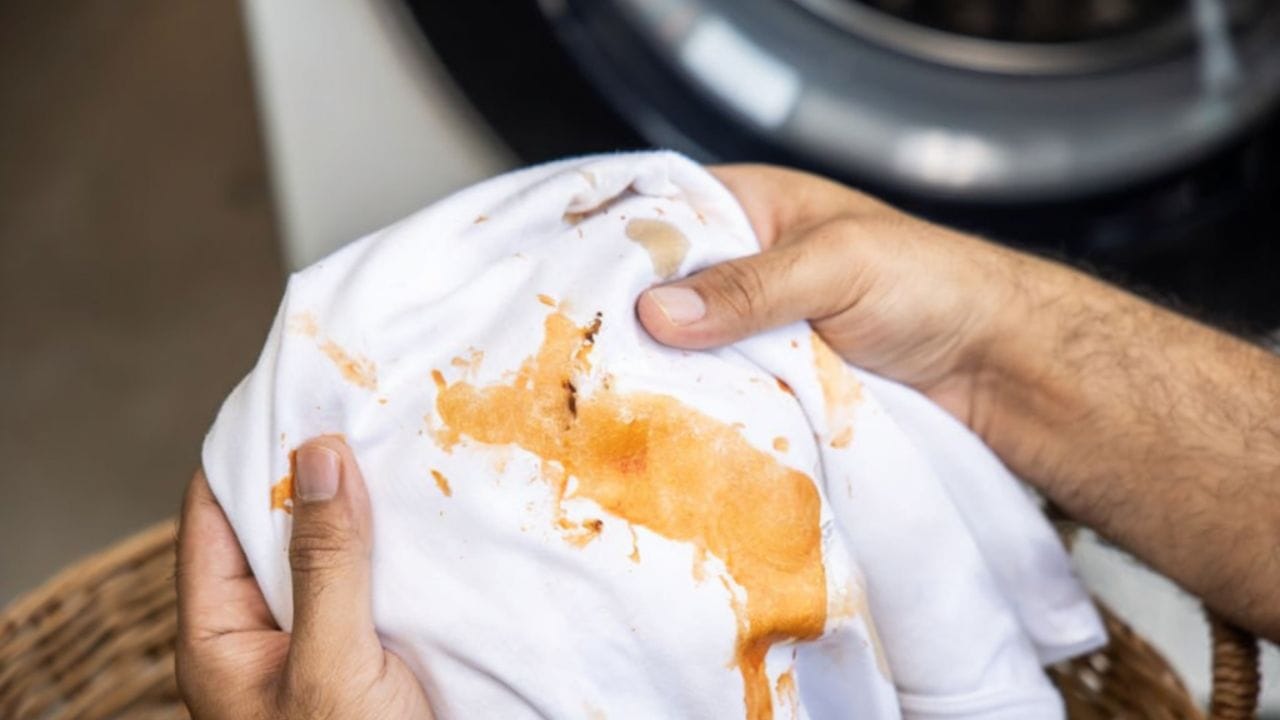
On carpets, upholstery, and clothes, letting stains sit usually means they're permanent. A basic stain treatment as soon as you notice something can save you from replacing or professionally cleaning items later.
Cleaning bathroom moisture spots before they turn into mildew
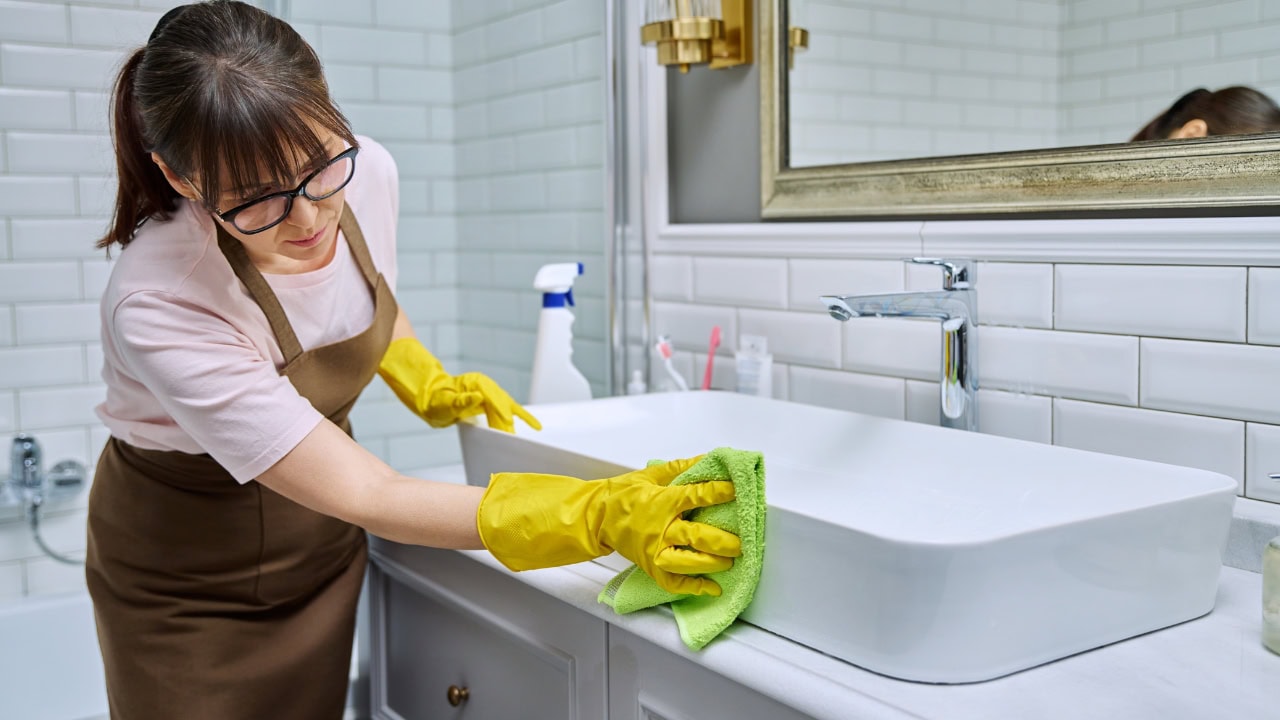
Wiping down shower walls, running the fan, and tackling small mildew spots early is much cheaper than dealing with full-on mold issues or re-caulking large areas later.
Dusting electronics and vents occasionally
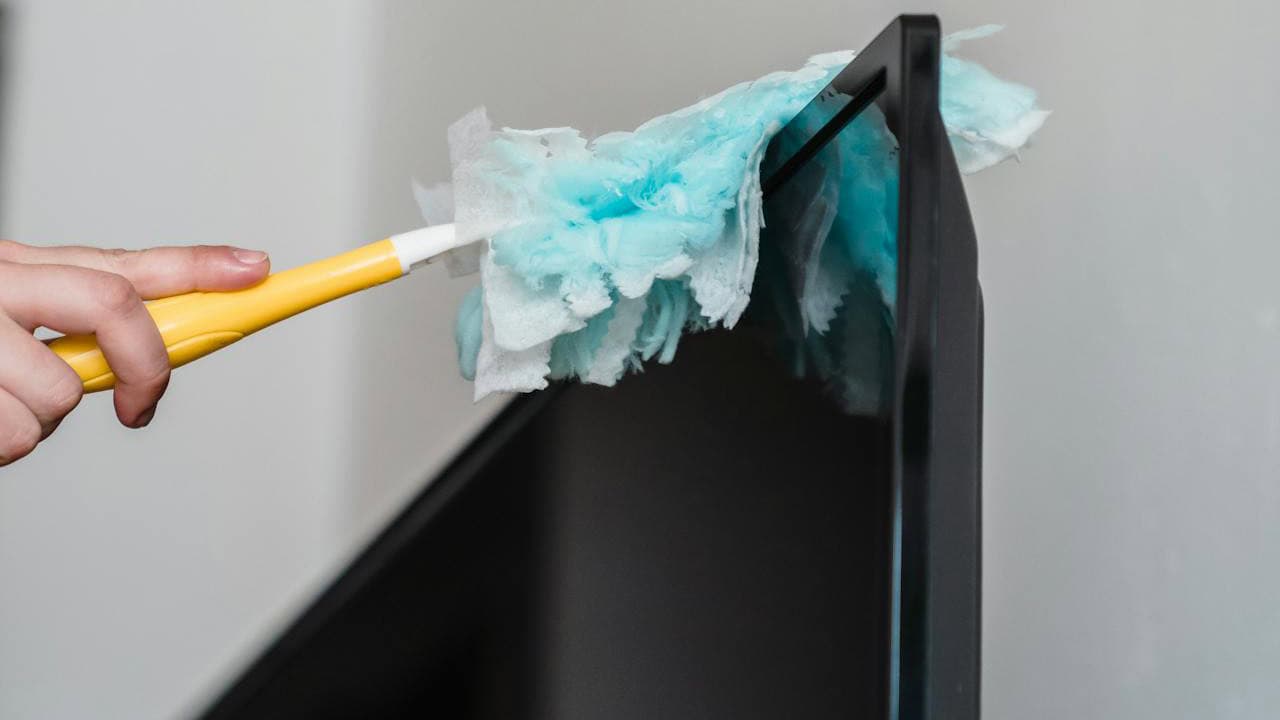
Dust buildup in vents and on electronics makes systems run hotter and harder. A quick dust-off keeps things like your TV, computer, and HVAC system from working overtime and burning out components faster.
Using reusable cloths where it makes sense
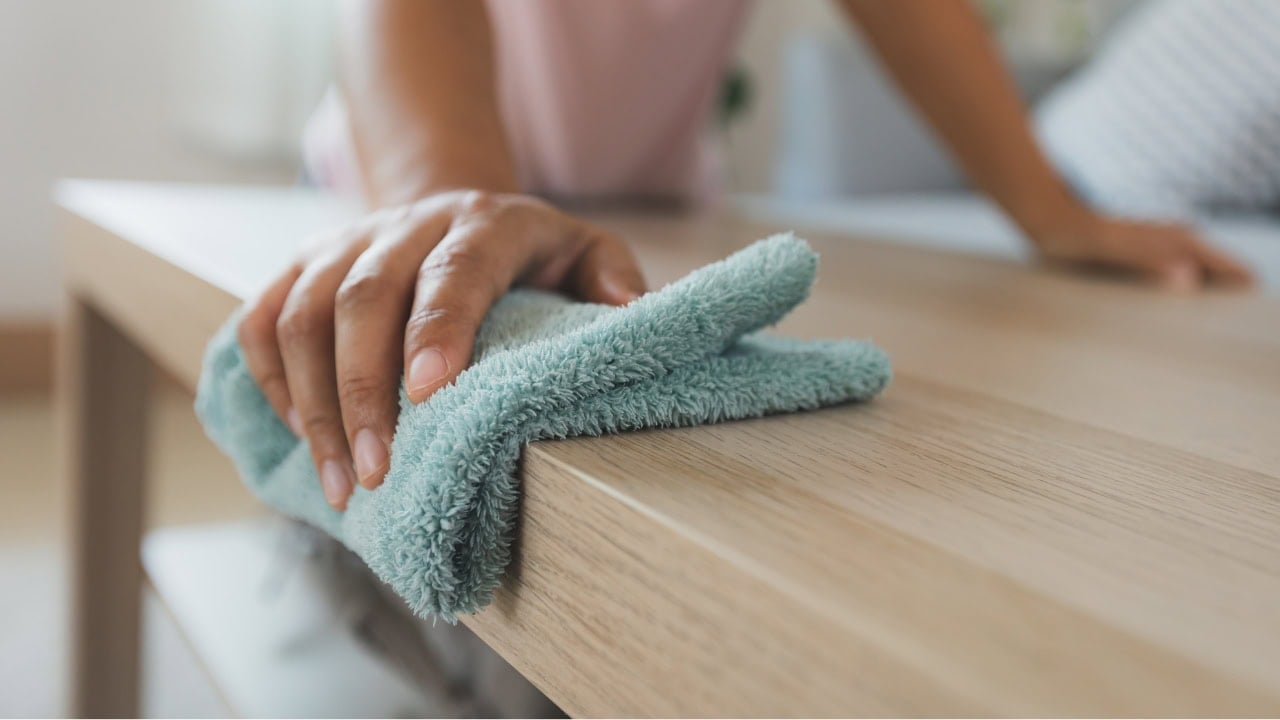
Paper towels have their place, but leaning on them for every job adds up. Having a stack of rags or microfiber cloths for everyday cleaning lowers your recurring costs on disposables.
Decluttering surfaces so cleaning goes faster
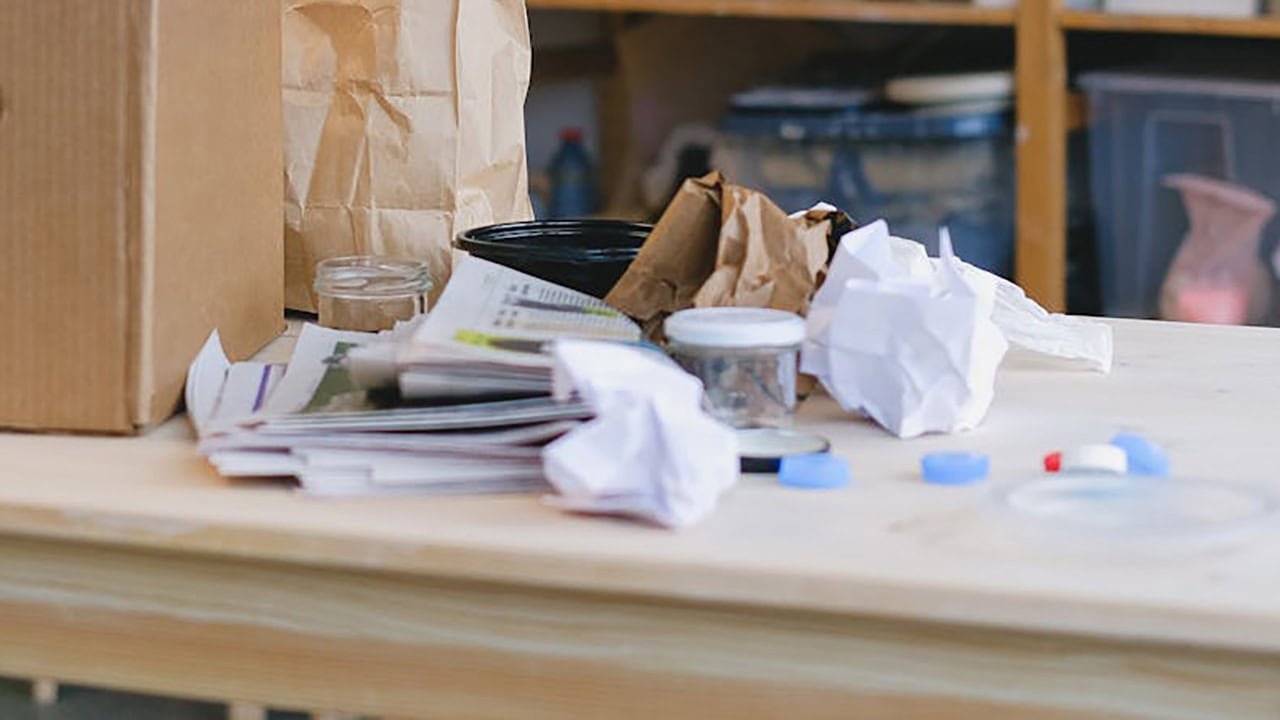
The more knickknacks and piles you have, the longer cleaning takes. When surfaces are clearer, you're more likely to keep up with regular cleaning, which extends the life of finishes and fabrics and reduces pest risk.
Taking shoes off at the door
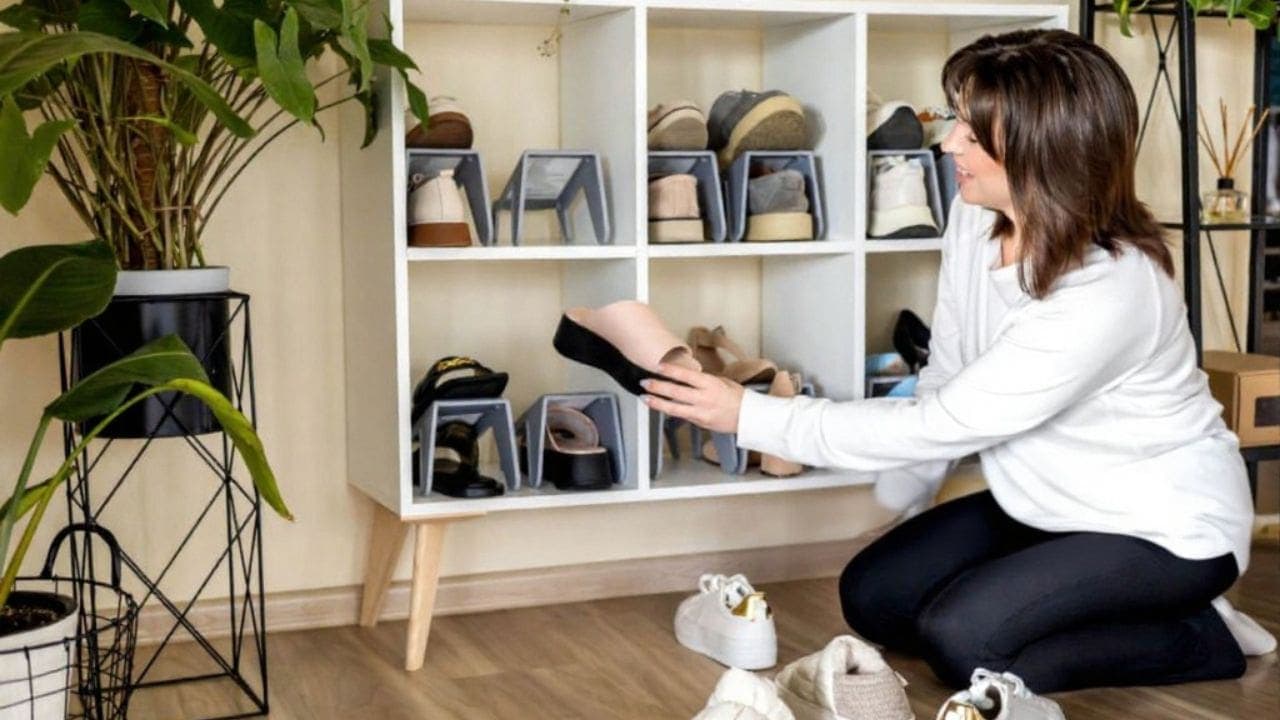
Shoes track in dirt, oil, pesticides, and who knows what else. A simple shoe-off habit cuts down on how often you have to deep clean carpets and floors-and helps them last longer.
Using "good enough" daily habits to avoid heavy scrubbing
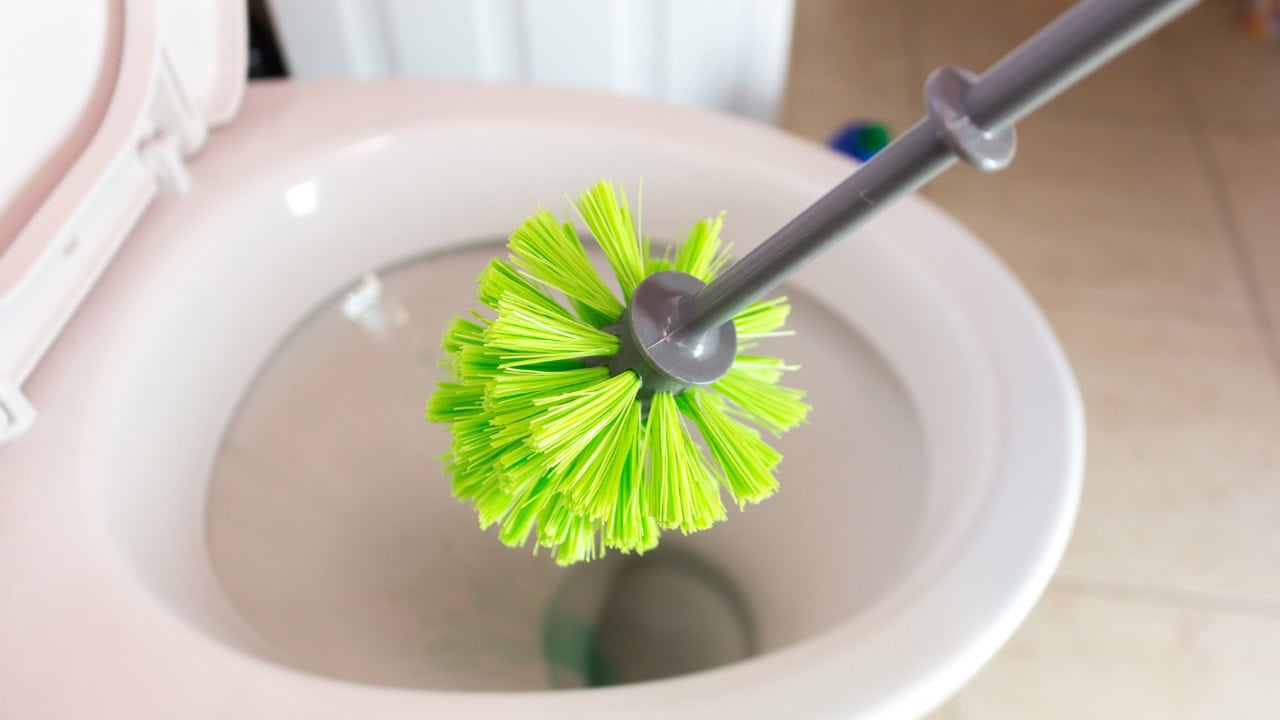
A quick wipe of the stove after dinner and a fast swish of the toilet a couple of times a week keeps grime from building up. That means fewer harsh products, less time scrubbing, and less chance of damaging surfaces by going after dried-on messes with desperation.
*This article was developed with AI-powered tools and has been carefully reviewed by our editors.






Leave a Reply