
10 things that took me too long to learn about money

There's a lot about money you don't realize until it's already cost you. Some of it you learn the hard way-through overdraft fees, bad purchases, or seasons of stress that could've been avoided. And some of it just clicks later than it should.
If you’re in the middle of figuring it out or trying to get your finances back on track, here are the truths that made the biggest difference once they finally sank in.
Saving Isn't About the Amount-It's About the Habit

Waiting to save until you "have extra" usually means you never start. What matters more than the amount is building the muscle. Even if it's five bucks at a time, consistency beats intention every time.
Once saving becomes something you do automatically, it stops feeling like a stretch. You learn to live on what's left instead of treating saving like an afterthought you'll figure out later.
You're Always Paying for Convenience

Fast food, delivery fees, subscriptions, store-bought anything-it all adds up. It's not that convenience is always bad, but you have to recognize you're paying extra for it. Sometimes it's worth it. A lot of times, it's not.
Once you start asking, "Could I do this cheaper if I planned ahead?" you'll be shocked how many small changes lead to real savings over time.
Budgeting Isn't Restrictive-It's Clarity

A budget doesn't trap you. It tells your money where to go before it disappears. Without one, it's too easy to look up and wonder where everything went-even when you're not spending on anything big.
Once you start budgeting, you stop guessing. You know what you can afford, and you can actually plan for things instead of always reacting to the last swipe.
Credit Cards Don't Magically Work Themselves Out

Minimum payments might keep you afloat, but they're not getting you out of debt. It took longer than I care to admit to realize that carrying a balance month after month was eating away at future income.
If you're not paying it off in full, you're spending more than you think. And the longer it sits, the more it costs you in ways you don't always see right away.
Being "Frugal" Can Still Lead to Overspending

Buying something because it's on sale or a "good deal" doesn't mean it was the right buy. Frugality can still feed a spending habit if it's not paired with real discipline.
You learn fast that buying less-period-saves more than scoring cheap finds you didn't really need in the first place. Intentional beats impulsive every time.
Big Expenses Matter Less Than Daily Habits

You might think the big stuff-cars, rent, vacations-matters most, but what really makes or breaks your budget is how you handle the everyday. Grocery runs, gas fill-ups, impulse buys at Target-that's where your money leaks.
Small changes to your daily habits stack up faster than overhauling one or two big-ticket decisions a year. That's where you get traction.
Emergencies Happen Even When You're "Careful"

No one expects a flat tire, broken appliance, or ER visit-but they happen anyway. And if you're not ready, they wreck your budget and your plans. Having even a basic emergency fund changes everything.
You don't have to live in fear of the unexpected when you've got a cushion. It gives you space to breathe when life doesn't go according to plan.
You Don't Have to Be Good at Math to Be Good With Money
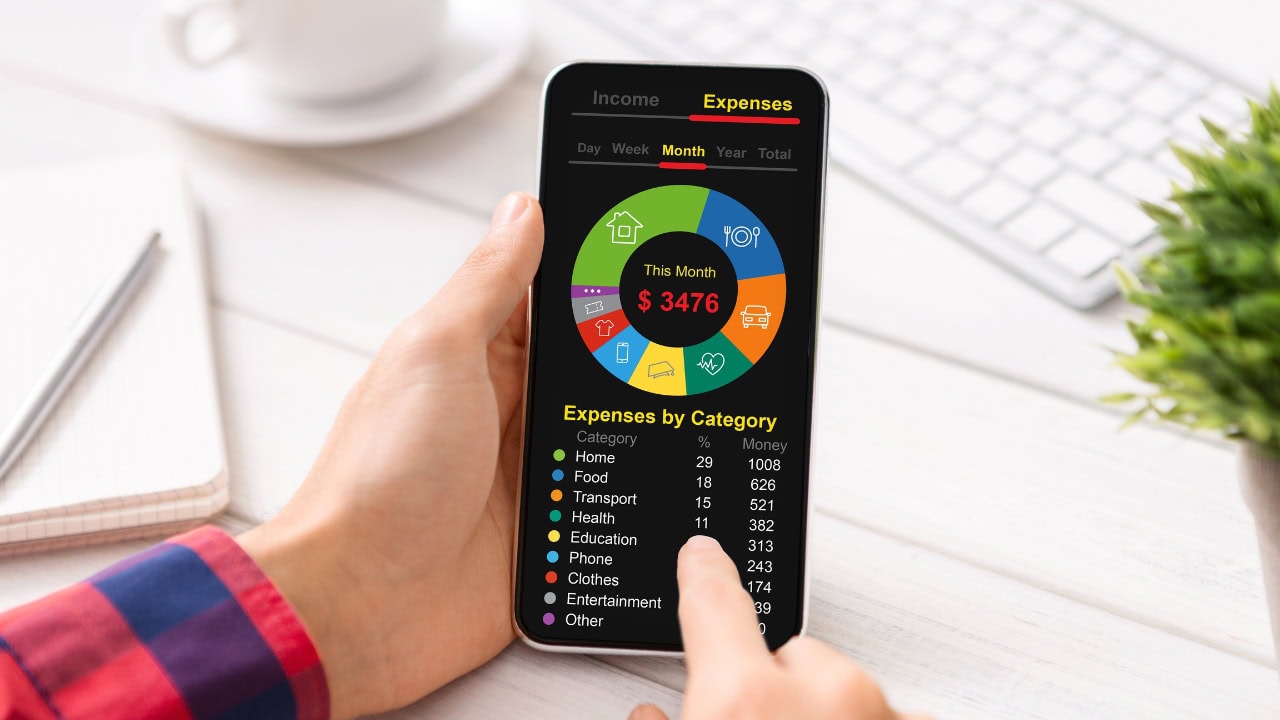
You don't need a finance degree or a spreadsheet obsession to take control of your money. You need awareness, consistency, and the willingness to face the numbers even when they're uncomfortable.
Being "bad at math" isn't an excuse. What matters is being willing to look, learn, and keep going even when you mess up.
Financial Stress Affects Everything Else

When money's tight, everything else feels harder-sleep, relationships, health, even decision-making. The stress bleeds into areas you don't always realize until you're out of it.
Getting your finances under control doesn't fix everything, but it makes room to think clearly and live better. It frees up mental space in a way that's hard to describe until you've lived it.
You're Allowed to Have Goals Even If You're Not There Yet

Don't wait until you're "stable" or "comfortable" to think long-term. Set the goal now, even if it feels out of reach. That's what gives your effort direction.
You don't have to have it all together to start working toward something better. Progress starts when you get honest about where you are and where you want to be-and start moving, one decision at a time.
*This article was developed with AI-powered tools and has been carefully reviewed by our editors.






Leave a Reply