
10 products that are basically the same no matter the price
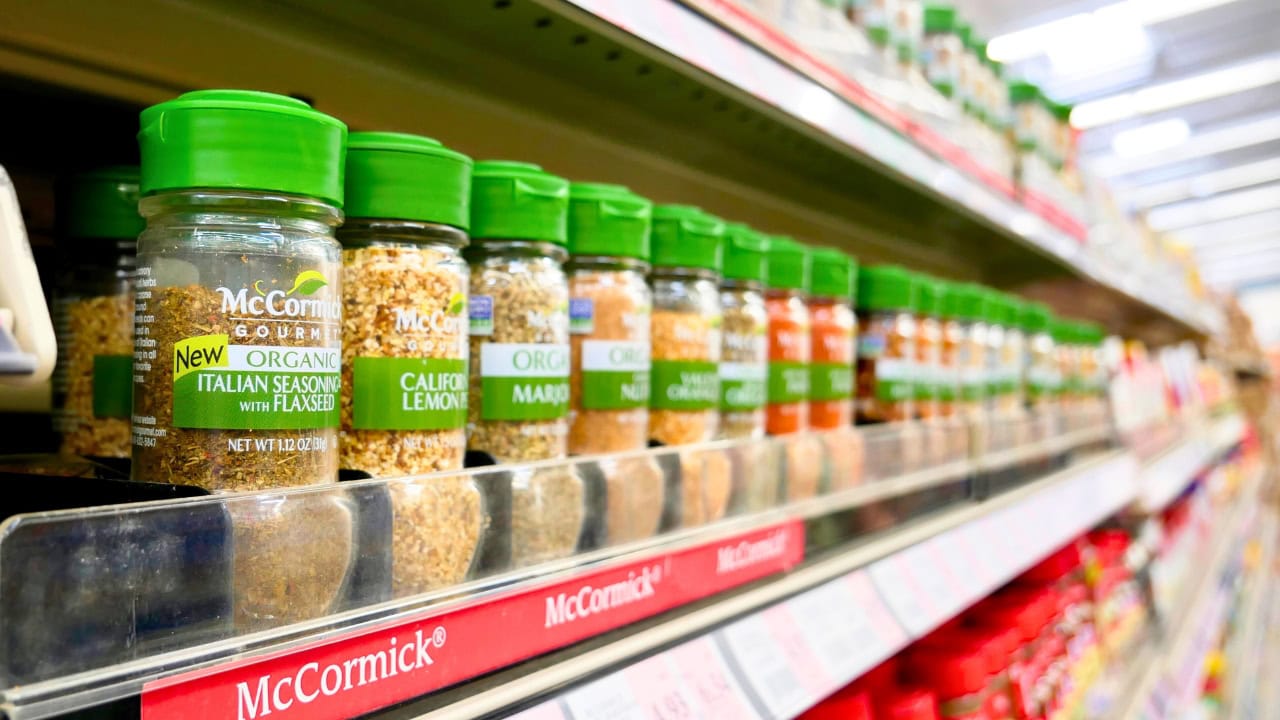
Some things are worth spending more on-but others? Not so much. There are products where the low-cost version performs just as well as the name brand or premium version. Whether it's because they're made in the same factory, regulated the same way, or just aren't complicated to begin with, these are items where paying extra doesn't actually get you more.
Knowing which ones fall into that category can save you money without making you feel like you’re sacrificing anything.
Over-the-Counter Medications

The generic and name-brand versions of most OTC meds have the exact same active ingredients. The FDA requires them to meet the same safety and effectiveness standards, too. So unless you're paying for a coated tablet or specific flavor, you're basically getting the same thing.
Brands might differ in packaging or inactive fillers, but the relief they offer is the same. If the label says it’s the same dosage and active ingredient, you’re good to go with the cheaper option.
Spices
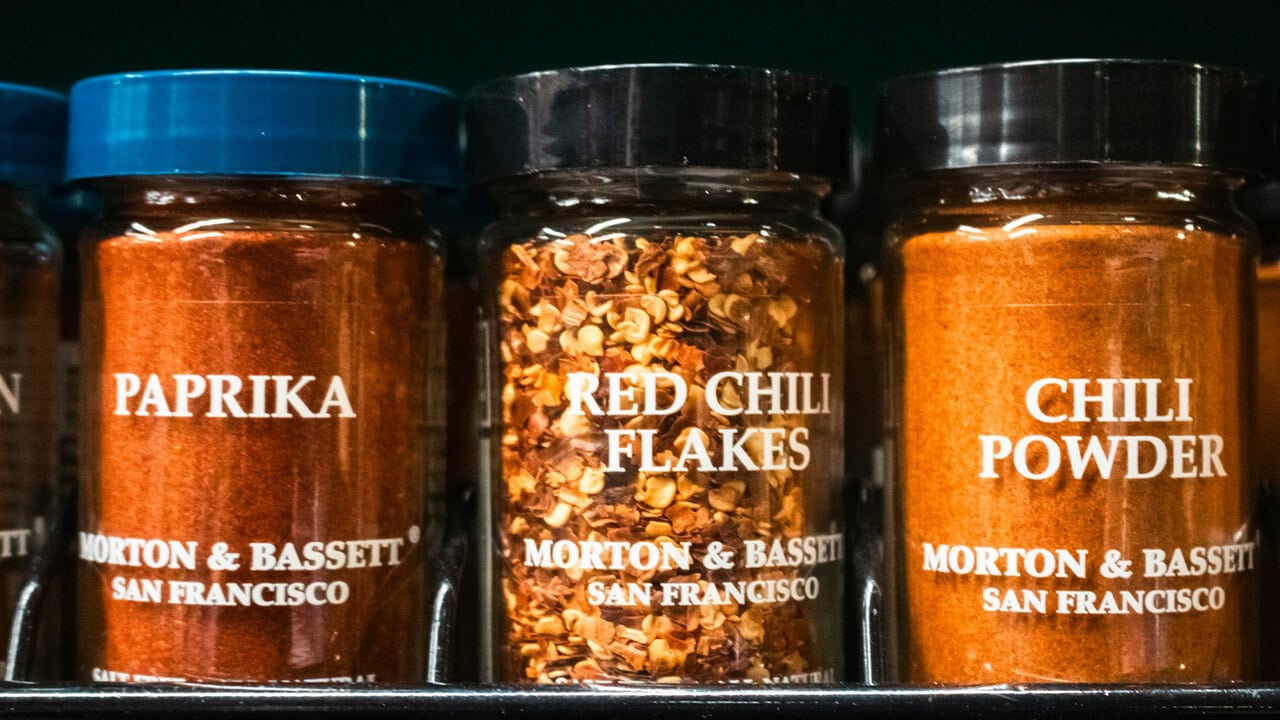
Most basic spices-like cinnamon, garlic powder, paprika, or oregano-are nearly identical whether they come in a name-brand jar or a store-label bottle. They're often sourced from the same places and processed in similar ways.
The main difference is packaging and price. Unless you're buying fresh-ground specialty blends, you're paying more for branding. Buy from stores with high turnover so you're getting fresh stock, and keep them sealed to maintain flavor.
HDMI Cables
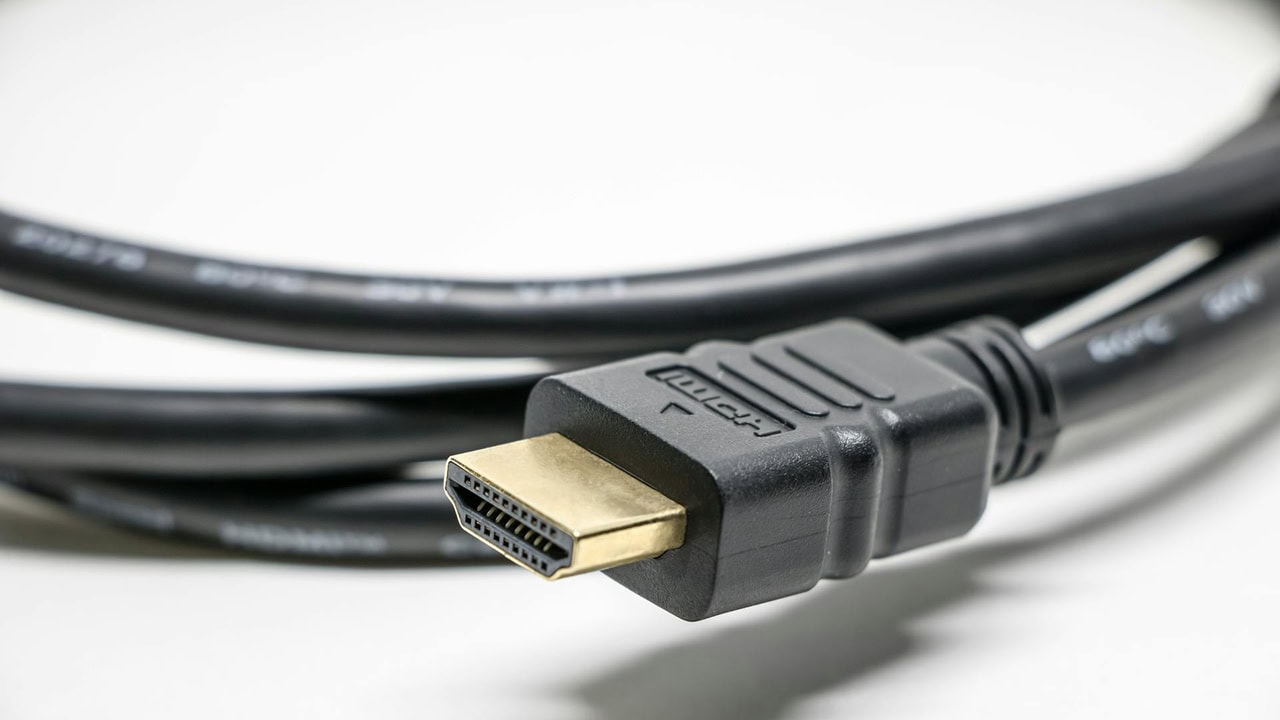
Retailers love to upsell HDMI cables, but the expensive ones don't transmit a signal any better than the cheap ones. Digital is digital-either the signal goes through, or it doesn't. Paying $30 for a cable that works the same as the $5 one makes zero sense.
Unless you’re dealing with specialty setups or long cable runs where shielding matters, the basic version will handle 4K, surround sound, and anything else your devices need.
Gasoline (Same Octane)

Gas from major stations and discount stations is largely the same if you’re using the right octane for your car. Federal regulations ensure it meets the same performance and emissions standards.
Some premium stations add extra detergents, but that doesn't always justify the price if your car doesn't need it. Check your manual, use the recommended octane, and don't pay more for something your engine won't benefit from.
Store-Brand Baking Basics

Flour, sugar, salt, and baking soda are all tightly regulated and extremely consistent across brands. The difference in quality between the big-name bag and the store-brand version is nearly nonexistent.
Unless you're buying a specialty flour like bread or cake flour, the basic all-purpose kind works the same in your recipes. And you're not going to notice if your salt came in a blue canister or a generic box.
Bottled Water
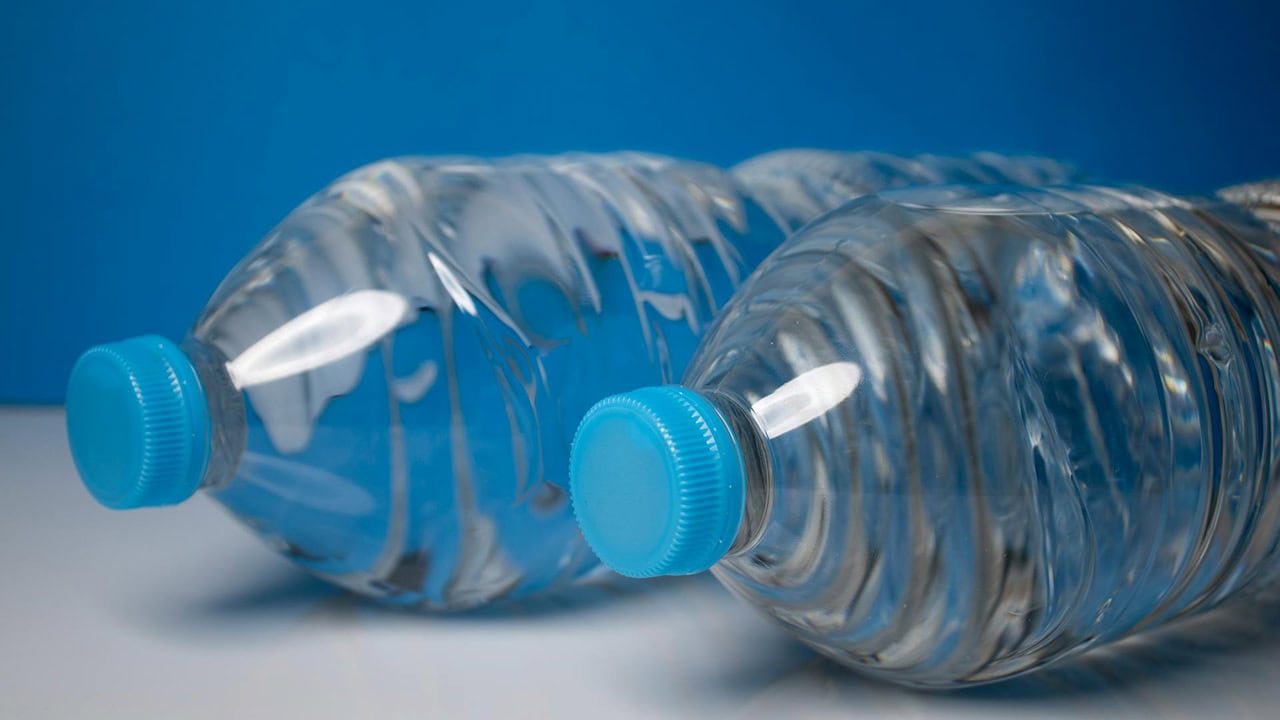
Unless you're buying mineral or spring water for a specific taste or content, most bottled water comes from municipal sources-basically filtered tap water. Some brands even bottle the same water with different labels.
In blind taste tests, most people can't tell the difference. For everyday hydration, generic bottled water or a reusable bottle with a filter will do the job without the markup.
Phone Charging Cables
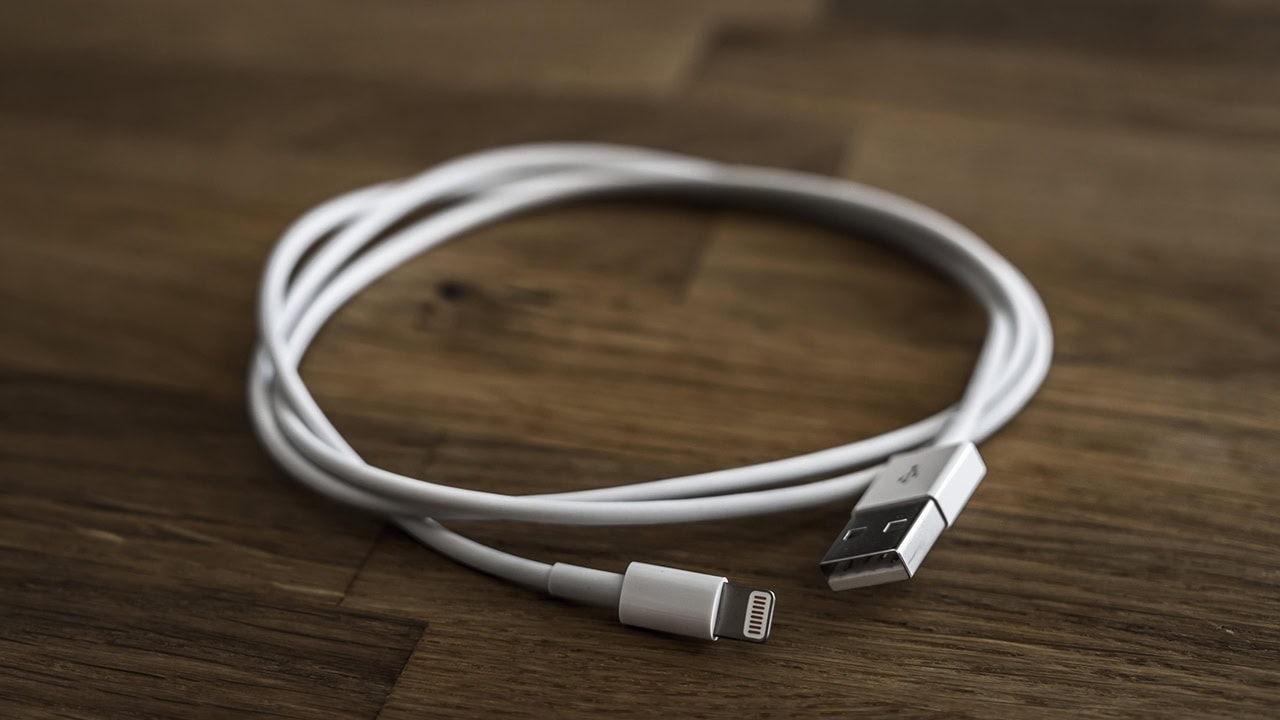
Charging cables, especially for common devices, are often identical whether they cost $5 or $25. As long as they're certified for your phone (like MFi-certified for Apple), the cheaper version charges and transfers data just the same.
The one thing to check is durability-some of the cheapest ones can fray faster. But even then, you can often buy three generics for the price of one branded cord and still come out ahead.
Sandwich Bags

Plastic sandwich and snack bags are another place where brand doesn't matter much. They all seal the same basic way, and unless you’re storing something for a long time or freezing it, the durability differences are minimal.
For packing school lunches or organizing small items, the store brand holds up just fine. You're often paying twice as much for a logo you're going to throw away.
Cotton Swabs

There are a few exceptions, but for most people, the cheaper cotton swabs work the same as the pricey ones. They're made of cotton on a paper or plastic stick, and they get the job done whether you're using them for makeup, cleaning, or crafts.
Unless you've had issues with the tips unraveling, the inexpensive versions hold up. If you’re not using them for something delicate, there’s no reason to go for the premium pack.
Bleach
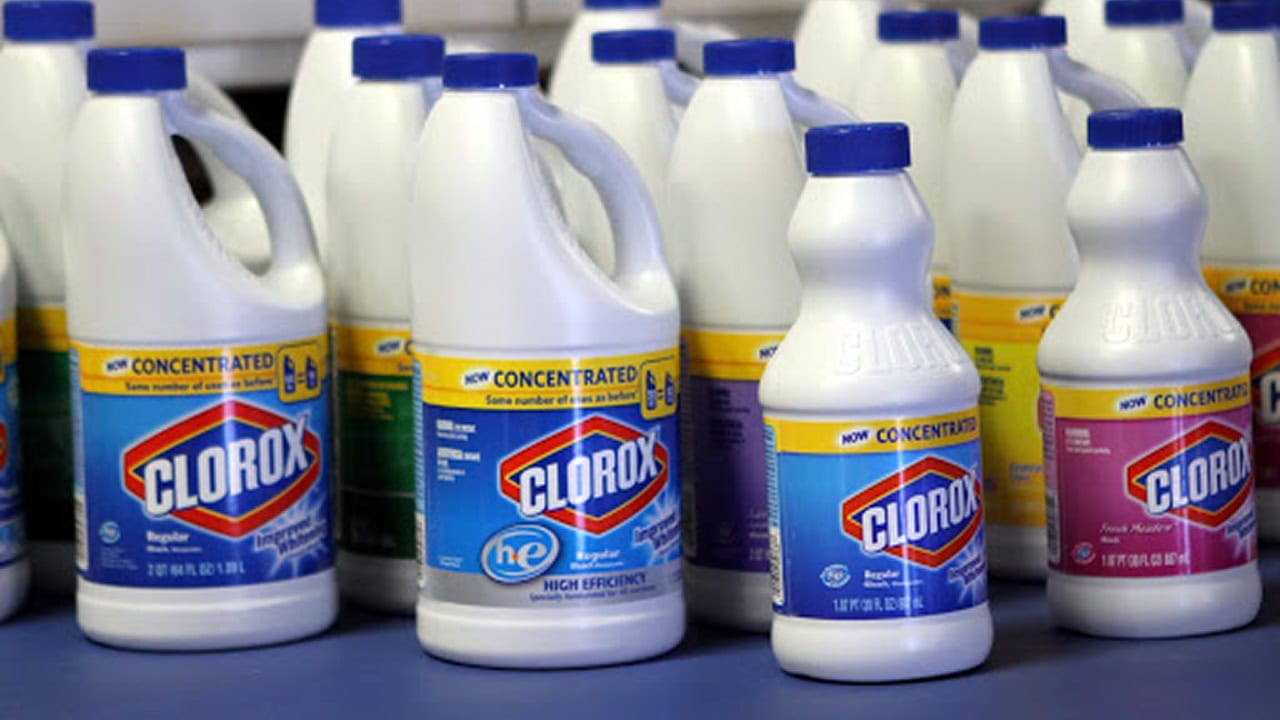
Bleach is bleach. As long as it's regular-strength sodium hypochlorite, the brand doesn't matter. It disinfects, whitens, and cleans the same whether it came from a name-brand jug or the store-brand version.
The concentration is regulated, and the use is straightforward. Don't overpay for the logo when you're going to dilute it with water anyway. Just check the percentage and expiration date, and you’re good to go.
*This article was developed with AI-powered tools and has been carefully reviewed by our editors.






Leave a Reply