
You don't have to be a gearhead to handle basic car maintenance. In fact, there are plenty of things you can do at home that'll save you hundreds a year in shop fees. Most of these fixes take a few tools, a YouTube video, and maybe half an hour on a Saturday morning.
Learning to take care of small repairs yourself not only keeps your car running smoother-it helps you feel more confident every time something starts acting up.
Changing Your Air Filter
If you can open your hood, you can change your air filter. It's usually held in place by a couple of clips or screws, and swapping it out takes less than five minutes. A dirty filter chokes your engine and lowers your gas mileage, so replacing it every 12,000 to 15,000 miles keeps things running efficiently. You'll notice better acceleration and cleaner performance right away.
Replacing Wiper Blades
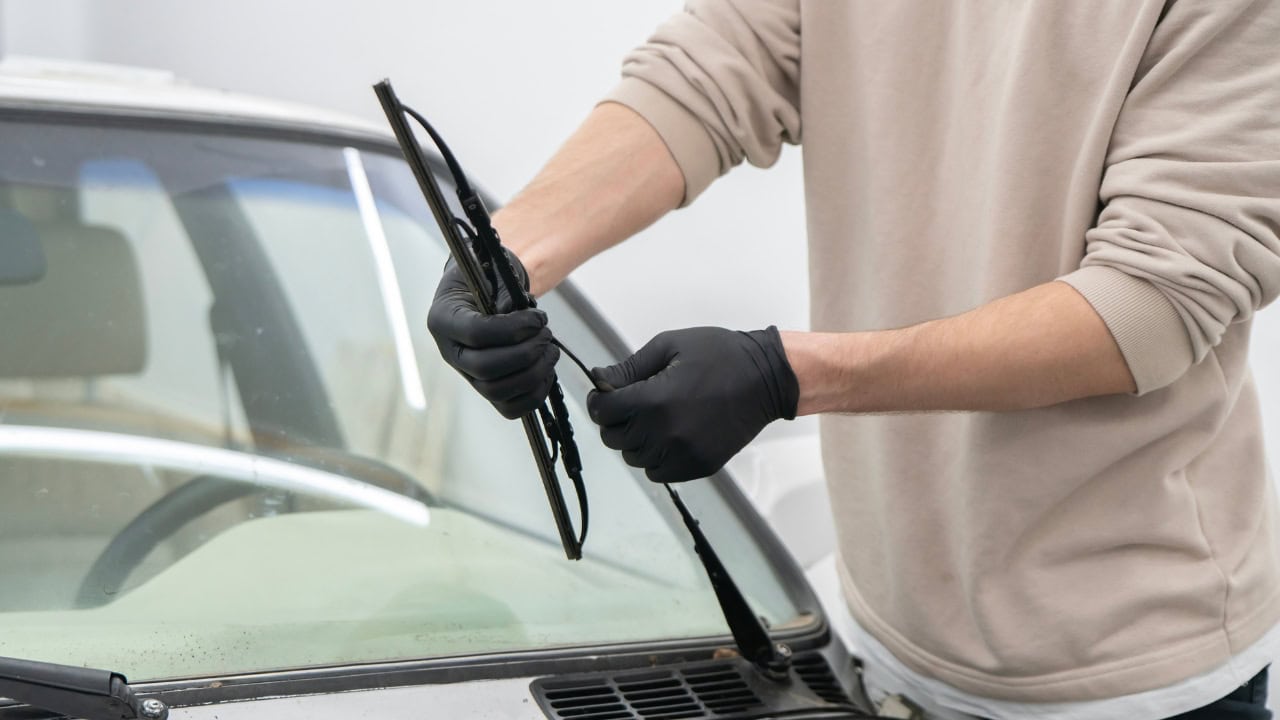
Wiper blades don't last forever-especially if you park outside. When they start streaking or squeaking, it's time for new ones. You can find the right size in your owner's manual or at the auto parts store, and most blades pop on and off without tools. Replacing them yourself saves you from paying labor costs for a two-minute job and makes driving in the rain a whole lot safer.
Swapping Out a Dead Battery
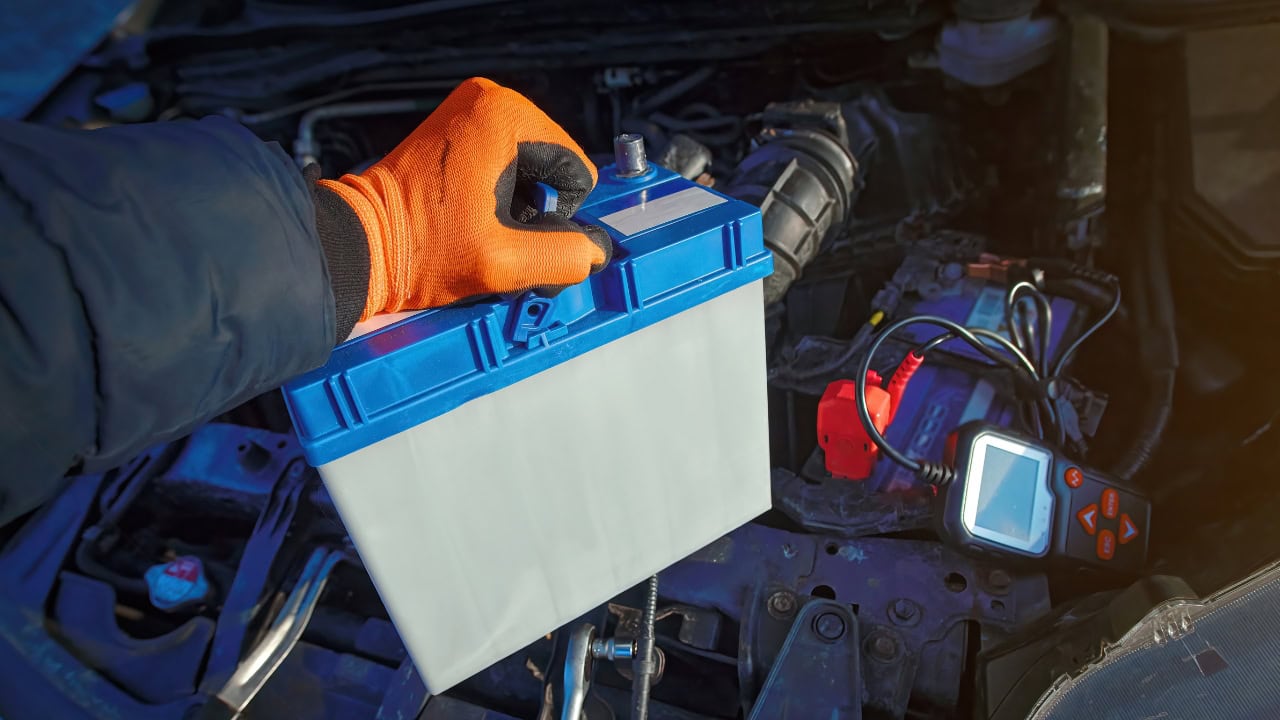
Changing a car battery is easier than most people think. All you need is a wrench and maybe a memory saver to keep your radio presets. Disconnect the negative terminal first, then the positive, swap in the new battery, and reconnect in reverse order. Make sure it's secured tightly in the tray to avoid vibration damage. A fresh battery can prevent starting issues and keep your electrical system stable.
Changing a Headlight or Taillight Bulb
Dealerships love to charge for this one, but most bulbs can be swapped in minutes. You'll usually find the housing accessible from inside the engine bay or trunk. Twist out the old bulb, pop in the new one, and you're good to go. Be sure to wear gloves so you don't get oil from your fingers on the new bulb-it can cause it to burn out faster.
Checking and Topping Off Fluids
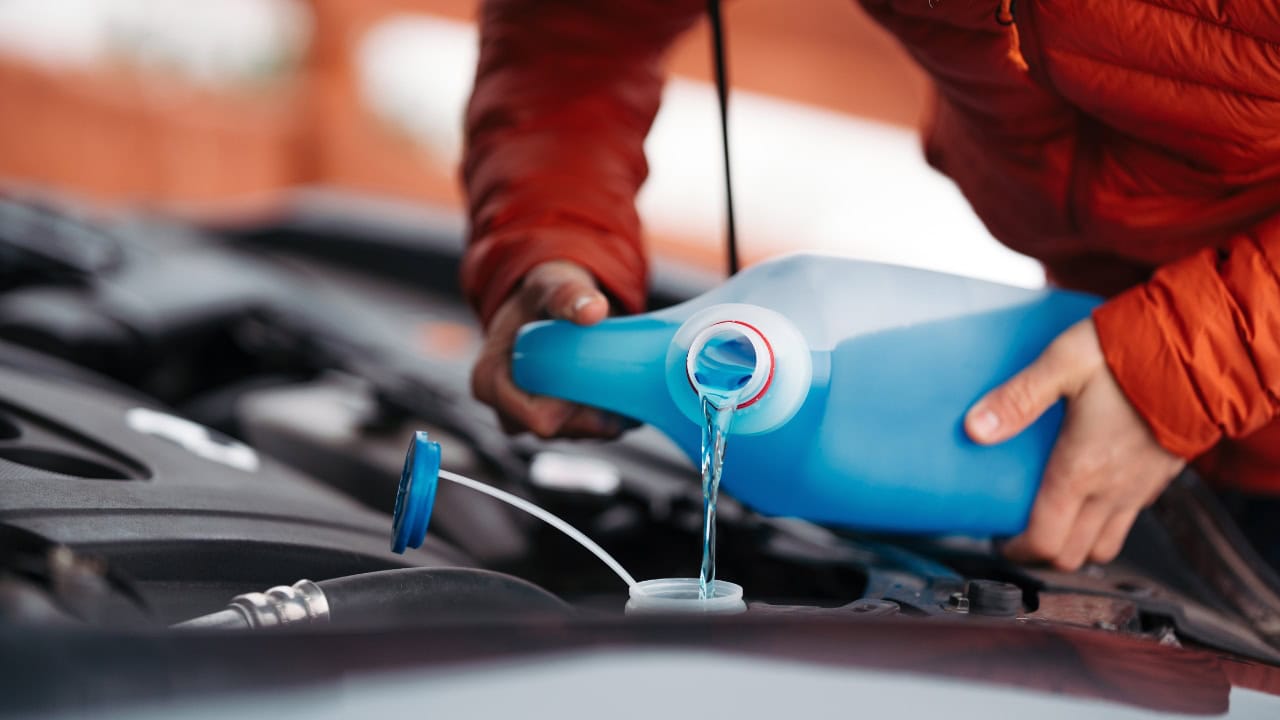
From coolant to windshield washer fluid, keeping your levels topped off is basic car care. Each reservoir is labeled, and most have clear fill lines. Keep an eye on brake and transmission fluid especially-if either runs low, it can point to a leak. Regular checks prevent expensive problems and take less time than filling your gas tank.
Replacing the Cabin Air Filter
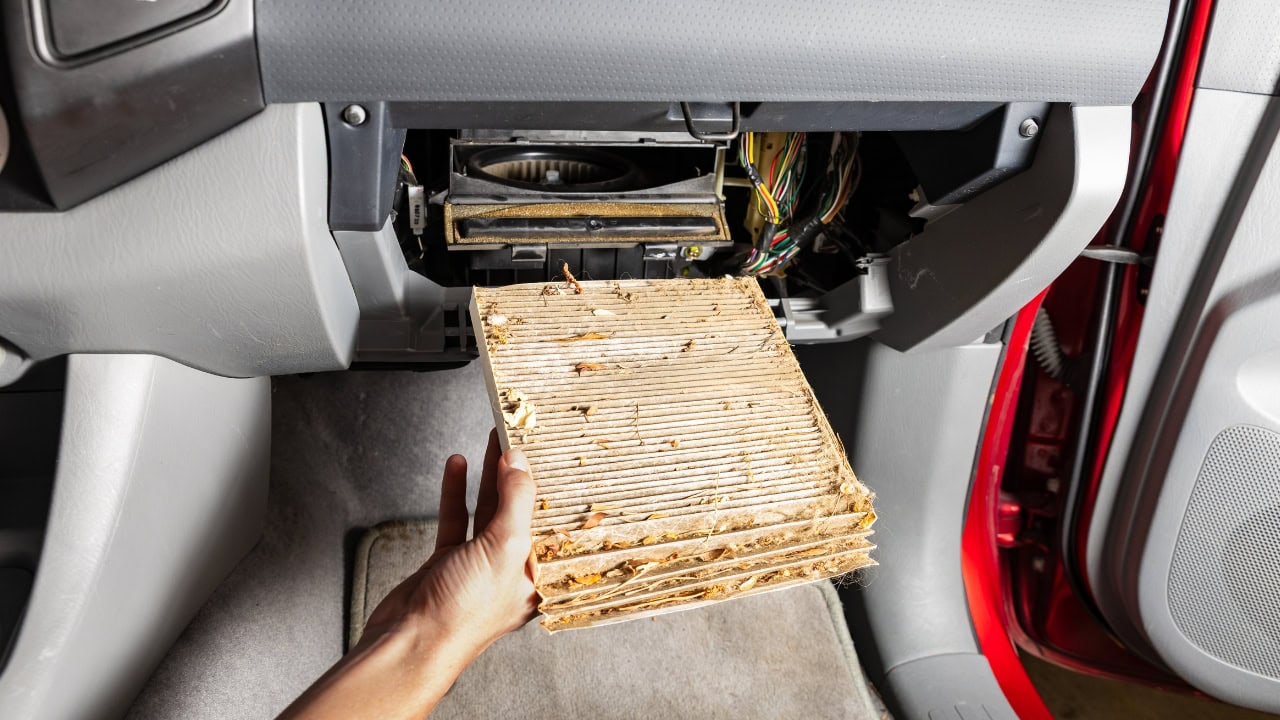
The cabin air filter keeps dust, pollen, and road debris from blowing through your vents. When it's clogged, your AC and heat don't work as efficiently, and your car might even smell musty. It's usually located behind the glove box and takes less than 10 minutes to change. It's an easy upgrade that makes your car feel cleaner instantly.
Rotating Your Tires
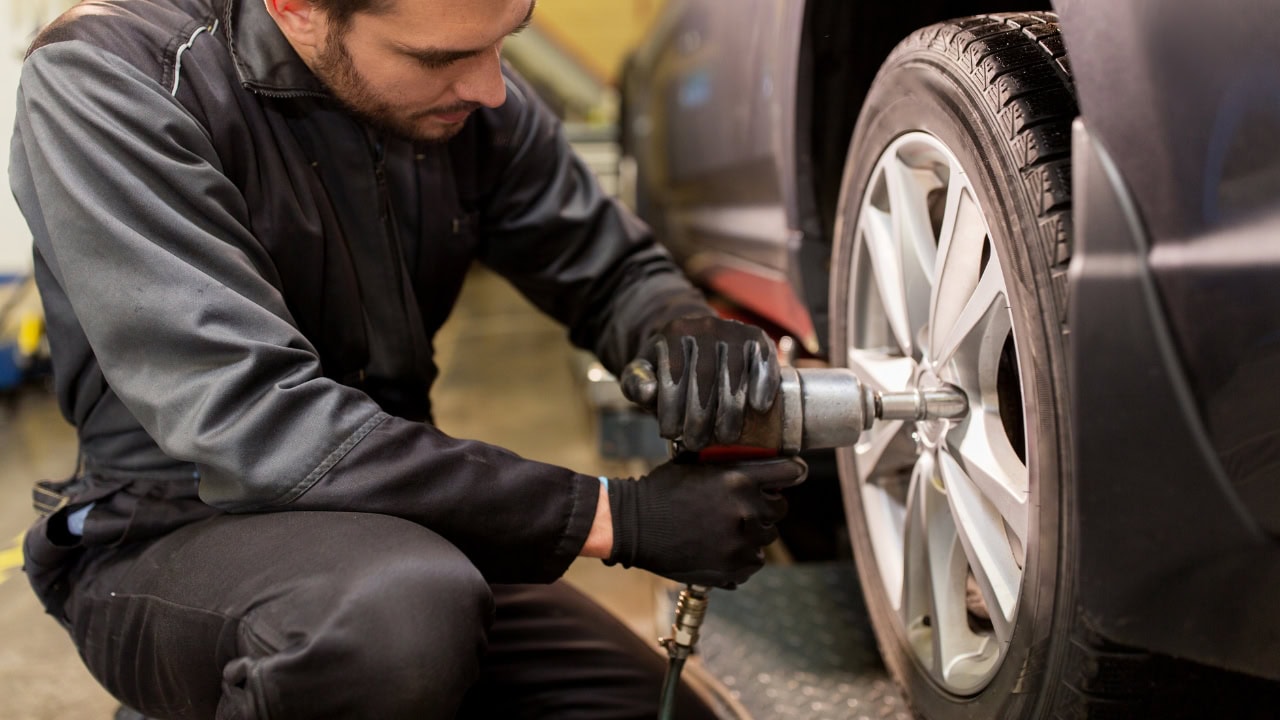
If you have a jack and a lug wrench, rotating your tires is absolutely doable at home. Moving the tires around helps them wear evenly, which extends their life and improves traction. Most cars need a rotation every 5,000 to 7,500 miles. It's a great time to check tread depth, too-uneven wear can signal suspension or alignment issues.
Replacing Spark Plugs
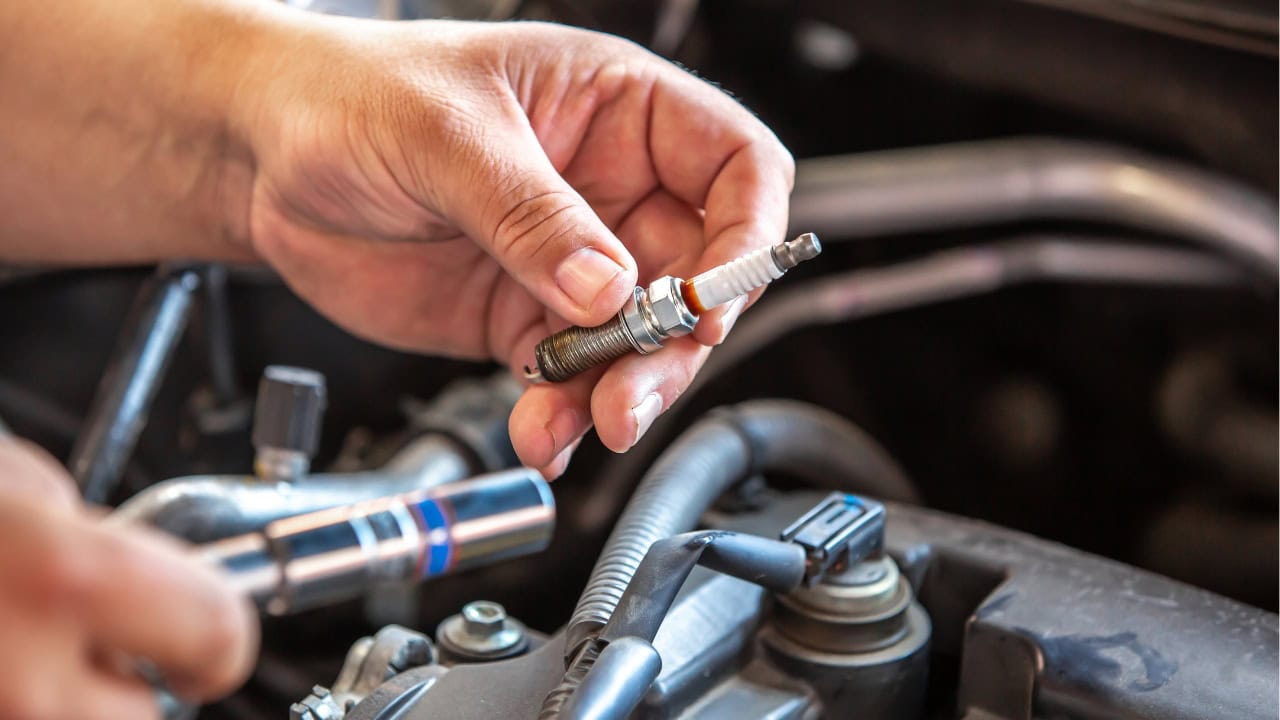
This one sounds intimidating, but spark plugs are usually easy to reach on most engines. Changing them every 30,000 miles or so keeps your car starting smoothly and helps your fuel economy. All you need is a spark plug socket, extension, and a torque wrench. Taking your time and doing one plug at a time makes the process foolproof.
Fixing a Slow Tire Leak
If you notice a slow leak but can't find a nail, grab a tire plug kit. They're cheap, easy to use, and can save you from buying a new tire prematurely. Remove the object, insert the plug using the included tool, trim the excess, and reinflate. It's a solid temporary fix that'll hold until you can get a proper patch done at a shop.
Replacing a Fuse
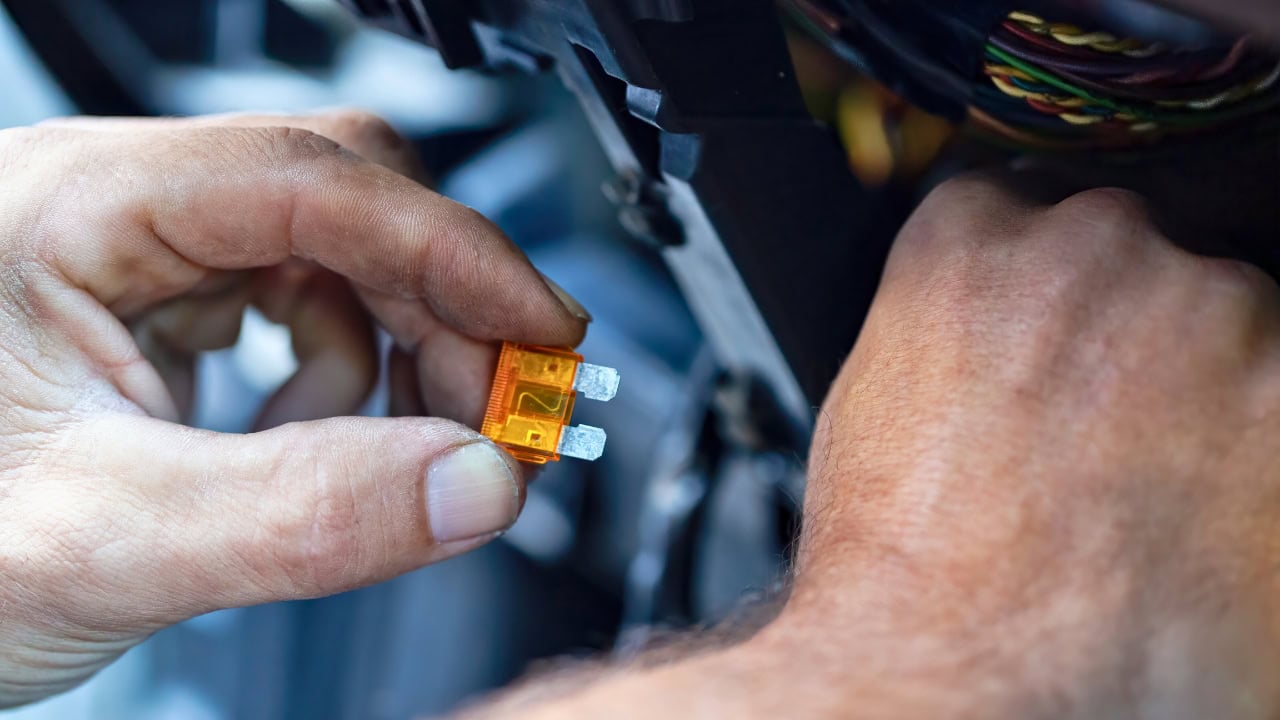
When your radio or power windows suddenly stop working, there's a good chance it's a blown fuse. Your owner's manual will show you where the fuse box is and which fuse controls what. Pop the old one out with a small tool and push in a new one of the same amperage. Keeping a spare fuse kit in your glove box can save you a headache later.
*This article was developed with AI-powered tools and has been carefully reviewed by our editors.






Leave a Reply