
You walk into the store for milk, and $75 later you're walking out with snacks, candles, and a new throw blanket. You tell yourself it's not that bad because everything was "on sale," but deep down, you know you've been played.
Impulse buying doesn't happen by accident-it's designed into the store itself. From the layout to the checkout line, every detail is there to make you spend more than you planned.
You're being primed before you even start shopping
Stores hit you with subtle cues before you grab a single item. Bright colors, upbeat music, and even smells are carefully chosen to put you in a good mood-and people in a good mood spend more.
Even something as small as the scent of baked goods in a grocery store can lower your guard. You start tossing extra things in the cart because everything feels like a treat. The trick is awareness. When you know what they're doing, you can slow down and shop with intention instead of emotion.
You're falling for "deals" that aren't deals
"Buy one, get one half off" sounds great-until you realize you didn't need two of them. The same goes for "spend $50 and save $10." Those promotions are designed to make you hit a spending target, not help you save money.
Before you grab something because it's on sale, ask yourself one question: Would I buy this if it wasn't discounted? If the answer's no, it's not a deal-it's a trap.
You're losing focus in the checkout line
The checkout lane is a gold mine for impulse spending. Candy, batteries, magazines, lip balm-all things you didn't plan to buy but suddenly "need" while you wait. It's called a capture zone, and stores make millions from it every year.
You can outsmart it by creating a small "allowance" for unplanned items before you even go in. If it's not in that limit, it stays on the shelf. Once you start noticing those last-minute grabs, it's easier to walk past them.
You're shopping without a reset button

Walking into a store stressed, hungry, or tired is a recipe for overspending. When your willpower's already low, you'll grab whatever looks good and figure it out later. That's how you end up with a cart full of random snacks and decorative pillows instead of what you came for.
Give yourself a reset before you shop-have a snack, get some water, and take two minutes to look at your list. It sounds small, but it keeps your brain focused instead of reactive.
You're confusing wants with "stocking up"
Retailers love to make you think you're being smart when you're really being steered. Labels like "family size," "limited edition," and "seasonal favorite" create urgency, making you think you'll miss out if you don't grab it now.
If you find yourself buying multiples of something "for later," stop and ask when you'll actually use it. Nine times out of ten, it's not about stocking up-it's about buying comfort in the moment.
You're trusting your memory over your list
Even when you think you know what you need, walking into a store without a list gives you too much room to improvise. You'll remember the big items but forget the details, which means you'll grab extras to "be safe." Those small, cautious choices are where your total climbs.
Keep a running list on your phone or on paper and stick to it. If something's not written down, it doesn't go in the cart. That single rule can save you hundreds over time.
You're not noticing how the store layout guides you
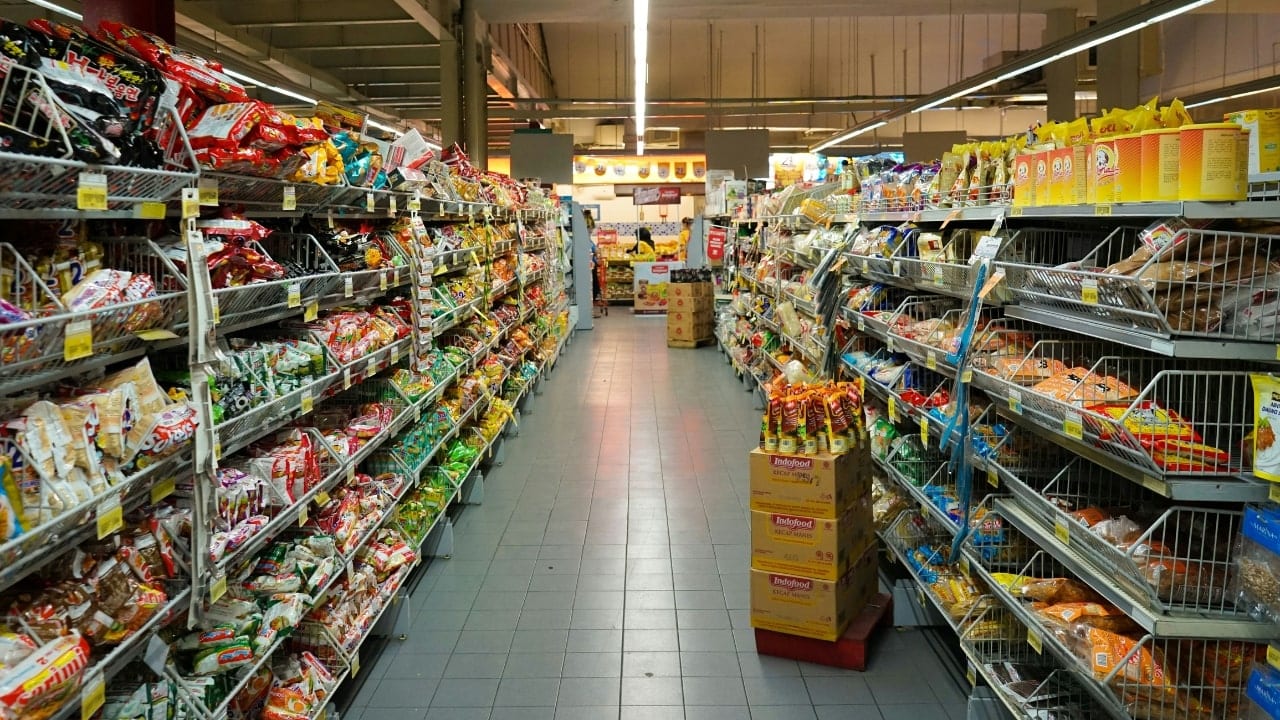
Stores are built like mazes for a reason. The essentials-milk, eggs, bread-are usually placed at the back, forcing you to pass through aisles full of temptation. Even end caps are stocked with "limited-time" offers that have nothing to do with what you came for.
The best workaround is the fastest one: know your route before you go in. If you only need produce and dairy, skip the middle aisles altogether. The less time you spend wandering, the less you spend overall.
You're letting your phone make it worse
Your phone should help you stay on budget, but most of the time, it's part of the problem. Store apps ping you with digital coupons, limited-time offers, and "member exclusives" that encourage you to add more to your cart.
If you use store apps, use them intentionally. Look for deals on what's already on your list-not as inspiration for what else to buy. And turn off push notifications. You'll be shocked how much easier it is to stay focused when your phone isn't trying to talk you into spending.
Impulse traps aren't going away-they're getting smarter. But once you start noticing them, you stop falling for them. Every small change in how you walk through a store, what you touch, and what you put in your cart adds up. The register stops being a surprise, and your wallet finally gets the break it's been waiting for.
*This article was developed with AI-powered tools and has been carefully reviewed by our editors.






Leave a Reply