
When your grocery bill, gas tank, and utility costs all go up at once, you start looking for real ways to cut back. I didn't overhaul my entire life, but I did make a few intentional swaps that made a big difference.
Nothing extreme-just switching where or how I was spending on everyday things. It added up quicker than I expected. These are the budget swaps that actually saved me around $400 this month, and I'd do them again in a heartbeat.
Swapped name-brand groceries for store brands
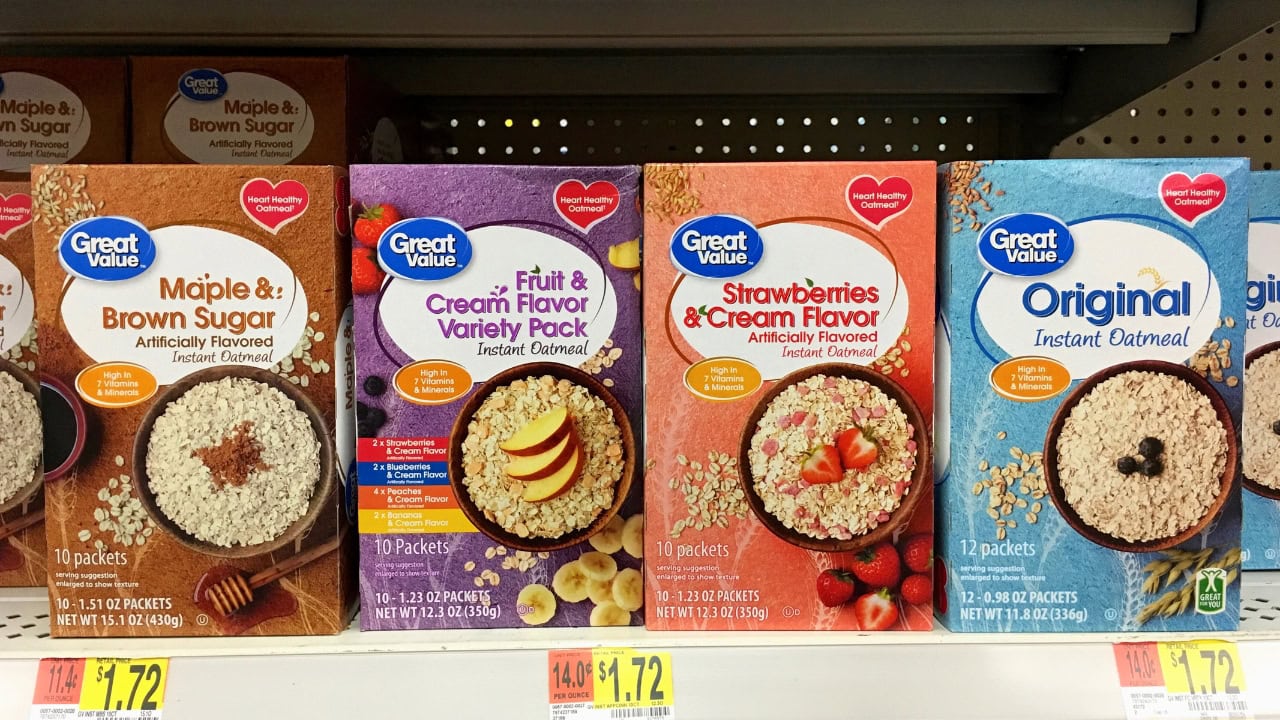
One of the fastest ways I cut spending was by dropping most of the name-brand groceries I used to grab automatically. Shredded cheese, cereal, yogurt, pasta, peanut butter-it all adds up. Store brands from Aldi or Walmart have been just as good for a lot less. Over the course of a month, this swap alone saved me about $60 without changing how we eat.
Canceled streaming I wasn't using

I finally took five minutes to look through what I was actually watching and paused two streaming services that were sitting idle. That saved me over $30 right there. Most of us don't realize how much we're spending on subscriptions until we see them stacked up. Canceling even one or two you won't miss can free up real money fast.
Switched from paper towels to reusable cloths

I used to go through way more paper towels than I'd like to admit. I finally grabbed a cheap pack of microfiber cloths and made the switch. I still keep one roll on hand for grease or raw meat cleanup, but for everything else, the reusables work better and save money. I cut out two bulk packs this month, saving around $10 to $15.
Started using the library for books and movies

Instead of hitting Amazon or Redbox every time we wanted something new, I started using the library again-and it's been great. I've saved at least $30 this month between kids' books, cookbooks, and a few movie nights. Most libraries also have streaming apps and digital rentals now, so you don't even have to leave the house.
Planned leftovers into the week
This month, I stopped treating leftovers like an afterthought. I started planning one or two meals a week around what we already had cooked. A leftover roast turned into sliders. Extra chicken became wraps. That cut down on impulse takeout nights and helped stretch our groceries. I estimate we saved $50 just by not wasting food we already had.
Filled up at a cheaper gas station
I used to go to the same gas station out of habit until I realized one down the road was consistently 20-30 cents cheaper per gallon. That difference adds up fast when you're filling up weekly. I saved almost $15 this month by being a little more intentional about where I stopped.
Made coffee at home

I didn't cut out coffee-I just stopped buying it on the go. Even grabbing a $3 cup a few times a week adds up. This month I brewed at home every morning and only treated myself once. I saved about $40, and honestly, I didn't miss it once I got into a routine. It helps that I keep a few creamers and syrups on hand to make it feel like a treat.
Used rebate and cashback apps

I started actually using my receipt and cashback apps this month instead of letting them sit on my phone. Between Ibotta, Fetch, and my card's cashback, I made about $25 back on purchases I was already planning to make. It's not a fortune, but it's real money for barely any effort-and it stacks up month after month.
Switched to bulk snacks instead of pre-packed

I swapped individually wrapped granola bars, crackers, and cookies for bulk bags and packed them myself. A $6 box of individually packaged snacks can be replaced with a $2 bag and a few reusable containers. For lunchboxes and road trips, the kids didn't notice, and I saved around $20 over the course of the month.
Shopped weekly instead of multiple times a week

I used to run into the store three or four times a week for random things I forgot-and every time, I walked out with extra stuff. Now I plan one solid trip and do my best to stick to it. Fewer trips means fewer impulse buys. This month I cut back to one trip plus a quick midweek produce run, and I saved at least $40 by not wandering the aisles more than I had to.
*This article was developed with AI-powered tools and has been carefully reviewed by our editors.






Leave a Reply