
Some habits from the '90s still hold up-saving change in a jar, writing things down, keeping a paper trail. But when it comes to paying bills, those old-school methods could be quietly costing you hundreds each year.
The world runs faster now, and the companies that handle your utilities, insurance, and banking have shifted right along with it. If you're still mailing checks, ignoring autopay perks, or sticking with outdated plans because "it's worked fine for years," you're likely paying more than you need to.
You're missing out on online discounts and autopay perks
Most companies reward efficiency. Whether it's your cell phone provider, utility company, or insurance plan, they often offer discounts for switching to paperless billing or setting up autopay. It's not about convenience for them-it's about reducing administrative costs.
If you're still mailing checks or paying manually every month, you could be missing out on 5%-10% savings just for automating. Many utilities and credit card companies even offer lower rates or fee waivers when you set up digital billing. Those little discounts add up quickly across multiple accounts.
Late fees are the hidden cost of "manual" habits
Writing checks, balancing a ledger, and waiting for the mail might feel responsible, but it's a system that doesn't fit modern billing cycles. One delayed payment can trigger a $25-$40 late fee-and once those stack up, you're essentially donating money to the company.
Switching to digital payments doesn't mean giving up control. It means building safety nets. Setting reminders or using autopay with alerts keeps you on track without the stress of remembering every due date. You can still review your bills monthly-just without the risk of old-school timing mistakes.
You're probably overpaying for outdated plans
If your insurance, internet, or cell phone plan hasn't changed in years, there's a good chance it's not competitive anymore. Companies rarely call to tell you there's a cheaper option. They assume you'll stay on autopilot-especially long-time customers who have been "loyal."
The truth is, newer customers often pay less for better coverage or faster service. Reviewing your plans once a year and asking about updated pricing can save you hundreds annually. Loyalty doesn't always pay when it comes to utilities and insurance.
Mailing checks costs more than you think
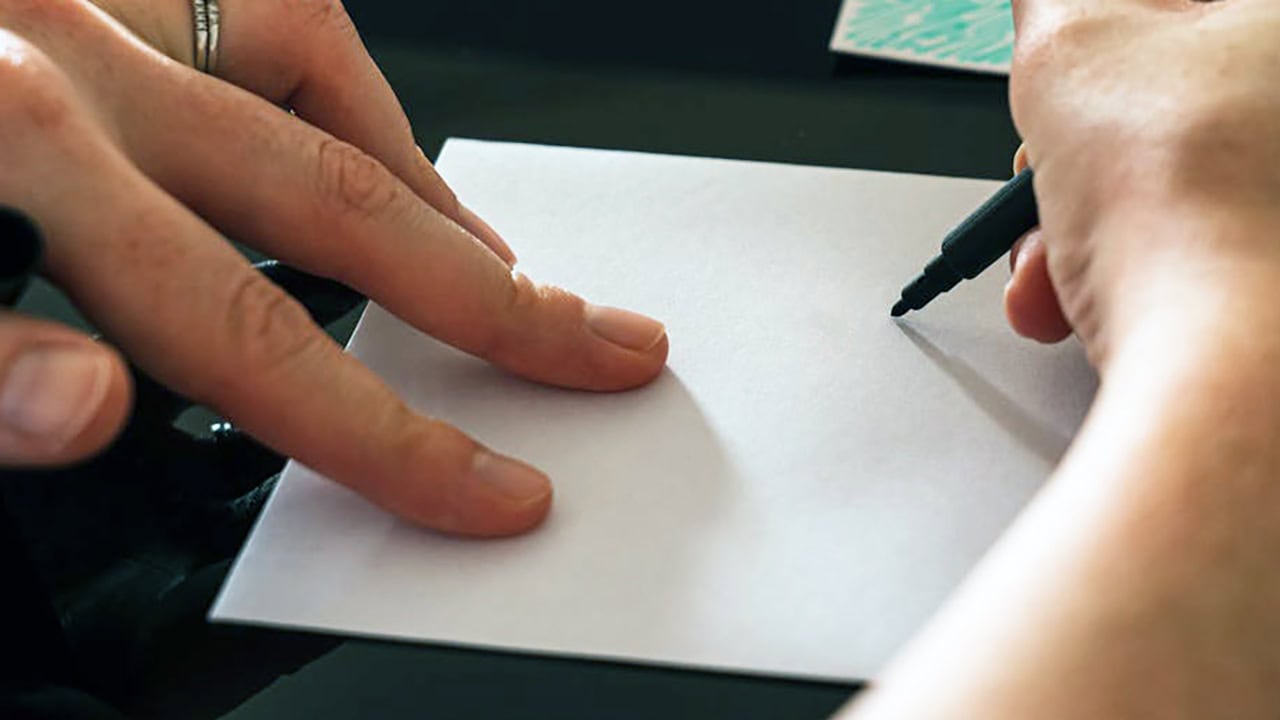
Postage might seem cheap, but the costs sneak up. Between envelopes, stamps, and time, mailing bills adds up. Sending ten checks a month at today's postage rate means spending over $70 a year just to move paper.
Online payments are faster, safer, and free. They also give you immediate proof of payment-no waiting for a check to clear or worrying about something getting lost in the mail. The small habit of mailing bills might feel nostalgic, but it's one of the most expensive "comfort routines" to keep.
You're not taking advantage of real-time monitoring
Paper statements show you where your money went weeks ago. Digital banking shows you what's happening right now. That difference matters. When you rely on paper, you're always a step behind-especially when it comes to spotting fraudulent charges, overages, or surprise fees.
Online dashboards and apps let you catch errors the day they happen. If you're still waiting for statements in the mail, you could be paying for mistakes or forgotten subscriptions without realizing it until it's too late.
You might still be paying "convenience" fees that aren't convenient
Some companies charge fees for over-the-phone or in-person payments, and those small charges often go unnoticed. If you're paying $3-$5 each time, that could mean $60 or more per year per account.
Setting up free digital payments through your bank or provider eliminates those costs entirely. It also helps you track everything in one place, so you're not juggling receipts or trying to remember what cleared.
You're losing time-and time has value
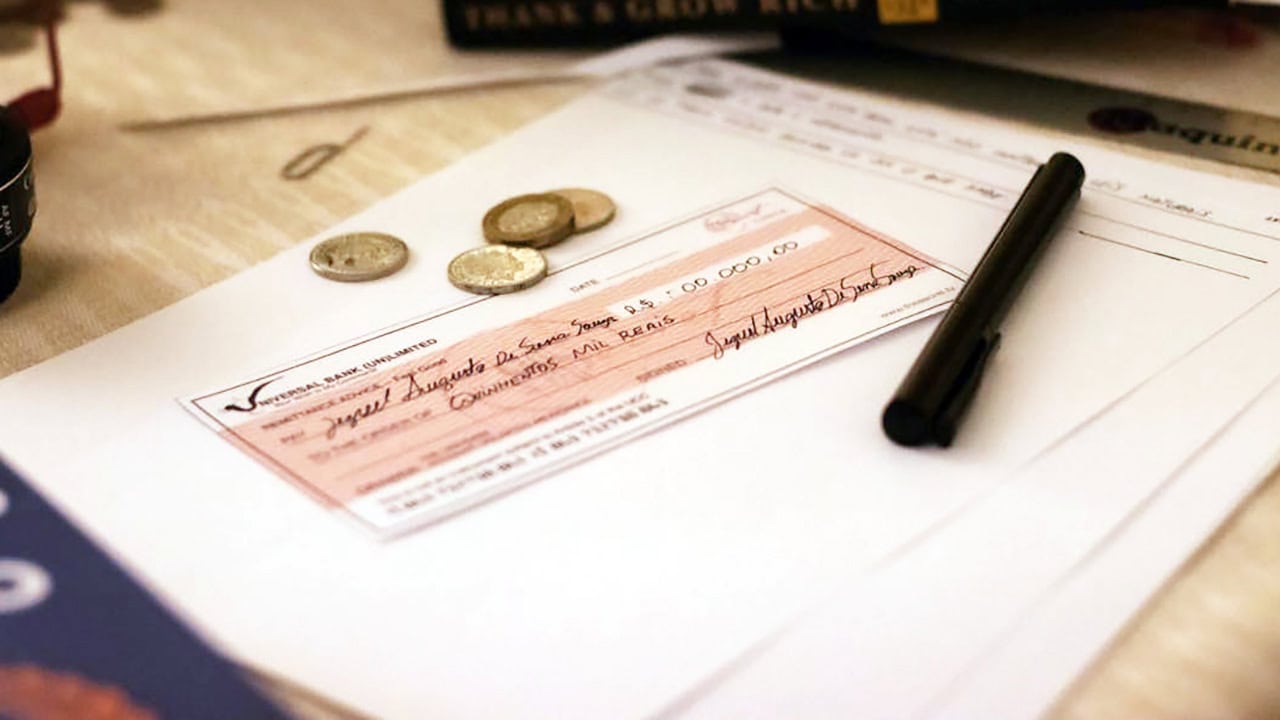
It's easy to underestimate how much time you spend managing bills the old way. Writing checks, finding envelopes, and running to the post office might not feel like much, but it's time you could spend doing something else.
Even if you save 30 minutes a week by automating, that's 26 hours a year. Imagine using that time for something productive-or relaxing-rather than sorting through paperwork.
You haven't updated how you think about security
Many people still avoid online payments out of fear of being hacked, but the truth is, digital systems are far safer than mailing checks. Paper mail can be intercepted or lost, and printed account numbers are easy to steal.
Modern encryption and two-factor authentication make online billing more secure than old-school methods. If you're worried about privacy, use your bank's bill pay system-it adds an extra layer of protection and keeps all your payments centralized.
The nostalgia for "doing things by hand" isn't saving you anymore
There's something satisfying about checking off bills in a ledger or mailing payments yourself-it feels tangible, responsible. But that sense of control can be recreated digitally, without the hidden costs. Setting up all your accounts in one dashboard lets you see your entire financial picture in seconds.
Once you let go of the 1997 mindset, you'll find managing money gets easier, faster, and cheaper. You don't lose control by going digital-you gain it. And in 2025, that's what financial responsibility really looks like.
*This article was developed with AI-powered tools and has been carefully reviewed by our editors.






Leave a Reply