

Scammers are constantly finding new ways to trick people into handing over their money or personal information. While anyone can become a target, some scams specifically prey on concerns that become more relevant as we get older, including retirement savings, healthcare, family emergencies, and financial security.
The best defense is knowing what to watch for. Many scams share the same warning signs: unexpected contact, urgent demands, requests for sensitive information, or pressure to make a decision immediately.
The Imposter Scam

You receive a call, text, or email from someone claiming to be from a bank, government agency, police department, or another trusted organization. The person may say there’s a problem with your account or that you need to make a payment immediately.
The goal is usually to frighten you into acting before you have time to verify the story. Legitimate organizations generally won’t demand that you send money through unusual payment methods or provide sensitive information because of an unexpected message. If you’re unsure, contact the organization directly using a phone number listed in an official statement or on its website-not the number provided by the person contacting you.
The Grandparent Scam

This scam targets people’s natural desire to help their families. A scammer may call pretending to be a child, grandchild, or another relative and claim they’re experiencing an emergency. They might say they’ve been arrested, lost their phone, or need money urgently.
The caller may even tell you not to contact other family members. Before sending money, stop and independently contact the relative or another trusted family member using a number you already have. A few minutes of verification could prevent a devastating financial loss.
Medicare and Healthcare Scams

Healthcare-related scams can be particularly convincing because they involve services people regularly use. A scammer might impersonate a Medicare representative, healthcare provider, or insurance company and request personal information, payment, or account details.
Be especially cautious when someone unexpectedly contacts you and asks for sensitive information. If you receive a suspicious healthcare-related request, contact your healthcare provider or insurance company directly through an official channel.
Investment Scams

Investment scams often promise unusually high returns with little or no risk. You may encounter someone claiming to have an exclusive investment opportunity, guaranteed profits, or a secret strategy that can dramatically increase your retirement savings.
Promises of guaranteed high returns should immediately raise a red flag. Legitimate investments involve some level of risk, and pressure to invest quickly is another warning sign. Never hand over retirement savings simply because someone claims an opportunity is “limited” or available only for a short time.
Romance Scams
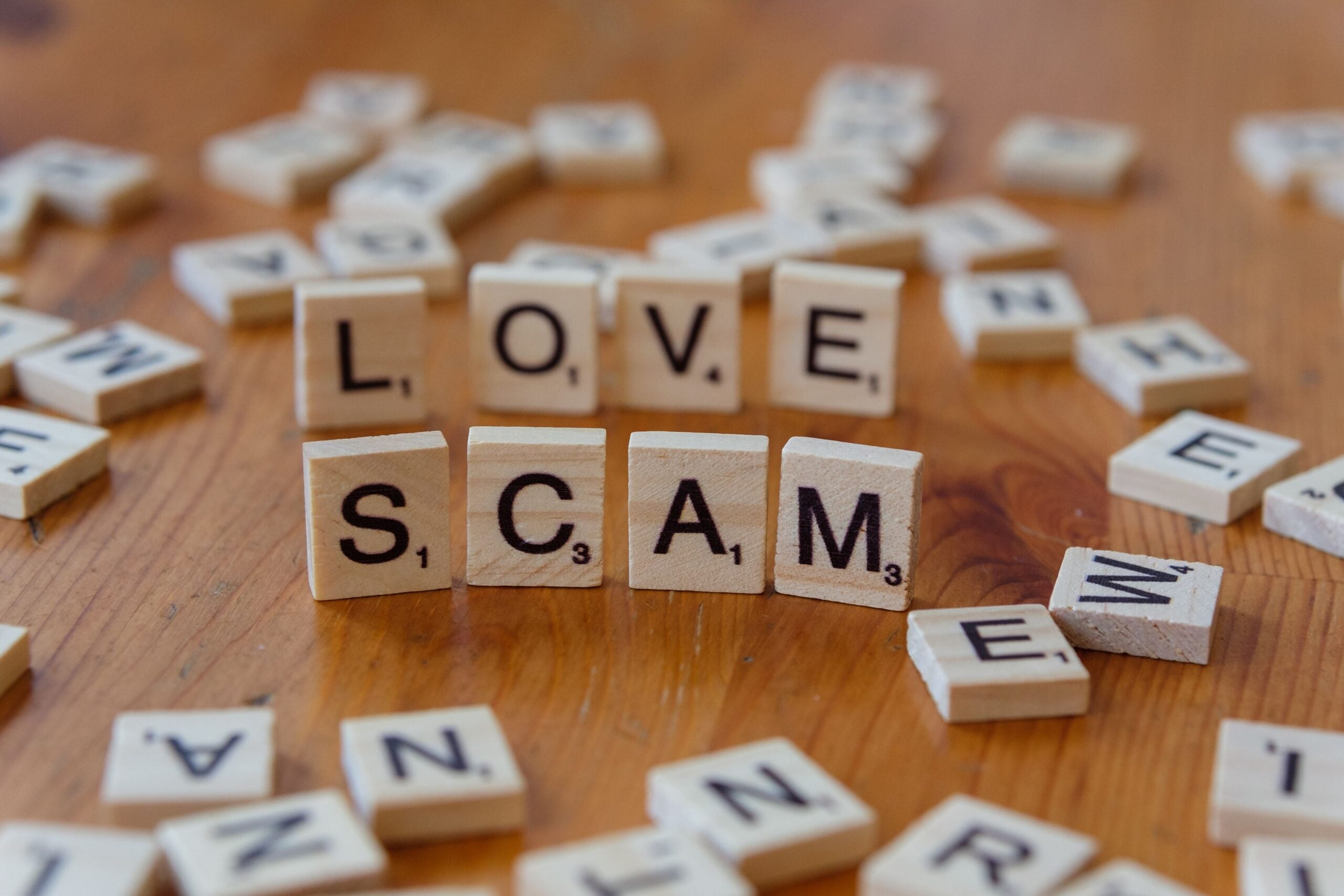
Romance scammers often build relationships gradually through dating apps, social media, or messaging platforms. After gaining someone’s trust, the scammer may eventually ask for money due to an emergency, a medical problem, a business opportunity, or a travel issue.
One major warning sign is someone you’ve never met in person repeatedly asking you for financial assistance. A relationship that quickly becomes financially demanding deserves serious caution.
Tech Support Scams

You might receive a pop-up, phone call, email, or message claiming that your computer has been infected with a virus or that your account has been compromised. The scammer may ask you to install software, give them remote access to your computer, or pay for unnecessary technical support.
Don’t give an unexpected caller remote access to your computer or provide passwords and security codes. If you think there’s a genuine problem, contact your device manufacturer or a trusted technology professional independently.
Fake Prize and Sweepstakes Scams

Winning a prize sounds exciting-until you’re told you have to pay money before you can receive it. Scammers may claim you’ve won a sweepstakes, lottery, vacation, or large cash prize and then demand a “tax,” processing fee, shipping charge, or other payment.
Remember that an unexpected prize that requires you to send money first is a major warning sign. Don’t provide your financial information or send payment simply because someone says you’ve won something.
*This article was developed with AI-powered tools and has been carefully reviewed by our editors.





Leave a Reply