
There's a certain comfort in holding on to pieces that have been in the family for years. That dresser your parents gave you, the old dining table that's "too good" to get rid of, the antique hutch that's followed you through every move-it all feels too meaningful to part with.
But here's the truth: your kids probably don't want it. And that's not a knock on them-it's a reflection of how homes, styles, and lifestyles have changed.
Keeping furniture out of guilt or nostalgia doesn't make it more valuable. It makes your home heavier-literally and emotionally. If you're hanging onto things because you think your kids will want them one day, it might be time to rethink what's really worth saving.
Stop saving things you wouldn't want yourself
A good rule of thumb is this: if you wouldn't take it from someone else, your kids probably won't take it from you. Most younger generations aren't drawn to oversized furniture, dark wood, or anything that feels like it belongs in a museum. They live in smaller spaces, move more often, and prefer lighter, functional pieces that fit their lives.
If you've been storing something out of obligation-an extra bedroom set, a dated china cabinet, or a bulky couch that's more sentimental than useful-it's okay to let it go. Keeping something "for the kids" only makes sense if they've said they actually want it.
Understand the difference between valuable and meaningful
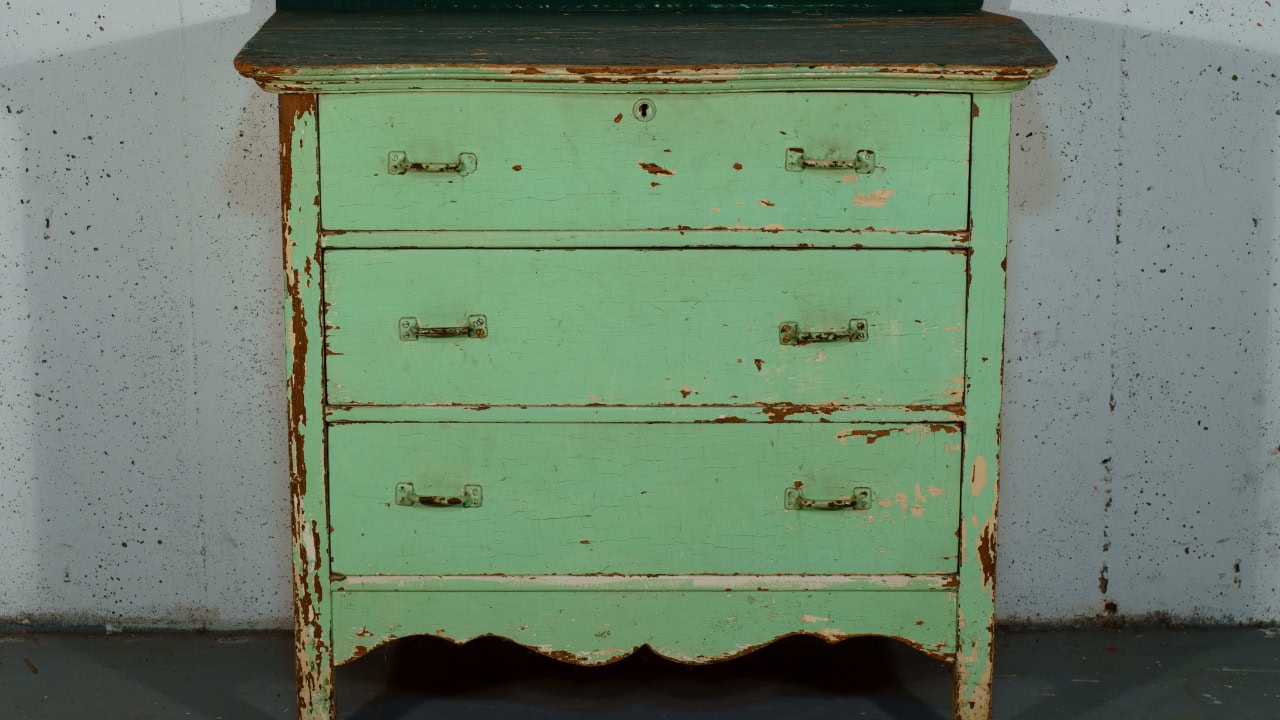
Not all old furniture is valuable, even if it's well-built or cost a fortune decades ago. Solid wood doesn't automatically mean collectible, and most vintage pieces only sell for what someone's willing to pay locally. If your goal is to pass something down because you believe it's worth money, do a quick online check or appraisal before deciding.
Meaningful pieces, on the other hand, hold value in stories, not dollars. That may be a kitchen table where your family gathered for decades or a chair your grandparent always sat in. Keep those few items that truly matter to you-not the ones you feel you "should" keep because they've been around a long time.
Make peace with changing taste
Your kids aren't being ungrateful when they say no to old furniture-they're living in a completely different design era. Homes today are built smaller, with open layouts that don't suit massive entertainment centers or formal dining sets. Minimalism, lighter woods, and multifunctional furniture have taken over for a reason: they make sense for modern living.
Holding on to old furniture doesn't preserve family history-it clutters it. Passing down memories doesn't require passing down every piece of furniture that once held them. Take pictures, write notes about where items came from, or share stories before you sell or donate. That's what lasts longer than any armoire.
Don't guilt yourself into storage
Many people think storage units are a temporary solution, but they often turn into long-term money pits filled with things nobody truly wants. If your furniture's been sitting untouched for years, that's a clear sign it's not essential.
Instead of paying to store it, find it a second life elsewhere. List it locally, donate it to a family starting out, or offer it to a friend who'll actually use it. You'll feel lighter, and your space will finally reflect the way you live now-not how you used to.
Keep a few small reminders, not entire rooms of them
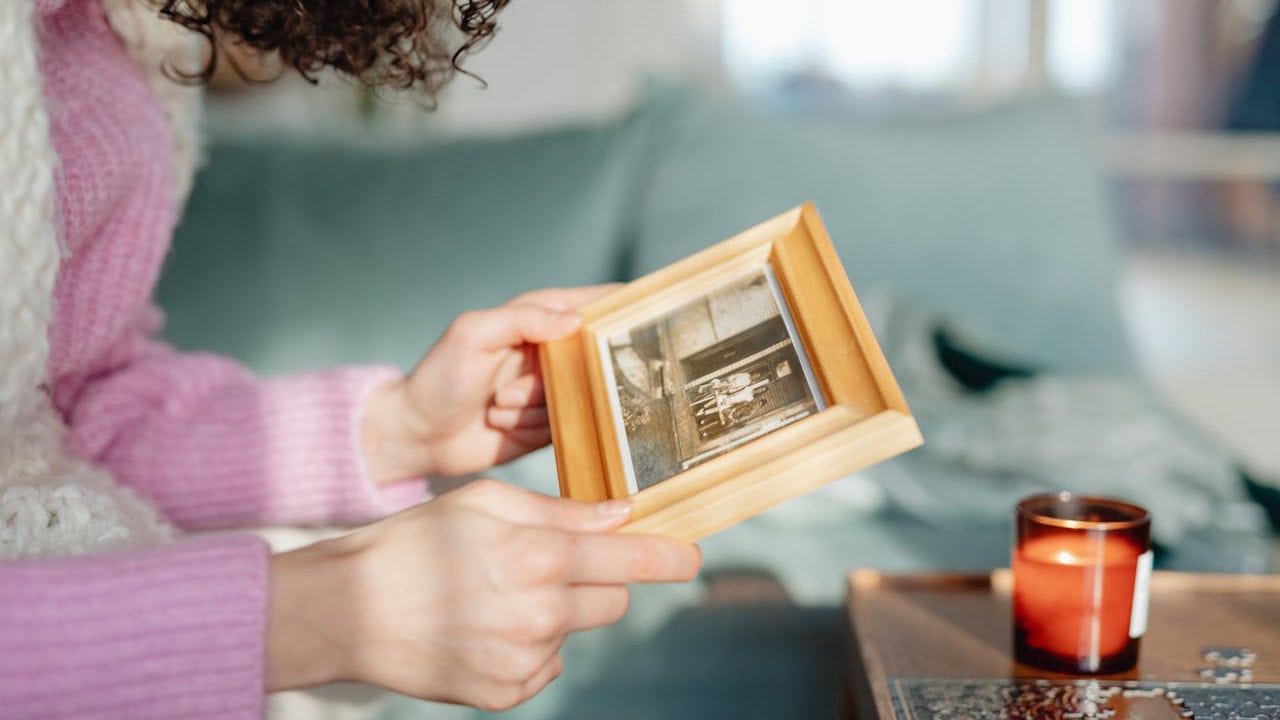
You don't have to part with every heirloom or family piece to move forward. The key is being selective. A small end table, framed photo, or decorative item can carry the same memory as a full furniture set.
When you keep a few pieces that genuinely mean something, they stand out more. They become intentional reminders instead of background clutter. Letting go of the rest doesn't erase history-it lets you live more freely in the present.
Let practicality win over sentiment
You've done your part by caring for these pieces all these years. If your kids have made it clear they don't want them, it's okay to stop holding on "just in case." Use your furniture while you still can, enjoy it, and then release it when the time feels right.
A house full of furniture that no one loves isn't a legacy-it's a burden. Passing on freedom, space, and less to manage is often the best gift you can give your family. When you let go of what no longer fits, you're making room for what actually does.
*This article was developed with AI-powered tools and has been carefully reviewed by our editors.






Leave a Reply