
January can feel like a financial hangover. The card balances are higher than you planned, autopays keep hitting, and regular life didn't pause for your gift list. Recovery isn't about a perfect spreadsheet. It's about three fast moves that stop the bleeding, followed by a four-week reset that gets you back to baseline without white-knuckling.
Here's the plan people actually follow when they've overspent-and why it works.
Freeze the leaks in 24 hours
Turn off convenience that runs up totals. Pause grocery delivery fees this month, switch restaurant spend to one planned meal a week, and unsubscribe from the most expensive streaming tier for 30 days. If you used buy-now-pay-later for gifts, open each plan and add the payment dates to your calendar with alerts. The goal is to stop accidental spending and missed fees while you get organized.
Call your card issuer once to ask for a temporary APR reduction or a 0% balance transfer offer. A single yes can shave real dollars off interest this month.
Set a simple, one-number budget for four weeks
Instead of rebuilding a full budget, set a "spend number" for everything non-fixed. Add groceries, gas, household, and fun into one pot for the next four weeks. Transfer that amount to a separate checking account or prepaid card and run daily life from it. When it's low, you slow. When it's gone, you stop. This keeps you from making 20 micro-decisions a day while you're still tired from the holidays.
Track the number once a week on a sticky note. You'll see progress without getting lost in categories.
Plan a no-buy pantry rotation that still tastes good
Pick ten meals from what you already have-pasta plus jarred sauce with a bag of frozen veg, taco bowls with rice and beans, sheet-pan chicken and potatoes, breakfast for dinner. Use your grocery money for fresh produce, milk, and bread only. You'll cut the receipt total in half and still eat well. Bonus: you clear space and stop buying duplicates because you can see your shelves again.
If you must buy meat, choose one family pack and split it across two to three meals.
Make a four-payment plan against the highest rate
Look up the APR on your credit card or BNPL. Send four equal weekly payments this month to the highest-cost balance, on top of the minimum. Weekly beats monthly because it keeps momentum and reduces interest days. When the four weeks are over, keep the same weekly payment if you can; when money gets tight, drop to biweekly instead of quitting entirely.
If you have multiple small balances, knock out the smallest first for a quick win, then move that payment to the next one.
Convert returns and gift cards into real relief
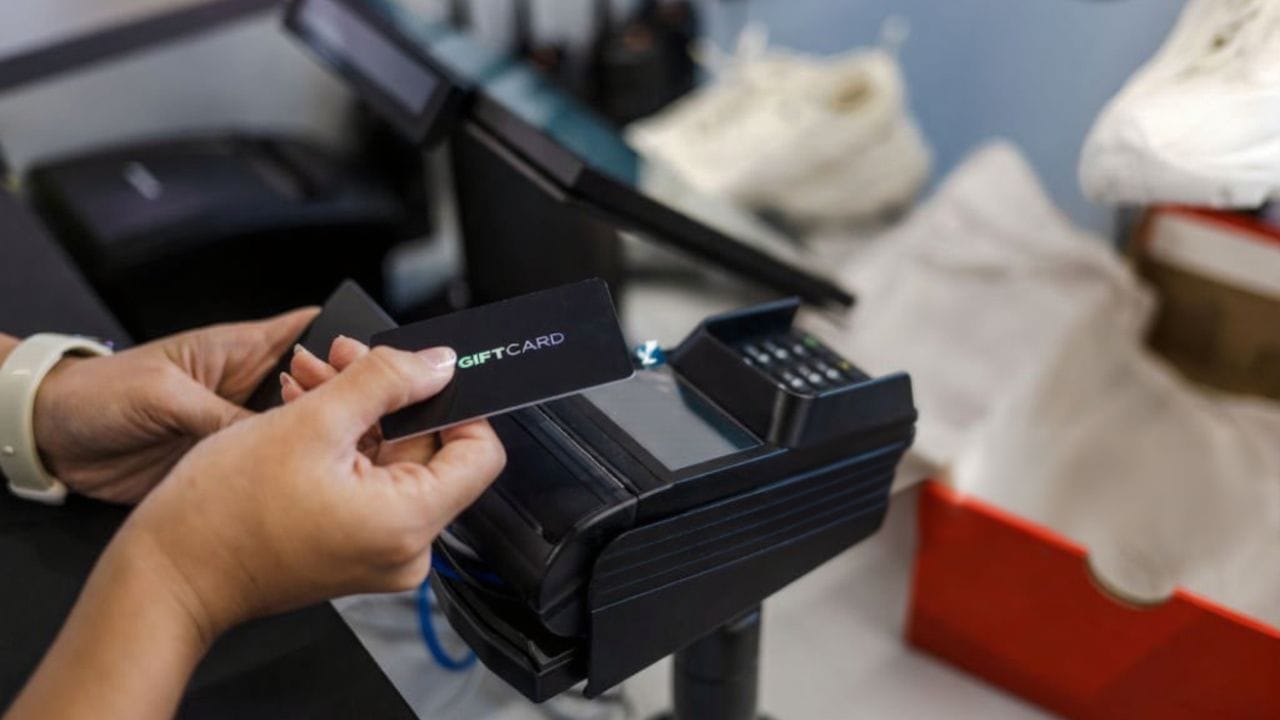
Put a laundry basket by the door labeled "returns." Anything you won't use goes there tonight. Do one return run this weekend and one next. Turn gift cards into groceries or household staples instead of treats. If a card is to a store you don't use, resell it online or gift-swap with a friend for a card you will use. This is how you turn clutter into cash without drama.
Keep cards in a single envelope in your purse so they actually get used.
Replace online browsing with a five-minute money ritual
The habit that drives overspending is scrolling. Swap it for a tiny ritual once a day for four weeks: open your bank app, note the "spend number" remaining, move $10-$20 toward the high-APR balance, and close the app. Five minutes, no spreadsheets. Habits stick when they're short and repeatable.
If you miss a day, do it the next. Consistency beats perfection.
Add one "relief" win so you feel the change
Pick one move that lowers next month automatically: call for a car-insurance requote, drop a streaming tier permanently, switch your mobile plan to a cheaper tier, or refinance a store card to a 0% promo. Even a $15 monthly drop matters; you're rebuilding margin.
Write the new bill amount on your calendar so you see the payoff.
Lock a calmer year by March
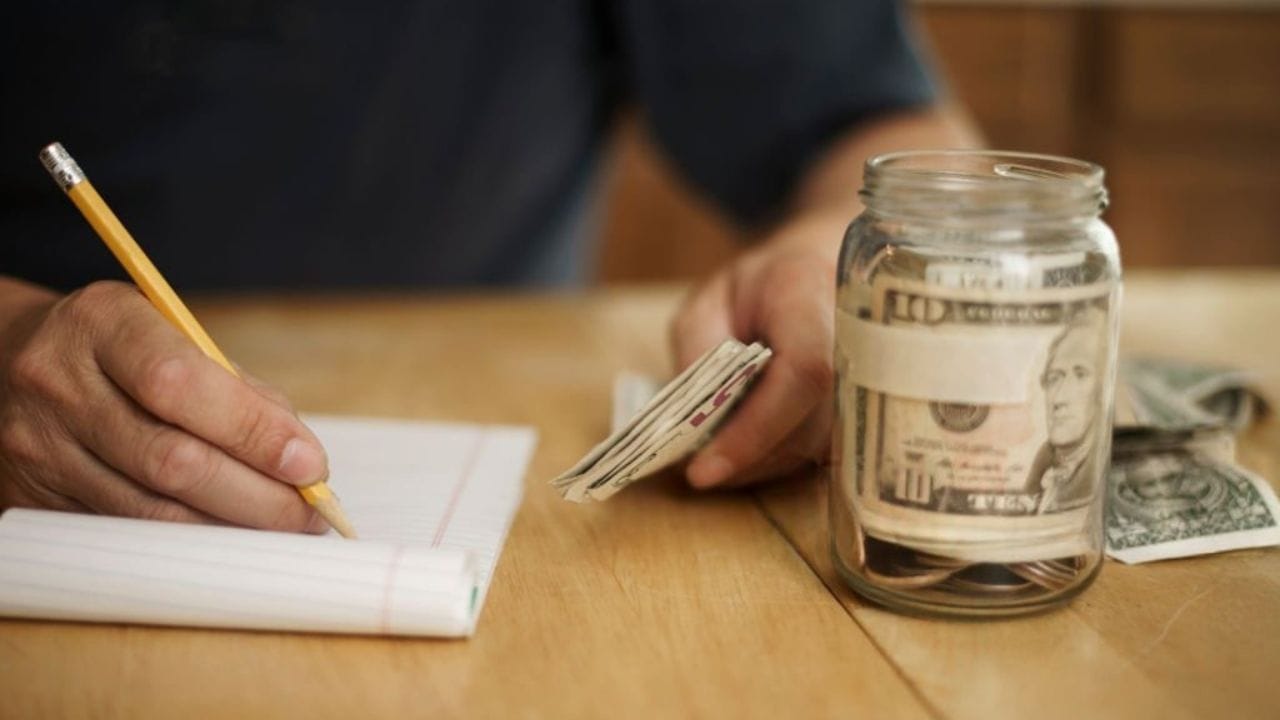
On February 1, start a tiny gifts sinking fund-$20-$40 per paycheck-and a "surprise expenses" fund at the same amount. These two buckets prevent the exact overspend you're fixing now. If money is tight, start at $10 each. Seeing any cushion makes you less likely to swipe in panic later.
Overspending happens. Recovery does, too. Freeze the leaks, run a one-number budget, eat the pantry, pay weekly toward the highest APR, cash in returns, and install one bill that's permanently smaller. Four weeks from now, you'll feel like yourself again.
*This article was developed with AI-powered tools and has been carefully reviewed by our editors.






Leave a Reply