
A lot of people think they're saving money because they use coupons or wait for sales-but if you're always buying new, you're still overspending. It's not stingy to buy used; it's smart. Most of what we buy depreciates fast, and you're paying extra for packaging and marketing more than quality.
Once you shift your mindset from "new" to "useful," you start realizing how much money you've been leaving on the table for no reason.
Tools and equipment
Most tools don't need to be brand new to work well. A wrench that's ten years old tightens bolts the same as one that came off the shelf yesterday. Estate sales, Facebook Marketplace, and even pawn shops can be goldmines for quality gear.
You can often find higher-end tools for the same price as cheap new ones, and they'll last longer too. Before you grab that shiny new drill or chainsaw, check locally. The money you save can go toward parts, blades, or fuel-things that actually matter.
Furniture and decor
Brand new furniture looks nice on the showroom floor, but most of it's built from particleboard that won't last five years. Buying secondhand isn't about roughing it-it's about getting solid wood and craftsmanship you can't afford new anymore.
Thrift stores, estate sales, and local swap groups are full of pieces that only need a little cleanup or paint to look better than anything mass-produced. You can often find rugs, mirrors, and light fixtures too. It's one of the easiest ways to make your house look high-end without overspending.
Yard and garden gear
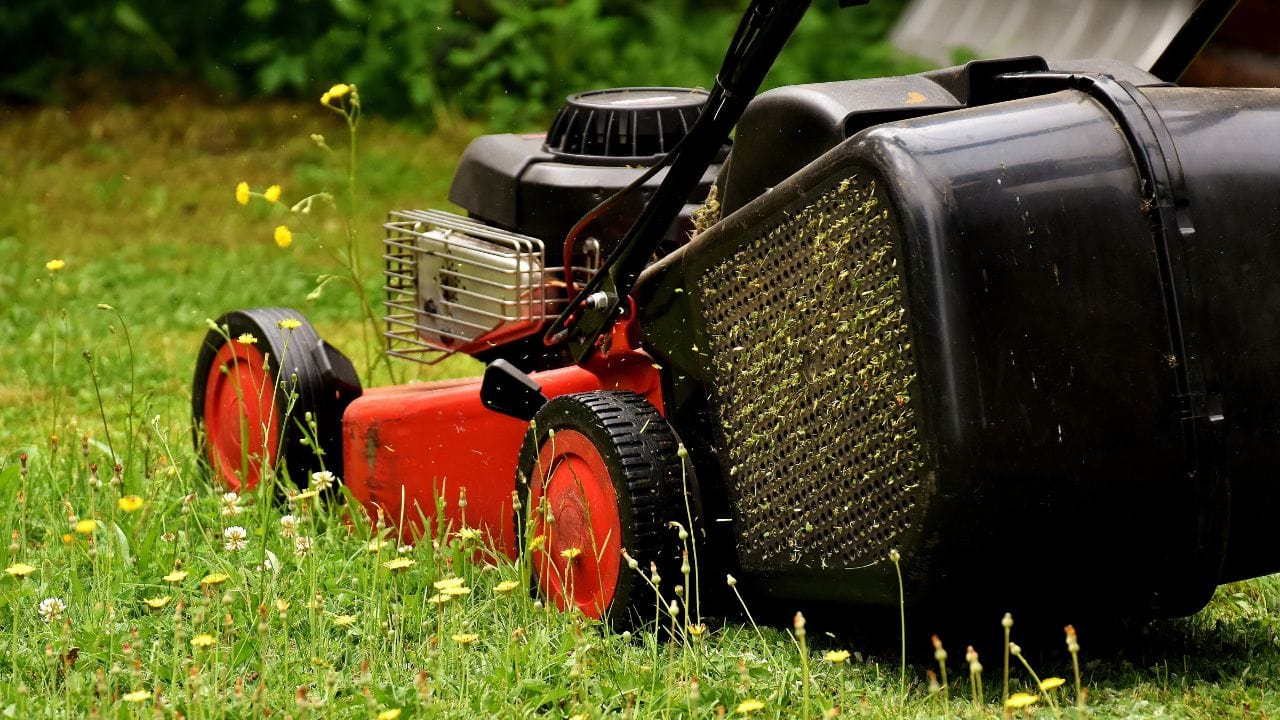
Lawn mowers, planters, garden tools, even patio furniture-these things are all over resale sites, especially at the end of summer. Most people upgrade before their old stuff is truly worn out, which works out in your favor.
Buying used doesn't mean buying junk. You can inspect the condition, test the motor, or replace small parts for a fraction of the new price. When you see how fast yard equipment loses value the moment it's unboxed, you'll never want to pay retail again.
Vehicles and outdoor toys
If you're still buying new vehicles, ATVs, or trailers, you're losing thousands the second you drive them off the lot. Buying used doesn't mean unreliable-if anything, it gives you a chance to research common issues and pick one that's already proven itself.
Certified used options often come with warranties, and private sellers are usually willing to negotiate. Do your homework and check maintenance records. You can save enough to cover upgrades, repairs, or insurance for years.
Electronics and appliances
The newest model of anything-TV, phone, laptop-comes with a "new tax" that disappears after a few months. Once a newer version releases, last year's model drops in price while still working perfectly.
Refurbished or open-box items are another smart route. Retailers test and certify them, so you're getting reliability without paying extra for the word "new." The same logic applies to washers, dryers, and refrigerators-buying slightly used can save hundreds while lasting just as long.
Baby and kid gear
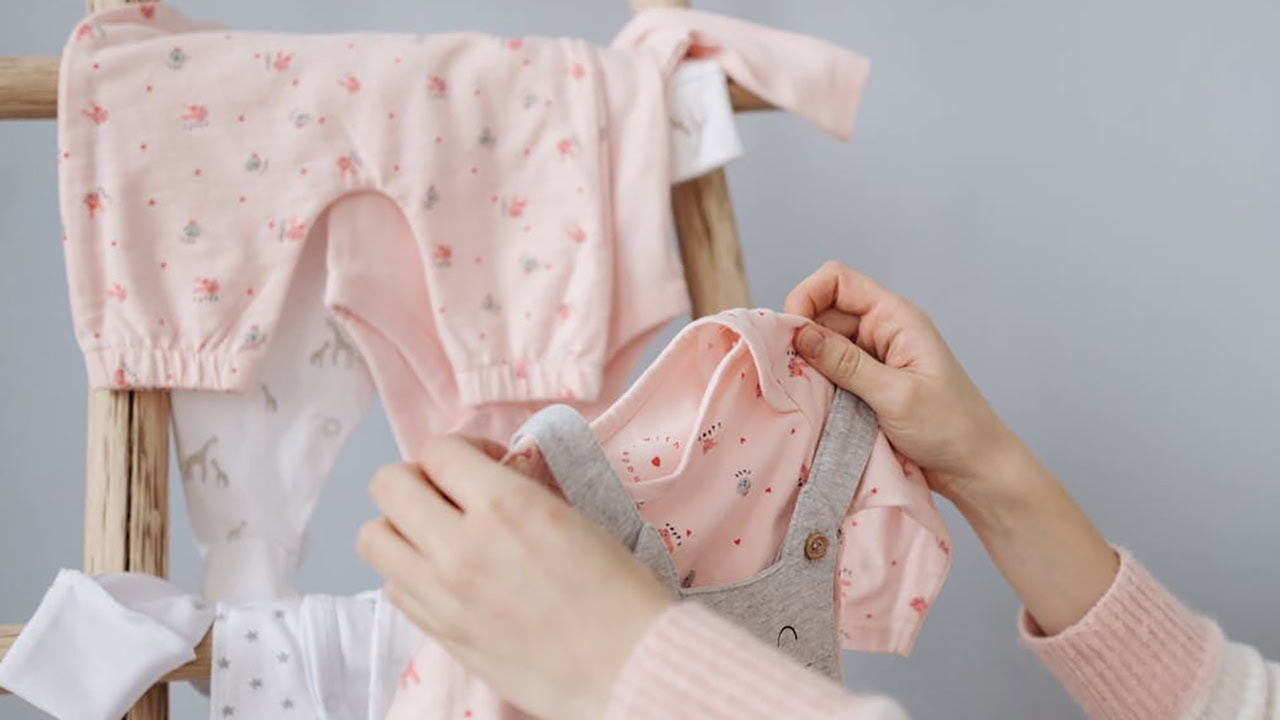
If you've ever shopped for kids' clothes, you know how fast they outgrow things. The same goes for toys, strollers, and cribs. Buying those items used is one of the easiest ways to save big while still keeping quality high.
Just make sure anything safety-related-like car seats-hasn't been recalled or expired. For everything else, clean it, sanitize it, and move on. You'll spend a fraction of what you would new, and your kids won't know the difference.
Exercise equipment
Home gym gear is one of the most commonly resold categories because people buy it with good intentions and stop using it within months. You can find like-new treadmills, weights, and benches at half the price.
Check local listings or community pages, and always test before paying. Most of it's barely used and built to last. Once you see how much money people lose reselling this stuff, you'll start feeling smart instead of frugal for buying secondhand.
Clothing and accessories
Fast fashion has made it easy to think new equals better, but secondhand clothing often holds up longer. Consignment stores, Poshmark, and local resale shops offer brand names at a fraction of the price.
You can also find high-quality coats, boots, and handbags that have barely been worn. Once you break the "new only" mindset, you'll realize how much more you can get for the same money-and it'll still look every bit as good.
Home improvement materials
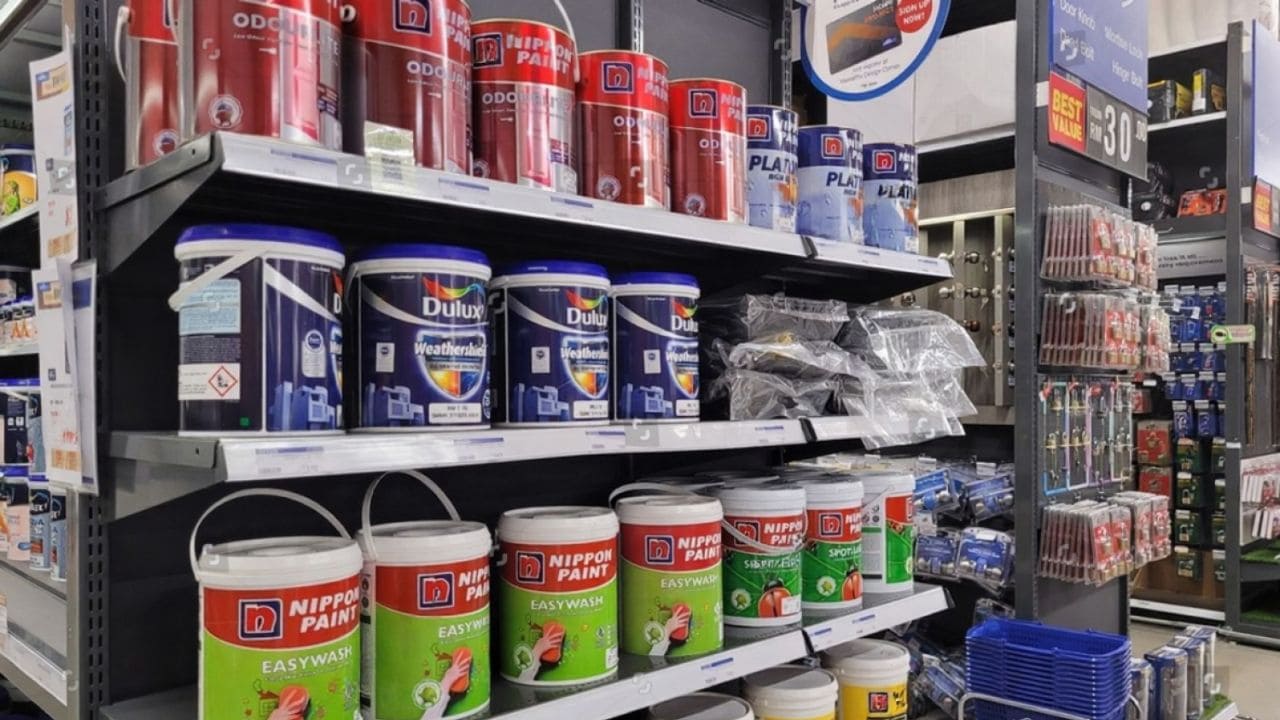
Between hardware stores and online marketplaces, you can find leftover paint, lumber, tiles, and fixtures from other people's projects for a steal. Many contractors or DIYers sell extras just to clear space.
Buying used materials doesn't mean sacrificing quality-it means paying smarter. You can complete projects for half the cost if you stay open to secondhand supplies.
Think value, not packaging
The habit of buying new comes from convenience, not logic. Once you stop equating "new" with "better," your budget stretches further without changing your lifestyle.
You'll start to see that most things don't need to be brand new to be useful, beautiful, or reliable. They just need to work for you-and there's nothing second-rate about that.
*This article was developed with AI-powered tools and has been carefully reviewed by our editors.






Leave a Reply