
Cutting cable used to be the go-to move for saving money. You'd cancel that expensive package, grab a streaming device, and feel like you'd beaten the system.
But now, between subscriptions, add-ons, and "exclusive" shows spread across platforms, most people are spending more than they ever did with cable. The problem isn't that you're watching too much-it's that streaming stopped being cheap the moment it became the new normal.
You're subscribed to too many streaming services
When streaming first started, you probably signed up for one or two platforms and felt great about the savings. Then came the exclusives-the shows and movies you couldn't get anywhere else. Before long, you were juggling six subscriptions that each went up a few dollars a year.
Most people only use two or three of those subscriptions regularly. The rest keep auto-renewing while you tell yourself you'll cancel "after the season ends." Go through your list and cut anything you haven't opened in the last month. You can always resubscribe later-most platforms let you restart instantly when there's something you actually want to watch.
You're paying extra for features you don't use
Streaming services have started mimicking cable with their tiered pricing. You can pay more for "ad-free" viewing, 4K quality, or multiple screens at once-but if you're not using all of those features, you're throwing away money every month.
Ask yourself if you really need the premium tier or if the standard one works fine. Many people stream on one or two screens and barely notice the difference in quality. Dropping to a cheaper plan can save $5-$10 per service without losing access to anything you care about.
You're renting or buying shows you already pay for
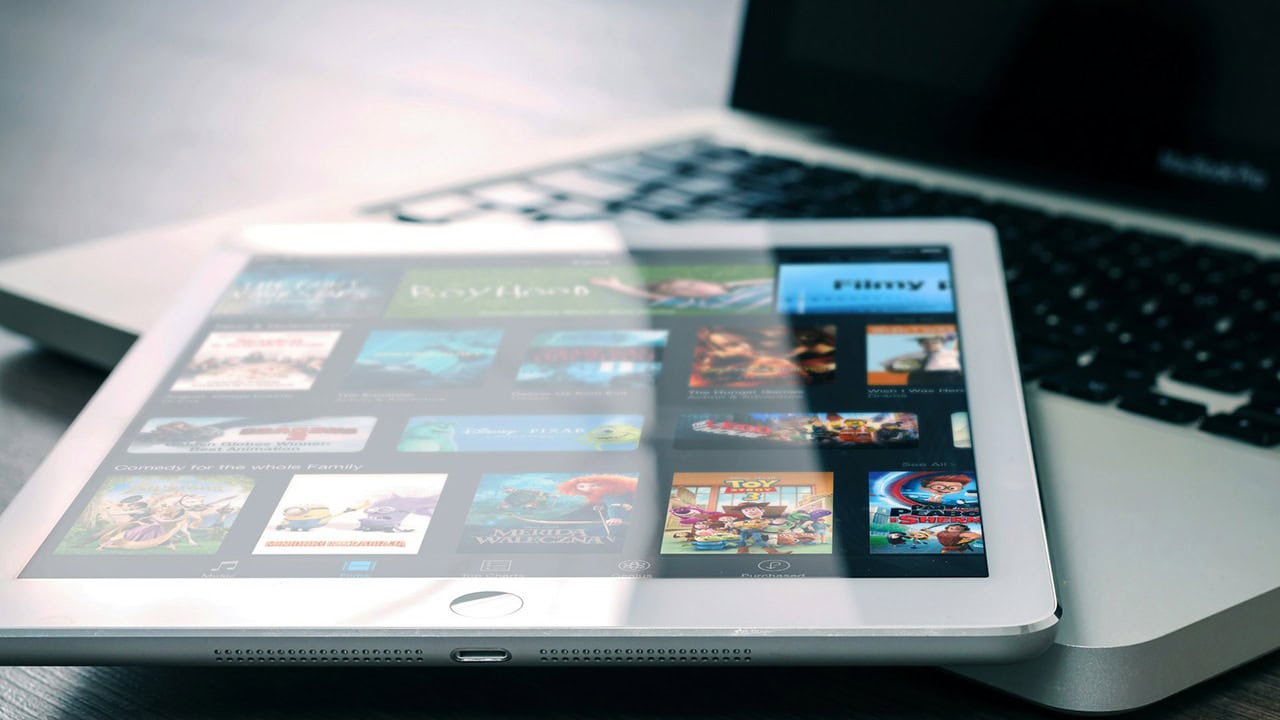
It happens more than people think-you see a movie pop up in your feed, hit "rent," and only later realize it's already available on one of your subscriptions. Streaming platforms count on that confusion. They mix free and paid content in the same interface, knowing you'll pay to avoid the hassle of checking elsewhere.
Before renting or buying, use a site or app like JustWatch to search where a show or movie is already streaming. It takes ten seconds and could save you from paying twice for the same thing.
You forgot to factor in the internet bill
Streaming only works if you have solid internet, and internet prices have quietly climbed alongside the streaming boom. Many people upgraded their speed or data limits to handle multiple TVs, tablets, and phones running at once-and that extra cost cancels out the savings they thought they were getting from dropping cable.
Check your internet plan and see what you actually need. If you're not gaming or streaming 4K on several screens, you can probably downgrade your speed and still watch comfortably. You might save $20 or more a month without noticing a difference.
You're paying for live TV again
When you switched from cable, you probably didn't plan to go back to paying for live TV. But then came the streaming versions-YouTube TV, Hulu + Live, Sling, and others promising the same experience without the cable box. The catch? They cost almost the same as cable once you add up the base plans, fees, and taxes.
If you only watch a few live channels, you can save by using free apps like Pluto TV, Tubi, or local station apps that stream news and sports. Most of them are supported by ads, but they cost nothing and cover the basics most people actually care about.
You're letting "bundles" fool you into overspending
Bundles sound like a deal-get three services for the price of two! But if you only use one of them regularly, it's not a discount, it's wasted money. Companies know bundling makes people feel like they're getting more value, even when half the bundle never gets opened.
Take a closer look at what you're actually watching. If the "bundle" is costing you $25 a month but you only use one app from it, cancel and pay $10 for that single service instead.
You're ignoring free options
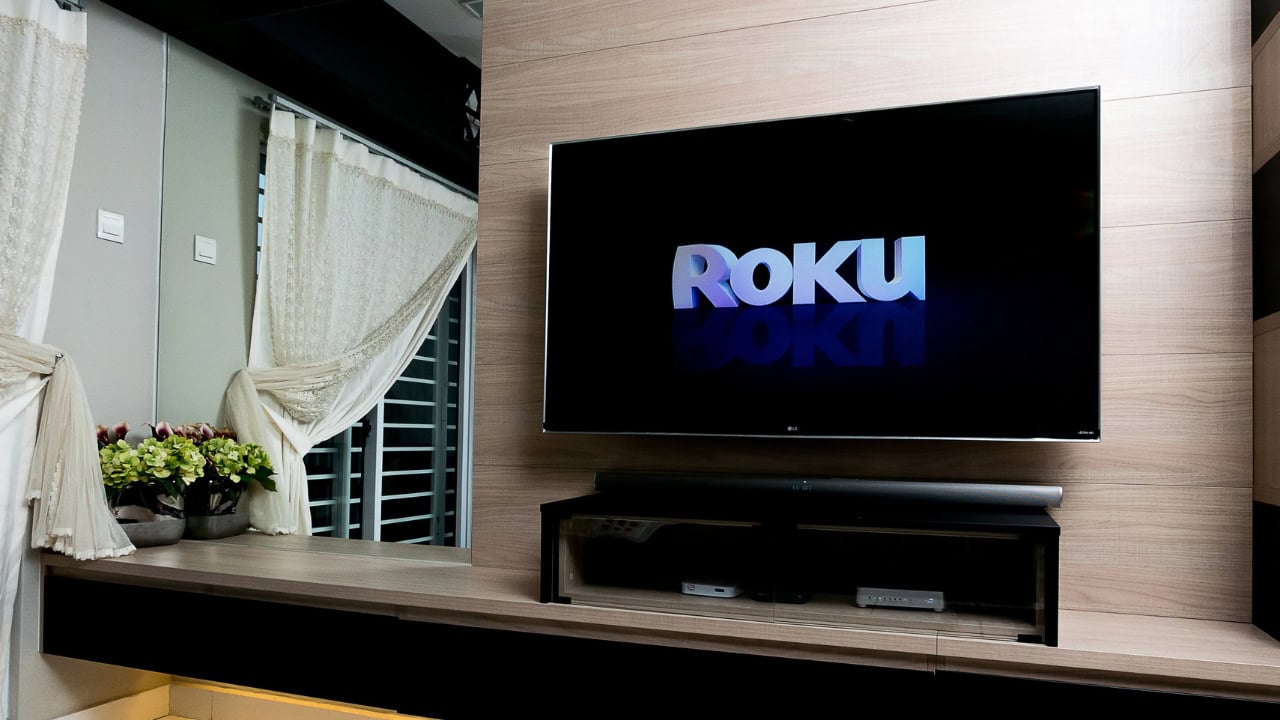
Free streaming has quietly gotten a lot better. Platforms like Freevee, The Roku Channel, and Peacock's free tier all offer movies, shows, and even live channels without any subscription cost. You'll have to sit through ads, but if you're used to traditional TV, it's hardly a dealbreaker.
Rotating between paid and free platforms is one of the easiest ways to save. Watch what you want on one subscription, cancel it, and switch to a free option until something new comes out. You'll keep your viewing fresh and your spending low.
You're forgetting that "cutting costs" takes maintenance
Streaming was never meant to be a set-it-and-forget-it system. Prices change constantly, new platforms pop up, and old ones lose content. If you're not reviewing your subscriptions every few months, you'll end up paying for convenience you don't even notice anymore.
Set a reminder to check your streaming expenses every quarter. It takes less than five minutes and can easily free up $20-$50 a month. That's hundreds a year for doing nothing more than staying aware.
Cutting cable was supposed to simplify things. But now that every company wants a monthly cut, saving money on TV takes the same effort as keeping up with bills or groceries. The good news is, once you start treating streaming like any other expense-one that needs checking in on-you can finally get back to actually saving money instead of trading one bill for another.
*This article was developed with AI-powered tools and has been carefully reviewed by our editors.






Leave a Reply