
A good deal isn't always what it seems. Some of the "budget buys" you grab to save money end up costing more in repairs, replacements, and wasted time.
The truth is, cheap doesn't always mean affordable-it often just delays the bill. Here's how those bargain purchases quietly eat into your wallet over time.
They break faster than you expect
When you go for the lowest price, you often sacrifice quality. Cheap tools, appliances, or furniture might look fine at first, but the materials can't handle regular use. Before long, you're replacing them-or paying someone to fix them. That $30 deal can turn into $90 fast.
You spend more time fixing or maintaining them
Budget items often require more upkeep. Whether it's tightening screws, patching leaks, or troubleshooting constant issues, that "cheap" option ends up draining your time. And if you value your time at all, you're not saving much by babysitting something that should've just worked.
They use more energy or resources
Cheaper appliances and electronics usually aren't energy-efficient. That older fridge or low-cost space heater can run up your power bill every single month. A slightly higher upfront cost for an Energy Star model can save hundreds over a year or two.
They cause damage that costs more to repair
A poorly made product can damage other things around it. Think about paint that peels, tools that strip screws, or hoses that burst and flood a shed. When that happens, you're not just out the cost of the item-you're paying for the mess it left behind.
You end up replacing them more often

A cheaper version might last months instead of years. Over time, you'll rebuy that same thing again and again. Spending more upfront for quality usually means you buy it once, use it for years, and don't think about it again-a much better deal in the long run.
They look worn out sooner
Budget materials tend to show wear fast-faded finishes, peeling plastic, rust, or dents that appear overnight. Even if something technically works, it starts to look tired and lowers the overall feel of your space. Sometimes the real value comes from how long something stays nice.
They're uncomfortable to use
That budget chair that hurts your back or the cheap shoes that give you blisters aren't saving you anything. Discomfort has a cost. When you end up replacing an item early because you can't stand using it, you've paid twice-once in cash and again in frustration.
You pay extra for missing parts or accessories
Many low-priced items skip important features, forcing you to buy add-ons later. Whether it's batteries, cords, filters, or cases, those "extras" add up quickly. Before you know it, the total cost matches-or exceeds-the mid-range option you skipped.
They create waste and clutter
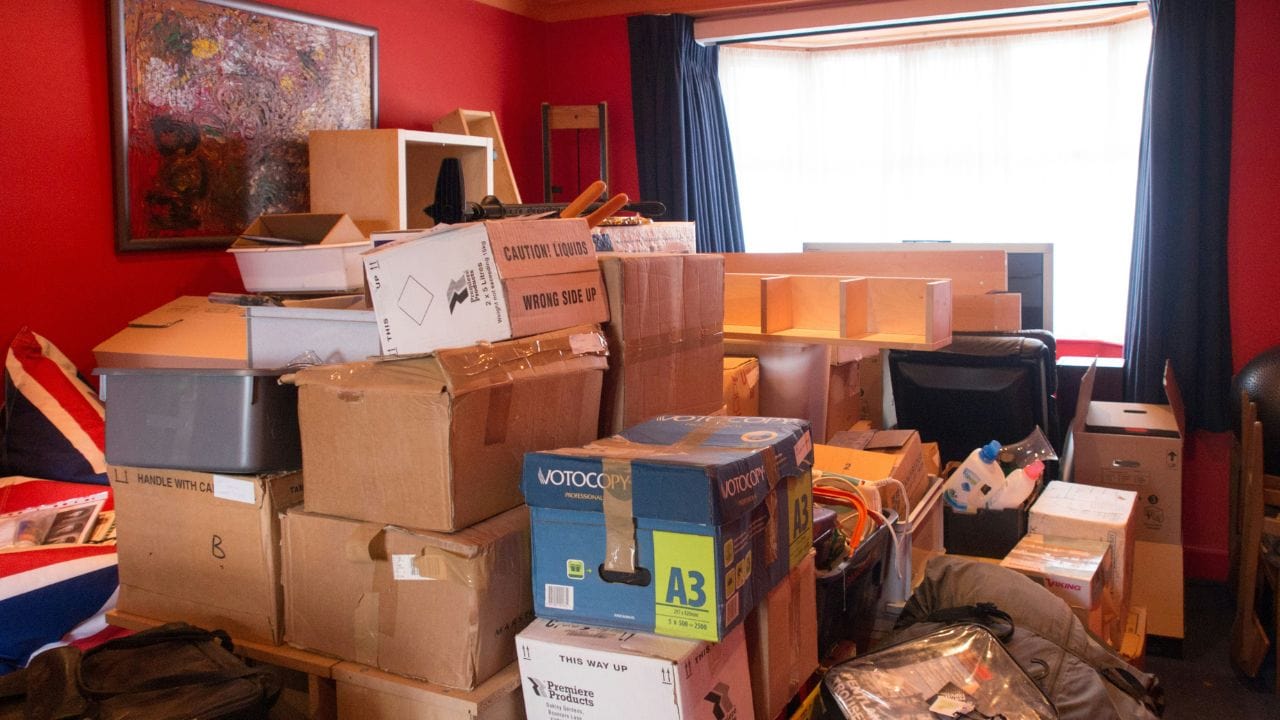
Constantly replacing cheap items leads to a pile of throwaways that eat up space and feel like a waste. Buying higher-quality versions means less junk to store, less trash to deal with, and less mental clutter from stuff that doesn't hold up.
You mistake "cheap" for "smart" spending
The best savings come from durability and function, not price tags. Smart spending means buying once and buying well. When you focus only on what's cheapest, you end up paying in hidden ways-through time, stress, and constant replacements. A true budget buy earns its keep long after the receipt fades.
*This article was developed with AI-powered tools and has been carefully reviewed by our editors.






Leave a Reply