
Buying secondhand has become a go-to move for anyone trying to save money or live more sustainably. Thrift stores, Facebook Marketplace, and resale apps can be goldmines-but they're not always the budget win they appear to be.
Sometimes, secondhand prices quietly creep so high that the "deal" disappears once you factor in condition, quality, or time spent making something usable again. Saving money this way can work, but only when you know where the real value lies.
The secondhand market has changed
Thrifting used to mean sorting through racks of low prices and finding hidden treasures. But now that secondhand shopping has gone mainstream, stores and sellers know what people are willing to pay. Thrift stores are pricing name brands higher, and online resellers mark things up even more for convenience.
When a used shirt costs $15 and a new one on clearance is $10, it's not really a deal anymore. You have to look beyond the word "used" and focus on actual value. The market has shifted, and smart shoppers are adjusting with it.
Condition matters more than the price tag
Something might be cheaper upfront, but if it's worn out, damaged, or halfway to breaking, you'll end up spending more to fix or replace it. Furniture with structural damage, small appliances missing parts, or clothing with thinning seams all fall into this trap.
If you have to buy replacement parts, special cleaners, or paint to make it usable, that "cheap" find can quickly cost more than buying new. Always check quality first-run zippers, test outlets, open drawers, and inspect fabric seams before handing over cash.
Shipping and driving costs add up
Online secondhand shopping sounds convenient until you factor in shipping fees or the gas it takes to pick something up across town. It's easy to forget how much those small extras add up when you're chasing a deal.
Before committing to a purchase, add up every cost involved-shipping, platform fees, or even your time if you're spending an afternoon driving to meet a seller. Sometimes a local store sale beats the secondhand option once you factor in everything.
Some things just don't hold up
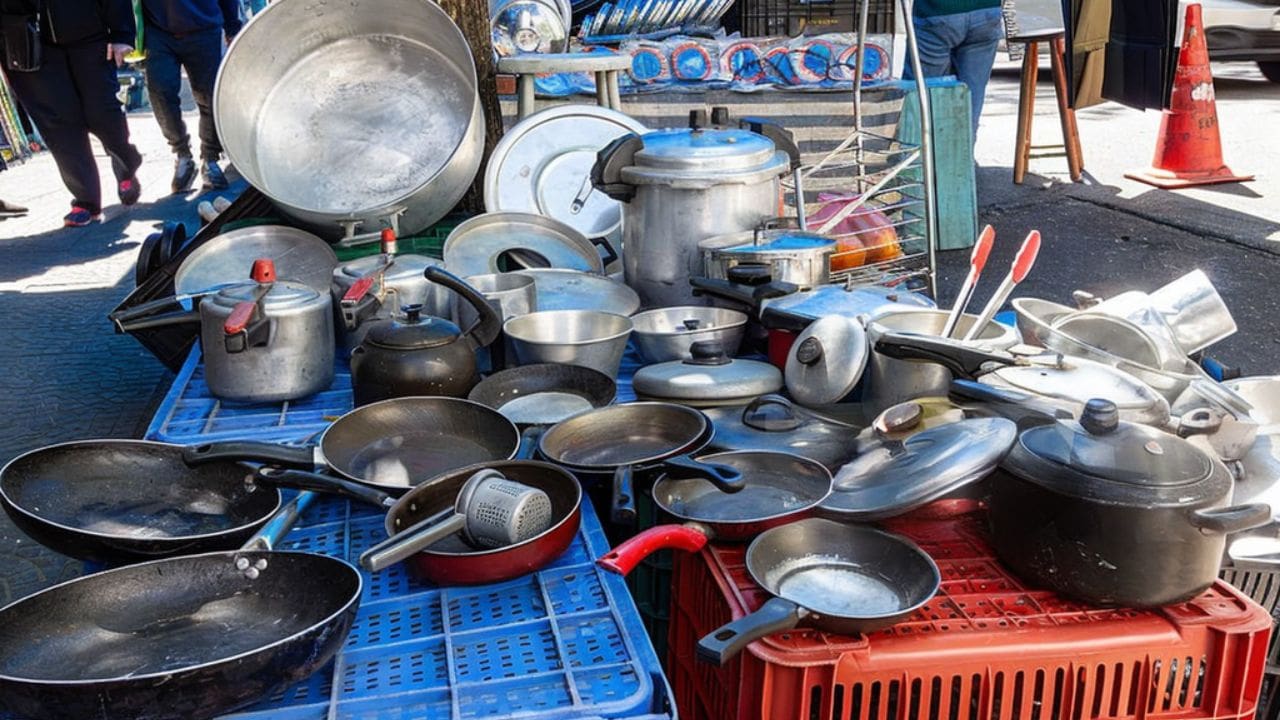
Not everything is worth buying used. Certain items-like mattresses, nonstick pans, child car seats, or small electronics-lose safety, effectiveness, or lifespan over time. Even if they're technically cheaper, they may not perform the way they should.
Used items also don't always come with warranties or guarantees. If something breaks a month later, you're on your own. It's smarter to spend a little more upfront for things that need to work reliably.
Refurbishing takes more than people think
DIY projects can make secondhand finds look amazing, but they're not always the budget win they appear to be. Paint, sandpaper, new hardware, and tools all cost money. Add in your time, and that free dresser you planned to flip might cost more than a ready-to-go one from the store.
It's worth doing if you enjoy it or already have the supplies-but don't convince yourself it's always the cheaper route. Time, materials, and effort are part of the cost, even if you're not spending cash on the item itself.
Emotional spending happens here too
People tend to think secondhand shopping is immune to impulse buys, but it's not. The "thrill of the find" can make you buy things you don't need simply because they seem like a deal. The low prices make it easy to rationalize, but every unnecessary purchase-no matter how cheap-adds up.
Before buying something used, ask yourself if you'd still want it at full price. If the answer's no, it probably doesn't belong in your cart.
Cheap doesn't always mean smart
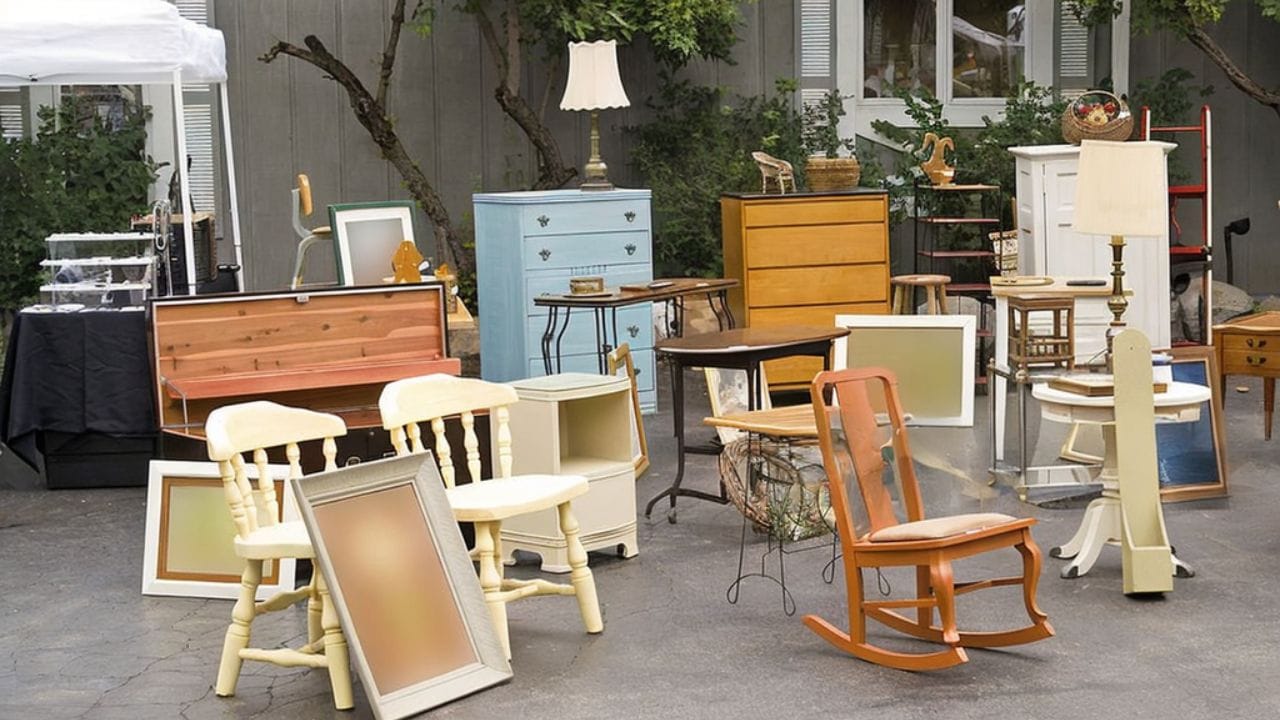
Buying secondhand can absolutely save you money-but only if you're intentional about it. When the condition is solid, the price is fair, and it saves you from paying full price for something you need, it's worth it. But when you're replacing or repairing faster than expected, or overspending on "deals," it defeats the purpose.
The goal isn't to avoid secondhand-it's to shop it wisely. Knowing when it's actually a bargain (and when it's not) keeps your budget from slipping in the name of saving.
*This article was developed with AI-powered tools and has been carefully reviewed by our editors.






Leave a Reply