
December feels spendy because of parties and extras. January stings for quieter reasons. Regular food looks pricier, you're back to cooking every night, and there's no "holiday budget" to hide in. The fix isn't a cleanse or a complicated plan. It's a handful of resets that put your cart back under your control.
The "reset pantry" problem
December scatters open bags, half-used sauces, and good intentions across your shelves. In January, you think you need everything because nothing is grouped. Take ten minutes and create one "eat first" shelf for anything opened and one bin for partial pasta, rice, and grains. Your next three meals will appear just by seeing what's already there.
This is also when a tiny trash bag beside the pantry helps-toss stale stuff without ceremony and move on. A clean view saves you from buying duplicates.
Routine beats resolution
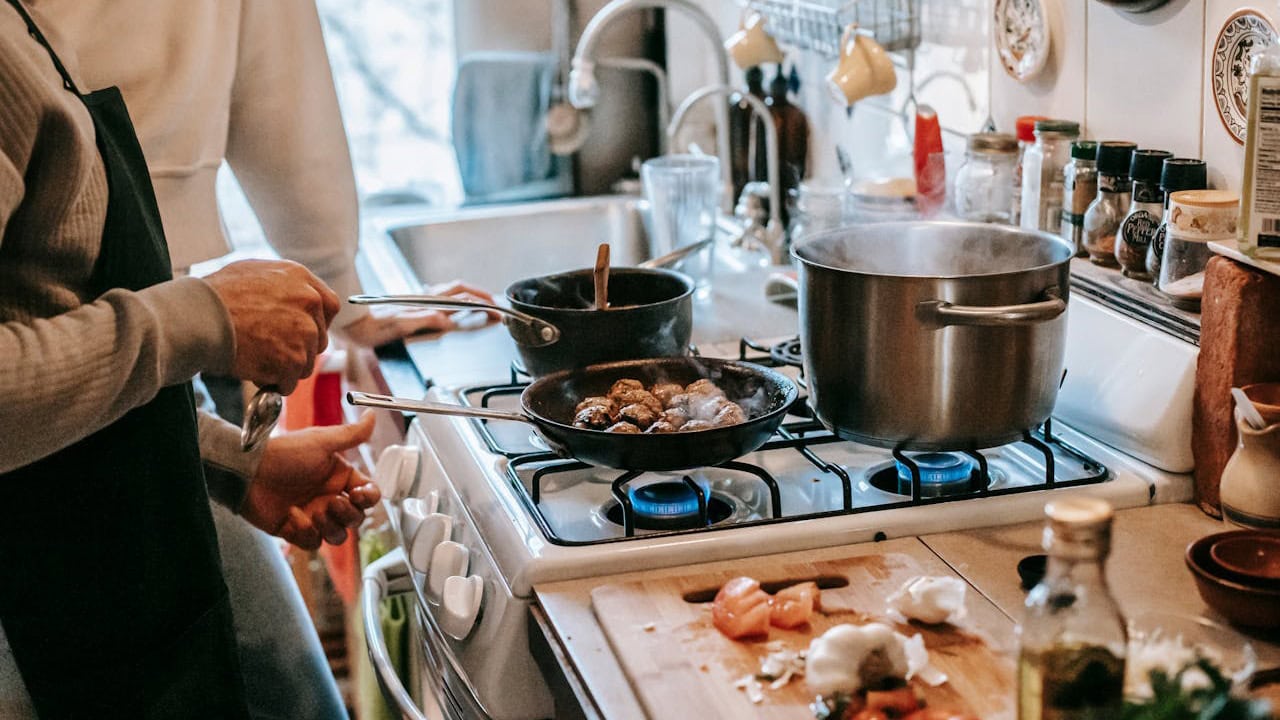
Cooking every night is a big ask after a month of events. Pick a base rhythm: one big pot, one sheet pan, one fast skillet-repeat. Breakfast and lunch get two options each. The goal is fewer decisions, not a perfect menu. Decisions are what drive you to impulse shop and order out.
If you're going to try a new recipe, pair it with a known side so dinner still lands if the new thing is mid.
Unit price is the January superpower
Holiday packages shrink and "healthy" branding pops up. It's easy to pay more without realizing it. Read unit prices and build a short floor-price list for your top ten staples. When a price beats your floor, buy enough for a month. When it doesn't, pass. You'll start to see patterns again after two trips.
House brands help, but only if the ounces hold steady and your people will eat them. Test with one, not a case.
The snack and drinks trap
December trains us to keep fun snacks and special drinks on hand. January doesn't need that. Keep one treat in the cart and let the rest be part of a planned night, not a standing invitation to graze. Drinks are where totals quietly blow up-cut single-serves and make a house pitcher (tea, lemonade, or a simple fruit-in-water) that people actually drink.
Frozen and canned are not a step down
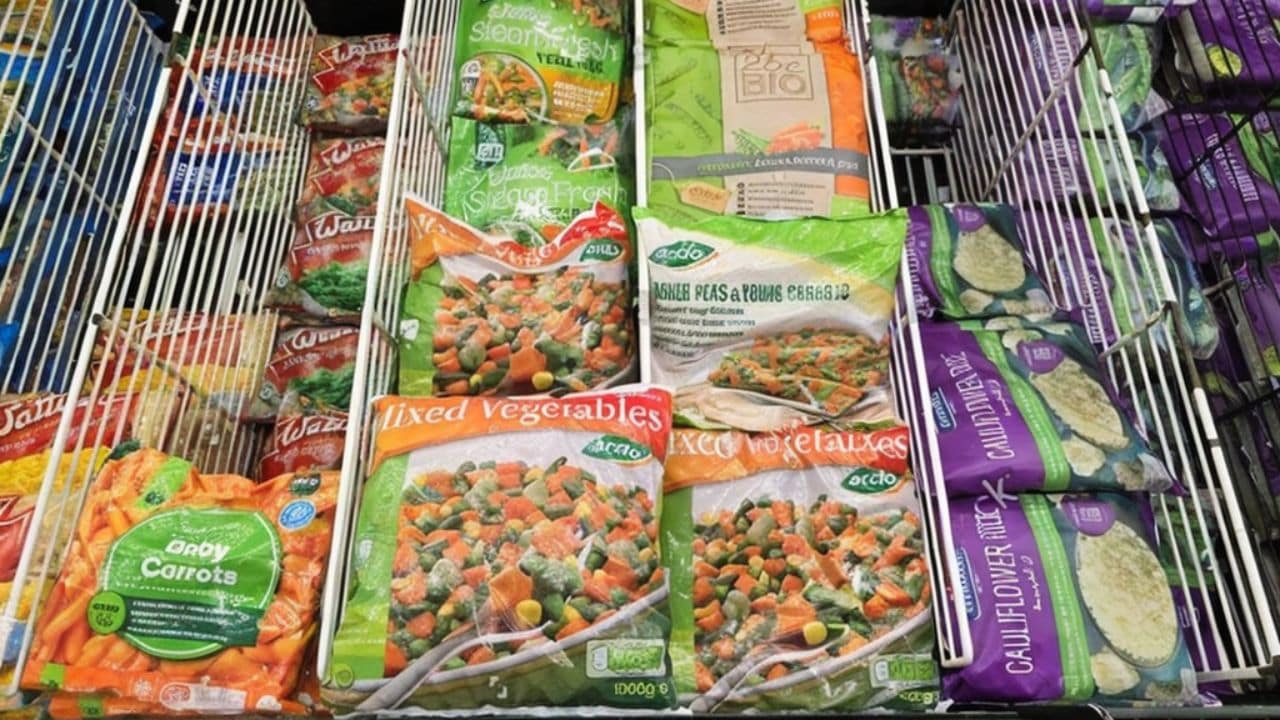
Produce quality wobbles in January. Frozen vegetables are often cheaper per serving and taste better than limp, out-of-season greens. Canned tomatoes, beans, and broth keep soups and stews inexpensive and satisfying. When you stop fighting the season, dinner gets cheaper and easier at the same time.
If you miss fresh, lean on sturdy picks-cabbage, carrots, onions, apples-and buy modestly so you actually finish them.
Shop the holes, not the hopes
Before you go, write three dinners that use your "eat first" items, then make the shortest list to fill gaps. If an ingredient requires a $7 bottle you'll use once, switch recipes. The store is there to complete a plan, not create one for you.
January's bill hurts when we let December's habits keep running. A quick reset, a calmer menu, and a little unit-price honesty take the sting out fast-and make the rest of winter feel doable again.
*This article was developed with AI-powered tools and has been carefully reviewed by our editors.






Leave a Reply