
Cash stuffing had its moment - the envelope method that promised control, discipline, and real awareness of where your money went. For a while, it worked wonders. But as life shifted toward online payments, automatic bills, and digital wallets, that method started showing cracks.
These days, most people find it hard to balance real cash with the way the world actually operates. It's not that cash stuffing failed - it's that the world outgrew it, and most people's habits did too.
Digital Payments Took Over
The biggest reason cash stuffing doesn't stick anymore is that so many expenses live online now. Your phone bill, streaming subscriptions, and online grocery orders can't be paid with paper cash.
That means a big chunk of your budget skips the envelope system entirely. Mixing physical cash for some categories with digital money for others quickly becomes confusing - and that's where the structure falls apart.
The System Takes Too Much Time
Cash stuffing requires weekly withdrawals, sorting, labeling envelopes, and tracking every dollar by hand. It's satisfying at first, but most people burn out after a few months.
When life gets busy, it's easy to skip a week or forget to move money around, and then the whole rhythm collapses. The truth is, if something takes too much effort to maintain, it's not sustainable - especially for working families.
Inflation Made the Numbers Tight

When groceries, gas, and utilities all cost more than they did a few years ago, your envelopes start running dry faster than expected. You can't "stuff" your way out of rising costs.
People end up pulling money from other categories or tapping debit cards to cover the difference, which defeats the purpose. Without adjusting for inflation regularly, cash stuffing turns into a guessing game.
It Doesn't Work Well for Shared Expenses
Cash systems get messy when multiple people manage household finances. If one person pays the bills online and another carries cash envelopes, it's hard to stay aligned.
Money gets double-spent or missed entirely. For couples or families, digital budgeting tools are easier to share and track - no more trying to remember who took what from the "groceries" envelope.
Cash Isn't Always Safe or Practical
Keeping hundreds in envelopes around the house used to feel secure. Now, it's more risk than reward. Cash can be lost, stolen, or even forgotten in a drawer for months.
And when you're on the go, carrying multiple envelopes isn't exactly convenient. Most stores expect cards or mobile payments, and finding a bank or ATM for withdrawals adds another layer of hassle.
The Real Problem Was Never the Cash
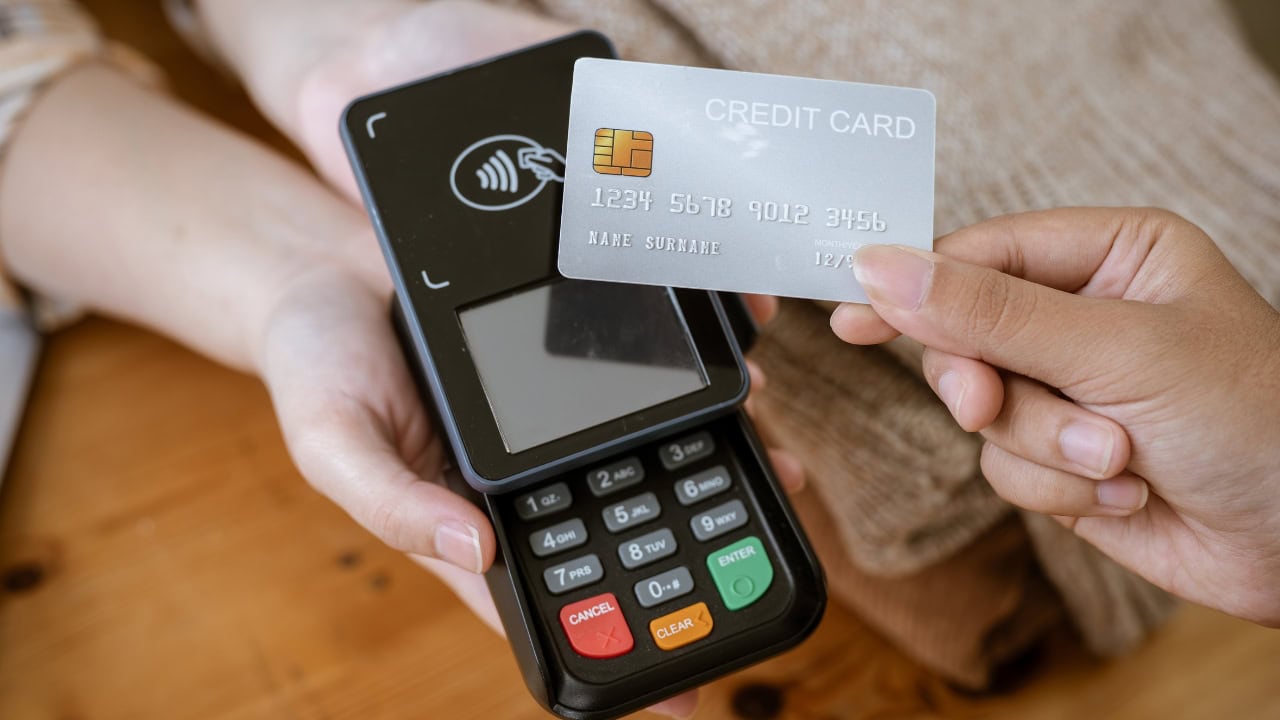
Cash stuffing gave people structure, but it didn't fix the underlying issue - a lack of clarity about spending. Once the novelty wore off, many went back to swiping cards without a plan.
Budgeting only works when it's consistent. Whether that's done with cash, an app, or spreadsheets doesn't matter as much as the habit of checking in weekly and adjusting when things change.
Apps Do the Same Thing - Better
Digital budgeting tools now do what cash stuffing tried to achieve, but with automation. You can set spending limits, track categories, and get alerts when you're close to overspending.
Unlike physical cash, these tools adapt to online payments and sync with your bank accounts. You still get the awareness benefit - just without the pile of envelopes.
Cash Still Has Its Place - But Not as the Whole System
For some people, cash still helps with impulse control. Handing over physical money feels more real than tapping a card. But using it for every category no longer fits modern spending habits.
A hybrid approach - like keeping cash for flexible categories such as dining out or fun money - works better for most people. You get the mindfulness of cash without fighting against how the world works now.
*This article was developed with AI-powered tools and has been carefully reviewed by our editors.






Leave a Reply