
Buy now, pay later looks harmless. Four easy payments, zero interest if you behave, no credit card statement to stare at. It's marketed like training wheels. Here's why it often turns into a wobble that costs more than swiping a card.
The timeline doesn't match your cash flow
BNPL drafts hit every two weeks on the provider's clock, not yours. Stack a couple of those plans and you've got three separate withdrawals landing between paychecks. Even if the math is small, the timing can bounce your budget. Overdraft fees turn "zero interest" into very real interest.
You buy more because the total is hidden
A $120 jacket becomes "only $30 today." Mentally, you bought a $30 jacket. That lowers your guard and you add a sweater "since it's just $7.50 this week." The cart grows because the pain is sliced thin. Add shipping, tax, and you're at the same $120-plus something you didn't need-without feeling it until the third draft hits.
Returns aren't simple

If you return one item from a BNPL order, your schedule doesn't stop. Some providers keep drafting while the return processes, then credit you later. If you're tight on cash, that lag matters. You're floating the loan for the store and the service.
One late fee cancels the "savings"
Miss a payment and fees appear, even if there's no interest. Some services report to credit bureaus; others don't. Either way, a late fee wipes out the "win," and now you're babysitting a payment plan for a shirt.
It piles up quietly across apps
Because it isn't one card, it doesn't look like debt in your head. You've got four different apps, each with two active plans. The totals are small and invisible until your checking account tells you the truth.
It encourages buying wants on a needs tool
Financing should live with appliances, tires, a phone you run your work from-things that earn their keep. BNPL makes it easy to finance wants that should have stayed on a list for a month and maybe never made it home. When you do finance, the boring rule works: if you can't name a concrete weekly use for every $100 of cost, it's a no for now.
Safer ways to get the same feeling
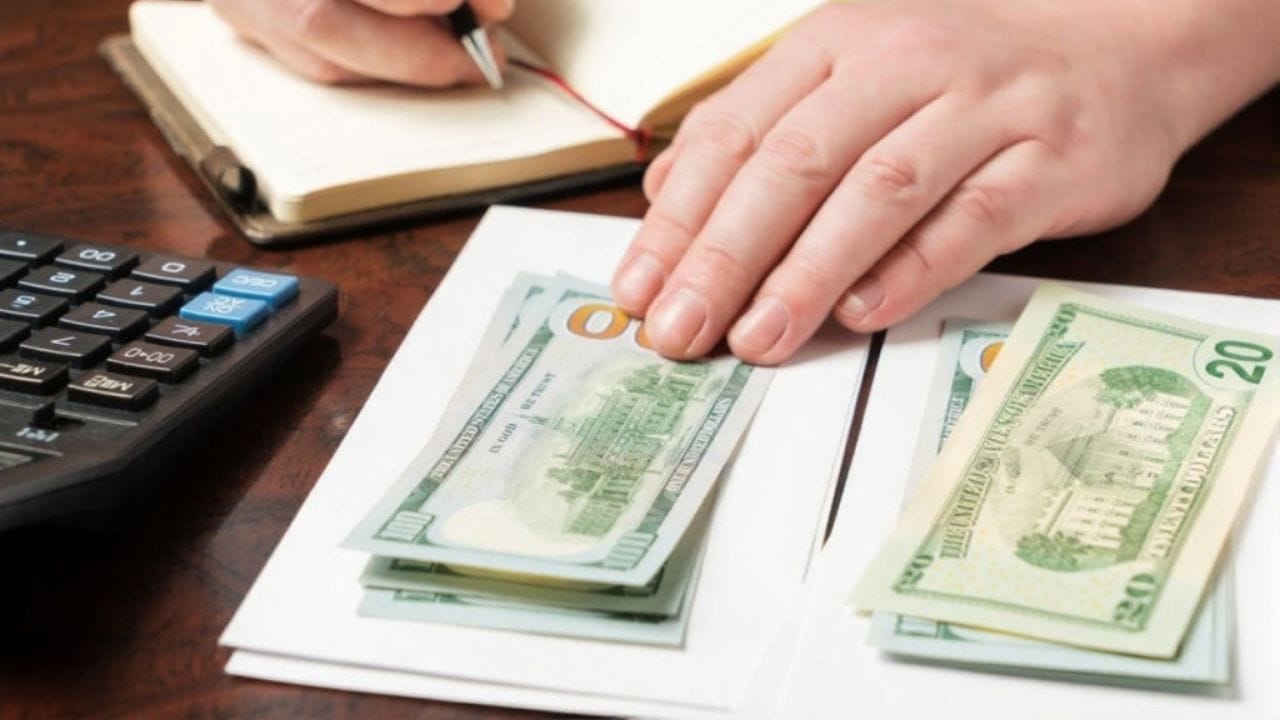
If spreading a cost keeps you sane, create your own plan. Move a small amount each week into a "big buys" account until you reach the price. Or use a 0% credit card you already manage well and set four calendar reminders with the exact payoff dates. One tool, one schedule, less chaos.
BNPL isn't evil-it's just too easy. If you use it, limit yourself to one active plan at a time, set phone reminders for every draft, and keep the total under an amount you could pay off today if you had to. If that sounds like a lot of housekeeping for a sweater, there's your answer.
*This article was developed with AI-powered tools and has been carefully reviewed by our editors.






Leave a Reply