
I get why the price tag wins. You're staring at a sofa that looks fine in photos, promises fast shipping, and costs half of what the nicer one does. You click because the living room needs something now.
I've been there. But "cheap" furniture comes with costs that don't show up until it lands in your house-costs in money, time, and how you live day to day.
Materials decide how long it lasts
The fastest way to spot fake savings is to flip the piece or read the specs. Solid wood and real plywood with many plies hold screws and don't crumble. Particleboard with a thin veneer looks smooth on day one and chips if you breathe on it wrong. Sofas tell the truth in the frame: hardwood + corner blocks = years; stapled softwood + mystery board = wobbly by summer.
If it's upholstered, ask what's under the fabric. Eight-way hand-tied is great but rare at budget levels. Sinuous springs are fine when they're dense and clipped well. Webbing-only seats feel okay for a minute, then sag and never bounce back. The store won't say this out loud, so look for weight. Sturdy pieces weigh more.
The finish and fabric are where corners get cut
Paint and lacquer quality decide whether you're babying a table or wiping it once and moving on. A thin finish shows rings, chips at the edges, and forces you into coasters-and-trays land. Fabrics matter even more if you have kids or pets. Performance polyesters with a decent rub count clean up. Loose, nubby weaves pill fast and snag on buttons or dog nails.
If a retailer won't share fabric content or rub count, assume it's low. You're better off with a neutral, tight weave you can steam clean than a trendy texture you'll be lint-rolling daily.
Hardware and joinery are the silent budget killers
Drawers that ride on wooden runners will stick in humid seasons. Cheap metal glides bend and make that grinding sound that will drive you up the wall. Look for ball-bearing slides and dovetail or at least dowel-and-screw joinery. Hinges should be metal and sturdy-no thin, flexy plates. Weak hardware means returns, repairs, or you giving up and living with a cabinet you avoid opening.
Assembly steals weekends
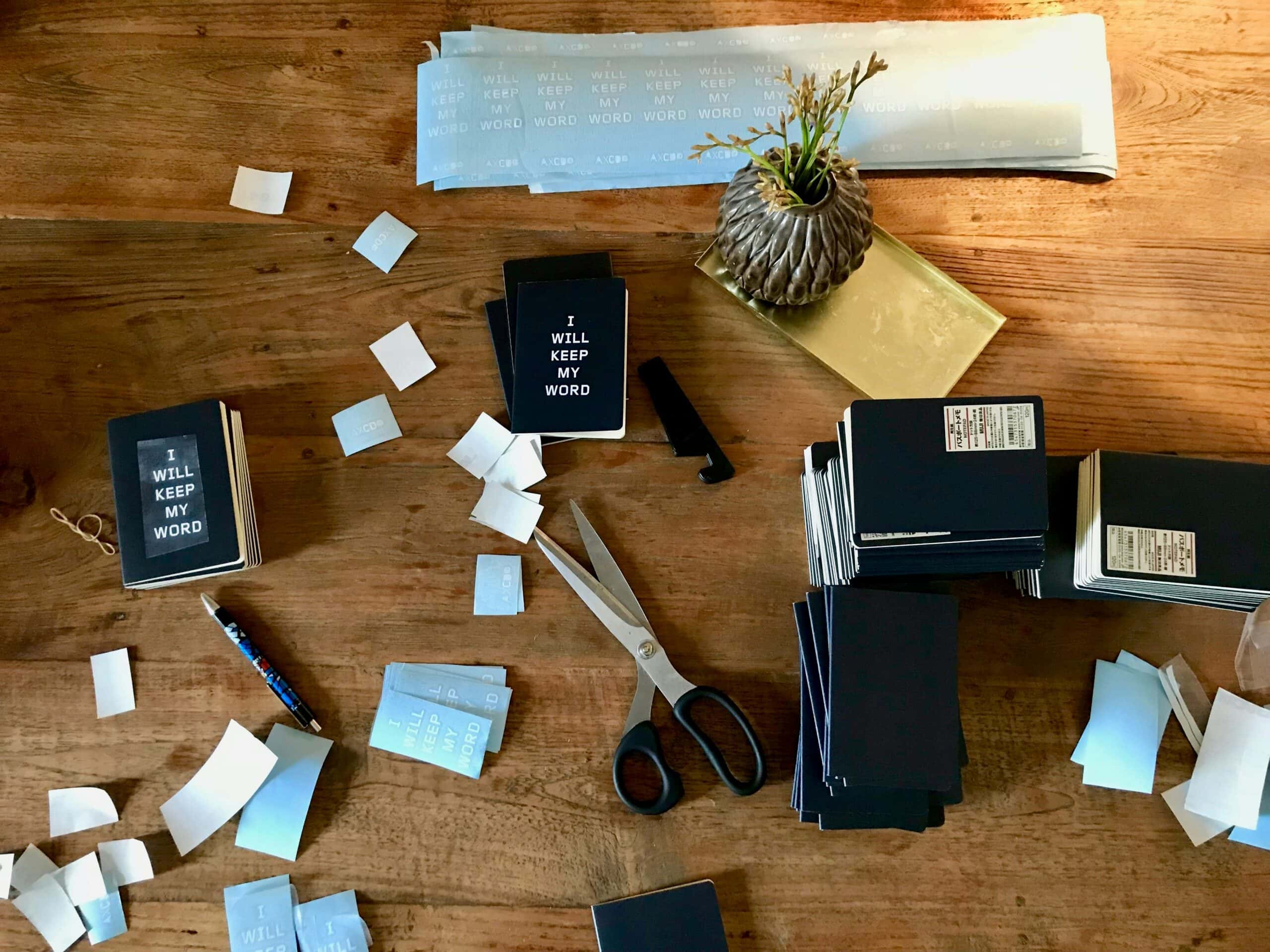
Flat-pack isn't evil. But vague instructions, missing pre-drills, and soft screws turn a "deal" into three hours of frustration and a piece that never sits square. If you're going budget, read reviews for assembly notes specifically. If fifty people mention stripped cam locks or misaligned holes, believe them. Your time has a price, and so does your patience.
Returns cost more than shipping

Large-item returns often involve restocking fees or return freight that wipes out any savings. And you still have to box it back up-good luck with that when the packaging is gone. Before you buy, check the policy like you're the one who has to use it. A 30-day window is meaningless if you can't get it out of your house without a truck and $200.
The "placeholder" trap

Tell me if this feels familiar: you buy a placeholder thinking you'll upgrade later. Later never shows because you already spent money once. Meanwhile, the cheap piece sheds, sags, or doesn't fit the way you live, and every day you're a little more annoyed. I'd rather see you wait a month, hunt Facebook Marketplace for a solid-frame secondhand option, and spend your money once.
Where budget actually works

Entry tables that don't carry weight, simple bookcases anchored to the wall, kids' play tables that will get drawn on anyway-these can be budget buys if you're honest about lifespan. Spend on pieces you sit or sleep on, and anything with moving parts. Buy the coffee table you'll touch every day, the dresser drawers your kids slam, and the bed that carries you for eight hours. Let the trend piece-lamp, pillow covers, a small side table-be the cheap thrill.
How to make a smart cheap buy

Check materials, weight, and hardware. Read the worst reviews and look for patterns. Measure twice with blue tape on the floor so you know it fits. Choose a neutral finish you won't get tired of. And if you're on the fence, buy used from a better brand and refinish or re-cover. I've rescued more "good bones" pieces than I can count, and they outlast anything I've ever ordered in a rush.
"Cheap" furniture often asks you to pay later-in frustration, replacements, and the way a room never quite functions right. Spend where your body lives, save where your eyes skim, and you'll end up with a home that feels good to use, not just to photograph.
*This article was developed with AI-powered tools and has been carefully reviewed by our editors.






Leave a Reply