
Some "smart" money moves don't hold up when you check the math in real life. You feel thrifty because you chased a sign or a tip, but the net result is waste, lower quality, or time that costs more than you saved. The fix isn't to stop looking for deals. It's to stop the fake ones that keep you stuck.
Here are the common traps and what to do instead.
Buying cheap versions of tools you use daily
The $7 can opener, $10 peeler, and $15 earbuds break or annoy you into buying again. If you use it every day, buy the durable version once. You'll stop replacing, stop swearing, and actually enjoy the product. Make a short "upgrade once" list and work through it over three months.
Use warranties as a proxy for quality. A better tool with a real warranty is often the cheapest long-term.
Driving across town for gas or a single sale

Spending 40 minutes and three dollars of fuel to save $4 is not a win. Decide your "radius rule"-savings must beat the round-trip fuel cost and your time at a rate you respect. Stack errands near the cheaper station or store. If you can't, skip it.
Track real savings for two weeks. Seeing the totals kills fake frugality fast.
Stocking up on perishables because the unit price is great
If half the bag goes bad, you paid double for the edible half. Buy produce, bread, dairy, and meat in amounts you'll use within a week, or portion and freeze immediately. Unit price only matters if you consume 100%.
Keep freezer labels handy so portions don't turn into mystery blocks you toss next month.
Chasing coupons and promo codes for things you didn't need
A 40% code on a want, not a need, is 60% more than zero. Set a rule: codes apply only to items on your pre-written list. If the code created the desire, it's a pass. Use one cash-back portal you trust and a single coupon extension to avoid the hunt.
Turn off promo emails from stores you're not buying from this month. Less noise equals fewer fake wins.
Extended warranties and protection plans on low-risk items
Plans on toasters, headphones, and small appliances cost more than the average failure. Self-insure by putting $5-$10 per month into a "replacement" fund. Use it when something actually dies. For big items-phones, laptops-compare plan cost to real-world repair prices before you say yes.
Read the fine print on deductibles. Many plans feel cheap but never pay out.
DIY jobs that require a redo
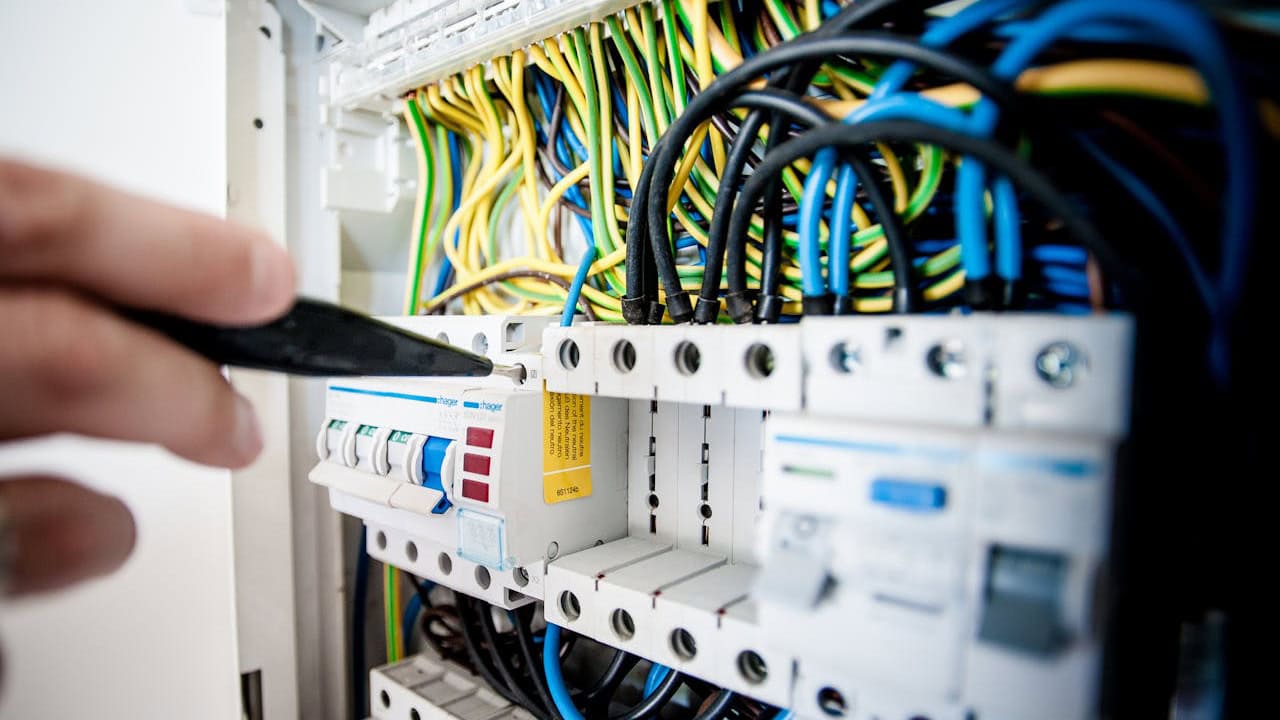
Patching drywall, small caulking, and painting a room are great DIYs. Complex plumbing, electrical, and anything on a ladder can get expensive when you redo or cause damage. Price your time and risk honestly. If the pro's quote is cheaper than buying special tools and taking a day off, hire it.
Ask pros for the "you prep, we finish" price. You'll still save by doing safe prep work.
Warehouse memberships you don't use enough
If you go "just to look" and leave with seasonal décor and snacks, you're not saving. Keep the club if you buy your short list monthly and beat grocery prices by a margin that covers the fee. If not, switch to store brands at your regular store and watch your cart calm down.
Split bulk buys with a neighbor to keep the good unit prices without the waste.
Free trials that become $12.99 a month forever
Trials work because you forget the end date. Set a cancellation alarm the minute you sign up and store card details in a single password note so you can find and cancel fast. If a trial needs a card up front and you're not sure, skip it.
Audit your phone's app-store subscriptions. Many live there quietly, not in your email.
Real savings feel boring because they're consistent: buy quality for daily use, skip long drives for small wins, stock non-perishables, use codes only on your list, self-insure small stuff, hire pros when risk is high, keep only the memberships that pencil out, and cancel trials on time. Your budget will finally reflect all the work you're putting in.
*This article was developed with AI-powered tools and has been carefully reviewed by our editors.






Leave a Reply