
The price of a basic cart can make you want to argue with the register. Older shoppers, especially on fixed incomes, are adjusting faster than most people realize-not with extreme couponing, but with old-school habits that work in 2025. It's practical, it's repeatable, and it takes the sting out of a store run.
They're simplifying the "base menu"
The plan isn't twelve new recipes. It's five dinners that rotate with small twists: a protein + veg + starch formula that flexes with what's on sale. Rotisserie chicken becomes tacos, then soup. Beans show up as chili, then get baked into a quick casserole. This kind of repetition cuts waste and keeps impulse buys out of the cart because you know exactly what you'll do with what you buy.
Breakfast and lunch get the same treatment-two options each that don't require special ingredients. Oatmeal or eggs. Sandwich or leftovers. Boring? Maybe. Effective? Absolutely.
They're shopping like it's seasonal again
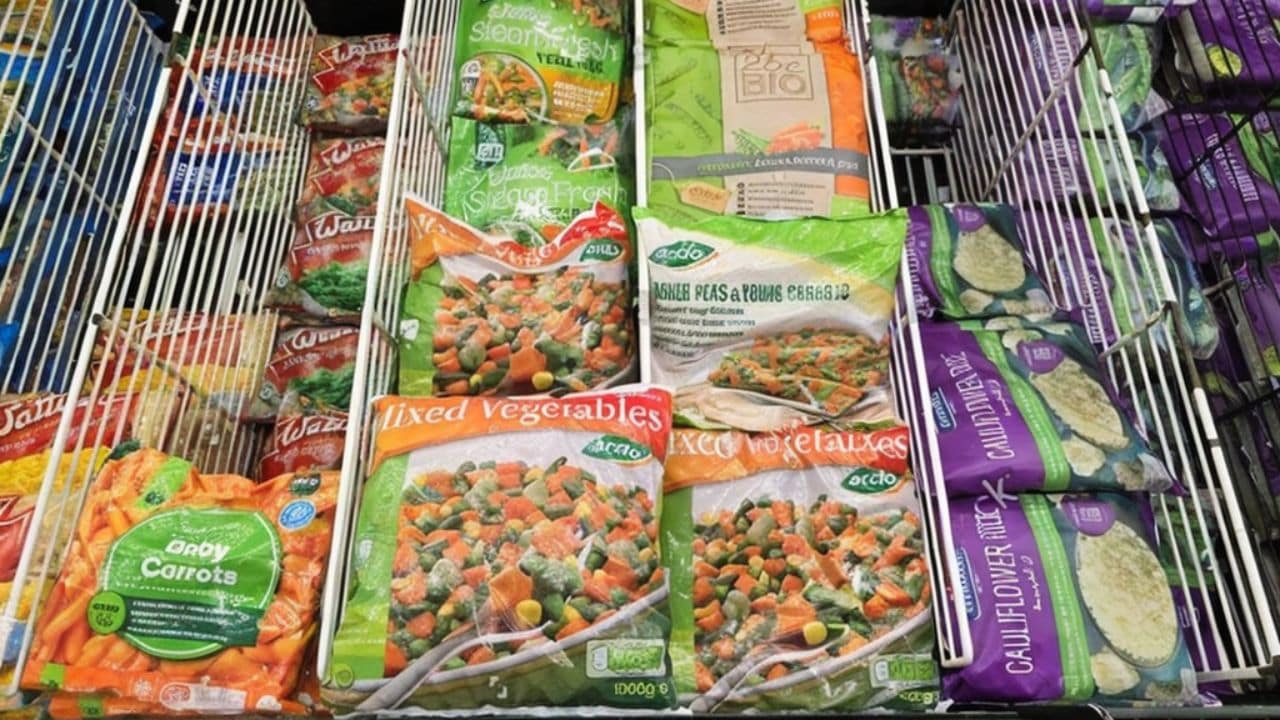
When oranges are pricey, they pivot to apples. When lettuce looks sad and expensive, they buy cabbage and make it work three ways. Frozen vegetables are not a compromise-they're nutrition insurance with a stable price. And they know that a plain bag of rice plus a sale protein stretches further than any "meal kit" that promises magic.
That seasonal instinct also shows up in pantry stocking. Instead of buying random "deals," they stock a shelf with the five shelf-stable items they actually burn through-broth, tomatoes, pasta, beans, and rice-and refill only when those hit a target price.
They're splitting bulk the smart way
Warehouse clubs can be a trap if you live alone or cook for two. The workaround is informal co-ops with family or neighbors: one person buys the 10-lb bag of chicken when it's a good per-pound price, then divides it at home into labeled freezer bags. Someone else covers paper goods next time. You get the unit price without throwing out half a pantry.
They also skip the "value" packs that aren't actually value. If produce goes bad before you finish it, the unit price was a lie. Buying two smaller heads of romaine at the regular store can beat the mega tub that turns to soup by day four.
They're cooking toward leftovers, not away from them
Leftovers are a strategy, not a punishment. Roasted vegetables today become fried rice tomorrow. A pot of beans gets portioned and frozen in soup-size bags so a tired night still has dinner walking distance from done. The goal is to save effort on future you-because effort is a cost just like dollars.
This is also why older shoppers love the slow cooker and the sheet pan. Hands-off cooking means fewer steps and fewer chances to bail out to takeout.
They're choosing stores for base price, not hype
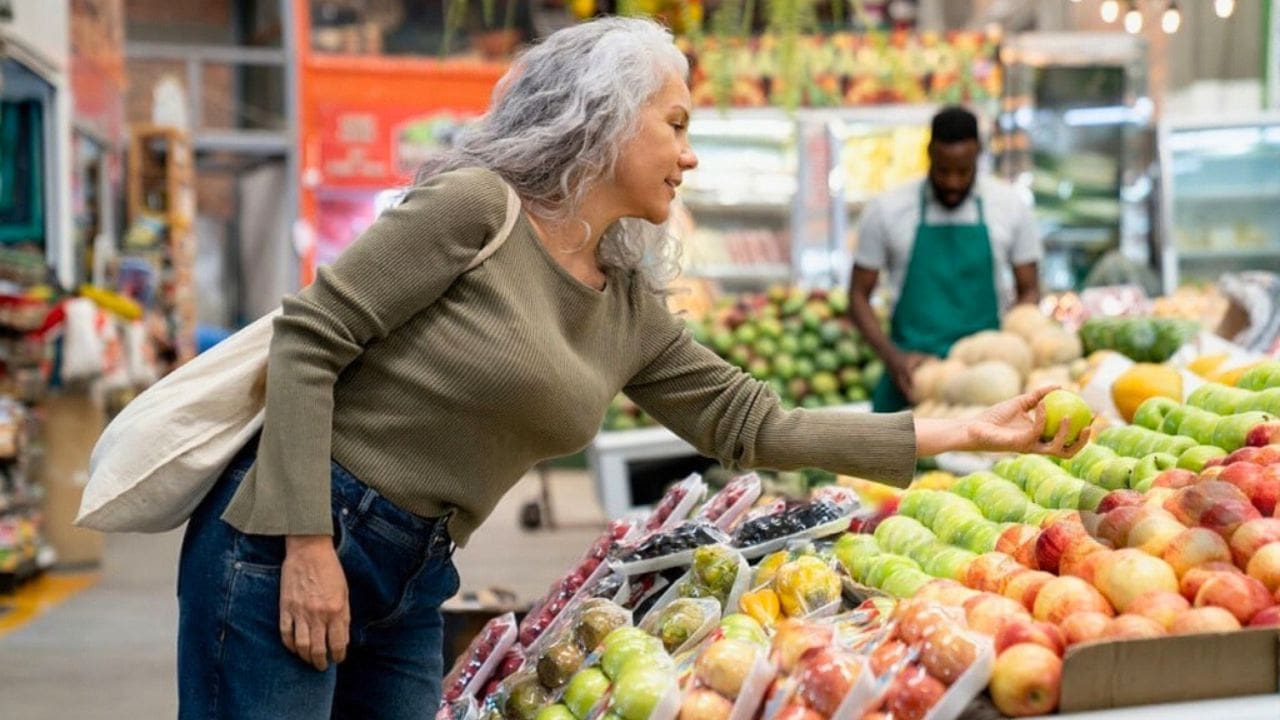
Loyalty is thinner now. If Store A has the best base price on basics and Store B wins meats every other week, they split the run. And they ignore "events" that require buying three of something they don't like to get fifty cents off. A written list and a ceiling price per item beat any app that gamifies your cart.
If an app genuinely helps, they use one-gas rewards that pay for a fill-up or a digital coupon that loads easily. If it nags, it gets deleted. Simplicity is part of savings.
They're protecting the food they buy
The cheapest food is the food you don't throw away. A shallow bin for "eat first," a roll of masking tape for quick dates, and a container habit (leftovers always in see-through, same-size tubs) are boring, but they save real money. Even a small freezer list on the door keeps mystery meat from dying quietly in the back.
None of this is flashy. But it's steady, and steady wins when prices won't play nice. Older generations have done this before in different ways. They're doing it again-and it still works.
*This article was developed with AI-powered tools and has been carefully reviewed by our editors.





Leave a Reply