
What I do every month to save over $500

Saving money every month doesn't have to mean living on scraps or never doing anything fun. What actually works is staying consistent with habits that cut waste, keep you out of debt, and help you use what you already have. It adds up faster than most people realize-and once you get in the rhythm, it doesn't feel like sacrifice.
These are the things I do every month that realistically save me over $500.
I plan every meal before I shop
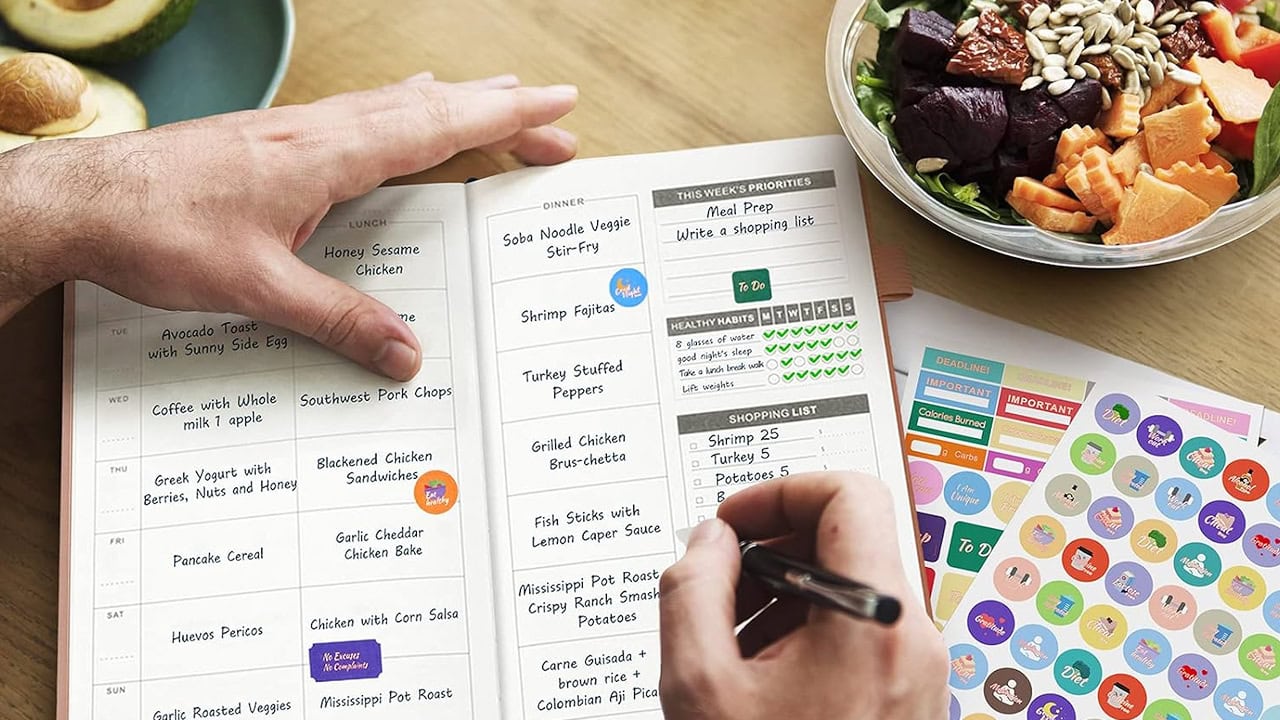
Meal planning keeps your grocery bill from getting out of hand. Without it, you'll overbuy, waste food, and end up grabbing takeout on the nights you don't know what to cook. I sit down once a week, plan dinners, and use those meals to build a shopping list.
Sticking to that list saves me at least $100 every month-sometimes more. I'm not wandering the aisles tossing in random stuff, and I'm using what's already in the pantry before it goes bad.
I make at least one pantry or freezer meal a week

You probably have more meals in your house than you think. I make a habit of pulling together at least one meal a week from whatever's sitting in the pantry or freezer. Beans, rice, frozen meat, canned tomatoes-use it up.
That one habit alone cuts at least $25-$40 from the weekly grocery total. And when you do it consistently, you waste way less food. You're not buying new stuff while the old stuff expires in the back of the cabinet.
I check every bill before it's paid
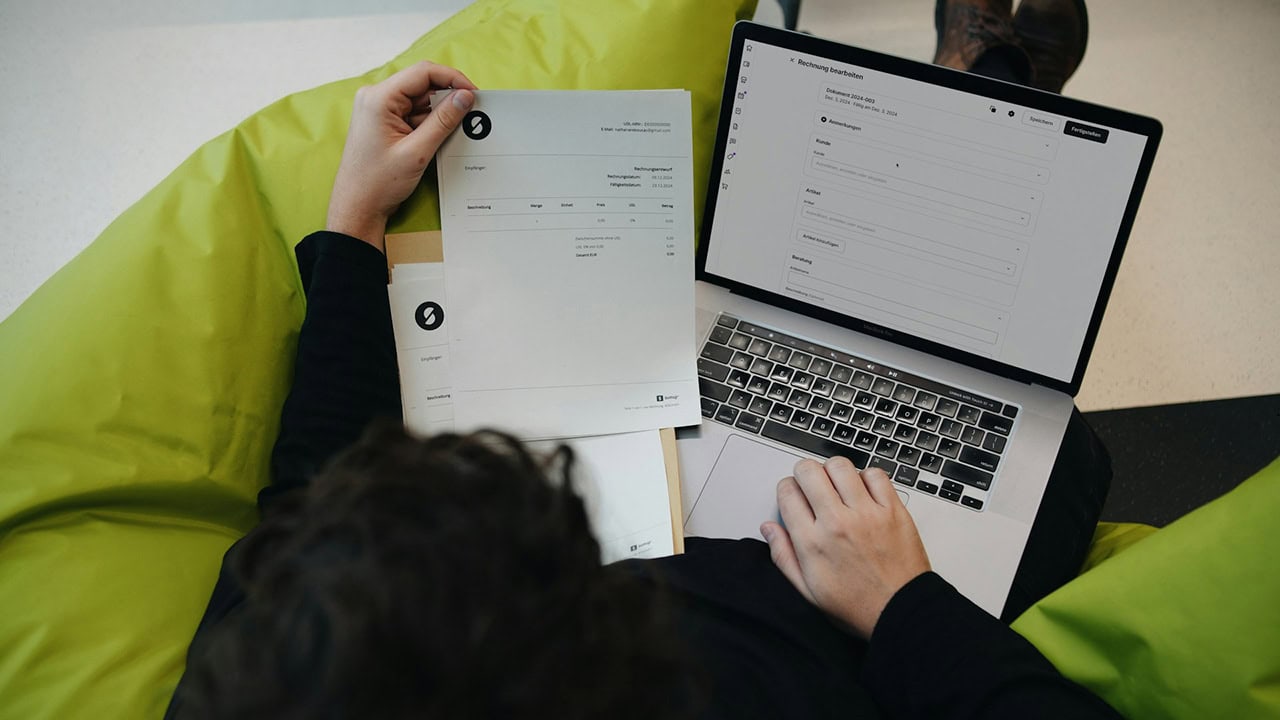
A lot of people don't look closely at their monthly bills-but you should. I check every single one before paying it, especially utilities and phone plans. Errors happen more than you'd think, and little fees sneak in.
This helps catch accidental overcharges, fix usage mistakes, and make sure you're not paying for something you canceled. It's saved me from paying for a subscription twice or getting hit with late fees I didn't deserve.
I cut off spending once I hit my weekly cash cap

I divide my "fun" money or extra spending into weekly chunks-usually $50 to $75-and once that's gone, I stop. I don't borrow from next week or pull from savings. I wait.
This prevents impulse spending from getting out of control. You'll be surprised how much it changes your mindset when you know you've got a hard stop. I easily save over $100 a month doing this, without feeling like I'm missing out.
I skip any Target trip that isn't necessary
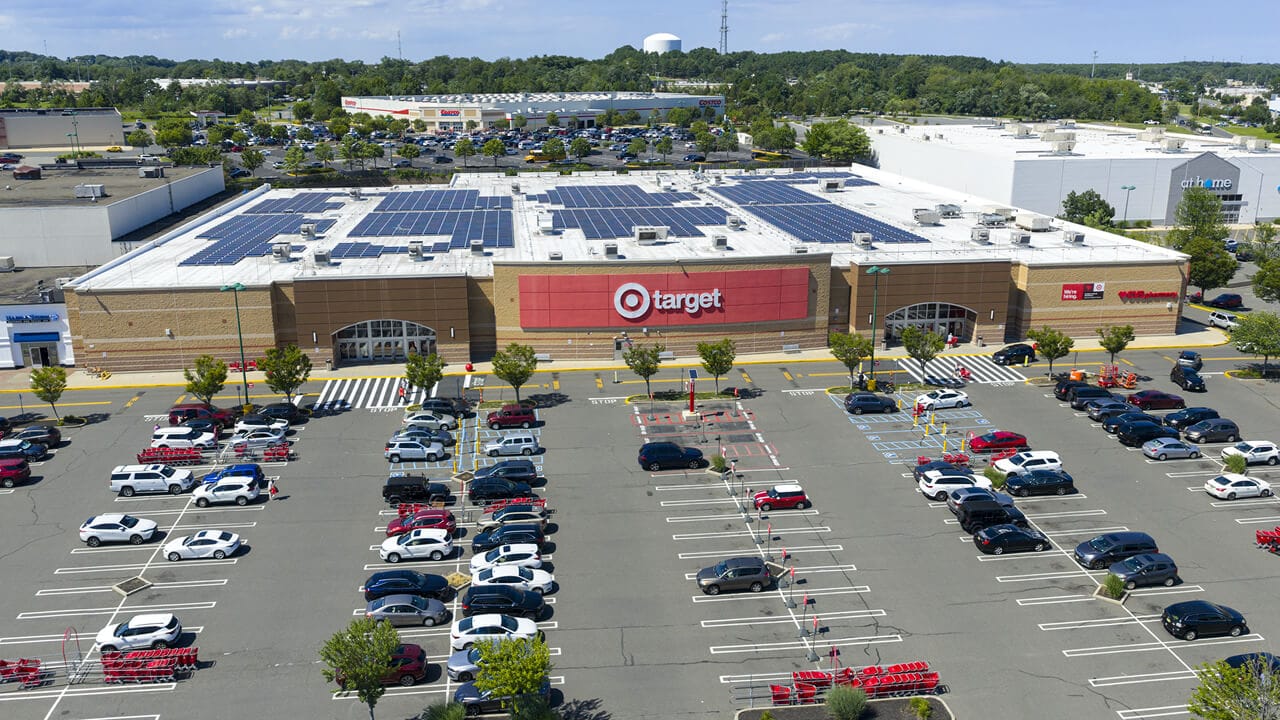
I don't walk into Target, HomeGoods, or anywhere similar unless I need something specific and I've written it down. Wandering those stores is a fast track to spending $80 on things you didn't even know you wanted.
Avoiding "browsing" stops me from buying stuff I wouldn't miss anyway. Skipping just two unnecessary trips a month easily keeps $150 in my pocket-probably more depending on your willpower.
I review upcoming expenses at the start of the month

Every month, I look ahead and see what's coming. Birthdays, annual renewals, vet visits, oil changes-anything that could catch me off guard. Then I plan for it so it doesn't wreck my budget when it hits.
This helps avoid last-minute panic buys or using credit cards to cover what should've been expected. That kind of planning keeps you in control and stops you from blowing the budget halfway through the month.
I call and negotiate at least one bill a month

Once a month, I pick a recurring bill-insurance, internet, cell service-and check to see if I can lower it. Sometimes it's as simple as asking for a better rate. Other times, I compare competitors and make a switch.
Even if I don't save money every time, the months I do usually knock off $25 to $100. Doing it regularly keeps my expenses from quietly creeping up over time while I'm not paying attention.
I delay every non-urgent purchase by 48 hours

If something pops up that I want to buy but don't need right away, I pause for 48 hours. Most of the time, I forget about it or decide it's not worth it. That waiting period cuts down on emotional spending.
This one habit has probably saved me more money than anything else. It stops the random $40 and $60 purchases that sneak up on you-and when you track it over a month, it adds up fast.
I check for rebates or price matches before I buy anything big

Before I buy anything over $30, I do a quick check-can I get it cheaper somewhere else? Can I use Rakuten, Honey, or a cashback card? Can I price match? I also save all receipts and use apps like Fetch or Receipt Hog.
Even when the discount's small, the extra 5% here and 10% there can total $50-$100 over a month. It takes two minutes, but it makes me feel like I'm actually getting rewarded for being smart with my money.
I don't let food go bad in the fridge

I check the fridge every few days and make a plan to use what's on the edge of going bad. Leftovers get eaten, produce gets used, and nothing gets ignored until it's gross.
Wasting food is basically throwing money in the trash. When I'm intentional about using it all, I easily save $30-$60 a month-sometimes more if I'm cooking big. It's one of the fastest ways to cut your grocery bill without giving anything up.
*This article was developed with AI-powered tools and has been carefully reviewed by our editors.






Leave a Reply