
Secondhand gifting used to feel risky. Now, with prices up and quality slipping, more people are giving "used" on purpose-vintage, refurbished, pre-loved. Done well, it reads thoughtful and elevated. Done sloppy, it looks like you cleaned out your closet. The difference is curation and presentation.
Choose categories that age well
Books, tools, cast-iron, solid-wood toys, board games with all the pieces, classic vinyl, vintage cookbooks, out-of-print favorites, and high-quality clothing in natural fibers-these wear in, not out. Electronics can work if they're manufacturer-refurbished with a warranty. Skip anything with mystery stains, pilling, warped edges, frayed cords, or missing parts you can't replace.
If you're not sure, ask: would I be excited to receive this exact item? If the answer is "yes, but only if it were new," keep walking.
Make condition your reputation
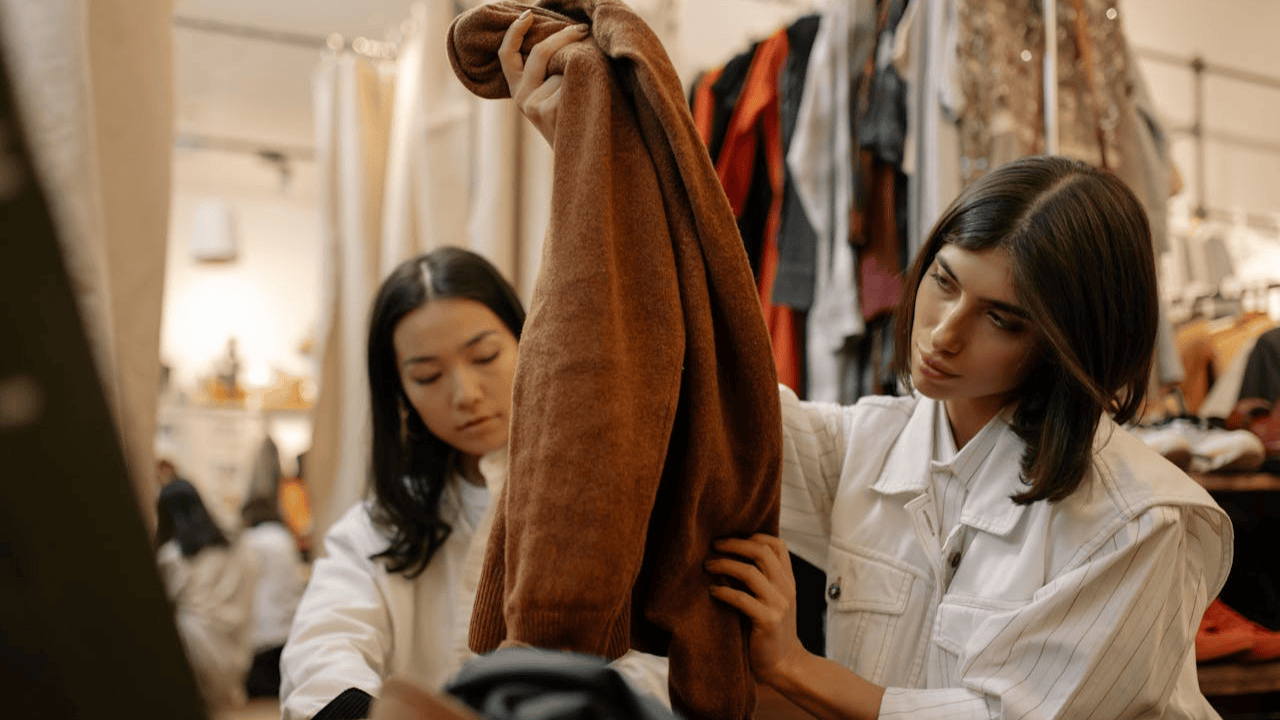
Used hinges on trust. Inspect in bright light. Run your hand over edges. For clothing, check elbows, cuffs, and hems. For books, check the spine and write a small note if there's a previous inscription-it turns a flaw into provenance. For toys and puzzles, count pieces before you wrap.
If you wouldn't bet your name on the item, it's not a gift. It's a donation.
Tell a story with the presentation
Secondhand doesn't mean second-rate. Clean it, tighten screws, oil wood, launder fabrics, and package it like a treasure. Wrap a vintage cookbook with a tea towel and a hand-written list of your favorite recipes inside. Pair a refurbished stick blender with your go-to soup recipe and a jar of lentils. Slide a note into the book about the chapter you loved and the memory it brings up.
The story is what makes "used" feel personal instead of cheap.
Be clear where it matters

With close friends and family, honesty builds delight. "I hunted this for you," "I found it at the little shop downtown," or "It's refurbished and under warranty-here's the card." That tiny script flips the narrative from "couldn't afford new" to "curated on purpose."
If the recipient is picky or private, aim for items that don't telegraph "used" at a glance-hardcover books in great shape, kitchen tools with original packaging, or vintage glassware that looks timeless.
Match the gift to the person, not the price
Used is not a license to offload. The goal is to fit their taste better than new mass-market can. If your sister loves Pyrex, a mint condition vintage piece beats a random home-store set. If your friend restores furniture, a quality hand plane with a fresh edge will thrill them more than a gift card.
Set a boundary for yourself: if you're buying it because it's cheap, stop. If you're buying it because it's exactly them, you're on the right track.
Secondhand gifting works because it adds care and removes waste. Get the condition right, tell a small story, and you'll give the gift everyone talks about for the right reasons.
*This article was developed with AI-powered tools and has been carefully reviewed by our editors.






Leave a Reply