
Thrift store tricks that help me find the good stuff
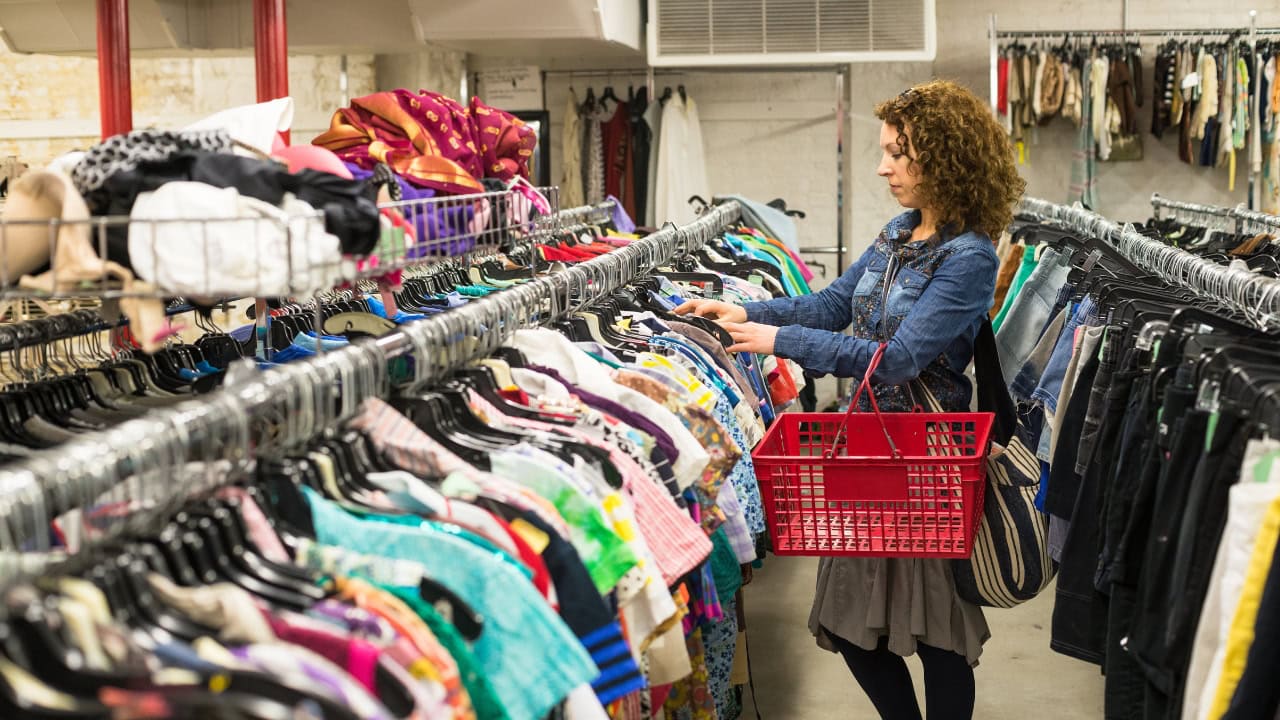
Thrift stores are either treasure troves or total duds-it depends on when you go, how you look, and what you're paying attention to. Over time, you start to spot patterns, figure out what gets picked over fast, and learn how to sift through the clutter without wasting your whole afternoon.
These are the tricks I use to actually find the good stuff-things that are either worth reselling, using, or keeping long-term-without walking out empty-handed.
Go on Restock Days

Every thrift store has a rhythm. Some restock daily, others have dedicated drop days when the shelves and racks get a fresh wave of donations.
Ask the staff when they typically restock or roll carts onto the floor. If they say Tuesday mornings, aim for late morning before the best finds disappear. The new stuff goes fast-especially anything name-brand, vintage, or in great condition.
Shop the Opposite Season
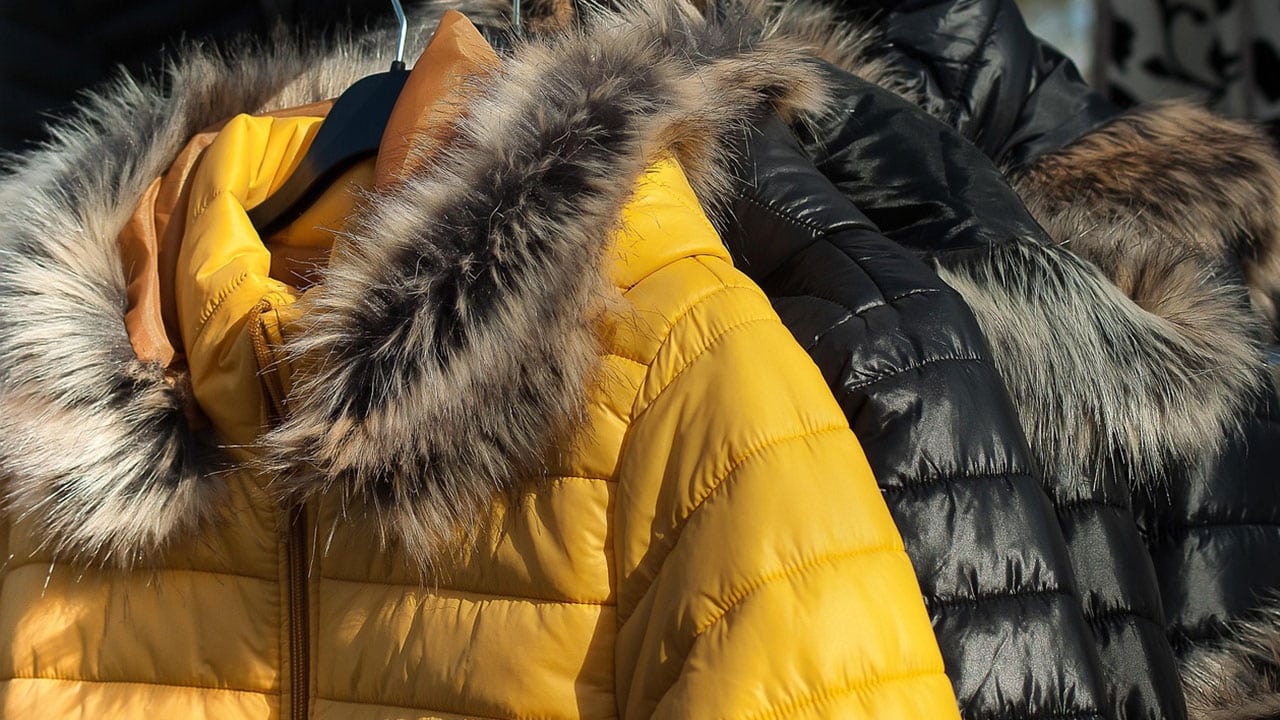
If it's blazing hot out, check the sweaters. If it's freezing, look at shorts. People aren't thinking about off-season items, but that's where the best deals hide.
You'll find coats in July, linen dresses in January, and camping gear after summer ends. Thrift pricing is usually flat year-round, so you're not paying seasonal markups-and you'll have it ready before next year rolls around.
Don't Skip the Bins or Carts
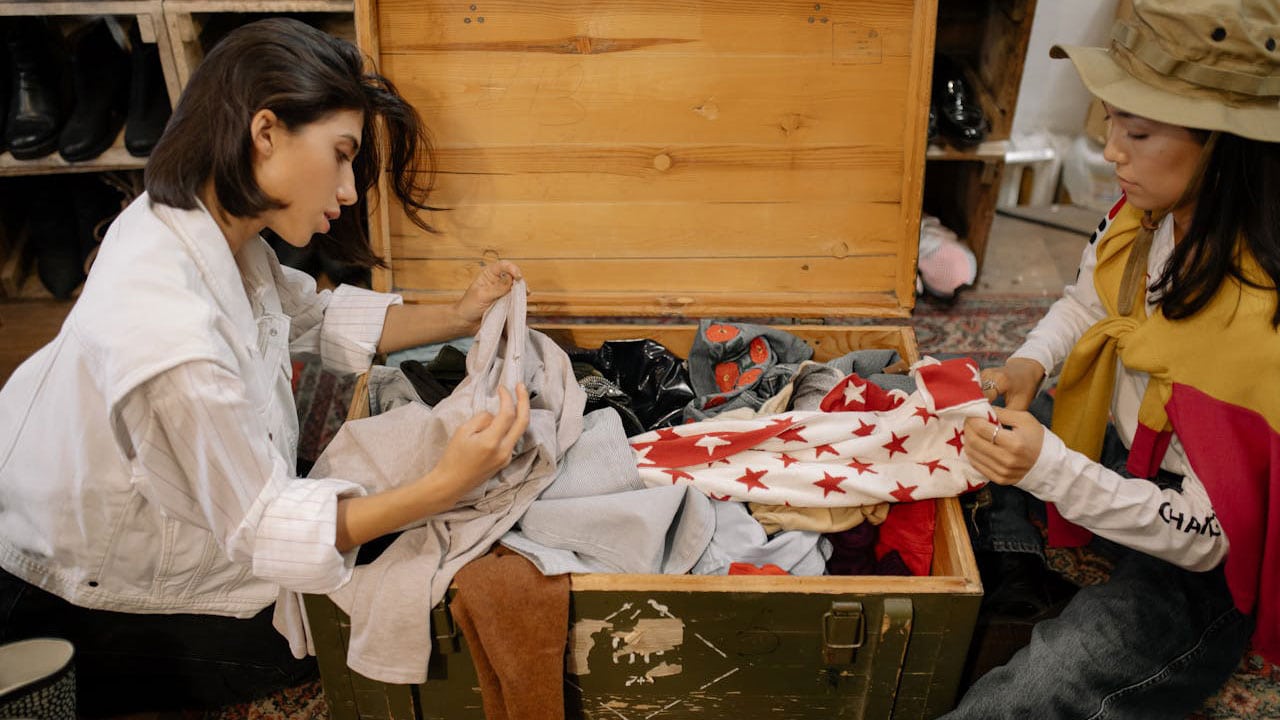
Some of the best stuff never makes it to the shelves-it's sitting in rolling bins or unpacked carts near the back.
Most stores are fine with you browsing through these, as long as you're respectful. That's where I've found Pyrex, cast iron pans, and vintage Levi's that hadn't been priced yet. If you're willing to dig a little, you'll beat the rush and get first pick.
Check Every Size Section
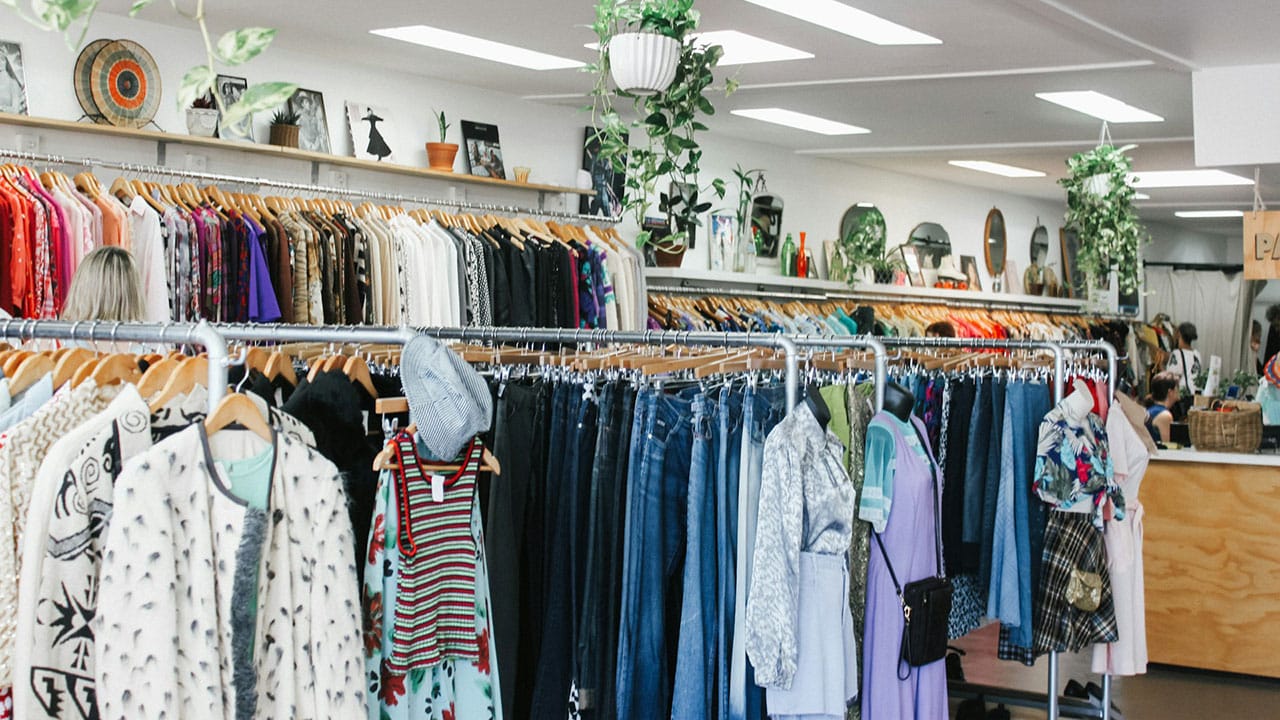
Thrift store sizing is chaotic. Tags are often missing, swapped, or wrong altogether. Don't rely on what's marked-look through sizes up and down from what you normally wear.
Vintage sizing runs small, some things shrink, and staff usually eyeball it when tagging. You'll miss great finds if you stick to one section, especially when it comes to denim, jackets, and kids' clothes.
Look for Quality First, Labels Second
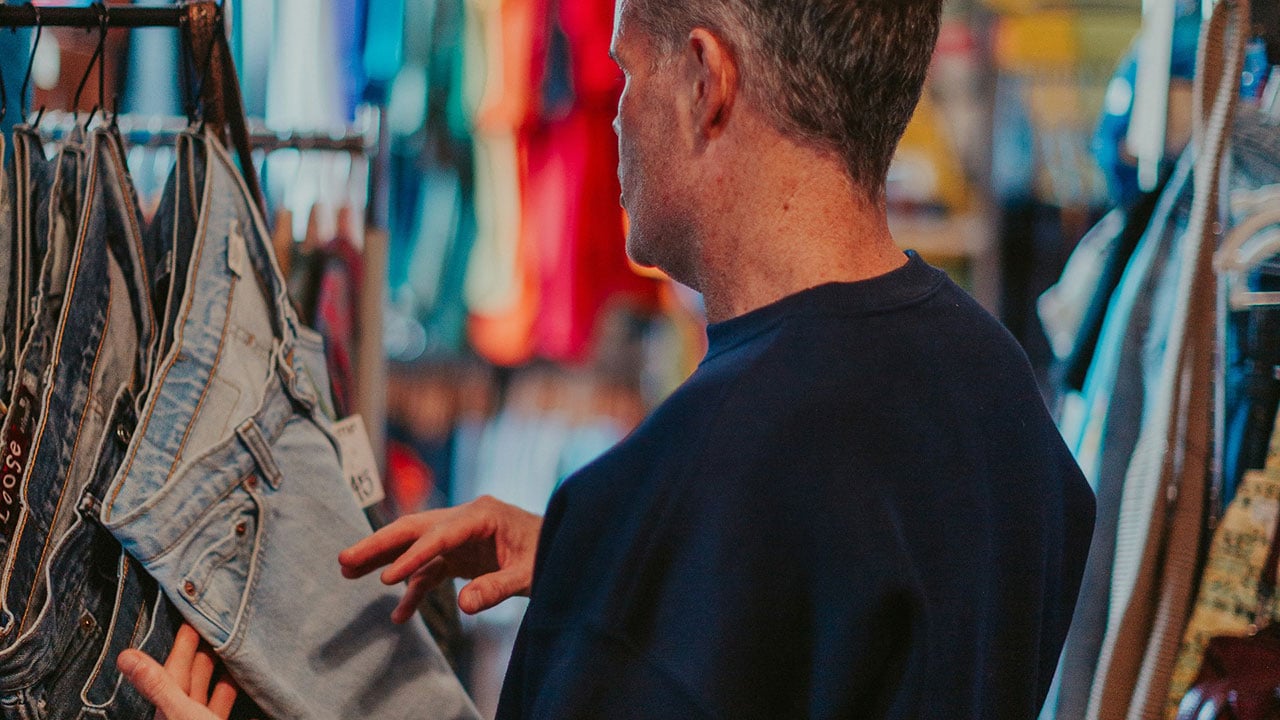
It's easy to get caught up in brand hunting, but condition matters more. I always check fabric content, stitching, buttons, and structure before flipping the tag.
Wool, linen, and 100% cotton usually hold up better than cheap synthetics. If it feels well-made and looks like it'll last, that's more valuable than a label that's trending for five minutes.
Take a Lap Through Home Goods
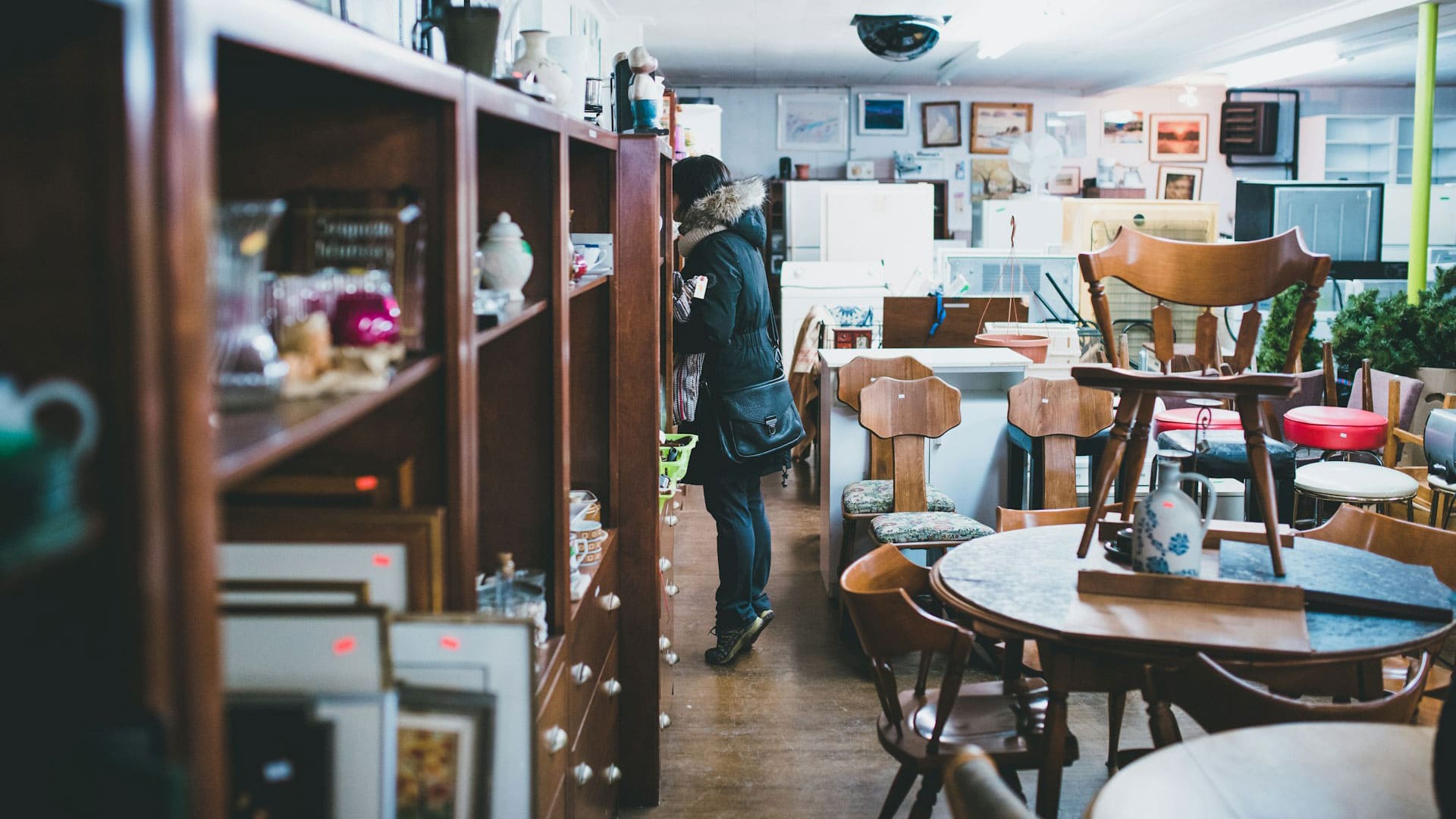
Even if you're there for clothes, walk through the home aisle. That's where you'll spot solid wood cutting boards, vintage kitchenware, and heavy glassware that sells out fast.
People overlook this section, but it's full of useful things-cast iron pans, mixing bowls, storage baskets-that cost a fortune new. If you've got the space to store it, it's worth the detour.
Bring a Tape Measure
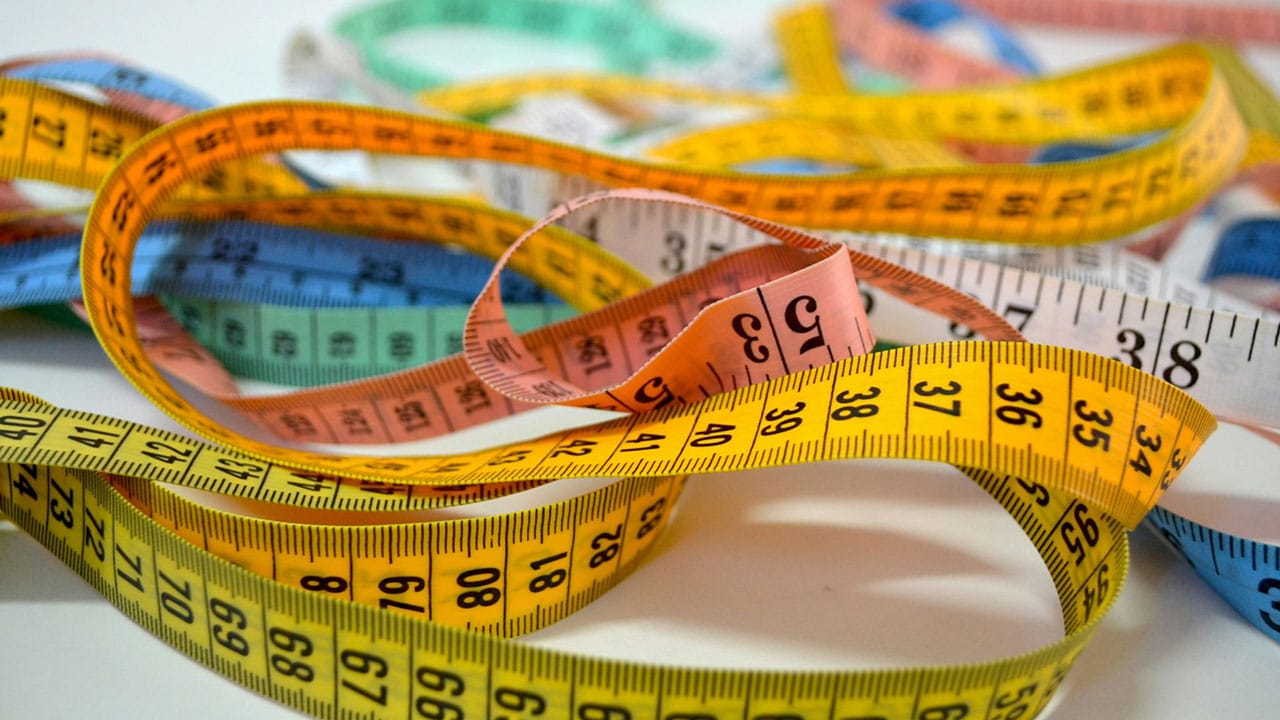
Eyeballing furniture, frames, or pants length doesn't always cut it-especially if you're buying to resell or refinish. I keep a small tape measure in my bag so I can double-check sizes.
It's saved me from buying chairs that didn't fit under the table or pants that looked right but weren't. Measurements matter, and a $2 tape can keep you from wasting $15 on the wrong thing.
Check for Markings and Stamps
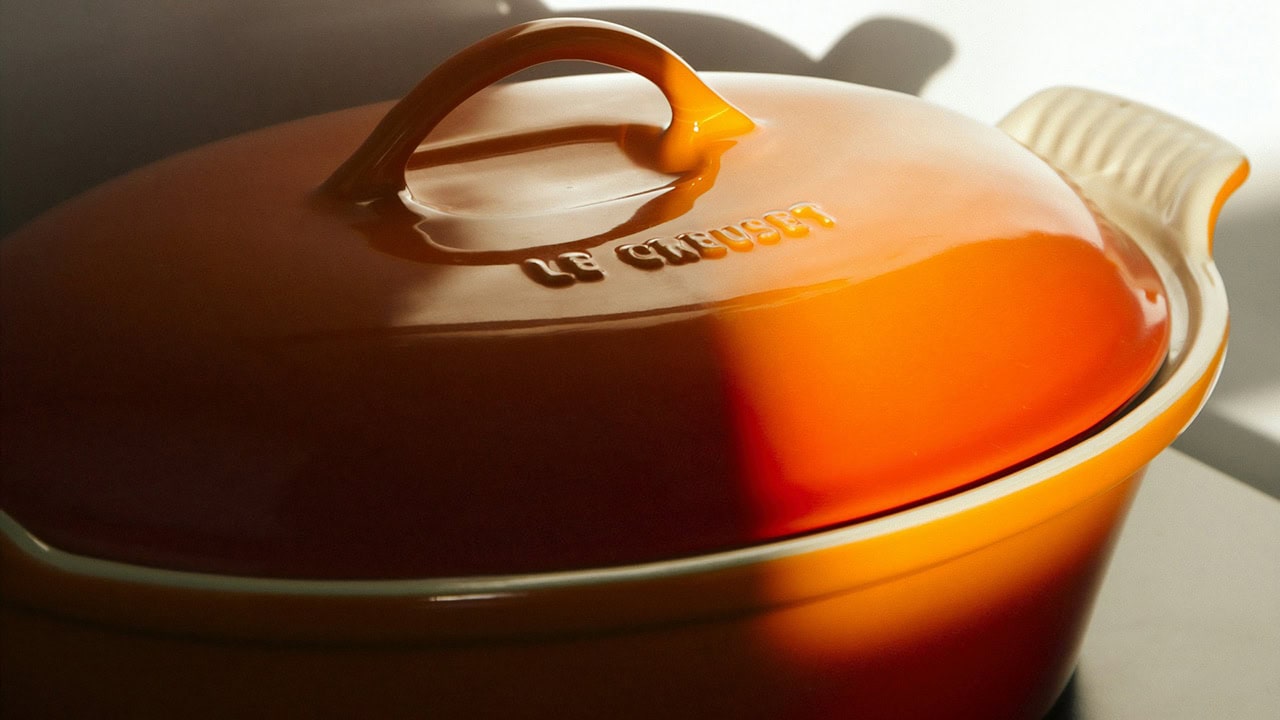
When you're browsing kitchenware, ceramics, or furniture, flip things over. Stamps, engravings, or logos can tell you whether something's vintage, collectible, or mass-produced.
Look for brands like Dansk, Le Creuset, or anything made in the USA or Europe. Even if you don't recognize it right away, you can snap a picture and do a quick search later. Those markings can mean a $5 find is worth $50.
Scan the Display Cases Last
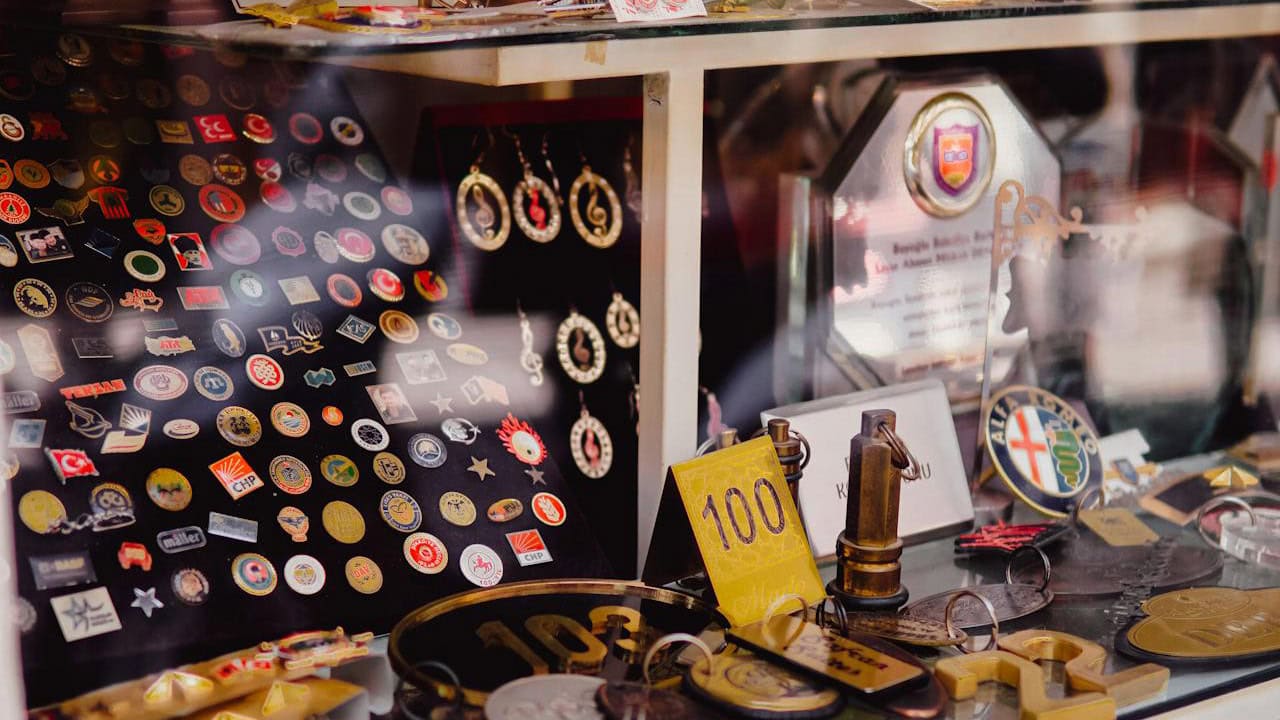
Display cases can be overwhelming and usually overpriced-but they're also where high-value stuff ends up. I do a quick scan at the end of my trip once I've already grabbed the easy wins.
You'll find watches, knives, designer bags, and sometimes gold jewelry mixed in with costume stuff. Don't assume everything's fake. Some stores don't authenticate, so real gold or silver slips through more often than you'd think.
Test Electronics and Zippers
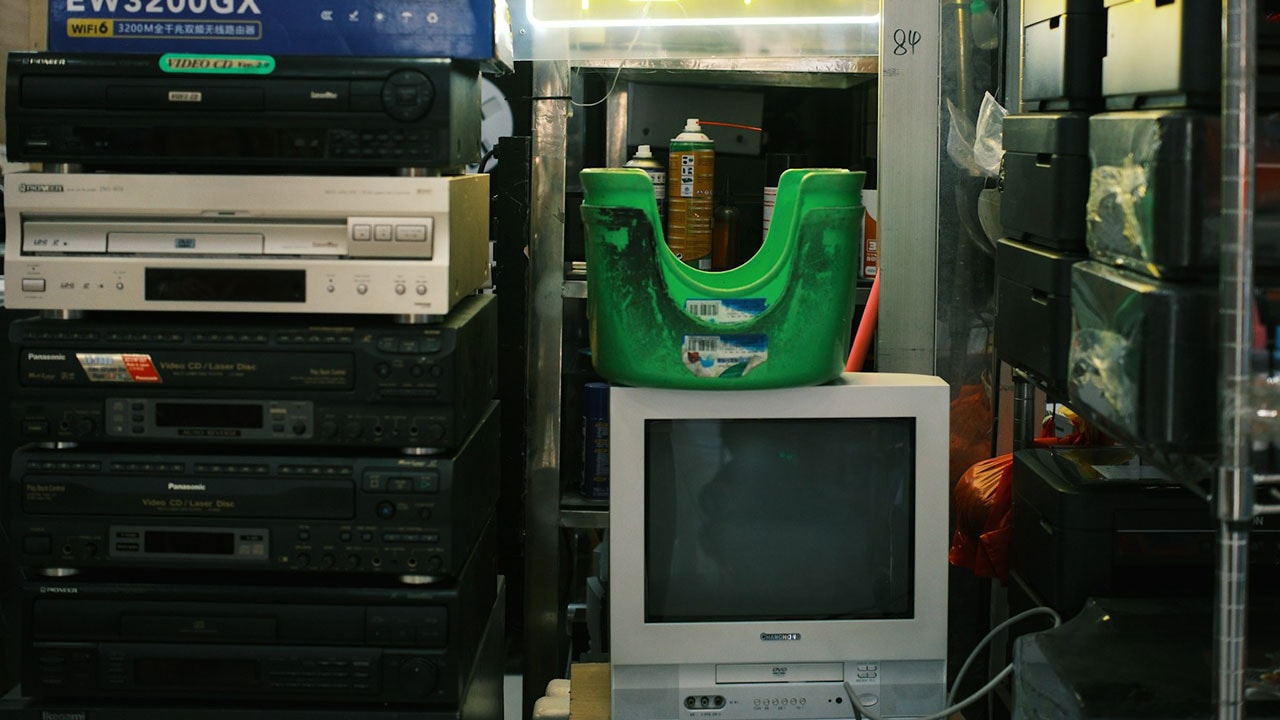
If you're buying anything with a plug or zipper, test it before you check out. Most thrift stores won't take returns, and it's easy to get stuck with something that looks fine but doesn't work.
There's usually an outlet somewhere near the checkout, and most staff are fine with you trying things out. For clothes or bags, make sure zippers glide and buttons aren't missing. Saves you time, money, and regret later.
*This article was developed with AI-powered tools and has been carefully reviewed by our editors.






Leave a Reply