
Most people fight their grocery bill with coupons and sales, but the real problem is often a different category hiding in the cart. The biggest saboteurs aren't steak or fancy cheese-they're beverages and non-food household items.
Soda, juices, bottled teas, sparkling waters, plus paper goods, cleaners, foil, and pet supplies turn a planned $120 food run into $185 before you reach produce. You're not overspending on meals. You're paying convenience prices for everything else.
Here's how to separate the leaks so your food plan finally shows up on the receipt.
Split your cart into food and non-food before you shop
Write two mini-lists. Food is ingredients for meals and basics like milk, eggs, and bread. Non-food is paper, plastic, cleaners, toiletries, pet supplies, and any beverages besides milk. Add a spending cap next to the non-food list that's lower than you think-often $15-$25 per week is plenty when you buy the right sizes. This one step stops "oh, we need trash bags" from swallowing your dinner money.
Keep the lists in separate sections of your notes app so you can track where the money actually goes.
Treat beverages like a luxury line, not a grocery staple
Bottled drinks burn cash. Choose one house rule: water at home, one specialty drink per person per week, and a small stash for guests. If you love fizz, buy a seltzer maker or stick to store-brand 12-packs on sale with a hard limit. For kids, keep a pitcher of iced tea or diluted juice in the fridge instead of single-serves. You'll cut $10-$25 a trip without touching real food.
If you miss the "grab and go," prefill reusable bottles the night before. Cold water scratches more cravings than you'd think.
Move non-food items to a once-a-month stock-up
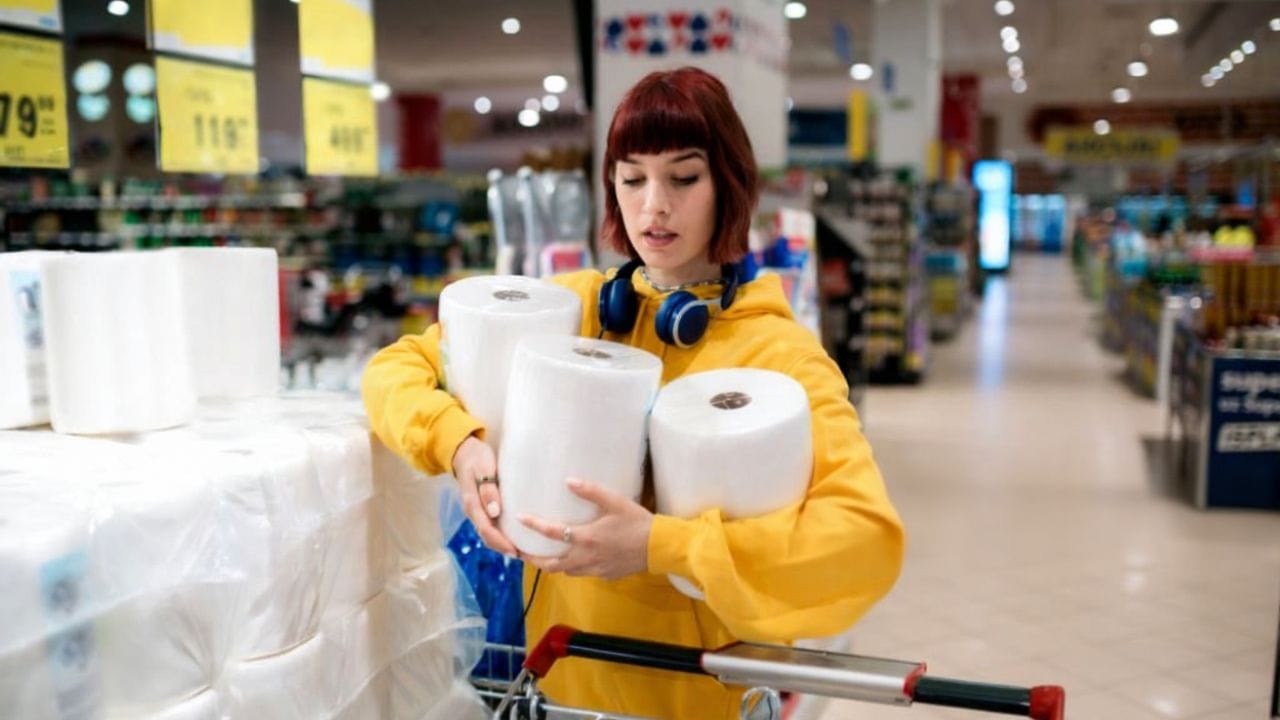
Paper goods, trash bags, dish tabs, and laundry detergent don't need weekly attention. Price them at a warehouse club, online bulk, or your grocery's biggest size on sale, then buy once a month. Store them on a single labeled shelf so you always see what you have. You'll stop paying small-box markup five times a month and start paying a better unit price once.
Write the buy date on each package with a marker so you learn how long it actually lasts.
Switch to concentrate, tablets, and refills
Cleaners, hand soap, and even shampoo now come as concentrates or tablets you add to water at home. The price per use drops, and you stop hauling and storing liquid. Keep two spray bottles and a stash of tablets or concentrate packs. Refill day becomes a five-minute chore instead of a cart line-item.
Store one full refill kit in a clear bin. When you grab the last tab, add it to next month's stock-up list.
Build a decoy shelf for "we're out"
Half the duplicate buys come from not seeing what you own. Set a small shelf in a pantry or closet labeled "Open next." Only the next roll, next box, next bottle lives there. If the shelf is empty, you're allowed to buy. If it's full, you're stocked. The visual cue saves you from buying the third box of zipper bags because the current one looked low.
Do the same with pet food. One open bag, one sealed bag behind it, nothing in the middle.
Cut a cleaner and add a microfiber
You don't need a different spray for every surface. Keep an all-purpose, a glass cleaner, and a bathroom cleaner. Replace paper towels for most wipe-ups with three microfiber cloths that you wash together on hot. You'll notice the paper-goods line drop the first week.
If paper towels feel non-negotiable, cap them at one bulk pack per month and let the cloths pick up the slack.
Lock your grocery wins by pricing five staples
Know your best price for milk, eggs, bread, rice, and your go-to protein. If your usual store is consistently high on those five, switch your primary. The point of separating categories is to let your food savings show up. If staples are marked up, the math won't move.
Carry the numbers in your phone. Real prices beat sale signs every time.
Your food budget isn't failing. It's sharing space with beverages and household goods that belong in their own lane. Split the lists, stock non-food monthly, treat drinks like a luxury line, use refills, and price your five staples. The same meals will suddenly cost less-because the cart finally matches the plan.
*This article was developed with AI-powered tools and has been carefully reviewed by our editors.





Leave a Reply