
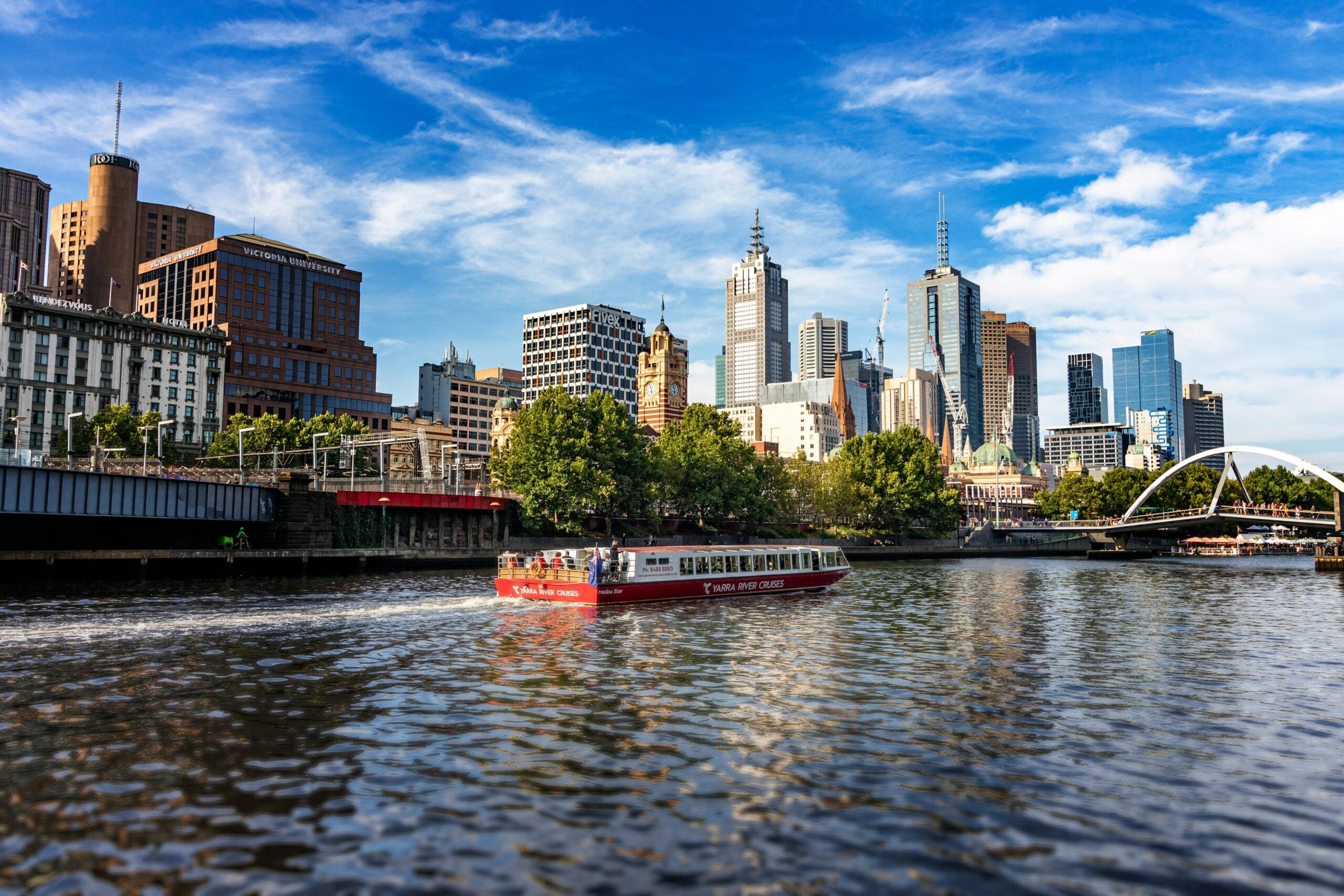
Big-name cities get all the attention, but they also get all the price hikes. You can absolutely get good food, walkable streets, pretty views, and nice hotels without paying New York or San Francisco rates. The secret is targeting smaller "second-tier" cities that tourists overlook but locals love.
Think more Asheville and San Antonio, less Manhattan and Miami. You get the experience you want, but your card bill doesn't sting as hard later.
What "luxury" actually means on a budget
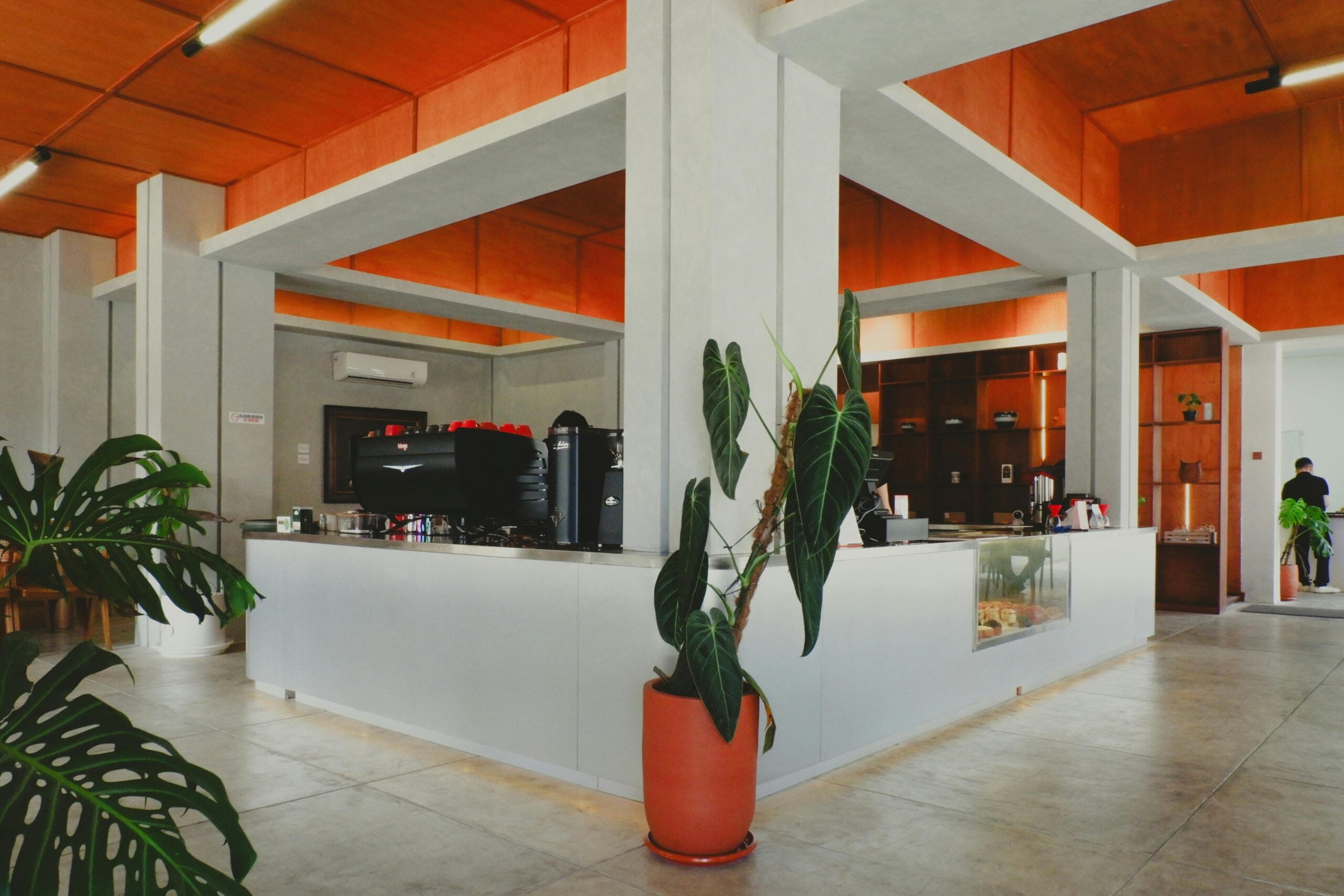
Most of us aren't chasing caviar. We want clean, comfortable hotels, good coffee, real food, and somewhere pretty to walk after dinner. Plenty of mid-sized cities deliver all of that with lower hotel rates and cheaper daily costs than the big metros. Cost-of-living comparisons routinely show major cities at the top of the expense list, with plenty of smaller metros coming in far cheaper on housing and day-to-day prices.
So instead of asking, "Where's the fanciest place?" it helps to ask, "Where feels special but doesn't act like it should charge me rent for two nights in a hotel?"
Examples of cities that feel high-end without acting like it
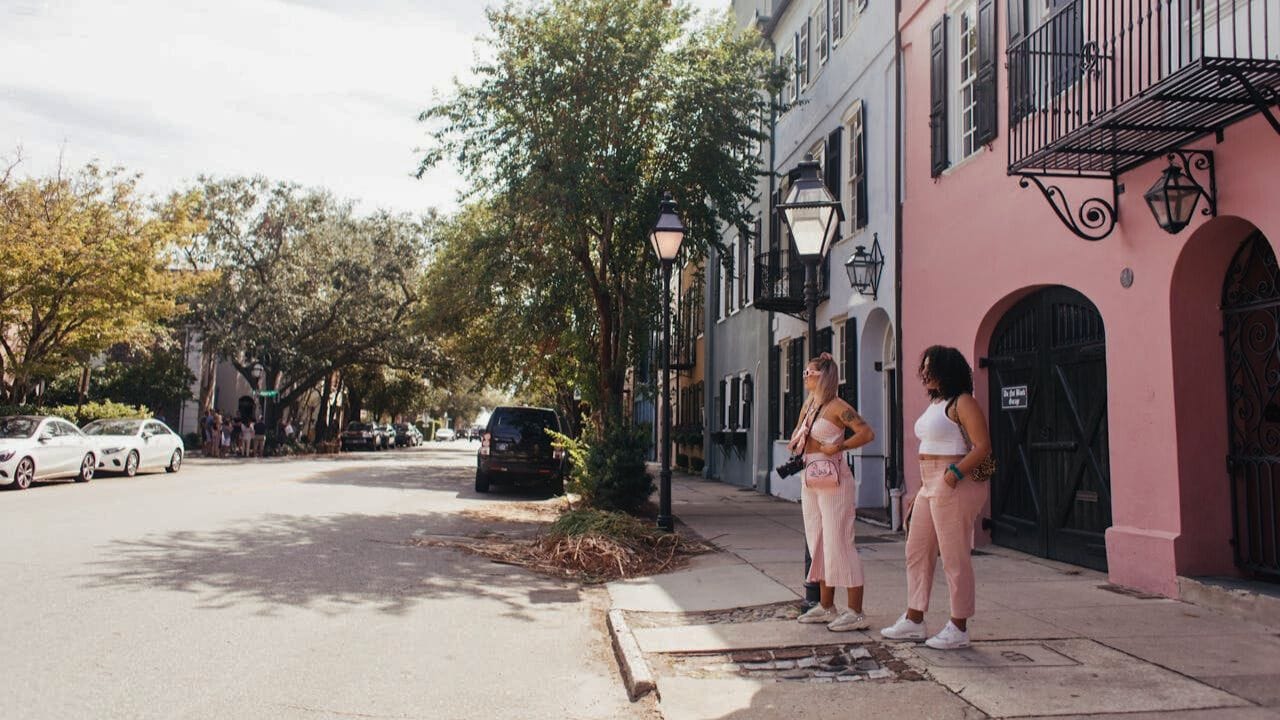
Travel editors keep circling back to places like Charleston, South Carolina; Asheville, North Carolina; San Antonio, Texas; Boise, Idaho; and Chattanooga, Tennessee as affordable but elevated-feeling trips. They've got historic districts, riverfronts or mountains, strong food scenes, and cute downtowns-but your hotel and meals don't automatically sit at big-city prices.
You still get the nice dinner, the well-made latte, the walkable streets, and the pretty photos. You're just not competing with international-business-travel pricing on every corner.
How to spot "luxury-feel" cities near you

You don't have to copy anyone's list. When you're hunting for your own "fancy but not expensive" city, look for:
- A historic downtown or riverfront district
- Local restaurants and coffee shops (not just chains)
- Walkability or public transit
- A mix of parks, museums, or outdoor spaces
Then plug those cities into a cost-of-living tool and compare them to the usual suspects. If hotels, food, and transportation come in noticeably lower, that's where you'll stretch your trip money.
How to make a cheaper city feel more upscale

Once you're there, lean into a few small upgrades instead of throwing money at everything: book one nicer dinner, choose a hotel in the walkable core instead of the absolute cheapest on the outskirts, and budget for one "experience" you'll actually remember-like a spa afternoon, rooftop drinks, or a scenic tour.
You're still spending less overall than you would in a big coastal city, but day to day, it feels like a treat instead of a bargain trip.






Leave a Reply