
Spending patterns you'll never break until you see them clearly

You can't fix what you don't see. Most people think they have a spending problem, but what they really have are patterns-automatic habits that quietly eat away at their money month after month. Once you finally recognize them, you start catching yourself in the moment instead of regretting it later.
Seeing your patterns clearly is uncomfortable at first, but it's the only way to take back control. These are the ones that keep most people stuck without even realizing it.
You spend more when you feel stressed

When you're overwhelmed, buying something new feels like relief. It's quick, it's easy, and for a few minutes, it feels like control. But stress spending doesn't solve the problem-it delays it.
The fix is learning to pause before you buy. Take a walk, clean something, or write out what's actually bothering you. The urge usually fades once you name what's really going on.
You spend to reward yourself for being responsible

Telling yourself you "earned it" can undo a week of good choices. It's easy to justify spending after paying bills or sticking to your grocery list-like a mental reward for being disciplined.
But that mindset keeps you cycling between control and chaos. Real rewards come from the peace of seeing your savings grow, not another box showing up at your door.
You spend because you're bored

Boredom shopping sneaks in when you're scrolling late at night or wandering stores "just to look." It's not about needing anything-it's about wanting a hit of excitement.
Recognizing boredom spending means paying attention to your triggers. If you browse when you're restless, find something else that scratches that same itch-like rearranging a space or working on a project.
You convince yourself you'll use it later

Future spending sounds harmless. You tell yourself you'll use that gadget, read that book, or wear that outfit someday. But "someday" rarely comes, and your house becomes a graveyard of good intentions.
Before you buy, picture the exact moment you'd use it. If you can't, you probably won't. Awareness breaks the illusion that "later" makes a bad purchase better.
You buy to keep up with your surroundings

You might not realize how much your environment influences your spending. When friends upgrade cars, redo kitchens, or constantly buy new clothes, you feel the pressure to match it-even if your goals are different.
Being aware of that influence helps you step back. Remind yourself what you actually want long-term. Their money habits don't have to become yours.
You shop to change your mood

Retail therapy works for about five minutes. Then guilt sets in, and you're back where you started-plus a smaller bank balance. Spending to feel better only works when you're not honest about why you feel bad.
Next time that urge hits, stop and ask what emotion you're trying to escape. The more you practice that awareness, the less power the impulse has over you.
You think small purchases don't matter

You don't blow your budget on one big mistake-it's death by a thousand little swipes. Coffee runs, takeout, and quick Target trips don't seem like much, but together, they add up fast.
When you start tracking every dollar, those patterns jump out at you. It's not about guilt-it's about seeing where your habits are quietly undoing your progress.
You spend because it's "on sale"

Sales trigger urgency. You feel like you're saving money, but if you didn't need it before, you're not saving-you're spending. Discounts only help when they align with your actual needs.
Awareness here means asking, "Would I buy this full price?" If the answer's no, it's not a deal. Recognizing that thought before you hit "add to cart" can stop an unnecessary purchase instantly.
You upgrade things that still work
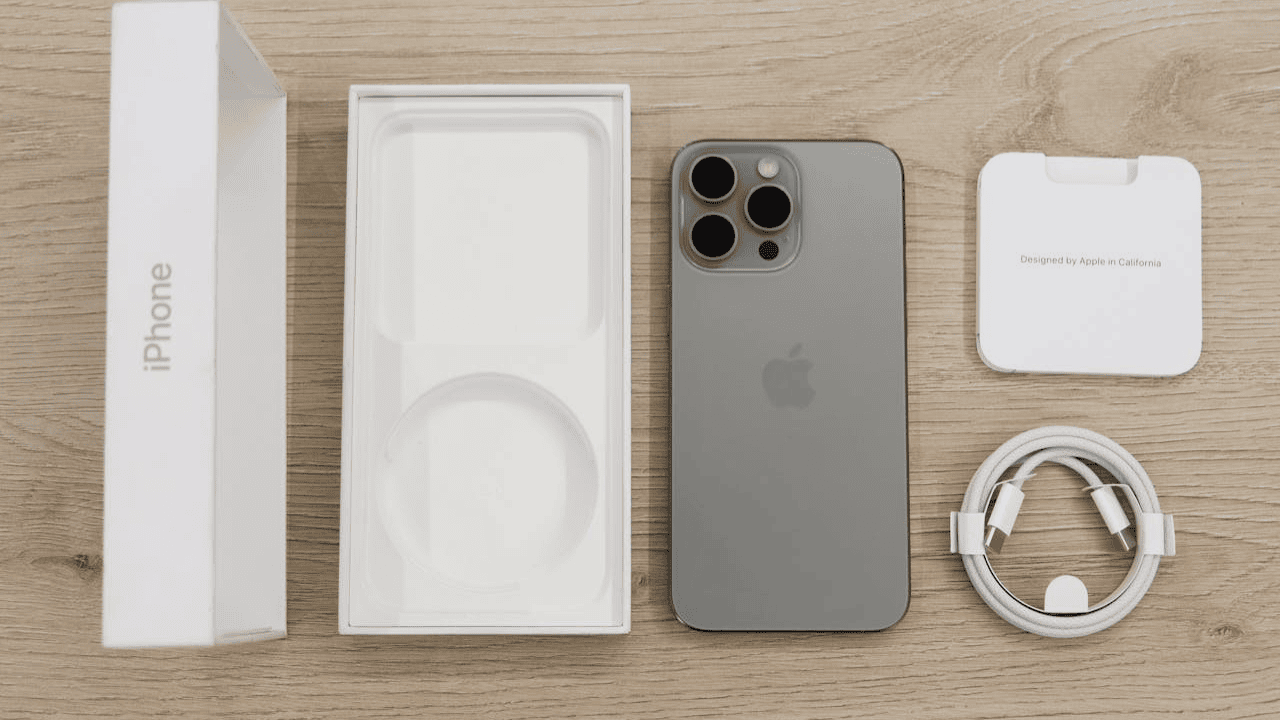
The upgrade mindset convinces you your current stuff isn't good enough. You start replacing items that function perfectly fine because newer versions exist.
Once you notice it, you realize it's not about the product-it's about status and comparison. Upgrading stops feeling necessary when you stop measuring your life against everyone else's.
*This article was developed with AI-powered tools and has been carefully reviewed by our editors.






Leave a Reply