
You don't need a binder full of coupons or hours of prep to cut your grocery bill. Couponing can work-but let's be honest, it's time-consuming and often tied to processed foods you wouldn't normally buy. The good news is, there are plenty of ways to save that are quicker, easier, and more practical for everyday life.
These tips don't require clipping or downloading apps, and they still make a noticeable dent in your total at checkout.
Shop with a Meal Plan

Going into the store without a plan is one of the fastest ways to overspend. When you plan your meals for the week-even just loosely-you're less likely to grab random ingredients that don't add up to full meals.
A basic plan helps you shop with intention and use up what you already have. It also prevents waste, which is a hidden way money slips through the cracks. If it ends up in the trash, you're paying for nothing.
Stick to Your List

Once you have a meal plan, build a grocery list around it and stick to it. Impulse buys are where budgets fall apart. Even small extras add up fast, especially if you’re shopping hungry or in a rush.
Bring a written list or keep one on your phone. If it's not on the list, it doesn't go in the cart-unless you're swapping something out. This one habit makes a huge difference over time.
Buy Store Brands

Name-brand products aren't always better. In fact, many store-brand items come from the same manufacturers and are nearly identical in quality. The packaging is different, but the product inside often isn't.
From canned goods to pasta and even dairy, store brands usually cost less without sacrificing taste or function. Try swapping one or two items each trip and see what actually matters to you.
Skip Pre-Cut or Pre-Packaged Produce
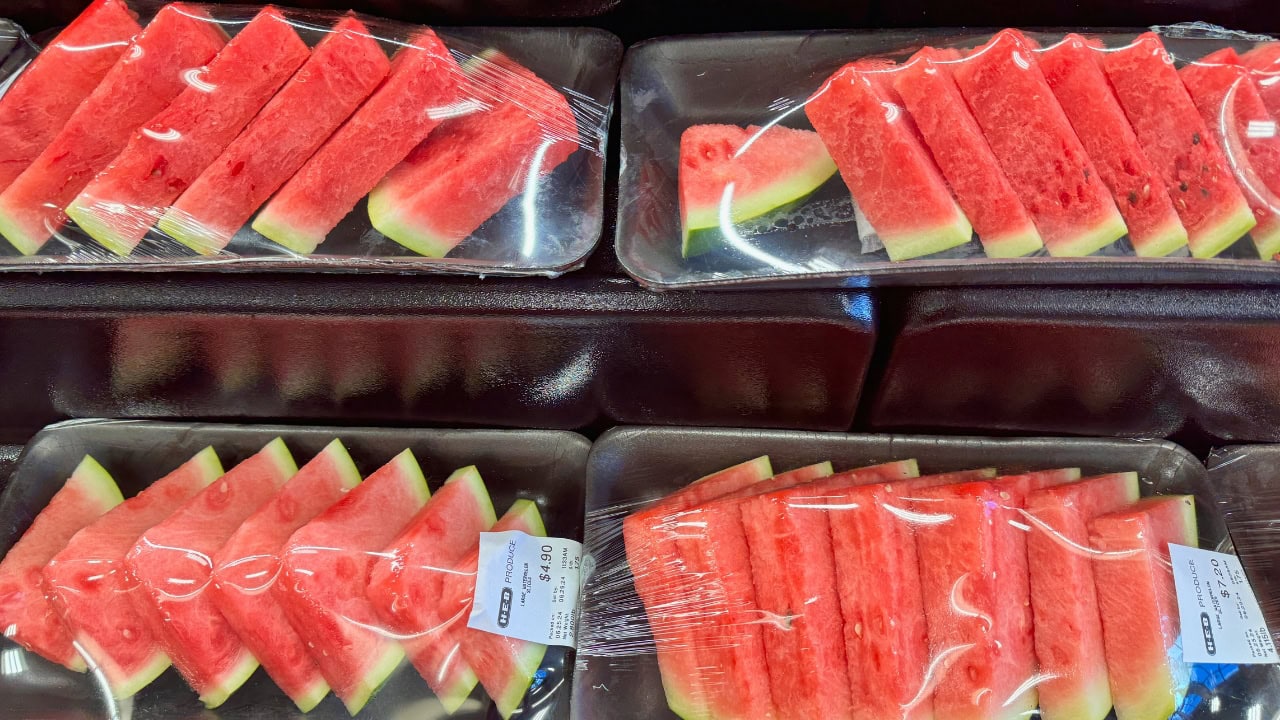
Pre-sliced fruit, bagged salad kits, and veggie trays are convenient, but you're paying extra for that convenience. Whole produce costs less, lasts longer, and gives you more flexibility in the kitchen.
Chop things yourself when you get home if it helps with convenience later. It might take a few extra minutes, but the savings are worth it-and you'll get more food for your money.
Shop the Sales, Not the Aisles

Even without coupons, weekly sales can lead to big savings. Instead of browsing every aisle, scan the front page of the store's circular before you go. Plan a couple of meals around what's on sale, especially for meat and produce.
You don't need to stock up like a doomsday prepper-just adjust your menu based on what's cheaper that week. It's a flexible way to save without doing any complicated math.
Avoid Shopping Hungry

It's cliché advice because it's true. Shopping on an empty stomach makes you more likely to grab snacks, extras, and things you weren't planning to buy. Your stomach takes over instead of your budget.
Have a small meal or snack before you go. It sounds too simple to matter, but it can seriously change how you shop and how much you spend without you even realizing it.
Buy in Bulk (When It Makes Sense)
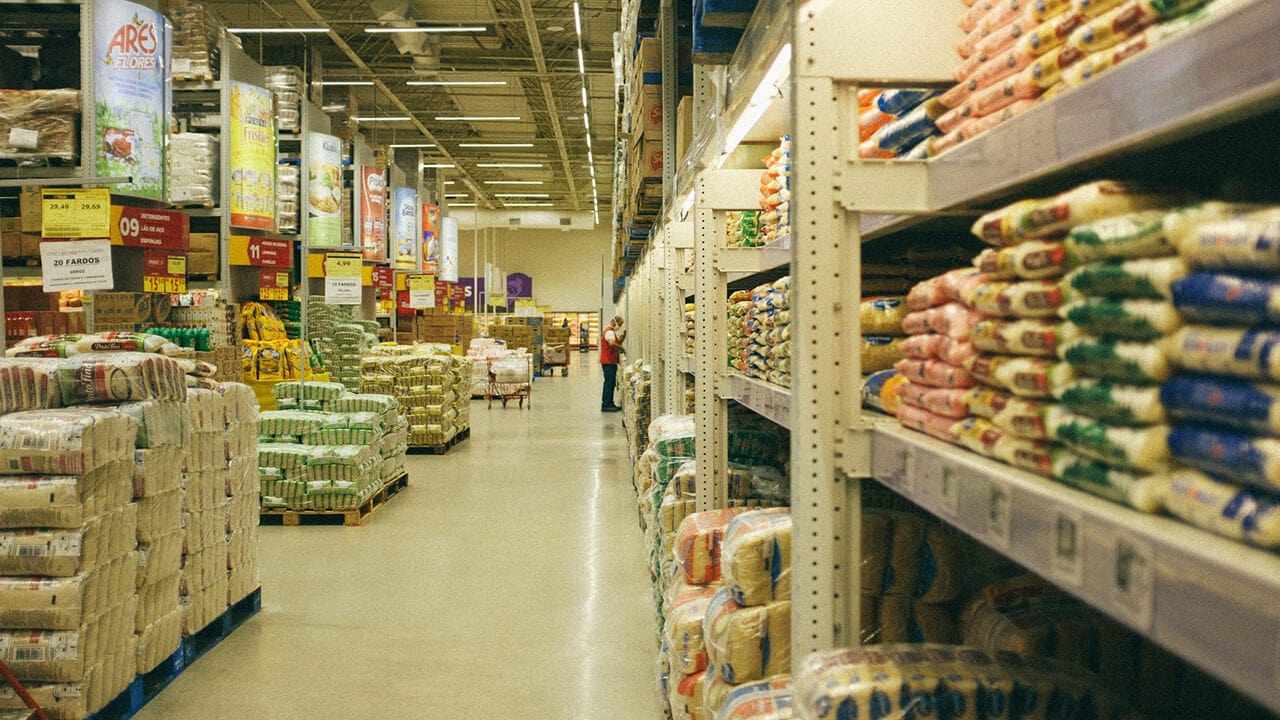
Bulk buying can save money, but only if you'll actually use what you buy. Things like rice, beans, oats, and pasta are usually cheaper per unit in larger quantities-and they won't go bad quickly.
Avoid bulk produce or perishable items unless you're feeding a crowd or planning to freeze them. The goal is to save money, not throw out food that didn't get used in time.
Don't Pay for Single-Use Items

Individually packaged snacks, single-serve yogurts, and portioned freezer meals are convenient, but they're more expensive than buying in larger quantities. You're often paying for plastic and branding more than the food itself.
Buy larger containers and portion them out yourself. You'll get more servings for your money, and it takes less time than you think to prep a few snacks or lunches for the week.
Check the Unit Price
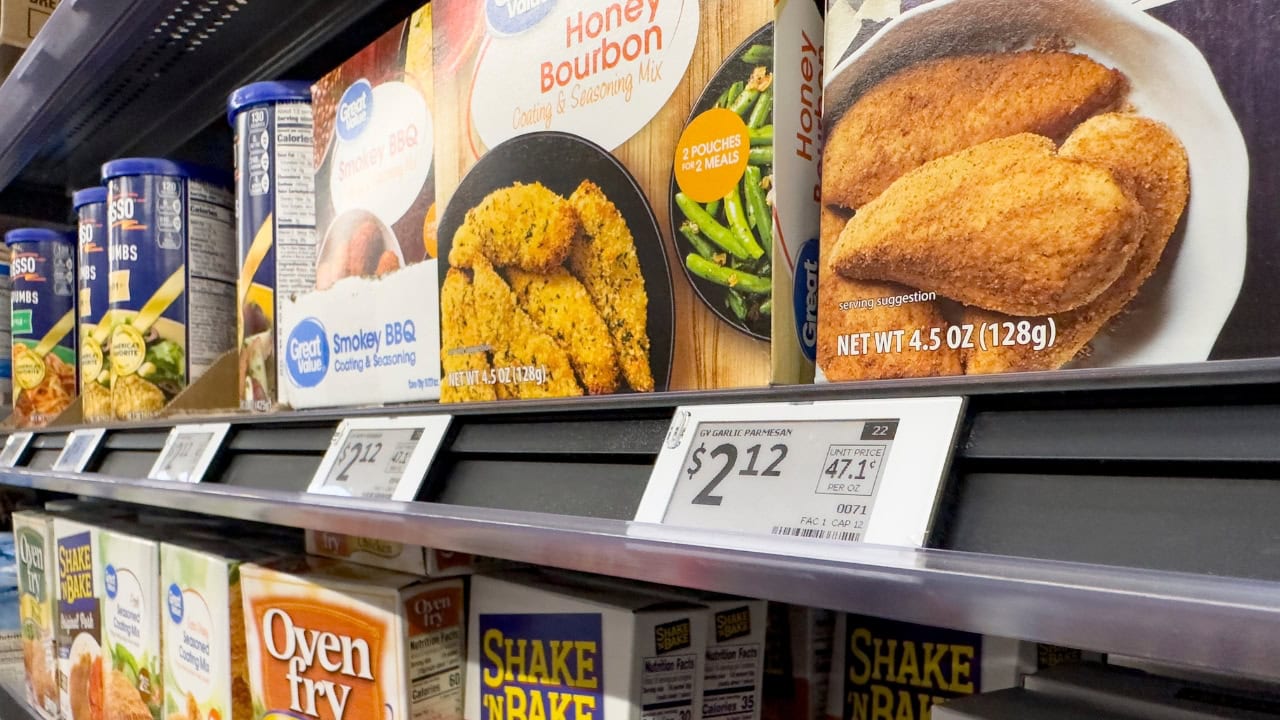
The sticker on the shelf usually shows a "price per ounce" or "price per pound." That's what you want to compare-not the price of the full package. Sometimes the bigger container is a better deal, and sometimes it's not.
Unit pricing makes it easier to spot when you're overpaying for smaller packaging. It's one of the simplest ways to become a smarter shopper without doing a bunch of math.
Limit Trips to the Store

The more often you go, the more you spend. Even if you're grabbing "just one thing," it usually turns into three or four. Try to limit grocery runs to once a week or less if possible.
If you run out of something midweek, get creative with what you've got at home instead. Skipping that extra trip can save more than you'd think-and it helps you stretch what you already bought.
*This article was developed with AI-powered tools and has been carefully reviewed by our editors.






Leave a Reply