
Your grandparents didn't have apps, cashback programs, or online coupon codes-but they knew how to stretch a dollar farther than most people today. Their habits weren't complicated; they were consistent. They valued what they had, fixed what broke, and made smart choices that added up over time.
Most of what they did wasn't flashy, but it worked-and it still does. If you've ever wondered how they made it work on one income and still had savings, these old-school habits are the reason why.
They cooked almost every meal at home

Eating out used to be a rare treat, not a weekly routine. Your grandparents relied on homemade meals because it was cheaper and healthier-and they wasted very little.
Cooking from scratch might take a bit more effort, but it saves serious money. Buying staples like flour, rice, and beans stretches meals and lowers grocery costs compared to prepackaged food or takeout.
They repaired before replacing
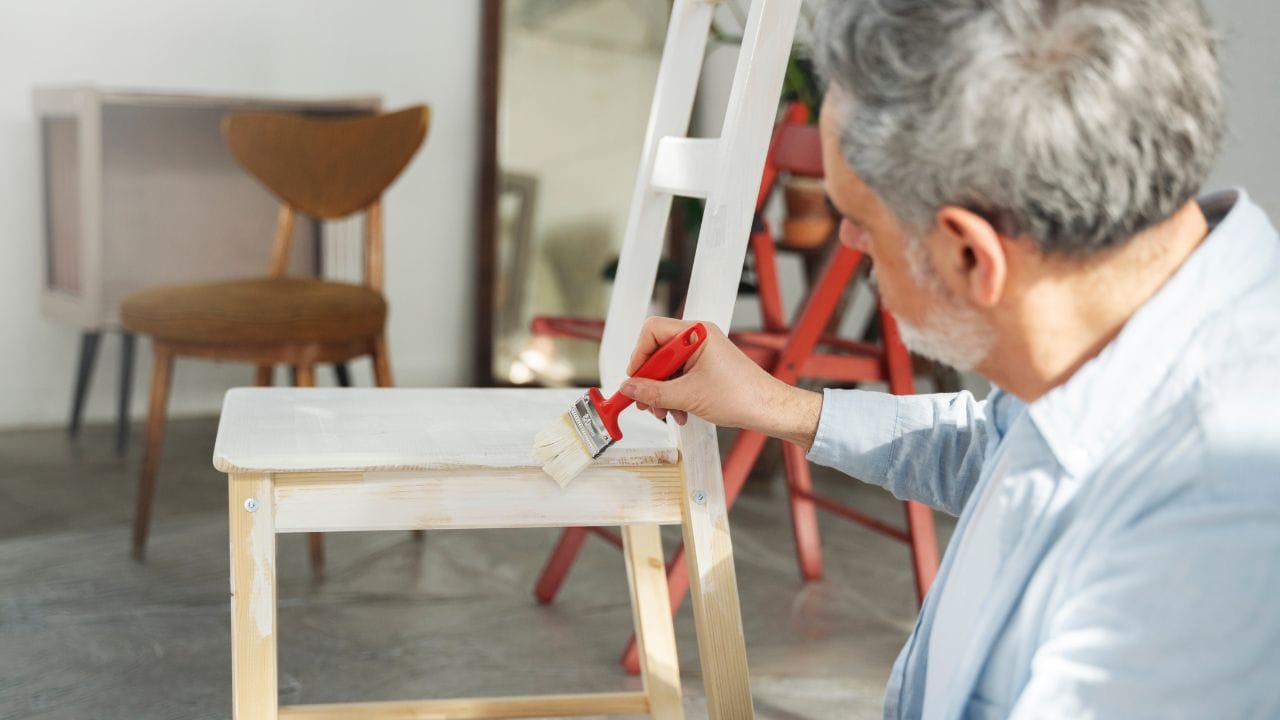
If something broke, your grandparents didn't toss it-they fixed it. Sewing up clothes, patching tools, or gluing furniture was part of normal life. Replacement wasn't the first thought.
That mindset saved them thousands over time. Learning small repair skills or finding someone local to do it keeps usable items out of the trash and money in your pocket.
They paid cash and avoided debt

There were no impulse online purchases or "buy now, pay later" options back then. They paid cash because if they didn't have it, they didn't buy it.
That discipline meant they avoided the trap of interest and fees. Paying upfront-whether it's for groceries, furniture, or vacations-still gives you control and saves you from paying double over time.
They reused everything
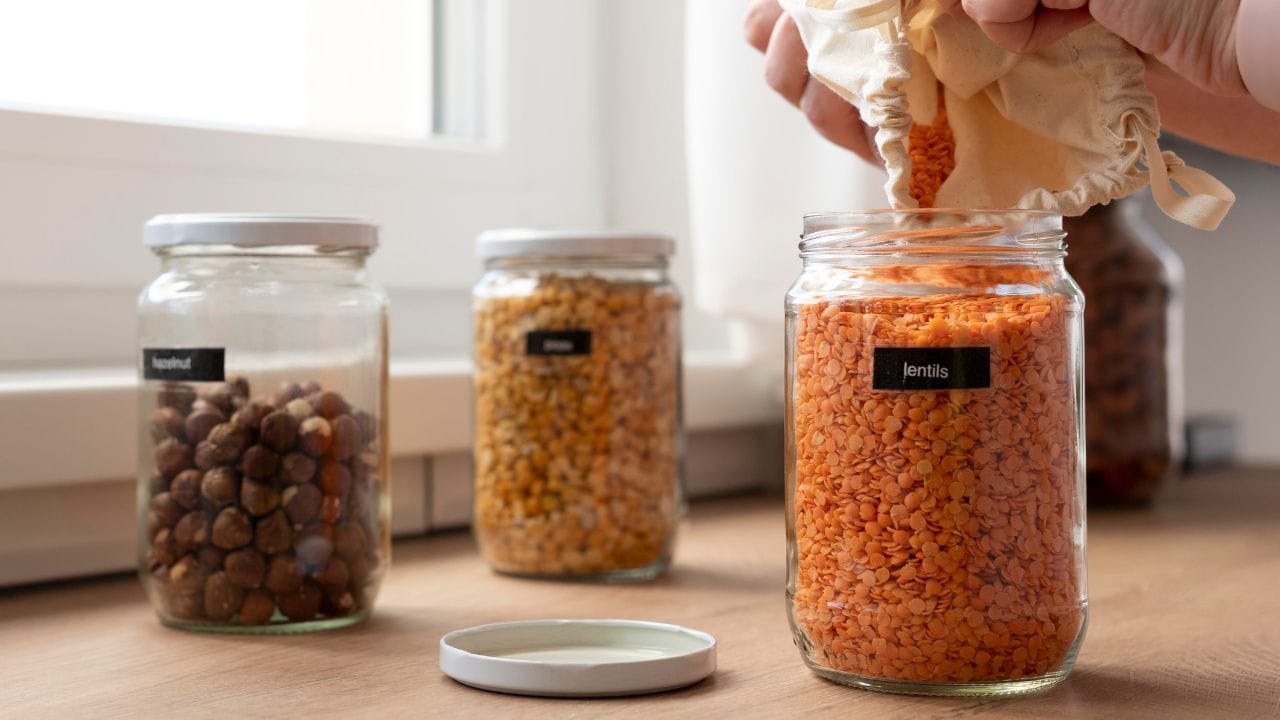
Coffee cans, glass jars, grocery bags-nothing went to waste. Your grandparents found new uses for what they already had, long before "upcycling" was a trend.
That habit of reusing and repurposing cuts down on both spending and clutter. Instead of buying storage bins or organizers, you can reuse jars, boxes, or containers you already have and get the same job done.
They grew their own food
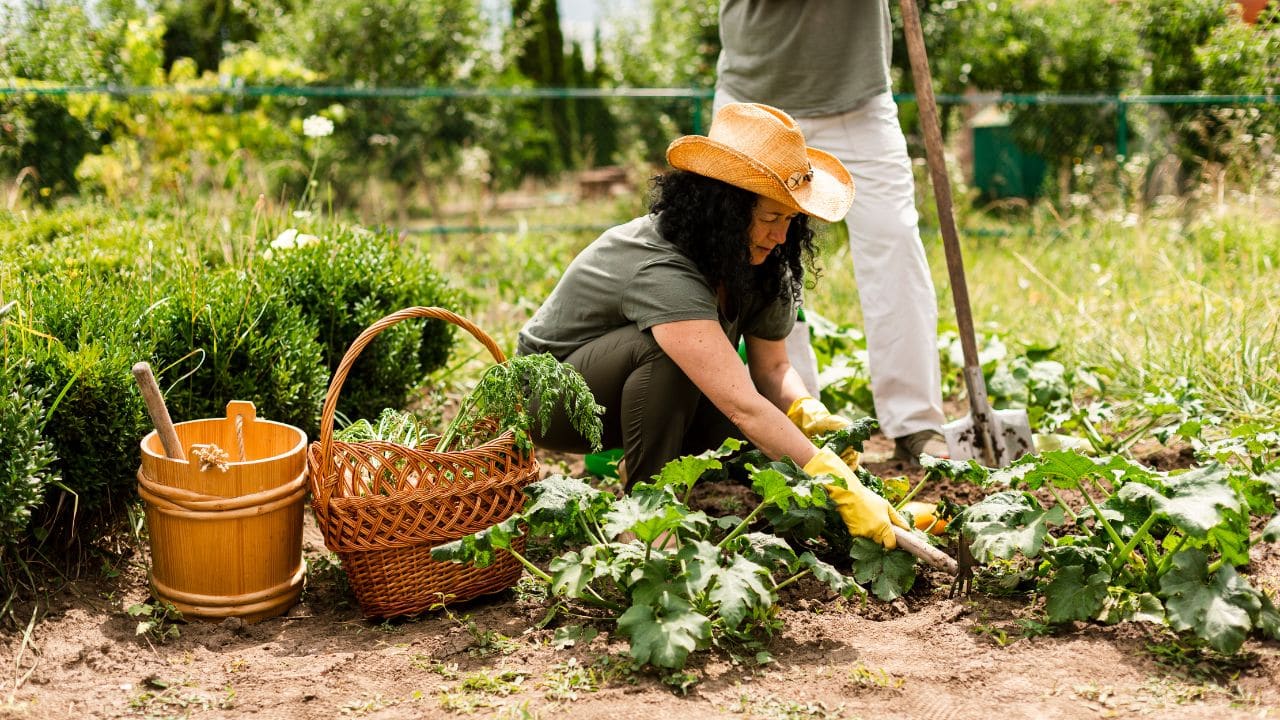
Even a small garden meant big savings. Fresh vegetables, herbs, and fruit trees helped feed families without relying entirely on store prices.
You don't need acres to follow their lead. A few raised beds or pots on a porch can save you hundreds during the growing season-and you'll eat better while you're at it.
They took care of what they owned
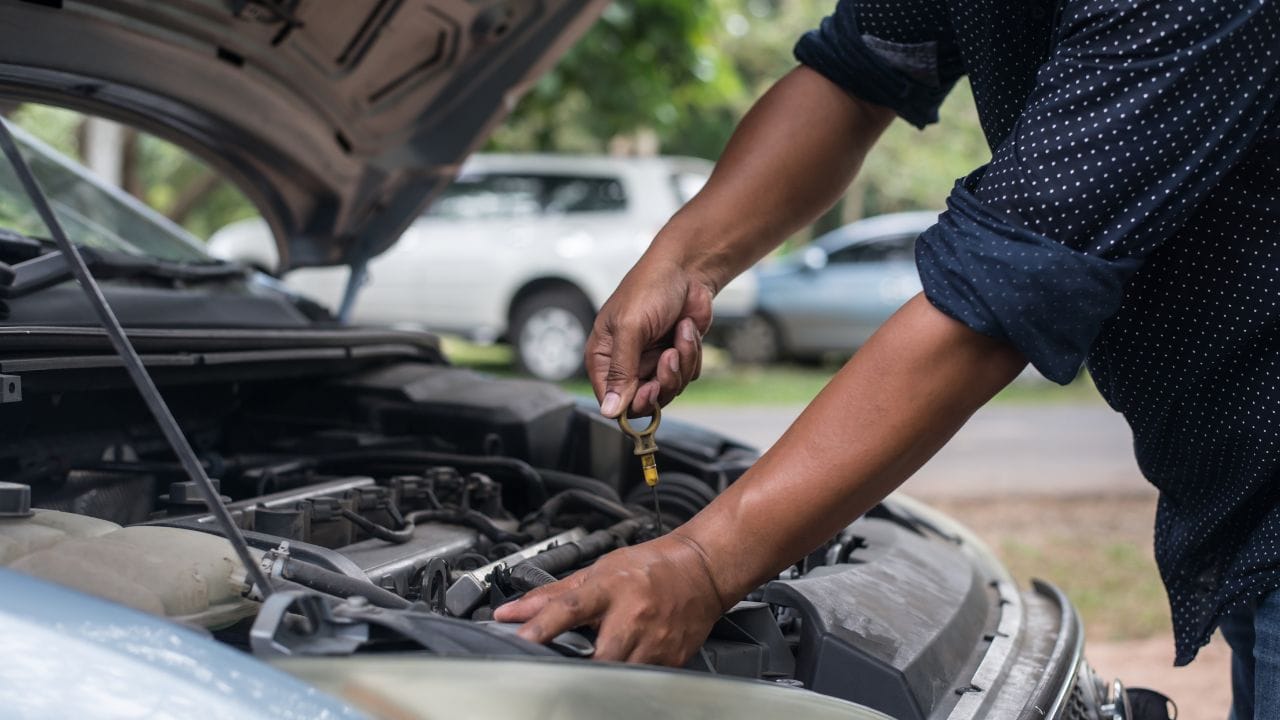
Regular upkeep was second nature. They cleaned, oiled, sharpened, and maintained their tools, vehicles, and appliances to make them last as long as possible.
That kind of care prevents expensive repairs later. Keeping up with maintenance schedules-on your car, HVAC, or even shoes-means fewer replacements and fewer surprises.
They shared instead of buying everything new
Your grandparents leaned on their community. They borrowed tools, traded produce, and swapped skills instead of each household owning everything.
That sense of resourcefulness saved money and built stronger relationships. Today, that could mean joining a tool library, trading services with a neighbor, or lending out equipment when someone needs it.
They lived within their means

They didn't chase trends or spend money trying to impress anyone. Their homes, clothes, and cars were chosen for practicality, not status.
It's a mindset that still pays off. When you focus on what actually makes life comfortable and functional, you stop spending on things that don't. That's where most people overspend today.
They planned ahead for big expenses

Your grandparents didn't rely on credit cards when the roof leaked or the car needed repairs-they planned ahead for it. Setting money aside for the inevitable was part of life.
You can do the same by keeping small sinking funds for upcoming costs like insurance renewals, medical bills, or home maintenance. It keeps big expenses from becoming financial emergencies.
They made do with what they had
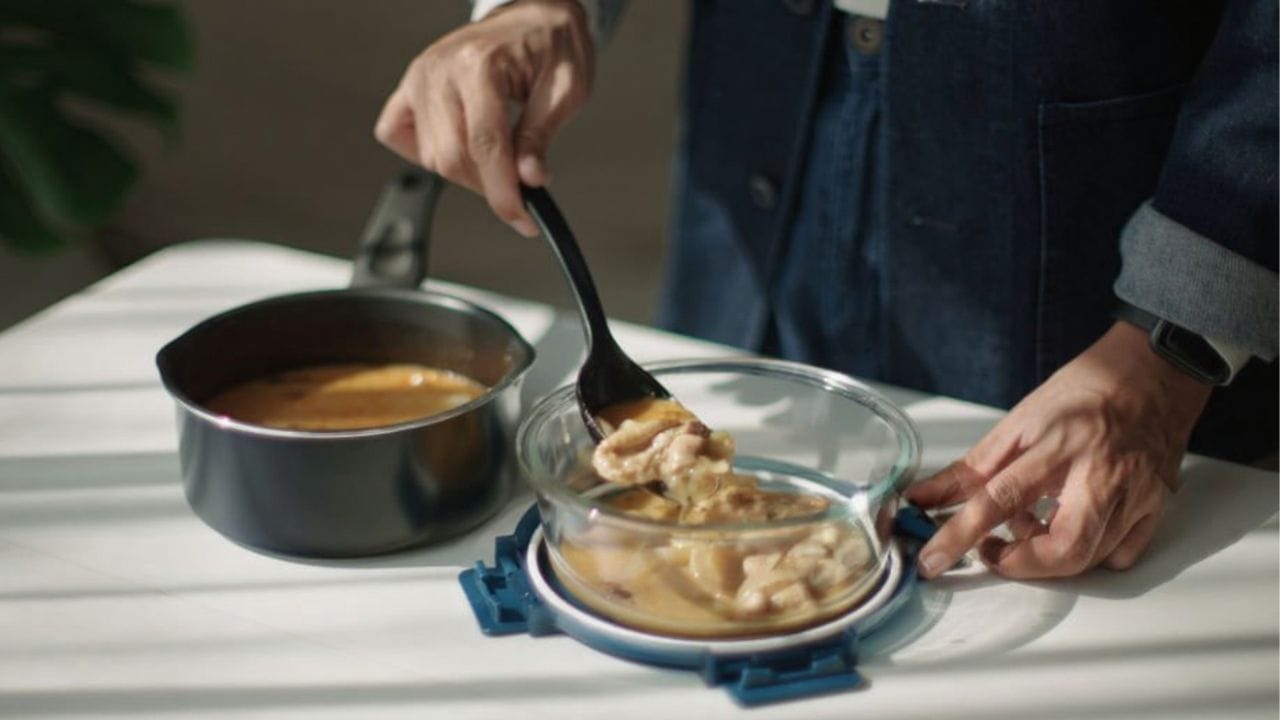
"Making do" didn't mean going without-it meant being creative. They stretched what they owned, repurposed leftovers, and found ways to meet needs without spending more.
That kind of mindset is what saves money long-term. When you get used to working with what you have instead of always upgrading, you realize how much you can actually live on without feeling deprived.
*This article was developed with AI-powered tools and has been carefully reviewed by our editors.






Leave a Reply