
Habits that add $300 to my savings automatically
When saving feels like a chore, it usually doesn't last. What made the difference for me was putting a few things on autopilot-no daily decisions, no mental math. These habits don't feel like work, but they've quietly padded my savings every month.
If you can build them into your routine, you'll stop wondering where your money went and start seeing actual progress without making life harder. Here's what I do that puts at least $300 back in my account every month.
Set Up Auto-Transfers After Payday
The best way I started saving more was by moving money before I could spend it. Right after payday, I set up a recurring transfer to a separate savings account that's not linked to my debit card. That way, it's out of sight before it ever feels "spendable."
Even $10 a day adds up fast when it's consistent and automatic. You don't miss it because it's already moved before you can touch it. That one habit easily puts $150-$200 in savings each month without any real effort.
Use Round-Up Savings on Purchases
Most banks and apps now let you round up your purchases and stash the difference in savings. It might not sound like much-maybe 40 cents here, 80 cents there-but when you're swiping multiple times a day, it adds up quick.
I linked my debit card to a round-up feature and let it roll. At the end of each month, I've usually saved an extra $30-$40 without doing anything different. It's one of those habits that works better the less you think about it.
Keep a "No-Spend" Day Each Week

Picking one or two days a week where you don't spend anything can free up more cash than you'd expect. I started doing it to curb mindless spending and realized how often I was spending without purpose.
Even skipping one $10-$20 purchase per no-spend day adds up to $40-$80 a month. It's not about being extreme-it's about giving your brain a break from always defaulting to spending. That break shows up in your account balance later.
Limit Grocery Trips to Once a Week

Running to the store midweek always led to impulse buys-snacks, drinks, or random deals I didn't need. Those extras were quietly costing me $100+ a month without me realizing it.
Now I shop once a week with a list, and that's it. If I forget something, I make do or plan around it. Cutting out those extra trips kept me from blowing my grocery budget and helped me keep more in savings without changing what we eat.
Use Cash Back Apps Like They're Part of the Budget
I treat cash back like a savings tool. Every receipt, every online order, every grocery run-I submit it to cash back apps or browser extensions. Then I let those rewards build up and cash them out monthly straight to my savings account.
It's not "free money" if you don't use it right. I use it on stuff I was already buying, and it usually gives me an extra $30-$60 per month. That's money I would've missed if I wasn't in the habit of submitting it regularly.
Set Bills to Auto-Pay to Avoid Late Fees
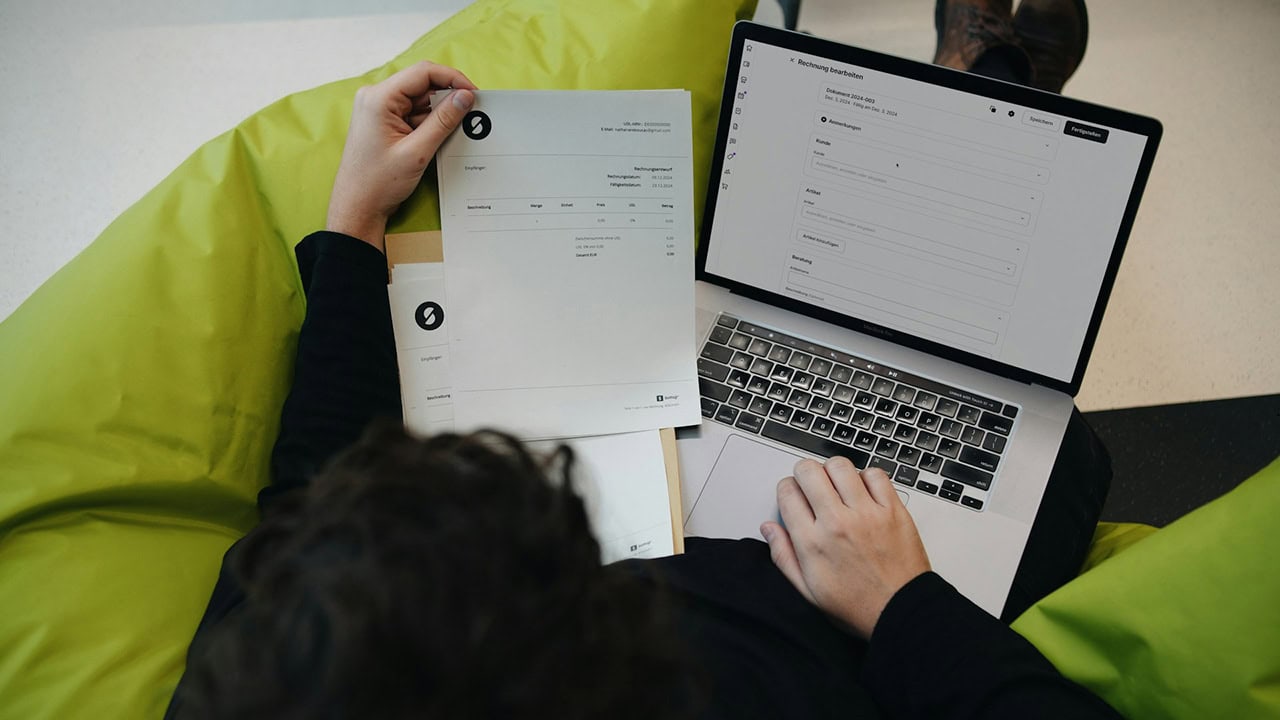
Late fees are one of the easiest ways to waste money, and they add zero value. I put all recurring bills on auto-pay-utilities, phone, internet-so nothing slips through the cracks.
Even one or two missed payments can cost $25-$50 each. Staying ahead of due dates keeps more money in your pocket and protects your credit while you're at it. It's a one-time setup that saves you from mistakes you didn't mean to make.
Cancel or Pause Subscriptions Monthly

Every month, I review what's set to renew and ask myself if I still need it. If I didn't use it last month, I cancel or pause it. That includes streaming, random app upgrades, or memberships I forget about.
You'd be surprised how many "little" things stack up to $75-$100 a month. I don't wait for annual renewals to sneak up-I look ahead and decide what's worth it. That habit alone gave me more control over where my money goes.
Use a "Skip List" for Online Purchases

When I want something online, I put it on a list instead of buying it immediately. Most of the time, I don't go back for it. That delay keeps me from spending on things that felt important in the moment but didn't actually matter.
This one habit stops impulse buys that could've easily eaten through $100-$200 each month. It's not about never buying fun things-it's about only spending when it's actually worth it. That kind of control shows up fast in your savings.
Keep a Cap on Takeout
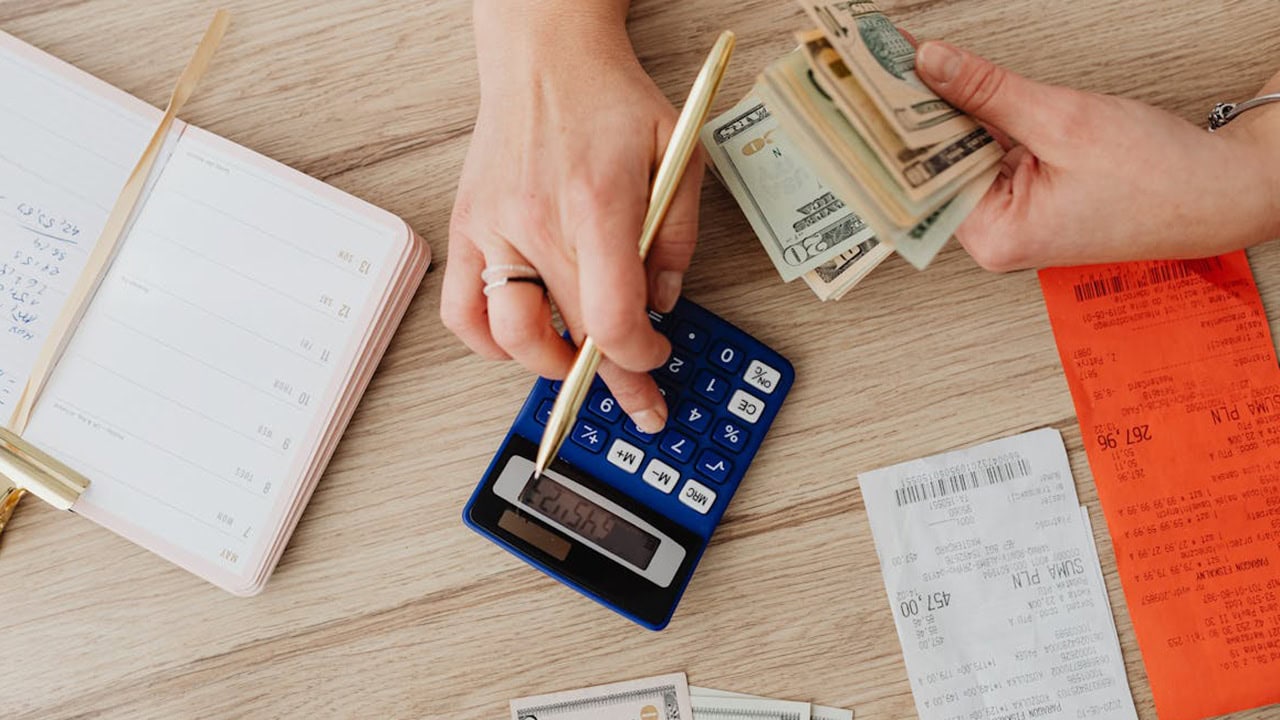
We still eat takeout, but I put a firm cap on it. I budget a set amount for the month, and once it's gone, it's gone. If we want something, it has to come from what's already been planned for.
That helped me cut takeout spending by $100-$150 every month without cutting it out completely. I didn't realize how often "easy dinner" was wrecking our monthly savings goals until I started tracking it. Now I enjoy it more and save a whole lot more, too.
Funnel Refunds and Rebates Straight to Savings
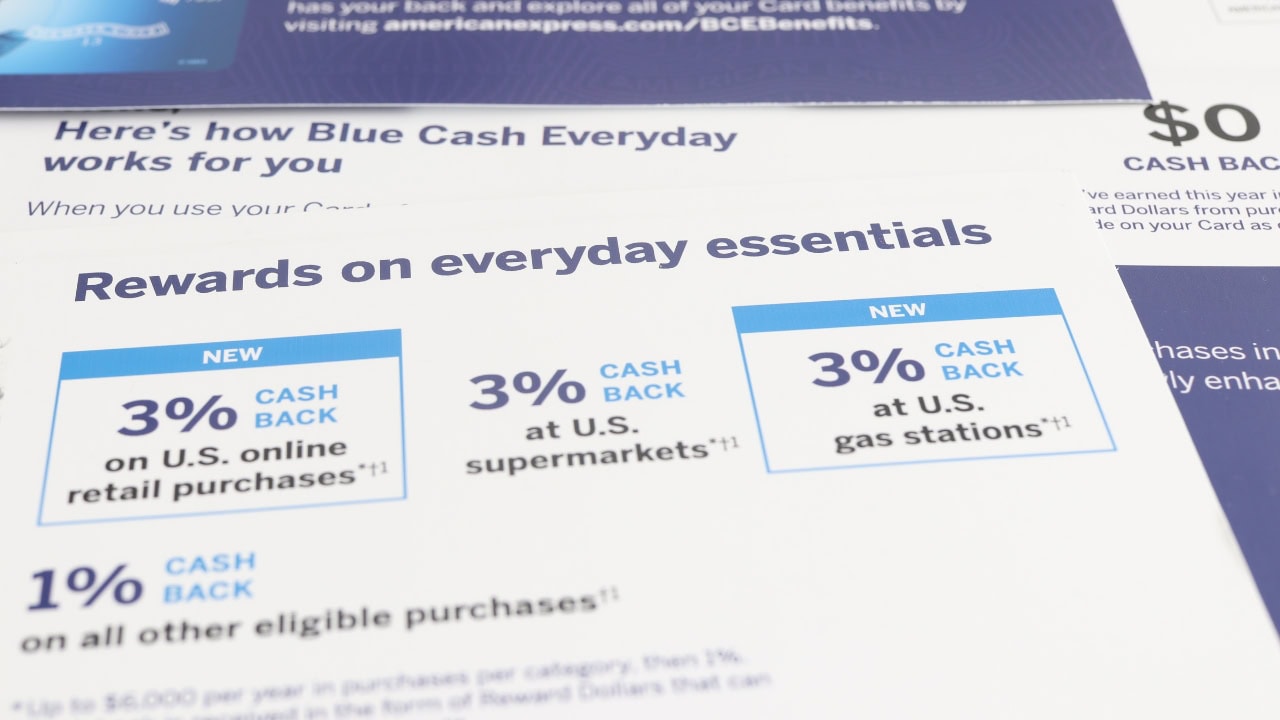
Any time I get a refund, rebate, or return credit, I treat it like found money. Instead of letting it blend back into my spending account, I move it to savings right away.
Whether it's $10 from a return or $100 from overpaying a bill, I don't let it disappear into regular spending. It's already "extra," so moving it into savings is one of the easiest ways to boost your total each month without lifting a finger.
*This article was developed with AI-powered tools and has been carefully reviewed by our editors.






Leave a Reply