
"Buy in bulk" gets repeated like gospel, but for many older shoppers-especially in smaller households-it wastes money. Perishables spoil, storage gets cramped, and annual fees eat savings if you don't shop enough. Bulk can still work, but only when the math and your reality match.
Here's how to stop the backfire and keep the benefits.
Perishables don't care about unit price
A 10-pound bag of oranges is cheap per pound, but it isn't cheaper if half goes soft. For produce, dairy, bread, and meat, buy what you'll use in a week and freeze single portions right away. If you don't like freezing, choose smaller packs even if the unit price is higher. The best price is the one you actually eat.
Keep a "freeze today" marker in your fridge. If it isn't used by day two, portion and freeze.
Membership fees need real usage
Warehouse clubs make sense when you shop monthly and buy specific staples. If you go every few months for random finds, the fee cancels the savings. Track three months of actual trips and receipts. If you're not saving at least the membership cost plus 25%, switch to store brands at your regular grocery and skip the fee.
Ask about senior, military, or teacher membership discounts before you renew.
Storage isn't free
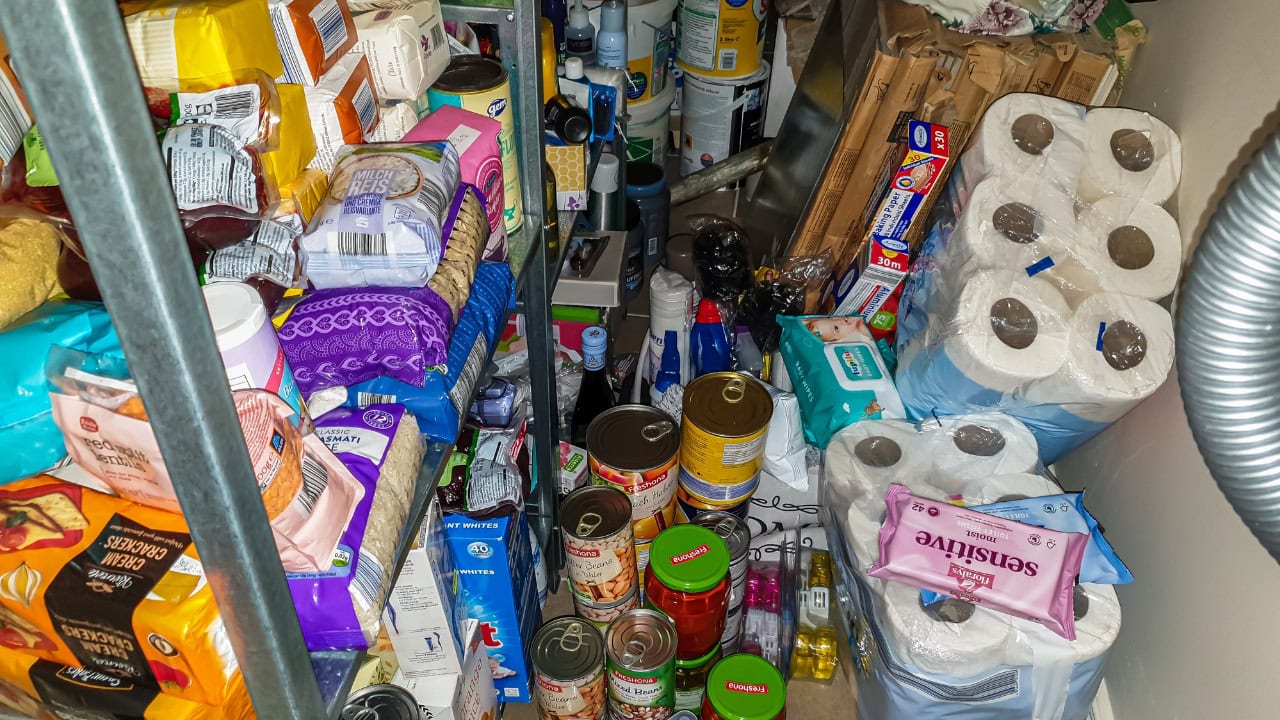
Overflow buys shelving, bins, and duplicates because you can't see what you own. Limit bulk purchases to items with dedicated space-paper goods, detergent, trash bags, pet food-and label shelves with the "max" quantity. If a deal would push you past the max, leave it.
A small home inventory list taped inside a cabinet prevents "buy a third because I forgot."
Share or skip single-use items
If you want the bulk price for spices, snacks, or baking goods, split with a neighbor or family member. Each of you gets the unit savings without the waste. If sharing isn't an option, skip bulk for those categories and buy store-brand smaller sizes.
Group texts make sharing easy-post the deal and how you'll split the cost.
When bulk really works for smaller households
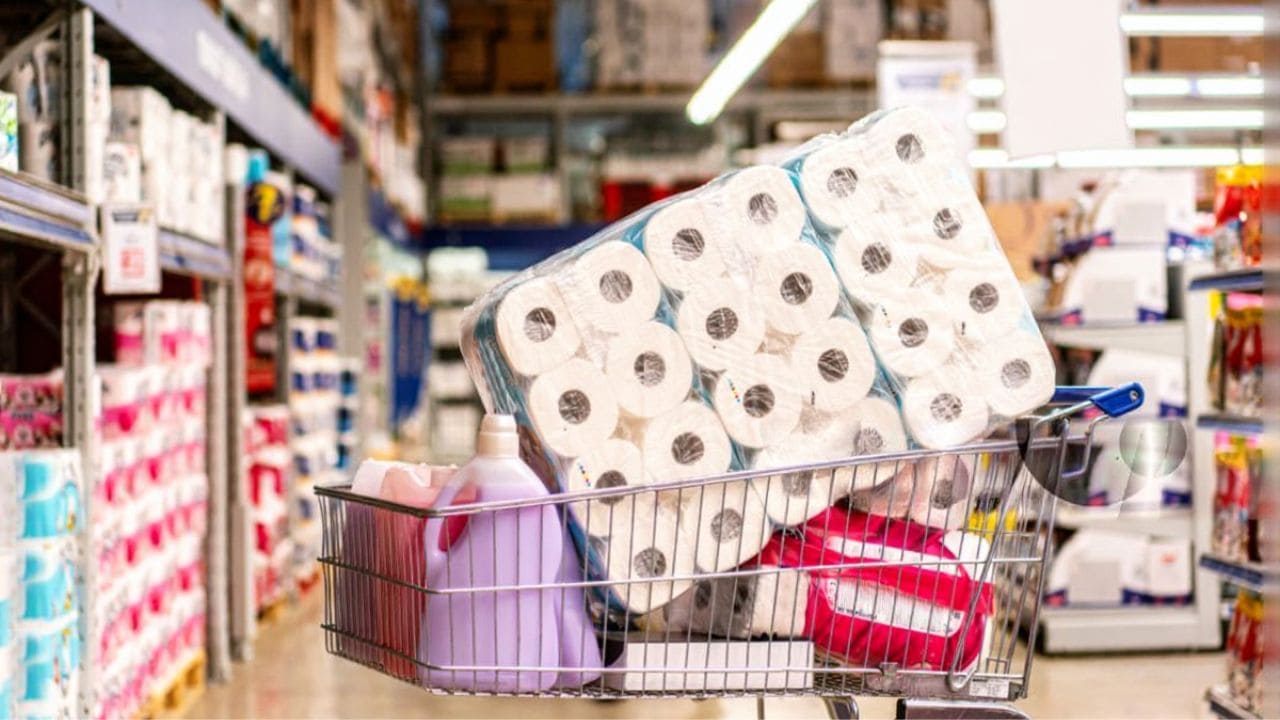
Paper towels, toilet paper, dish soap, laundry detergent, coffee, and canned tomatoes usually pencil out. Medical supplies and batteries can too. Buy one month to test usage before you commit to a bigger stock-up. If you're finishing items right on schedule and nothing is expiring, add them to your bulk list.
Mark purchase dates with a Sharpie so you know how long items last in real life.
Bulk isn't the villain-mismatch is. Buy big on the few staples that fit your space and habits, skip perishables that spoil, split with others when you can, and drop the membership if you're not clearing the fee by a margin. You'll save money without filling your house with half-eaten bargains.
*This article was developed with AI-powered tools and has been carefully reviewed by our editors.






Leave a Reply