
Bad habits that are eating away at your savings

It doesn't always take a big expense to drain your savings. More often than not, it's the little things that fly under the radar-the habits you don't even think twice about. Over time, they can quietly chip away at everything you've worked hard to set aside.
If your account never seems to grow the way it should, these might be the culprits. They're easy to overlook because they don't feel "wrong," but they add up faster than most people realize.
Rounding Up on Every Grocery Trip

Grabbing a few extra things each time you shop might not seem like a big deal, but over the course of a month, it adds up. That "one more snack" or "fun drink" habit can turn a $100 trip into $130 without blinking.
If you don't walk in with a list and stick to it, you'll keep bleeding cash in small, unnoticed ways. Even rounding up by $20 each trip can eat through hundreds over the course of a year-and most of it goes to things you didn't really need in the first place.
Auto-Renewing Subscriptions
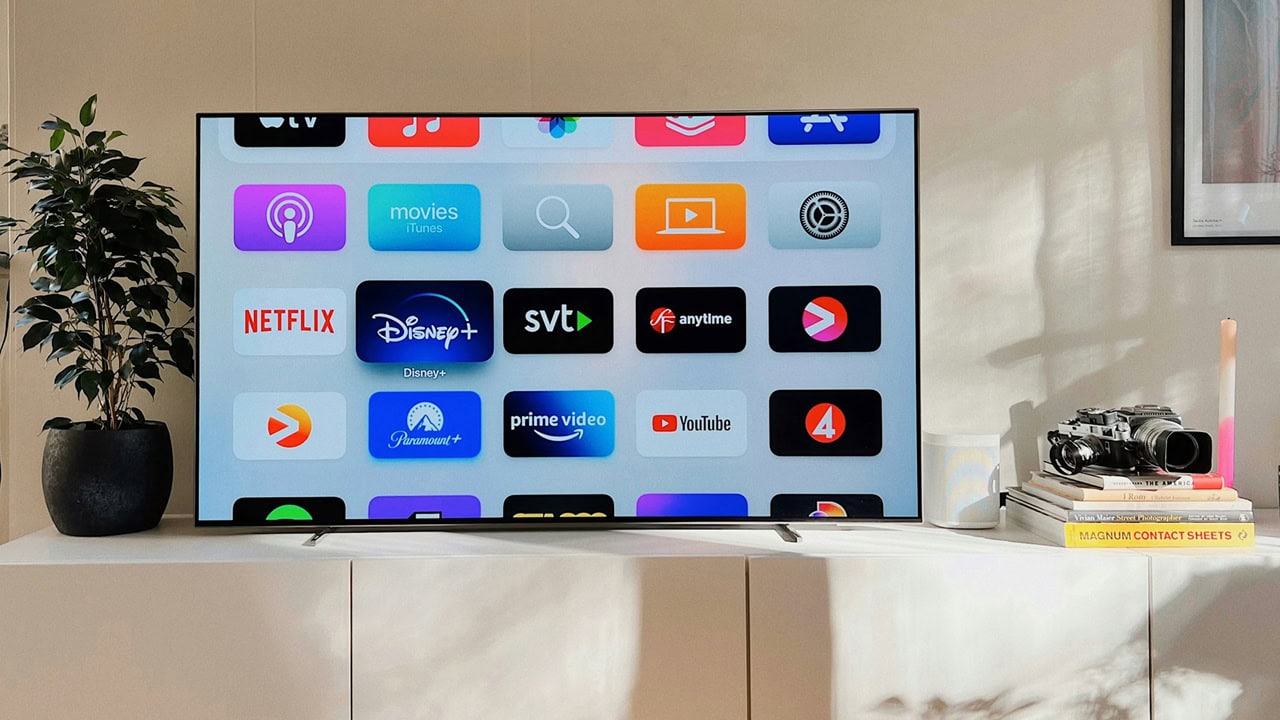
When something renews automatically, it's easy to forget it's even there. Streaming services, apps, newsletters-they're small individually, but they quietly pile up in your budget.
The worst part is you might not be using half of them anymore. Doing a monthly check-in on your statements and canceling what's not worth it can save you a surprising amount without feeling like you're giving anything up. Letting them sit unchecked is like letting your savings leak from a pinhole.
Ignoring Price Hikes

A lot of companies raise prices slowly, hoping you won't notice. Your phone bill, insurance, internet, even your favorite shampoo might quietly cost more than it used to-and if you're not checking, you're paying more than you have to.
Get in the habit of reviewing bills and purchases regularly. Call to negotiate when it makes sense, and shop around every once in a while. That little extra effort can keep you from paying inflated prices that don't match the value.
Buying Convenience Too Often
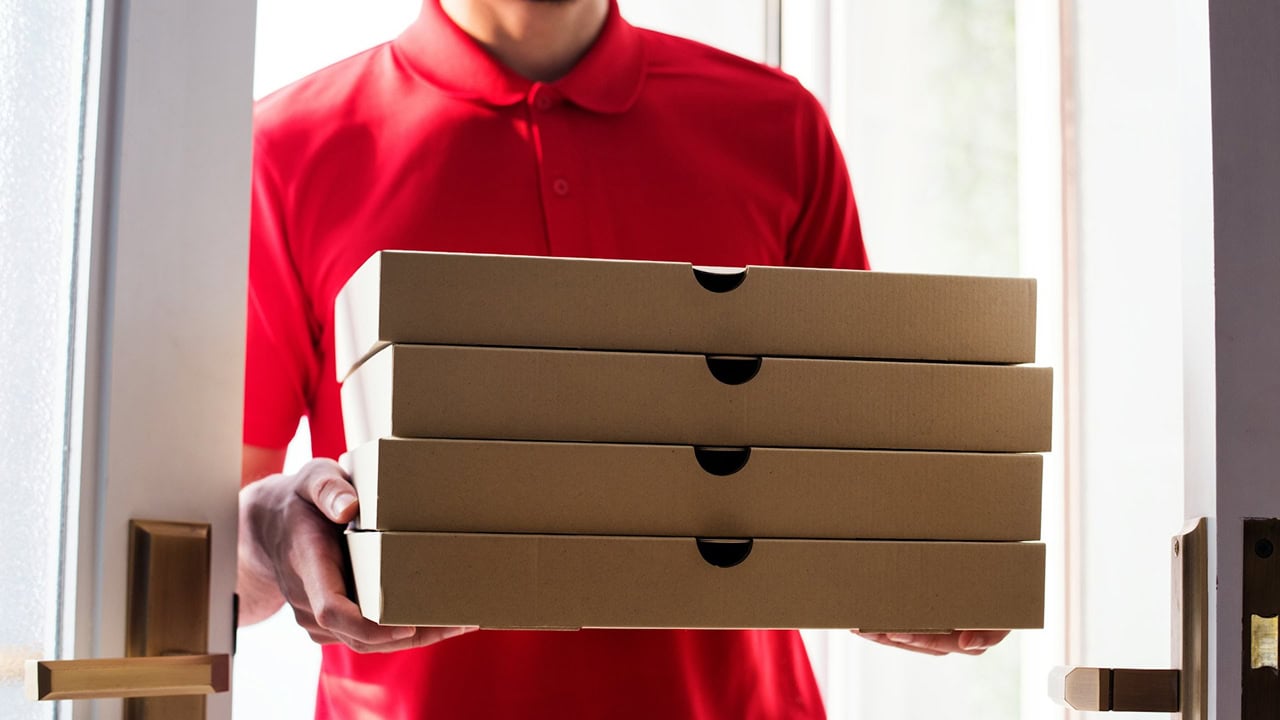
Sometimes life's chaotic and paying for convenience makes sense. But if it becomes your norm-meal kits, grocery delivery, fast food, pre-chopped veggies-you're trading a lot of your savings for a little extra ease.
Those small convenience charges can stack up fast, especially when they're repeated multiple times a week. It's not about cutting everything, but being more selective. Doing a little more yourself here and there can slow the drain without feeling like you're giving up too much.
Putting It All on the Card
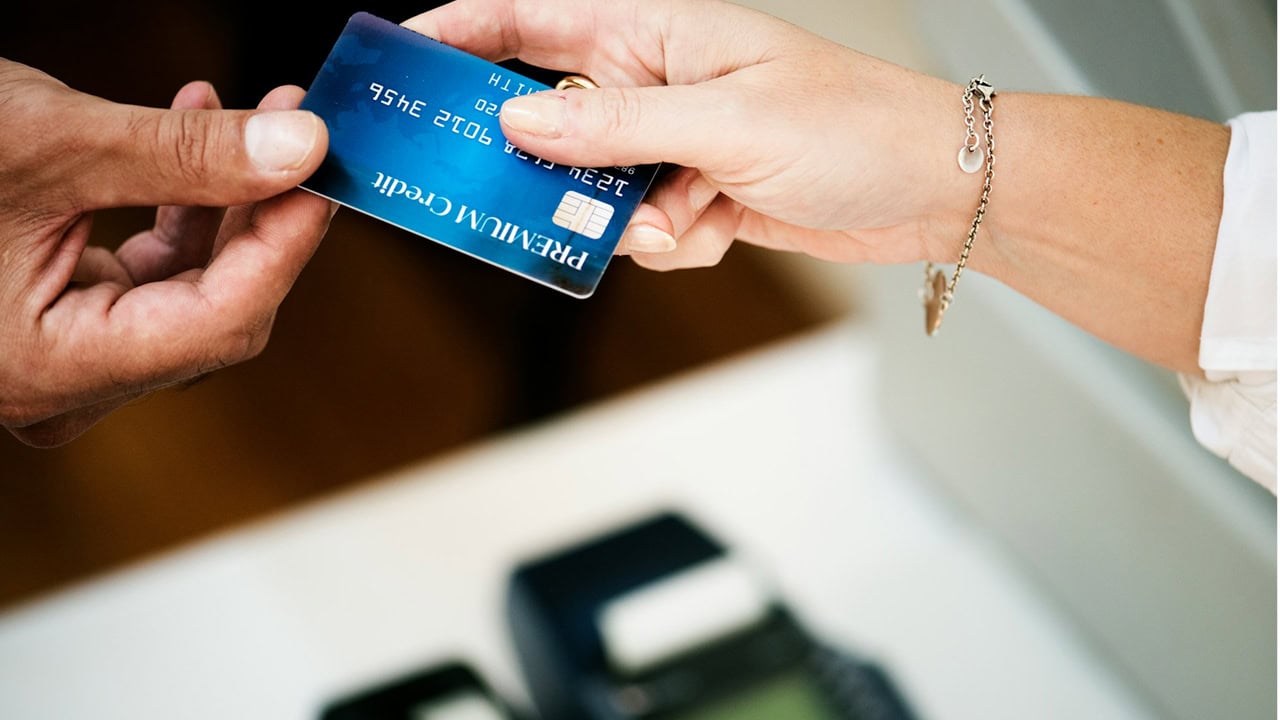
Relying on credit for everyday purchases is an easy habit to fall into-especially if you're earning points or cash back. But if you're not paying it off in full every month, interest can quietly wipe out any rewards you earned.
Carrying a balance means you're paying more than sticker price for every single thing you buy. That compounds fast and can keep your savings from growing at all. It's better to use a debit card or cash if you know the balance won't get paid off in time.
Not Comparing Prices

Grabbing something off the shelf without checking for a better deal might not matter once, but doing it every time definitely does. Whether it's groceries, clothes, or even a big purchase like a mattress-price comparing matters more than you think.
Apps and browser extensions make it easier than ever to scan for deals. Taking a few minutes to look can save you hundreds a year, and those savings are what help build a cushion. If you're never comparing, you're likely overpaying more often than you realize.
Treating Sales Like Emergencies

A deal isn't saving you anything if you weren't planning to spend money in the first place. Flash sales and "limited time only" promos create urgency where there doesn't need to be any.
It's easy to convince yourself you're being smart with money when you buy something on sale. But if it wasn't something you already needed or budgeted for, it's an unnecessary hit to your savings. Letting those impulse buys slide by as "good deals" can become an expensive habit.
Skipping the Meal Plan
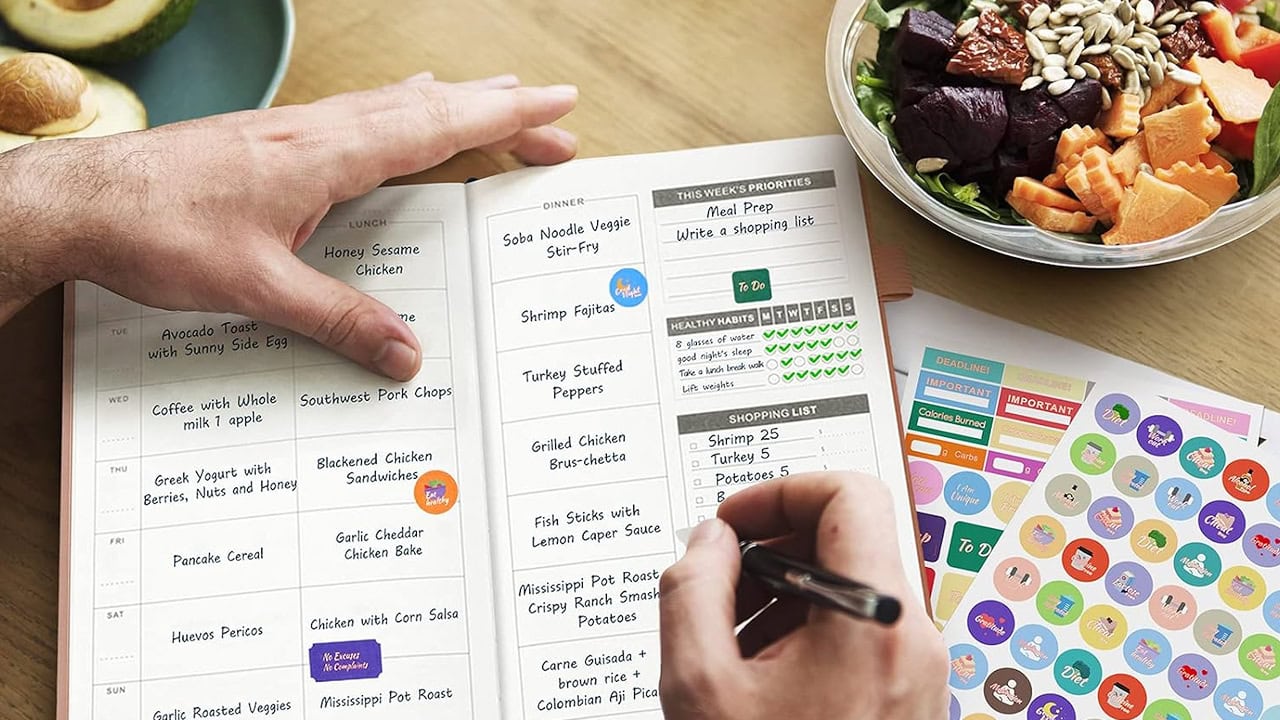
Winging it with dinner every night usually leads to more grocery runs, extra takeout, and forgotten leftovers. Without a plan, you're constantly playing catch-up, and the cost creeps in fast.
Meal planning-even if it's loose-helps cut back on food waste and last-minute spending. You can still be flexible, but having a general idea keeps you from overspending on things you didn't actually need. And over time, the difference in your bank account is noticeable.
Not Setting a Budget at All
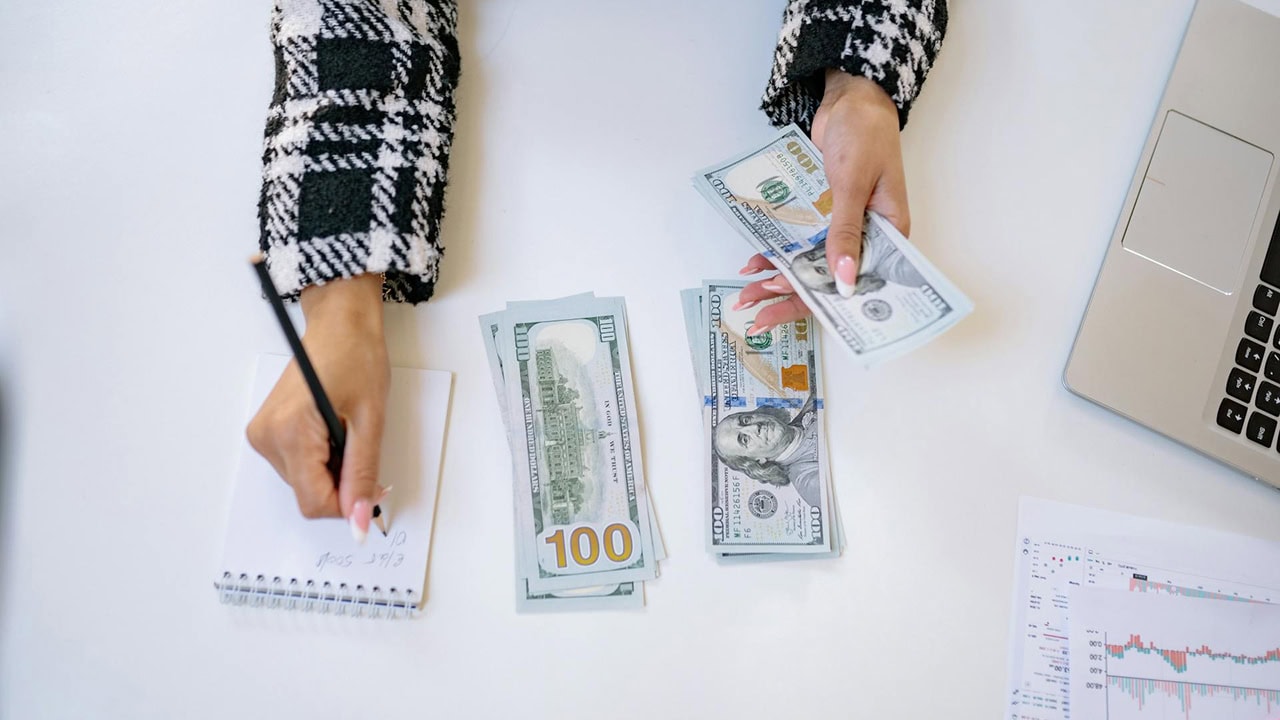
If you're not telling your money where to go, it'll find its own way out. Skipping the budget might feel freeing in the moment, but it's the fastest way to let spending spiral without realizing it.
A loose budget is better than none. Even having a weekly cap for things like food, gas, and extras keeps you grounded. It makes it easier to spot the habits that are slowly draining your savings-before they do too much damage.
Avoiding "Small" Financial Tasks
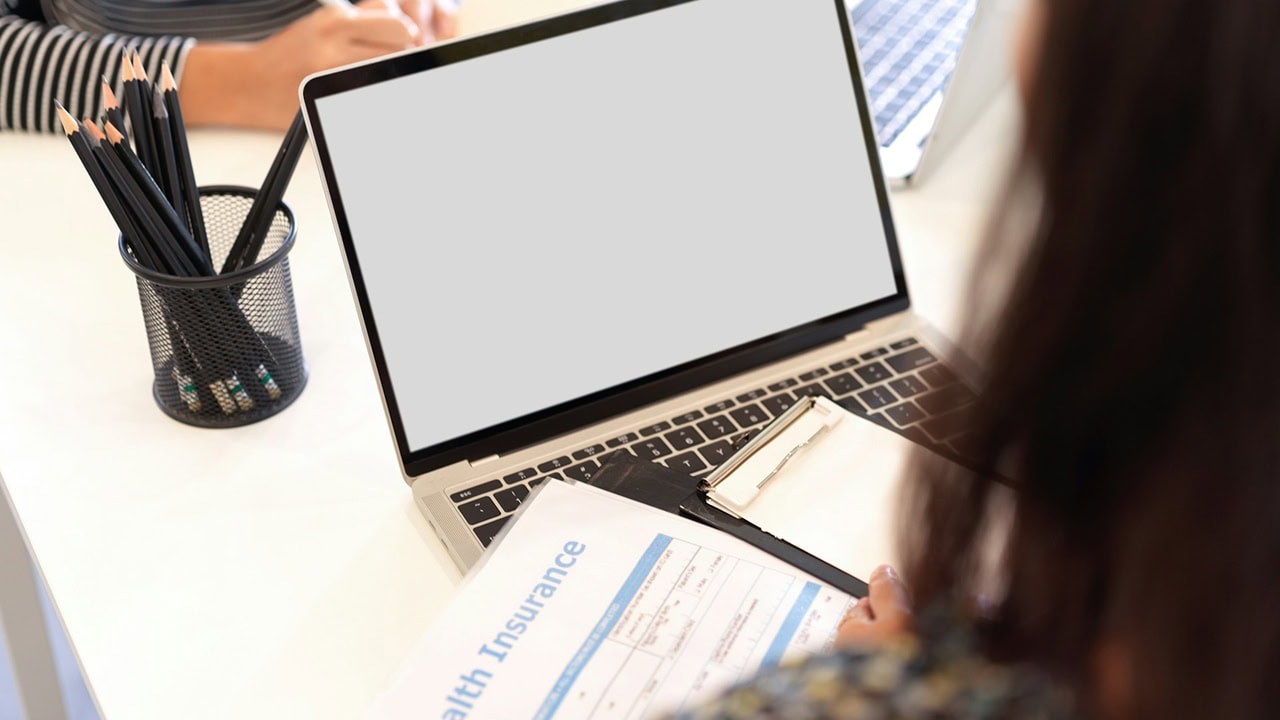
Putting off things like returning an item, mailing a rebate, or reviewing your insurance feels harmless. But those small tasks often lead to money being left on the table-sometimes literally.
The more you delay the "annoying" parts of managing money, the more you miss out on easy wins. Over time, it creates a pattern of financial laziness that eats away at your savings quietly. Being proactive-even in the small stuff-adds up fast.
*This article was developed with AI-powered tools and has been carefully reviewed by our editors.






Leave a Reply